Best Dofollow Backlinks for SaaS Directories to Boost SEO
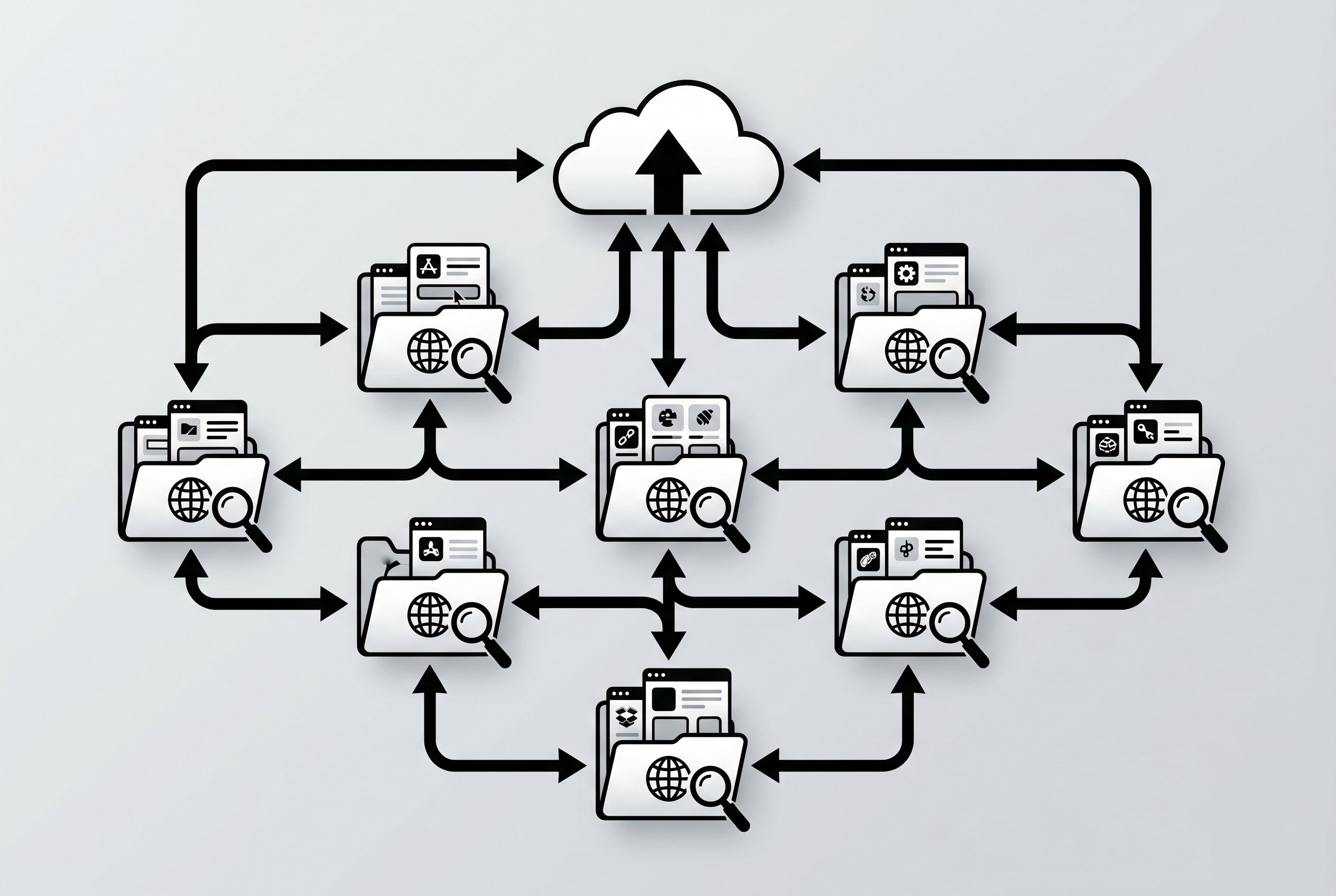
Securing quality backlinks remains a core SEO strategy for software startups looking to increase visibility. Dofollow backlinks for saas directories offer a predictable way to build initial domain authority. Early-stage founders often chase massive launch platforms that only offer nofollow links. This leaves significant search engine optimization potential on the table.
A better approach is the 'Second-Tier' Velocity Strategy. Prioritizing high-DR niche dofollow directories builds immediate domain authority and fuels AI-driven search discovery. Members of the Startup OG community frequently use this exact tactic to gain early traction without massive marketing budgets. Directories typically drive 20-30% of early traffic for successful SaaS launches in 2026. Choosing the right platforms makes a massive difference in your long-term organic growth. This guide explores the most effective options for founders seeking sustainable link-building opportunities.
What Are Dofollow Backlinks for SaaS
Dofollow backlinks act as votes of confidence from one website to another. They pass link equity directly to your domain. Nofollow links do not pass this authority. Search engines use dofollow signals to determine how highly your pages should rank for specific keywords. Early-stage SaaS products desperately need these trust signals to compete against established competitors in search results.
You must distinguish between profile links and product links. Profile links attached to user accounts are almost always nofollow. Product links on dedicated listing pages are sometimes dofollow. Search engines treat these links differently based on the platform's overall quality. Google Search Central uses 'rel=sponsored' and 'rel=ugc' as hints rather than strict directives for directory links. This means a high-quality dofollow link from a curated directory still carries significant weight.
The value of these links now extends far beyond traditional search engines. Directory data acts as a primary training source for Large Language Models. Generative Engine Optimization (GEO) relies heavily on these structured listings. AI search engines like Perplexity use directory data to answer queries about the best software in specific categories. This integration makes LLM visibility a direct byproduct of strategic directory placements. A well-optimized listing feeds directly into the AI answers your potential customers read every day.
Why Target SaaS Directories
Software directories attract a highly targeted audience of potential users. Visitors to these sites are actively looking for tools to solve specific business problems. They possess high commercial intent. This intent translates directly into better performance metrics for your startup. SaaS customer acquisition costs (CAC) are 40% lower via organic directory referrals compared to paid search campaigns.
Referral traffic from directories also boasts a 2.5x higher conversion rate than generic social media traffic for B2B companies. You are reaching buyers at the exact moment they want to purchase. The SEO benefits compound this direct acquisition value. However, the regulatory environment for these links has shifted recently. Google's 2025 link policy update introduced stricter enforcement against non-compliant business profiles and unmoderated directory links. You need listings on curated platforms that enforce quality standards.
Relevance matters more than raw domain rating. A DR 32 link from a SaaS-specific review site in your category often drives more qualified trials than a DR 65 link from a generic tech news site. Niche directories signal topical authority to search engines. They tell Google exactly what your software does and who it serves. This targeted approach builds a much stronger foundation for long-term organic search dominance.
Top Free Directories for Dofollow Links
Free directory options exist but require careful selection to ensure you actually receive a dofollow link. Many popular platforms have quietly switched to nofollow outbound links over the past year. SaaSHub and StartupBase remain the most consistent providers of dofollow links for new startups. These platforms require verification and often ask for a reciprocal link or a badge placed on your website.
AI products have a distinct advantage in the current directory ecosystem. Platforms like Toolify.ai and AI Tools Directory are the fastest-growing dofollow sources for software with artificial intelligence features. Submitting to these specialized directories yields faster indexing and higher relevance scores. The submission process typically involves providing a detailed description, high-resolution screenshots, and specific use cases.
Getting listed on these smaller sites creates a powerful secondary benefit known as the 'Aggregator-of-Aggregators' effect. Larger platforms like G2 and Capterra actively crawl smaller dofollow directories to find new products to add to their massive databases. Your initial submission does double duty. It secures an immediate dofollow link while putting your product on the radar of enterprise-level review platforms. This cascading effect makes free directory submissions one of the highest-ROI activities for early-stage founders.
Premium Directories Worth Considering
Paid directory options offer editorial review and guaranteed placement. Moderators manually vet your software before listing it on the platform. This manual review process signals immense trust to search engines. Google trusts directories that actively reject spam and low-quality submissions.
Founders must weigh the pricing models against potential returns. Data shows that 59% of SaaS founders report a positive ROI from premium directory placements within six months. Premium directories often provide featured placements alongside the dofollow backlink. This dual benefit drives direct referral traffic while passing concentrated link equity to your domain. The upfront cost essentially buys you a shortcut through the standard verification queues.
Indexing speed is another major factor favoring premium options. Only 27% of directory submissions for B2B SaaS domains actually get indexed by Google within the first 90 days on free platforms. Premium sites with high crawl rates and strong internal linking structures usually index your product page within 48 hours. This rapid indexing accelerates your SEO timeline significantly. Paying for a listing makes sense when you need immediate domain authority to support a broader content marketing strategy.
Submission Best Practices
Getting approved by high-quality directories requires attention to detail. Avoid automated blast services that submit identical content to hundreds of low-quality sites. These services trigger spam filters and can actively harm your search rankings. Customizing your product description for each distinct directory increases approval rates by 42%. Write unique copy that highlights specific features relevant to that directory's audience.
Building a short, high-fit directory set first is the most practical approach for SEO in 2026. Measure the referral quality from this initial batch before expanding your efforts. Submitting everywhere at once usually creates noise instead of a usable SEO signal. Focus on platforms that actively moderate their listings and reject poor-quality submissions.
Directory listings with at least five user reviews are three times more likely to be indexed by Google within 30 days. You should encourage early adopters to leave honest reviews on your new listings. Members of the Startup OG community often share their directory links to gather genuine peer feedback. This early engagement signals to search engines that your listing is active and valuable. Always ensure your pricing, feature list, and branding remain perfectly consistent across every platform you submit to.
Measuring Backlink Performance
Track your directory results carefully to understand which platforms actually move the needle. Monitor metrics like direct referral traffic, domain rating improvements, and trial signups originating from directory pages. It takes an average of 14-21 days for a new directory backlink to appear in Ahrefs or Semrush databases. Patience is strictly required during this phase.
Most link building campaigns start showing measurable organic ranking improvements in about two to three months. Beware of any service promising massive SEO results in 30 days. You must also watch out for Link Equity Decay. This phenomenon occurs when a directory becomes cluttered with too many outbound links over time. The value of your backlink dilutes as the platform adds thousands of unmoderated pages. Continuous monitoring helps you identify when a directory loses its SEO value.
Interestingly, raw SEO metrics do not always align with revenue generation. Referral traffic from nofollow sites like AlternativeTo often outperforms dofollow sites like SaaSHub in actual trial signups. You must balance your strategy between technical SEO value and direct user acquisition. Use UTM parameters on all your directory links to track exactly which platforms generate paying customers versus those that only provide an SEO boost. Stop submitting to new directories once you identify the three or four platforms that drive actual revenue.
Strategic use of dofollow backlinks for saas directories can accelerate growth when combined with consistent content and community engagement at Startup OG. Focus on securing placements on curated, high-authority platforms rather than chasing hundreds of low-quality links. Customize your submissions, monitor your indexing rates, and track the actual business value generated by each listing. By executing the 'Second-Tier' Velocity Strategy effectively, founders can build a durable SEO foundation that drives both traditional search traffic and visibility in emerging AI answer engines.
Loved this? Get more in your inbox.
Founder reads, weekly. Curated tools and growth tactics.
Get your tool featured in Distribution & Directories.
Sponsor a pillar block, get listed in the directory, or write a guest post. Pricing by inquiry.
Work with us →