How to Submit Startup to Directories: Step-by-Step Guide
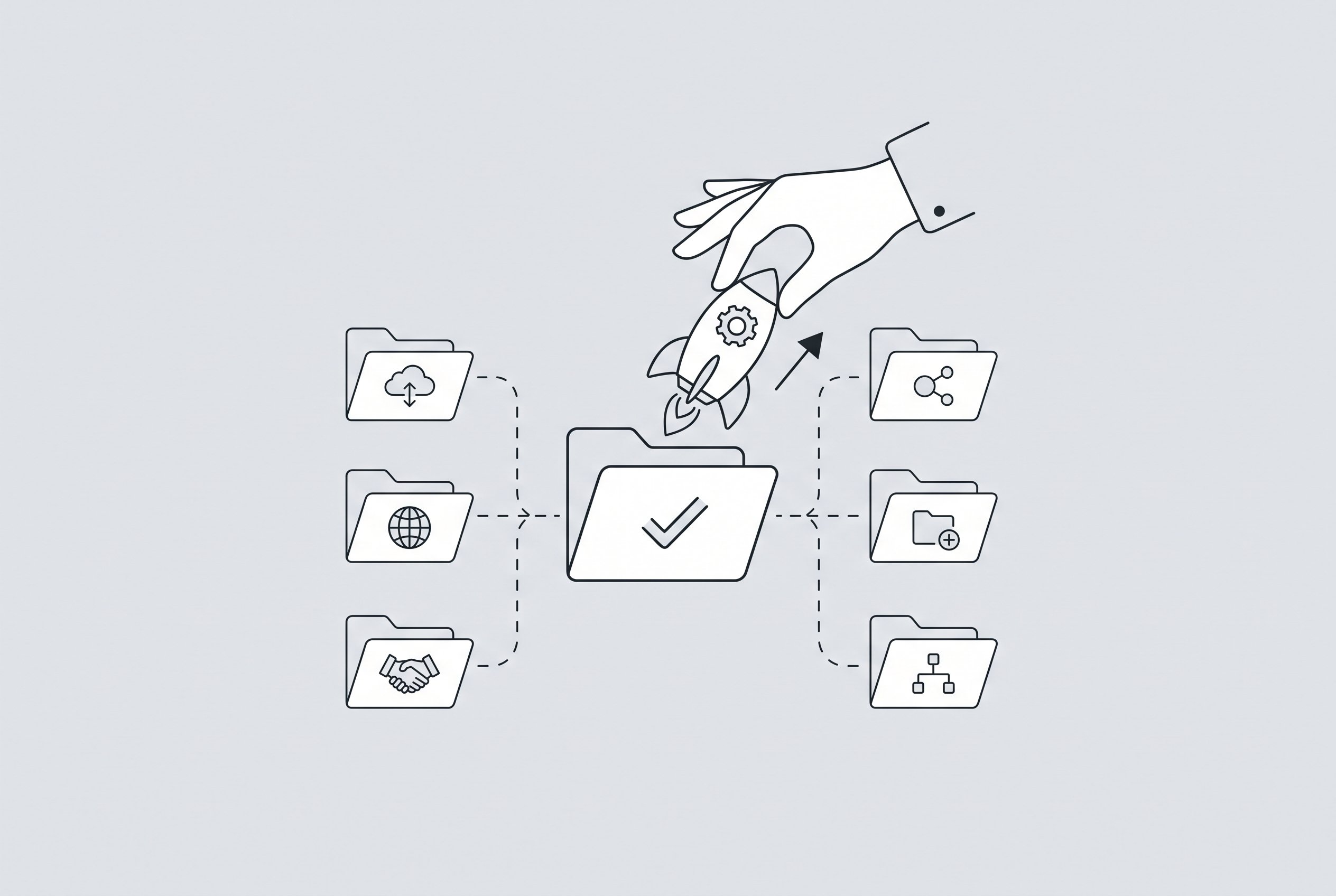
Around 50 million new startups are established every year. This means roughly 137,000 startups launch globally every single day. Standing out in this crowded market requires a highly tactical approach to online visibility. Submitting your startup to directories increases discoverability, attracts early adopters, and catches the eye of potential investors. However, many founders struggle with where to begin or how to optimize their submissions for maximum impact.
The rules of discovery have fundamentally changed. Today, an AI-first submission strategy is required to get noticed. With AI landing 80% of venture dollars in 2026, optimizing for intelligent search engines is no longer optional. This guide from Startup OG walks you through the exact process to get listed effectively. You will learn how to prepare your materials, choose the right platforms, and build a strong, future-proof foundation for your early-stage venture.
Prerequisites and Tools Needed
Before filling out a single form, gather all necessary assets into a centralized document. This prevents inconsistencies across platforms. Compile your core startup details first. Include your official company name, website URL, physical address, and a high-quality logo in multiple formats. You also need crisp, high-resolution screenshots of your product interface. Capture your main dashboard, a mobile view, and your most unique feature.
Modern search dynamics require a major shift in preparation. Generative Engine Optimization (GEO) is the practice of optimizing digital content to be accurately cited by AI models like ChatGPT and Perplexity. While 68% of all online journeys still start with search, a massive 18 to 64 percent of organic traffic is now impacted by AI Search Generative Experience. Your startup details must be perfectly clear for these AI agents to read and categorize.
Create accounts on your target directory platforms well in advance of your launch date. Many sites require older, verified accounts to submit products or upvote peers. Getting this administrative work out of the way early saves critical time on launch day. Founders who take this preparatory step seriously see better outcomes. In fact, 59% of startups report a positive ROI from premium directory listings when they pair those placements with active community engagement. Prepare your materials thoroughly to ensure your baseline presence meets these current standards.
Research and Select Relevant Directories
Not all directories offer the same value to early-stage founders. Your goal is to identify high-quality platforms that match your specific startup stage and industry niche. Start by searching for free and paid directories popular with indie hackers. For 2026, your strategy must heavily include AI-specific platforms. The top AI directories based on domain authority and traffic include Product Hunt, There's An AI For That (TAAFT), LaunchBoosts, Futurepedia, and Toolify.ai. Traditional databases like Crunchbase remain essential for investor-facing profiles.
Prioritize platforms with strong domain authority and highly relevant categories. However, traditional SEO metrics are only part of the equation today. In 2026, AI directory crawlability determines platform value just as much as domain rating. The best directories allow AI agents like OpenAI's SearchGPT to easily scrape, process, and cite your listing in user queries.
Filter your options by location, industry, and specific submission requirements. Niche platforms often yield better conversion rates than massive, generalized sites. Businesses report a 42% increase in referral traffic after submitting to highly specific, industry-focused directories. Note deadlines or approval timelines for each directory on your list. Directory listings function as a major part of your brand authority strategy, not just a simple link-building tactic. Focusing on quality listings with complete profiles delivers measurable results far beyond a temporary traffic spike.
Prepare Your Startup Information
Consistency is the secret to successful directory placements. Search engines use Entity Recognition to understand exactly who you are and what you offer. When your startup's information matches perfectly across thirty different platforms, Google's Knowledge Graph confidently identifies your new brand as a legitimate entity.
Write a concise 100 to 200-word description highlighting your core value proposition. Avoid technical jargon. Explain exactly what your product does, who it helps, and the specific problem it solves. Next, select relevant tags and categories for better discoverability. This is where you apply the revenue keyword submission hack. Instead of using generic descriptions, target bottom-funnel keywords in your tag fields. Terms like "competitor alternatives" or "best category tools" capture users with high purchase intent.
Gather all contact details and founder information. Many modern directories require verified LinkedIn profiles to prevent spam submissions. Draft a unique pitch tailored to different directory audiences. A technical breakdown works well on developer-focused sites, while a business-case pitch performs better on SaaS directories. The top Google result captures 9.28% of clicks, but optimizing your directory listings allows you to piggyback on high-authority sites that already rank for your target terms.
Submit to Free Startup Directories
Complete your submissions on no-cost platforms first. This secures quick wins and builds initial momentum for your brand. Fill out each directory form with the exact, consistent information you prepared earlier. Upload required assets and verify that all links work correctly before hitting submit. Broken links immediately trigger rejections from human moderators.
A community-first launch timeline integrates your directory submissions with peer feedback loops. Do not submit your startup everywhere on the exact same day. Stagger your listings over a few weeks. Launch on one platform, gather user feedback, refine your messaging, and then move to the next directory. On major platforms, this community engagement is vital. Top products on Product Hunt in 2026 receive an average of 3,000 to 7,000 upvotes, driven heavily by active community participation rather than a passive listing.
Submit your profiles and immediately save confirmation emails or reference numbers. Track every submission in a simple spreadsheet. Include the date, URL, login credentials, and current approval status. Directory submissions remain highly effective, but they are easy to execute poorly. The real value comes from manual, thoughtful placement on sites that actually matter to your specific niche.
Explore Paid and Premium Directory Options
Once you exhaust free options, evaluate paid listings for additional exposure. Premium directories often provide guaranteed approval times, featured homepage placements, and valuable dofollow backlinks. Compare the pricing and benefits of these featured spots carefully. Choose directories with strong organic traffic and active founder audiences to maximize your return.
Small businesses should allocate $300 to $800 monthly for premium directory management to maintain competitive visibility. Submit your payment and confirm your listing activation immediately. B2B buyers conduct heavy pre-purchase research on third-party sites long before they visit your website or speak to a sales representative. A premium listing on a major review site puts your product directly in their line of sight during the evaluation phase.
Monitor performance metrics closely after your paid listings go live. Track referral traffic, signup conversions, and backlink acquisition in your analytics dashboard. Keep your expectations realistic regarding timelines. Quality directory placements typically show measurable SEO results within 30 to 90 days. Use UTM parameters on all your premium directory links to accurately measure which platforms deliver the highest return on investment.
Common Mistakes to Avoid
Rushing the submission process leads to errors that delay approvals or permanently reduce listing quality. Avoid submitting incomplete or inconsistent information. Missing details signal low quality to directory moderators and AI crawlers alike. Take the extra five minutes to fill out optional fields like social media links or founder bios.
Roughly 22% of startups fail specifically due to poor marketing and visibility, a problem often exacerbated by inconsistent brand data scattered across the web. Do not ignore directory-specific guidelines and categories. If a platform asks for a 50-word description, do not paste a 500-word essay. Skip duplicate submissions to the same platform entirely. Creating multiple profiles for the same product triggers spam filters and results in permanent account bans.
Refrain from using overly promotional language in your descriptions. Focus on concrete features and benefits rather than claiming to be the "best" or "revolutionary." While automated software can save time, manual submissions are strictly preferred for high-authority platforms. Search engines value diverse backlink profiles, and directory links function best as complementary elements rather than standalone tactics. Manual entry ensures your profile completeness satisfies both human moderators and search algorithms.
Troubleshooting Submission Issues
Even with perfect preparation, you will encounter roadblocks during the submission process. If a listing is rejected, do not panic. Read the rejection notice carefully, fix the specific issues mentioned, and resubmit with corrections. Contact directory support directly if you experience unusual approval delays lasting longer than four weeks.
Watch out for directory decay. This is the gradual loss of SEO value and brand trust caused by outdated or broken information across various online listings. Update broken links, pricing changes, or outdated descriptions promptly. Stale listings hurt your credibility with users and signal to search engines that your business might be inactive. Directory link building remains highly effective when focused on platforms with strict editorial oversight. These sites actively prune dead links, making your active, updated listing more valuable over time.
Turn to peer communities for advice on rejections. Other indie hackers have likely faced the exact same moderation hurdles. They can share the specific phrasing or formatting required to get approved on strict platforms. Treat your directory profiles as living documents that require ongoing maintenance as your startup evolves.
Conclusion
Submitting your startup to directories is a foundational step for early-stage growth and discovery. By carefully preparing your materials, targeting AI-friendly platforms, and avoiding common submission errors, you build a resilient online presence. Consistent, high-quality listings drive referral traffic and establish the entity recognition required for modern search visibility. Following these steps ensures your startup gains valuable exposure in an increasingly competitive market. Stay engaged with the Startup OG community to share your launch wins, gather feedback, and continue scaling your venture alongside fellow founders.
Loved this? Get more in your inbox.
Founder reads, weekly. Curated tools and growth tactics.
Get your tool featured in Distribution & Directories.
Sponsor a pillar block, get listed in the directory, or write a guest post. Pricing by inquiry.
Work with us →