The founder reading list
The Impact of Remote Work on Startup Culture and Growth
In this guide
Blog ad spot 1
Your product. Their next discovery.
One booking. Your ad across every blog article.
Book this spot
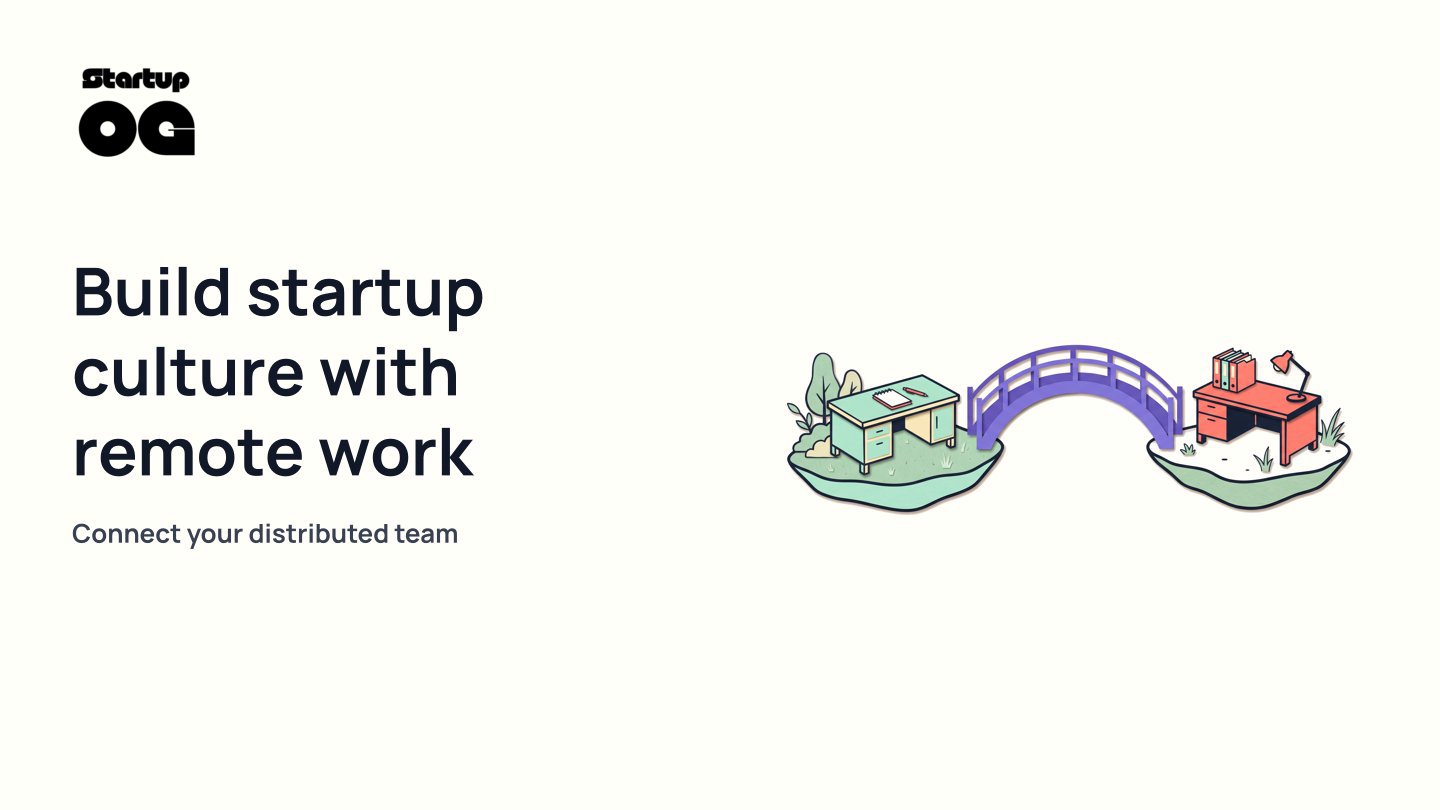
The transition to remote work has fundamentally altered the landscape of startup culture and growth. As businesses adapt to this new norm, it is essential to examine how remote working system influences team dynamics, productivity, and overall company culture. This blog will explore the implications of remote working system on startups, focusing on key aspects such as remote collaboration, hybrid models, and team productivity. Remote work allows startups to tap into a diverse global talent pool, reducing overhead costs associated with physical office spaces. However, this shift also necessitates a reevaluation of traditional practices related to communication, team dynamics, and company culture.
Understanding Remote Work in Startups

Remote system of work refers to a flexible working arrangement where employees perform their tasks from locations outside of a traditional office environment. This shift gained significant momentum during the COVID-19 pandemic, forcing many startups to adopt remote or hybrid models. According to Buffer’s 2023 State of Remote Work report, 82% of workers now engage in some form of remote system of work, highlighting a strong preference for this setup among employees.
Startups have embraced remote system for various reasons, including cost savings on physical office space and increased access to a global talent pool. However, the transition has not been without challenges.
The Influence of Remote Work on Startup Culture

1. Communication and Collaboration
Effective communication is the backbone of any successful startup, and remote system necessitates a rethinking of how teams interact. Traditional methods of communication—such as face-to-face meetings and spontaneous discussions—are often replaced by digital tools like Slack, Zoom, and Trello.
To counteract these challenges, startups must prioritize clear communication strategies. Regular check-ins, virtual team-building activities, and open channels for feedback can help maintain a cohesive team environment. For instance, companies like Frank have adopted always-on video channels to foster continuous engagement among team members.
2. Building a Remote-First Culture

Creating a strong startup system in a remote environment requires intentional effort. Founders must establish core values that resonate with their teams while promoting inclusivity and transparency. A well-defined remote system policy can serve as a guiding framework for employees, ensuring everyone adheres to the same communication methods and expectations. Moreover, cultivating an adaptable culture is crucial in a remote setting. Startups should encourage employees to embrace new technologies and workflows that enhance productivity while allowing for flexibility in how tasks are completed. This adaptability not only helps teams navigate the challenges of remote system but also fosters resilience—a vital trait for any growing startup.
Hybrid Work Models: A Balanced Approach

Many startups are now adopting hybrid system models that combine remote and in-office work. This approach offers several benefits:
- Flexibility: Employees can choose where they work best, whether at home or in the office.
- Enhanced Collaboration: In-person interactions can be scheduled for brainstorming sessions or important meetings, allowing for deeper engagement.
- Work-Life Balance: Hybrid models support better work-life balance by reducing commute times while still providing opportunities for social interaction.
However, managing hybrid teams requires careful planning. Leaders must ensure that both remote and in-office employees feel included in discussions and decision-making processes. This can be achieved through regular updates and transparent communication about company goals and progress.
Team Productivity in a Remote Environment

The impact of remote system on team productivity has been widely debated. Some studies suggest that people working in remote system experience increased productivity due to fewer distractions commonly found in traditional office settings
For example, employees can tailor their work environments to suit their preferences, leading to higher job satisfaction. However, challenges such as isolation and communication barriers may hinder productivity if not addressed effectively. Startups should implement strategies to monitor performance while encouraging autonomy among team members. Regular feedback sessions can help identify areas for improvement while reinforcing accountability.
Conclusion: Embracing Change for Growth
The shift towards remote system presents both challenges and opportunities for startups aiming for growth in an increasingly digital world. By prioritizing effective communication, fostering a strong remote culture, and adopting flexible hybrid models, startups can navigate this transition successfully. As we move forward, it is essential for startup leaders to remain open-minded about the evolving nature of work. Embracing change will strengthen startup system—ultimately driving growth and innovation in an ever-changing business landscape. In summary, while remote system poses unique challenges to startup culture and growth, it also offers unprecedented opportunities for flexibility and efficiency.
Blog ad spot 2
Your product. Their next discovery.
One booking. Your ad across every blog article.
Book this spotPut it into practice
- Download the goal-setting template →
A CSV worksheet with metrics, owners, milestones and review dates.
- Create an invoice →
Add your business details and logo, then save a PDF for your client.
- Explore productivity tools →
Compare tools for organizing work and reducing repetitive tasks.
Keep a good thing going
A little founder fuel.
Tools, stories, and useful reads. One email a week.