Meeting Startup Responsibilities to Stakeholders
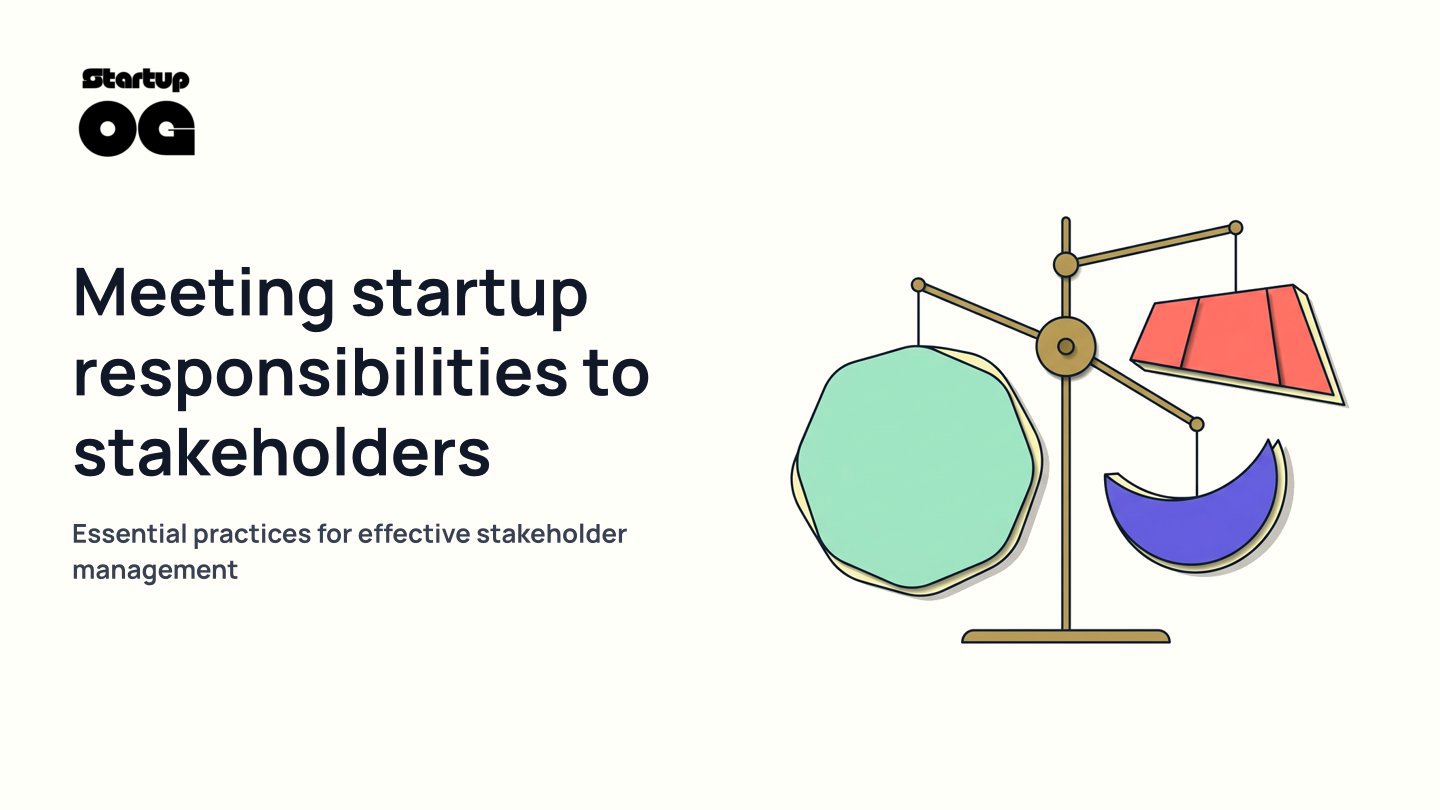
Business Responsibility to Stakeholders: A Guide for Founders
Introduction
Business responsibility to stakeholders creates a system where a company meets the needs of everyone involved in its operations. It is not just about making money for investors. It involves caring for employees, customers, suppliers, and the local community.
If you are a founder asking why this matters, the answer is simple. Ignoring the people who impact your business leads to failure. But listening to them builds a strong foundation for growth in 2026.
Many early-stage founders make a big mistake. They focus only on their product or their shareholders. They forget the wider web of people who help them succeed. This narrow view can hurt your brand reputation quickly.
Experts note that balancing stakeholder needs and business goals is the secret to long-term survival. When you respect your stakeholders, they respect you back. This creates loyalty and trust that money cannot buy.
In this guide, you will learn exactly who your stakeholders are. You will learn how to map their influence. We will also show you how to manage their expectations without losing your mind.
Identifying Your Startup's Key Stakeholders
You cannot manage what you do not know. The first step in responsible business is identifying key stakeholders for your startup. Many founders think this list is short. They are often wrong.
Your stakeholders are more than just the people who buy your product. They are the engine behind your entire operation. If one part of the engine fails, the car stops moving.
Who are your stakeholders?
It is easy to miss groups that do not pay you directly. However, they still have power over your success.
Academic sources define this clearly. Stakeholders include employees, customers, suppliers, communities, and investors with legitimate claims on business actions, according to OpenStax.
Here is a simple breakdown of who you need to watch:
- Internal Stakeholders: Your employees, co-founders, and managers.
- External Stakeholders: Customers, suppliers, creditors, and the government.
- Community Stakeholders: Local neighbors and online groups.
Each group has different needs. Your employees want fair pay and safety. Your customers want a working product. Your suppliers want to be paid on time.
Pro Tip: Create a simple list today. Write down every person or group that touches your business. Do not leave anyone out.
The cost of ignoring them
What happens if you ignore a key group? The results can be bad.
If you ignore employees, they leave. If you ignore suppliers, you run out of stock. If you ignore the community, you might face bad press.
This is why identifying your startup’s key stakeholders early is vital. It prevents surprise problems down the road. It helps you build a shield against risk.
Mapping Stakeholder Influence and Interest
Once you know who they are, you must rank them. Not every stakeholder has the same power. Some can stop your business tomorrow. Others have little impact.
You need a system to sort them out. This process is called mapping stakeholder influence and interest. It helps you focus your limited time on the right people.
Using the Power/Interest Grid
There is a proven tool for this. It helps you see who needs the most attention.
Industry experts use the Power/Interest Grid to prioritize stakeholders by high power and high interest for active engagement, notes SimplyStakeholders.
Here is how you can use it:
- High Power, High Interest: Manage these people closely. (e.g., Major investors, key customers).
- High Power, Low Interest: Keep them satisfied. (e.g., Government regulators).
- Low Power, High Interest: Keep them informed. (e.g., Employees, community fans).
- Low Power, Low Interest: Monitor them. (e.g., General public).
If you are unsure how to start this chart, you are not alone. You can check our blog for mapping templates to make this process easier. Visual tools make it clear who matters most right now.
Why prioritization matters
You have limited time. You cannot talk to everyone every day.
Mapping helps you spot risks fast. If a "High Power" stakeholder is unhappy, you must act now. If a "Low Power" stakeholder complains, you can wait a little longer.
This is not about being mean. It is about being smart with your resources. It ensures the most critical voices are heard first.
Building Trust Through Stakeholder Engagement
Trust is the currency of business. Without it, you have nothing. Building trust through stakeholder engagement is how you keep your allies close.
Engagement means more than sending an email once a year. It means having a real conversation. It means showing them that you care about their needs.
Strategies for consistent engagement
Consistent communication stops rumors. When people know what is happening, they feel safe.
The data backs this up. Projects with high stakeholder engagement have a 78% success rate compared to just 40% with low engagement, reports Zoe Talent Solutions.
That is a huge difference. It nearly doubles your chance of winning.
Here are simple ways to engage:
- Surveys: Ask for opinions regularly.
- Updates: Send monthly newsletters about company progress.
- Meetings: hold town halls for employees.
If you want to hear how others do this, you should listen to founder stories in our podcast. Real founders share how they kept their teams and investors aligned during tough times.
Handling stakeholder feedback concerns
Listening is only half the job. You must also act. When someone gives feedback, acknowledging it is key.
If a customer complains, fix it. If an employee has an idea, explore it. This shows you value their input. It turns critics into fans.
Key Insight: You do not have to say "yes" to every request. But you must explain "why" if you say no.
Fulfilling Your Business Responsibility to Stakeholders
This is where ethics come into play. Fulfilling your business responsibility to stakeholders often means making hard choices.
Sometimes, what is good for profits is bad for people. A responsible founder knows where to draw the line. This is the core of ethical considerations for startup founders.
Balancing stakeholder needs and business goals
You will face conflicts. Investors want profit. Employees want raises. Customers want lower prices. You cannot please everyone perfectly.
However, finding a middle ground is essential. Balancing these expectations fosters trust, innovation, and long-term growth, according to DeMar Consulting.
When you balance needs well, the company grows sustainably. Everyone gets a piece of the win.
If you struggle with these tough choices, you can hear ethical dilemmas discussed on the podcast. It helps to know you are not the first person to face these problems.
Transparent communication with stakeholders
Honesty is your best weapon. When things go wrong, say so.
Transparent communication with stakeholders prevents panic. If you try to hide bad news, it always leaks out. When it does, trust is broken forever.
Being open about challenges shows strength. It invites stakeholders to help solve the problem. It turns them from observers into partners.
Startup OG: Your Partner in Responsible Business
Building a company the right way is hard work. You do not have to do it alone. At Startup OG, we believe in the power of community.
We help founders like you navigate the complex world of business responsibility. We provide the tools you need to build a startup that lasts.
Resources for building a sustainable startup
Sustainability is not just a buzzword. It is a survival strategy.
Academic research indicates that ethical practices from inception attract talent and ensure compliance, states American Public University.
Good people want to work for good companies. Ethical behavior is a magnet for top talent.
We have curated guides to help you. You can explore our blog for deep dives on sustainable practices. Learn how to build a culture that people are proud to join.
Learn from experienced founders
Experience is the best teacher. But learning from your own mistakes is expensive. It is cheaper to learn from others.
Data shows that integrating stakeholder feedback increases product adoption by 30%, as noted by Zoe Talent Solutions.
This proves that listening pays off. Founders who ignore this often build products nobody wants.
We bring these lessons to you. Our platform connects you with those who have walked this path before. Use their knowledge to speed up your journey.
Future-Proofing Your Stakeholder Relationships
The business world changes fast. What works in 2026 might not work in 2030. You need to think ahead.
Long-term stakeholder relationship management is about evolving together. As your company grows, your stakeholders' needs will change.
Adapting to new expectations
People today care more about social issues. They look at your supply chain. They look at your carbon footprint.
You must stay ahead of these trends. Being reactive is dangerous. Being proactive wins loyalty.
Community support for ethical business
Your community is a safety net. When you treat them well, they defend you.
Community support for ethical business creates a buffer during hard times. A loyal community will forgive a mistake if they know your heart is in the right place. Focus on giving back, and the support will follow.
Frequently Asked Questions
What represents a key business responsibility to stakeholders?
Your main duty is to run the business ethically while considering the impact of your decisions on all groups. This includes ensuring fair treatment, safety, and honest communication for everyone involved.
How do I identify my startup's stakeholders?
Start by listing everyone who affects or is affected by your business actions. This includes internal groups like employees and external ones like customers, suppliers, and the local community.
Why is mapping stakeholder influence important?
Mapping helps you prioritize who needs the most attention based on their power and interest. Tools like the Power/Interest Grid allow you to focus resources effectively on high-priority groups.
Can ignoring stakeholders hurt my business?
Yes, ignoring them can lead to project failure, bad reputation, and loss of revenue. Studies show that low engagement results in a much lower project success rate of only 40%.
How does transparency help with stakeholders?
Transparency builds trust and stops rumors from spreading during difficult times. When stakeholders feel informed, they are more likely to support your decisions and help you solve problems.
What is the best way to handle conflicting stakeholder needs?
You should aim for a balance rather than trying to please everyone perfectly. Prioritize based on your business values and communicate clearly about why certain decisions were made.
Where can I find tools for stakeholder management?
You can find many templates and guides online to help manage these relationships. For specific templates on mapping and planning, you can check our blog for mapping templates.
Conclusion
Your business responsibility to stakeholders is the foundation of your success. It is not a burden. It is an opportunity to build a stronger company.
By identifying key stakeholders for your startup and mapping their influence, you see the full picture. You move from guessing to knowing. This clarity allows you to act with confidence.
Remember to balance stakeholder needs with your goals. Use transparent communication to build trust. Engage with your community honestly.
If you start today, you will see the difference. Your employees will be happier. Your customers will be more loyal. Your investors will see you as a leader.
Do not wait for a crisis to start listening. Start now. Build a business that people are proud to support.
Ready to take the next step on your journey? Visit Startup OG for more tools and stories. Let’s build something great together.
Loved this? Get more in your inbox.
Founder reads, weekly. Curated tools and growth tactics.
Get your tool featured in Operations & Team.
Put your product in front of the founders reading this every week — features, spotlights and directory listings.
Work with us →