Product Hunt Launch Checklist for Solo Founders Guide
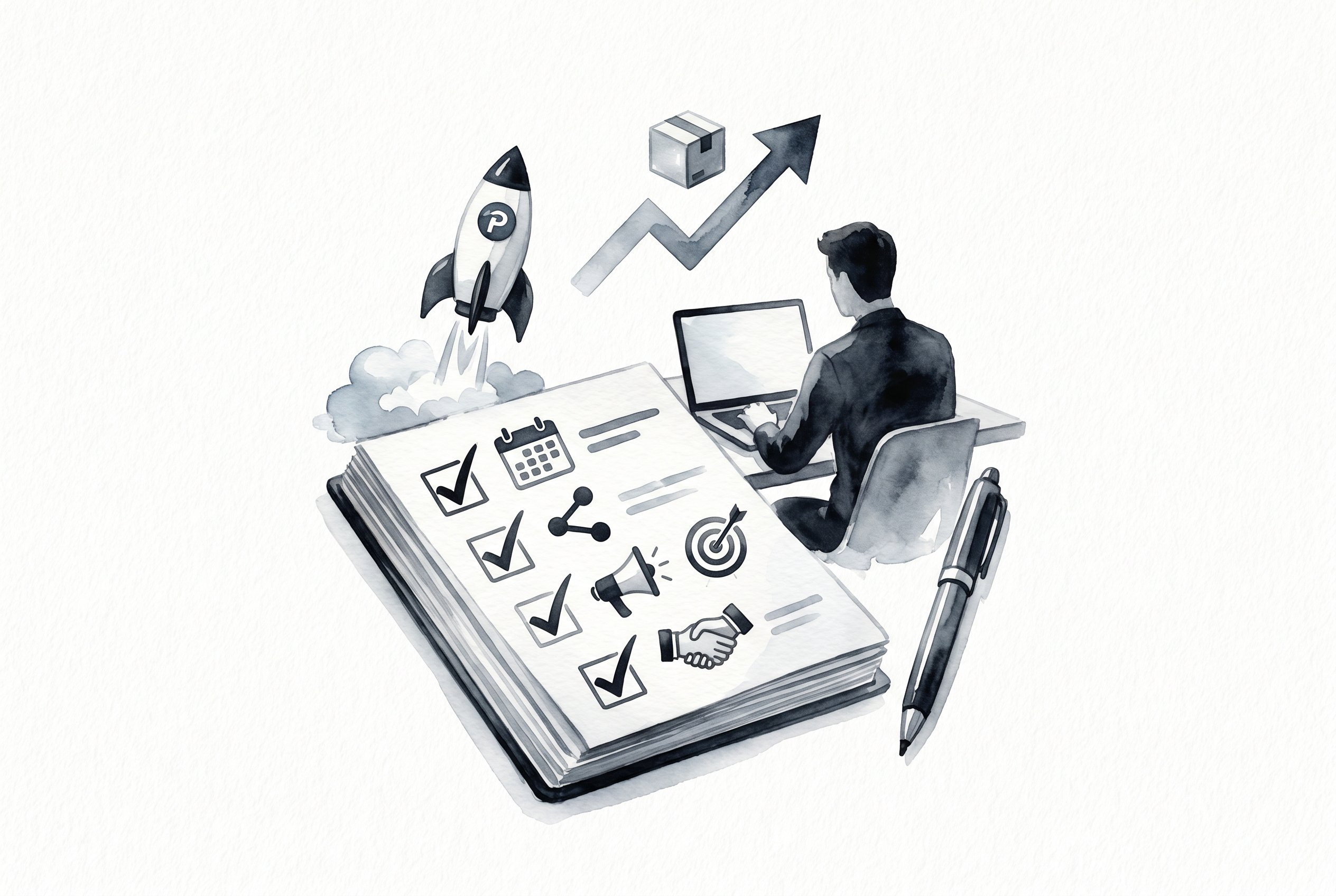
Launching a new product as an individual builder brings unique challenges. You compete for attention against heavily funded teams with dedicated marketing departments. Winning this battle requires a smarter approach. Enter the Solo Velocity framework. This method prioritizes authentic community seeding and high-engagement automation over raw upvote volume.
Following a strict product hunt launch checklist solo founder framework helps build confidence and improves outcomes dramatically. You eliminate the guesswork that causes many indie hackers to stumble on launch day. At Startup OG, we see early-stage founders succeed daily by applying these exact principles to their product releases. This guide breaks down the precise steps required to turn your solo launch into a sustainable growth engine.
What is a Product Hunt Launch for Solo Founders
A Product Hunt launch acts as a community-driven product showcase. It drives initial users, secures critical feedback, and builds early brand momentum. Solo founders handle all aspects from preparation to engagement without a dedicated team. This limitation actually creates an advantage. Authenticity wins on this platform.
Most startups fail here for a surprisingly simple reason: lack of clarity and velocity. You need to explain why you matter in one sentence. If users cannot understand your value proposition within three seconds, they scroll past.
The environment has shifted recently. The platform experienced a 47% drop in average upvotes per product, meaning raw numbers matter less than deep engagement and niche relevance. Design tools currently stand out with an average of 396 upvotes per launch and a high success rate for securing Product of the Day. As a solo maker, your goal is not to break upvote records. Your goal is to attract highly targeted users who will actually test your software, report bugs, and eventually pay for your solution.
How Product Hunt Launches Work
Products go live at midnight Pacific Time. They rise based on upvotes, comments, and reviews. The algorithm heavily favors early momentum from makers and active community members. But the mechanics have evolved significantly from previous years.
The system now relies on weighted upvotes based on user trust and identity. Votes from active, long-term users count significantly more than newly created accounts. Solo founders must coordinate pre-launch outreach to seed initial support naturally.
Do not share direct links to your launch page on social media. The algorithm actively penalizes this behavior to prevent manipulation. Upvotes from direct external links trigger a "black box" penalty, where the system gives minus points to users who register just to upvote. Instead, ask your supporters to visit the main homepage and search for your product name internally. This signals organic discovery to the algorithm and protects your ranking.
Key Concepts and Terminology
You need to understand the platform's specific terminology to execute your strategy effectively. The Maker is the founder or builder posting the product. The Hunter refers to a community member who submits and promotes products to their followers.
Karma represents a user's reputation score. You earn it through meaningful comments, daily activity, and successful launches. A high karma score increases the weight of your upvotes and comments.
The algorithm also uses the streak system to verify user authenticity. A streak shows consecutive days of platform activity. High karma and long streaks signal to the algorithm that a user's vote should carry maximum weight. In the past, finding a top-tier hunter was mandatory. Today, the maker's direct engagement and personal streak matter just as much. Solo founders should spend at least two weeks building their own streak and karma before attempting to launch.
Pre-Launch Preparation Steps
Preparation dictates success. The traditional "Coming Soon" teaser pages are gone. You must now use the Ship toolkit or place a custom badge on your own landing page to collect emails. Treat the preparation phase seriously.
Launching is a 6-week project, not a one-day event. Finalize product assets including high-contrast screenshots, a clear tagline, and a short demo video. Open a 30-day teaser window to gather early interest and build a dedicated waitlist.
A number one ranking is a critical revenue driver engineered through 60% or more of traffic coming from pre-built waitlists. Build relationships with potential hunters and indie communities weeks in advance. Set up tracking for analytics and prepare response templates for common questions. Having templates ready prevents you from typing the same answers repeatedly during the busiest hours of your launch day.
Day-of Launch Checklist
Post your product exactly at 12:01 AM PST. This timing maximizes your exposure window for the full 24-hour cycle. Managing the entire day alone often causes severe burnout. You must maintain momentum without exhaustion.
The solution is the 2-2-2 solo comment rule. Reply to every single comment within 2 minutes for the first 2 hours. Then, shift to replying every 20 minutes for the next 4 hours. Finally, check in every 2 hours for the remainder of the day. This pattern signals high maker engagement to the algorithm while allowing you brief breaks to eat and rest.
Share the launch across personal networks and relevant forums promptly, remembering to avoid direct links. Successful launches typically drive 2,000 to 10,000 visitors on launch day. Monitor your server capacity closely. Many solo founders secure the top spot only to watch their website crash under the sudden influx of traffic.
Post-Launch Strategies and Follow-Up
The initial 24 hours end, but the real work continues. Conversion decay is a massive problem for solo founders. Traffic spikes dramatically on launch day but often fails to convert into paying users over the following week.
The average conversion rate for launches sits at 3.1%. Fix this by optimizing your landing page specifically for this audience before you launch. Offer an exclusive discount code prominently at the top of your site. Capture emails immediately if users are not ready to buy.
Collect and implement user feedback rapidly. Over 54% of founders establish valuable partnerships in the days following a successful launch. Respond to late comments, send thank-you emails to your waitlist supporters, and analyze performance data to refine future marketing efforts. The feedback gathered here will shape your product roadmap for the next six months.
Real-World Examples and Use Cases
Solo success stories provide a practical blueprint for action. Indie tools routinely gain thousands of users through authentic storytelling. Founders who share their raw, unfiltered building process connect deeply with the community.
SaaS products use community feedback loops post-launch for rapid iteration. One solo builder achieved a 50% reduction in signup CPA simply by maintaining an active presence in the comments section for a full week after launch. By answering technical questions publicly, they built immense trust with potential buyers.
Mobile apps frequently convert this initial visibility into mainstream press coverage. Journalists monitor the top products daily looking for new trends. A strong finish can lead to organic features in major tech publications, compounding your initial traffic spike into months of steady user acquisition.
Benefits and Importance of a Checklist
Structured preparation separates successful launches from forgotten ones. A clear checklist reduces last-minute stress. It ensures no critical steps are missed during the chaotic launch window.
This systematic approach directly increases your chances of reaching the top of the leaderboards. Founders using a clear framework report a 42% increase in sales post-launch compared to those who wing it. When you document your process, you free up mental bandwidth to focus on actual user conversations instead of worrying about broken links or missing graphics.
Following a checklist also creates a reproducible system. Most founders will launch multiple products or major version updates over their careers. Having a documented standard operating procedure makes the second and third launches infinitely easier to manage alone.
Common Misconceptions Clarified
Several myths derail solo founder launches. Many believe paid promotion or buying upvotes is necessary to win. Organic community building works far better and costs nothing. The algorithm easily detects and punishes paid voting rings.
Some assume only perfectly polished products succeed. The community actually values early access and the ability to shape a product's direction. Launching an MVP (Minimum Viable Product) with a few rough edges is perfectly acceptable if the core utility solves a real problem.
Founders often think one launch is enough. Viewing your launch as a single event limits your growth. It should act as one piece of an ongoing acquisition strategy. You can launch major updates (version 2.0, 3.0) every six months. Each subsequent launch builds upon the audience and momentum generated by the previous one.
Conclusion
Launching successfully requires discipline, strategic timing, and authentic engagement. Following a complete product hunt launch checklist solo founder framework removes the guesswork from the process. Focus on genuine interactions, respect the algorithm's preference for trusted users, and execute your pre-launch waitlist strategy flawlessly.
Your goal is not just to survive the 24-hour launch window. Your goal is to use that concentrated attention to build a sustainable user base. The Startup OG community provides the peer collaboration and resources needed to turn that initial launch spike into long-term business growth. Plan carefully, engage actively, and watch your solo project gain the visibility it deserves.
Loved this? Get more in your inbox.
Founder reads, weekly. Curated tools and growth tactics.
Get your tool featured in Founder Spotlight.
Sponsor a pillar block, get listed in the directory, or write a guest post. Pricing by inquiry.
Work with us →