inDrive alternatives
5 products compared · Updated October 16, 2026
The short answer
The three strongest inDrive alternatives are Uber for fixed, upfront fares and global consistency. Bolt for a multi-service super-app with broad European and global coverage. And Grab for Southeast Asian businesses needing an integrated ecosystem of rides, deliveries, and payments. Choose based on your region and whether you prioritize predictable pricing, service variety, or regional depth.
Your shortlist, at a glance
Read the comparisons ↓- UUberNot publishedRiders and drivers who prefer fixed, upfront fares and a consistent experience across many cities worldwide.
- LLyftNot publishedRiders and drivers in North America who want a reliable, well-known platform with scheduled pickups and business travel support.
- BBoltNot publishedUrban users and businesses in Europe and beyond who want ride-hailing plus delivery, car-sharing, and scooter rentals in a single app.
- GGrabNot publishedBusinesses and users in Southeast Asia who need ride-hailing, delivery, and payments from a single provider.
- YYangoNot publishedRide-hailing and logistics operators in emerging markets who want a single platform for mobility, delivery, and business services.
About inDrive and its alternatives
inDrive is a ride-hailing platform that lets passengers and drivers negotiate the fare directly, with additional services like delivery, cargo, and loans. It is known for its fair pricing model and social impact initiatives.
When comparing alternatives, weigh pricing structure (fixed vs. negotiated), regional availability, range of services, integration options for businesses, and contract terms. Most alternatives do not publish pricing, so you may need to contact sales or check in-app estimates.
Explore the alternatives
- UNot published
1.Uber
Best for: Riders and drivers who prefer fixed, upfront fares and a consistent experience across many cities worldwide.
- Pricing
- Not published
- Category
- Other
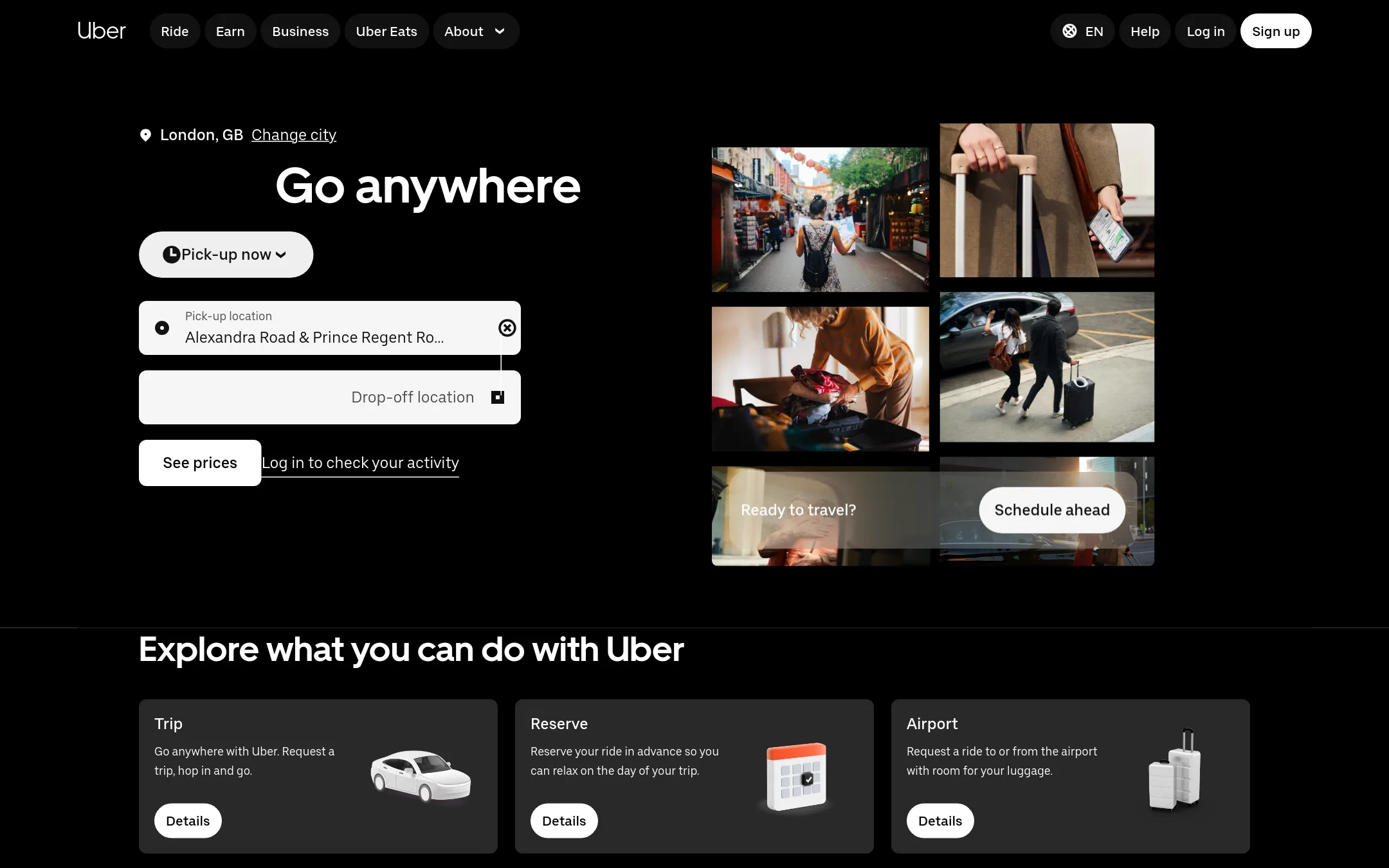
Uber is a global ride-hailing platform with a fixed fare model, whereas inDrive lets passengers and drivers negotiate the price. Choose Uber when you want predictable pricing, a large driver network, and standardized safety features rather than inDrive's bargaining approach.
Where it is strong
- Fixed upfront fares, no negotiation needed
- Wide global availability in many cities
- Standardized safety features and driver verification
Where it falls short
- Fares can be higher than negotiated rates on inDrive
- Less flexibility for drivers to set their own prices
- Pricing:
- Pricing is not published on the site.
- LNot published
2.Lyft
Best for: Riders and drivers in North America who want a reliable, well-known platform with scheduled pickups and business travel support.
- Pricing
- Not published
- Category
- Other
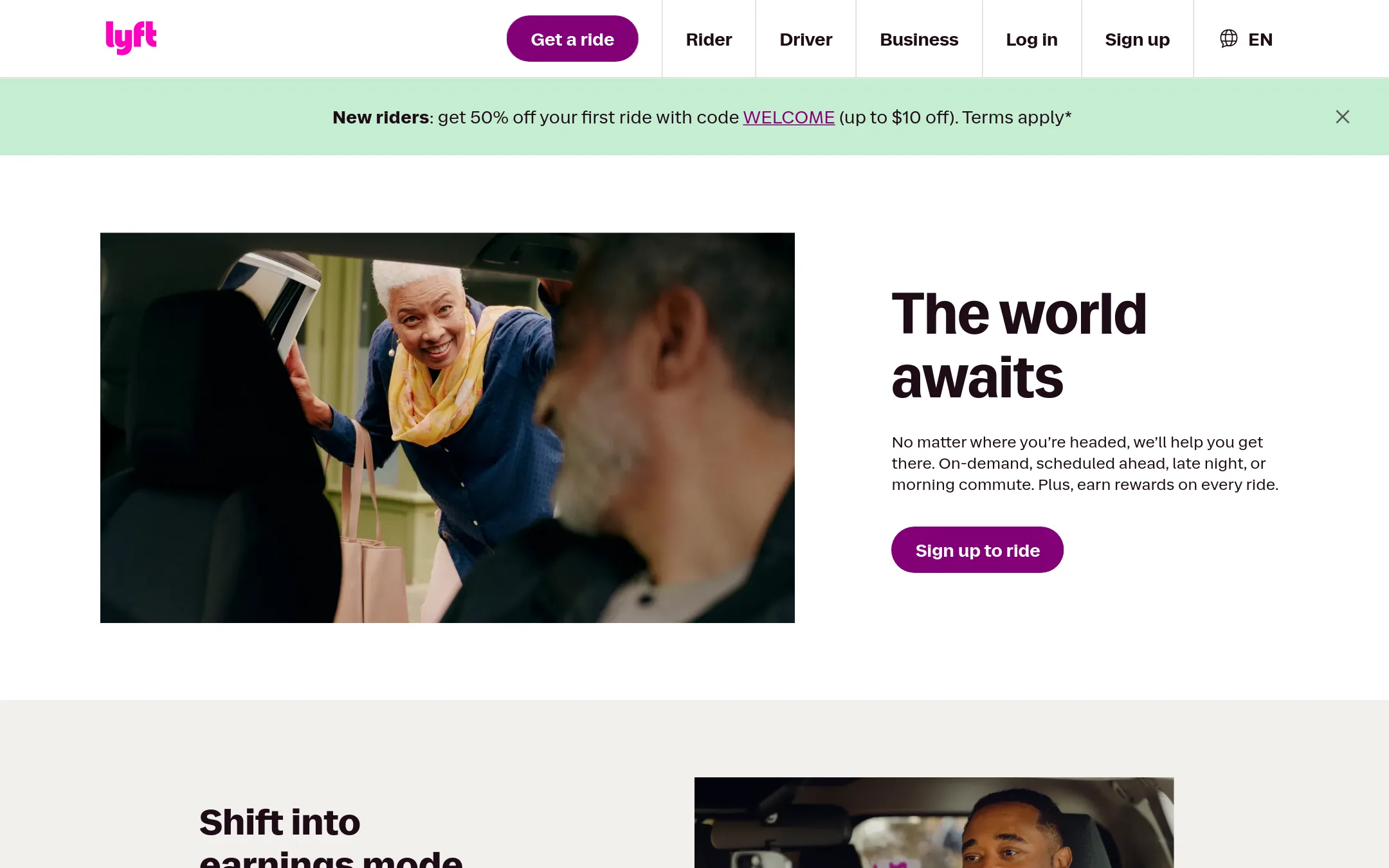
Lyft is a mainstream ride-hailing app in the U.S. and Canada with scheduled rides, business accounts, and a loyalty program. Choose Lyft instead of inDrive if you want a more standardized experience with predictable pricing and broader corporate features, rather than inDrive's negotiated fare model.
Where it is strong
- Scheduled rides and business accounts available
- Lyft Pink membership offers discounts and free cancellations
- Drivers keep 100% of tips and can cash out instantly
Where it falls short
- No fare negotiation feature like inDrive
- Limited to North America, not global
- Pricing:
- Pricing is not published on the site.
- BNot published
3.Bolt
Best for: Urban users and businesses in Europe and beyond who want ride-hailing plus delivery, car-sharing, and scooter rentals in a single app.
- Pricing
- Not published
- Category
- Other
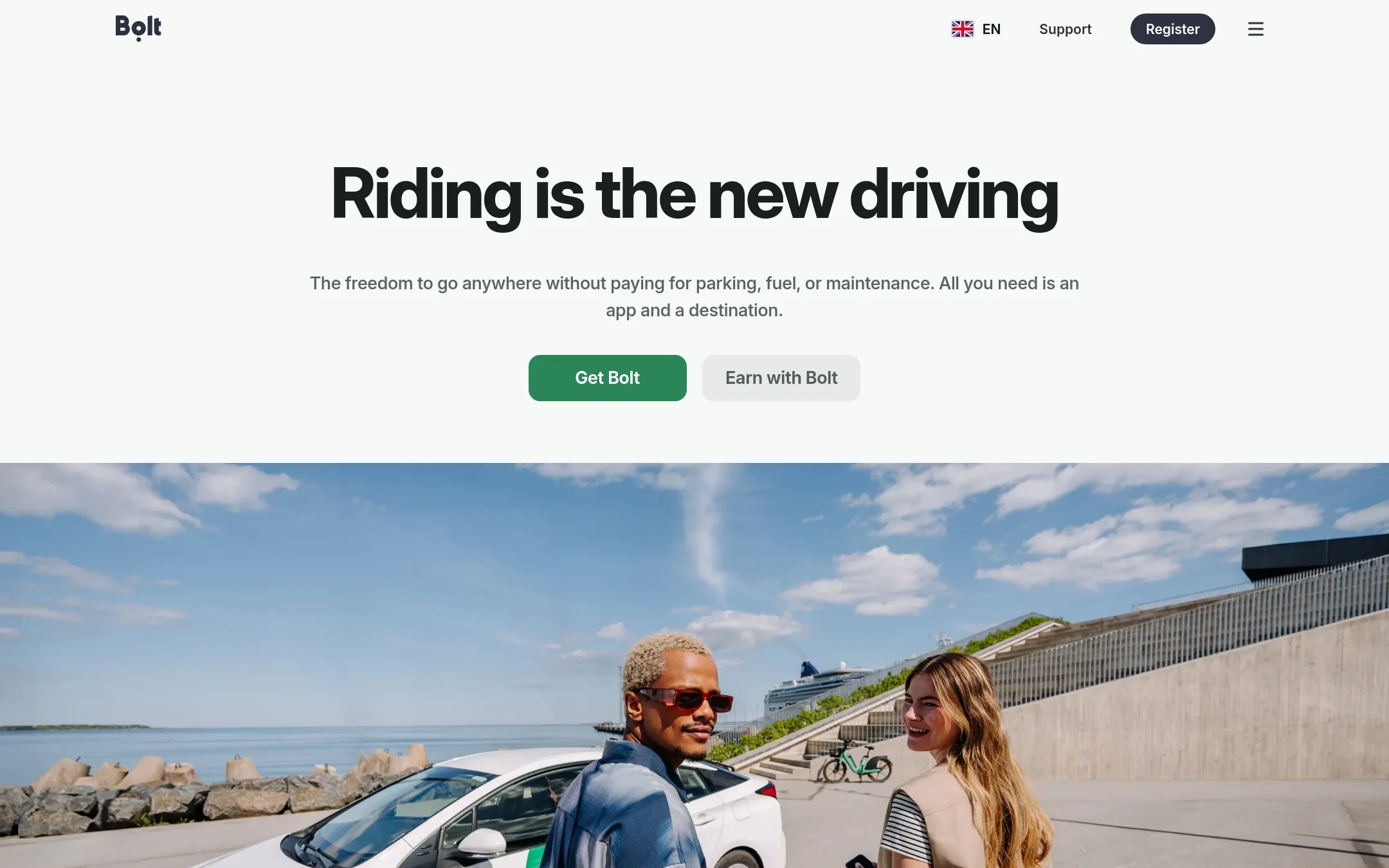
Bolt is a mobility super-app covering rides, delivery, car-sharing, groceries, and micromobility, so it suits users who want multiple services in one app. Choose Bolt over inDrive if you need broader service coverage and a larger global footprint across 850+ cities.
Where it is strong
- Available in 850+ cities and 50+ countries
- Multiple services: rides, delivery, car-sharing, groceries, micromobility
- Earn opportunities for drivers, couriers, merchants, and fleet owners
Where it falls short
- Features vary by country, so not all services may be available locally
- No fare negotiation like inDrive's agreed pricing model
- Pricing:
- Pricing is not published on the site.
- GNot published
4.Grab
Best for: Businesses and users in Southeast Asia who need ride-hailing, delivery, and payments from a single provider.
- Pricing
- Not published
- Category
- Other
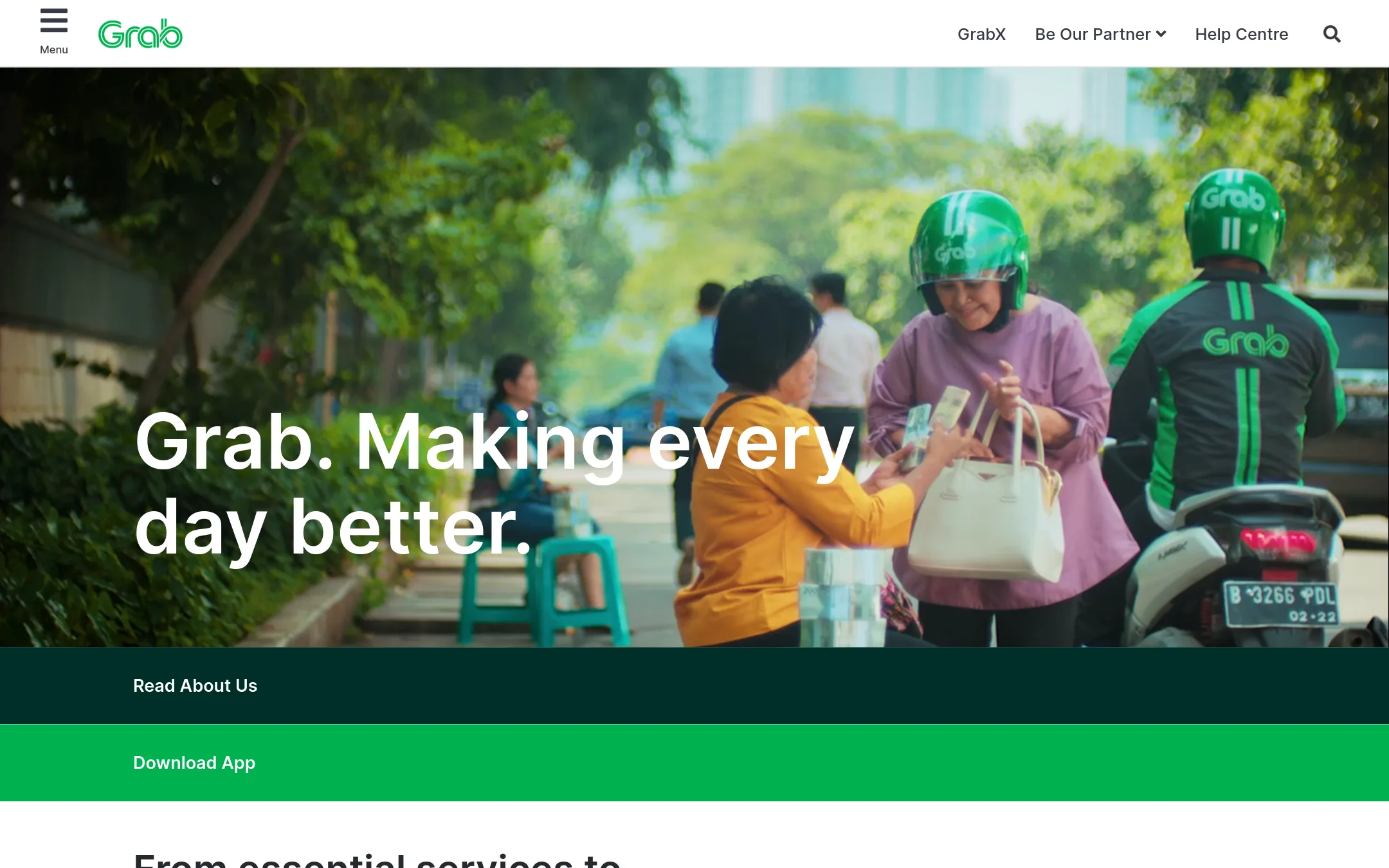
Grab is a Southeast Asian superapp covering rides, deliveries, food, and financial services in one platform. Choose it instead of inDrive if you operate in Southeast Asia and want a broader ecosystem with integrated payments and corporate tools.
Where it is strong
- Covers mobility, deliveries, food, and financial services in one app.
- Strong corporate offering with GrabForBusiness for employee rides and deliveries.
- Backed by regional partnerships and government initiatives in Singapore.
Where it falls short
- Limited to Southeast Asia. Not a global option like inDrive.
- No transparent pricing listed on the site, making cost comparison harder.
- Pricing:
- Pricing is not published on the site.
- YNot published
5.Yango
Best for: Ride-hailing and logistics operators in emerging markets who want a single platform for mobility, delivery, and business services.
- Pricing
- Not published
- Category
- Other
Yango is a ride-hailing app and broader tech ecosystem focused on adapting services to local needs across the Middle East, Africa, Latin America, and Europe. You would choose it instead of inDrive if you want a more integrated suite of services beyond rides, like delivery, entertainment, and business tools, and you operate in regions where Yango has a strong local presence.
Where it is strong
- Operates in 30+ countries across multiple continents
- Offers 10+ services beyond rides, including delivery and entertainment
- Partnership model supports business scaling and local economic growth
Where it falls short
- Pricing details are not publicly available
- Service availability varies by region, so not a global drop-in replacement
- Pricing:
- Pricing is not published on the site.
See more comparisons in Other alternatives.
FAQ
Questions about inDrive alternatives
Which inDrive alternative has the most global coverage?
Bolt operates in 850+ cities across 50+ countries, making it the broadest among the listed alternatives. Uber also has a wide global presence, but Bolt's footprint is explicitly stated as larger. If you need truly global reach, Bolt is the strongest choice.
Which alternative is best for businesses needing corporate accounts?
Lyft offers business accounts and scheduled rides, making it strong for North American corporate travel. Grab has GrabForBusiness for employee rides and deliveries in Southeast Asia. Uber also provides business solutions, though not detailed here.
Do any alternatives offer fare negotiation like inDrive?
No, none of the listed alternatives offer fare negotiation. Uber, Lyft, Bolt, Grab, and Yango all use fixed or dynamic pricing. If negotiation is essential, inDrive remains the only option among these.
Which alternative is best for Southeast Asia?
Grab is the clear choice for Southeast Asia, covering rides, deliveries, food, and financial services in one app. It also has strong corporate tools and regional partnerships. Other alternatives like Uber and Bolt have limited presence there.
Are there any alternatives with transparent pricing?
None of the listed alternatives publish their pricing on their websites. Uber and Lyft show upfront fares in the app, but not on their sites. For transparent pricing, you may need to check in-app estimates or contact sales.
Last updated October 16, 2026.