Natural Cycles alternatives
12 products to explore · 2026
Your shortlist, at a glance.
Read the comparisons ↓Check each product’s website for current pricing and features. A verified badge indicates a verified listing, not a ranking.
About Natural Cycles and its alternatives
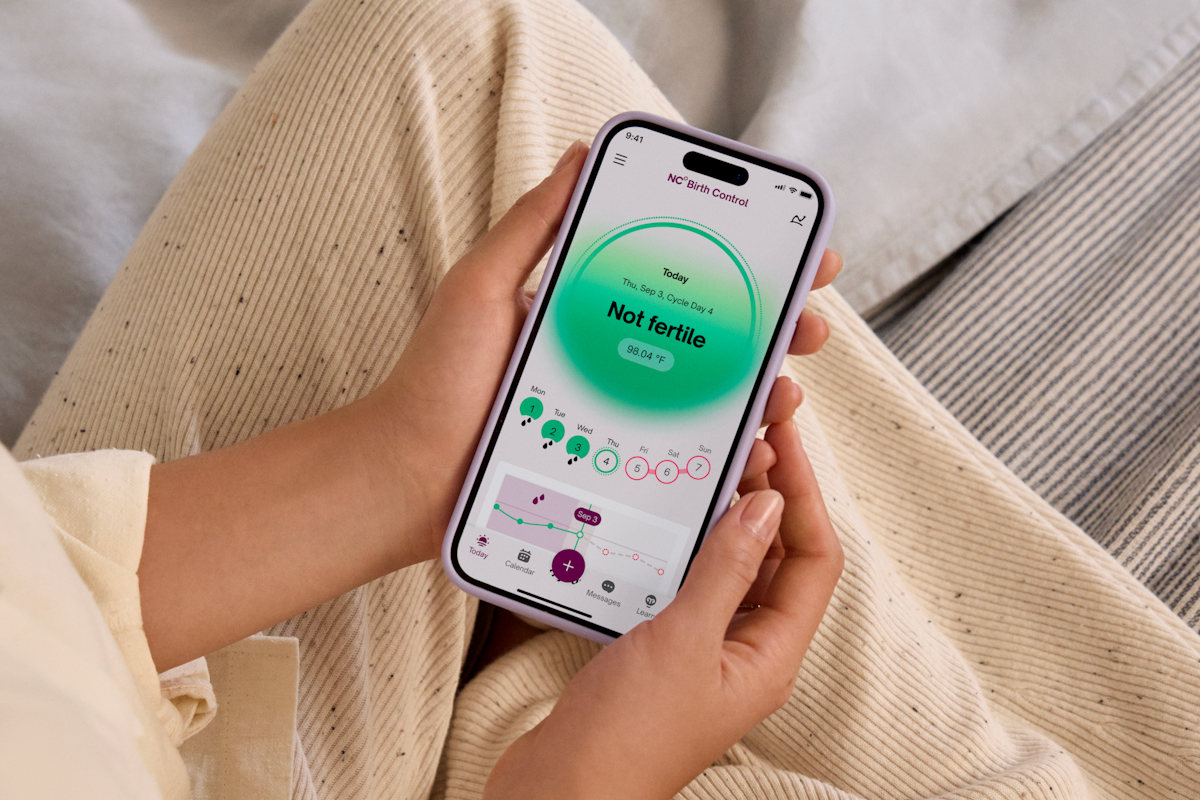
Users searching for Natural Cycles alternatives often want hormone-free birth control options that avoid daily pills or invasive devices while still offering reliable effectiveness data. Natural Cycles stands out by relying solely on basal body temperature and menstrual cycle tracking through an app, delivering 93% typical and 98% perfect use effectiveness without introducing synthetic hormones. People explore replacements when they seek different interfaces, additional fertility insights, community features, or lower ongoing costs. Common motivations include finding apps that integrate wearables more seamlessly, provide broader health tracking beyond contraception, or support personalized coaching. Alternatives range from other period and fertility apps to dedicated natural family planning devices, each varying in algorithm sophistication, data inputs required, and regulatory clearances. Comparing these options helps users match their lifestyle, budget, and preference for app-only versus hardware-supported methods.
Explore the alternatives

1.Bellabeat
HealthcareTech-powered women's wellness.

2.twoplus fertility
HealthcareAn effective home-use fertility treatment for natural conception
- A
3.Ava Bracelet
HealthcareAdvanced bracelet technology for daily insights and monitoring.
4.Clue
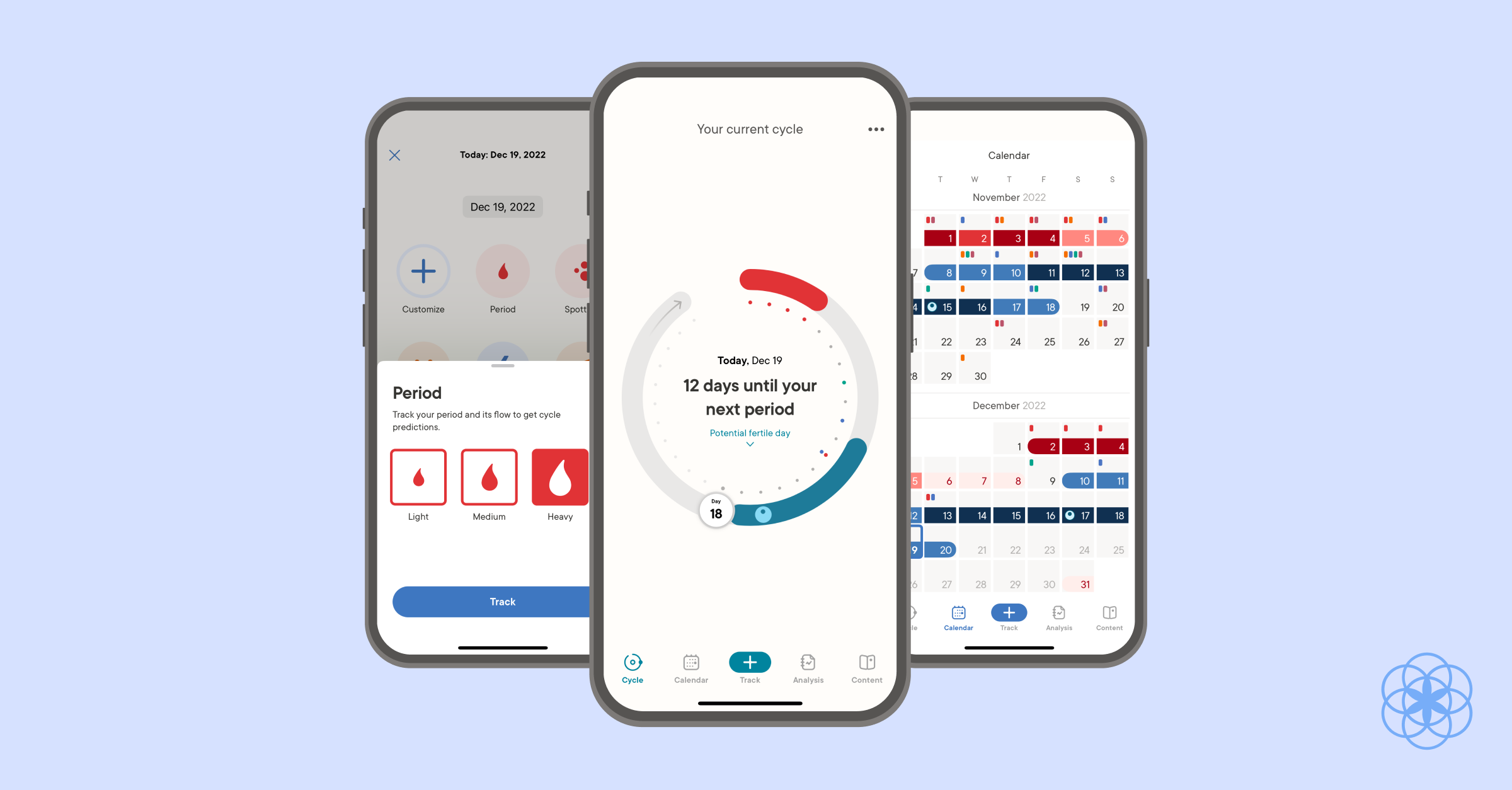
HealthcareScience-based period & cycle tracker with strong privacy focus
5.Fitbit
HealthcareMoniteurs d'activité et montres connectées pour suivre santé et fitness

6.Flo
HealthcareWorld’s #1 period, ovulation & pregnancy tracker app
- G
7.Glow Fertility
HealthcareGlow Fertility

8.Kindara
HealthcareUnderstand your fertility with the Kindara app and community.

9.Mosie Baby
HealthcareFirst FDA-cleared at-home syringe insemination kit for comfortable conception on your terms.

10.Oura Ring
HealthcareSmart ring delivering sleep, fitness, stress and health insights

11.PherDal Fertility
HealthcareOnly Sterile FDA-Cleared At-Home Insemination Kit & Home IUI Alternative

12.Tempdrop
HealthcareWearable sensor and app for accurate sleep-tracked basal body temperature and ovulation charting.
See more comparisons in Healthcare alternatives.
Questions about Natural Cycles alternatives
What are the best Natural Cycles alternatives for avoiding hormones entirely?
Many users turn to other fertility awareness apps or devices such as Clue, Flo, or Daysy that also emphasize cycle tracking without synthetic hormones, though effectiveness claims and daily routines differ.
How does Natural Cycles compare to Clue on birth control effectiveness?
Natural Cycles publishes 93% typical and 98% perfect use rates from clinical studies while Clue focuses more on period prediction and does not market itself as a primary contraceptive method with equivalent regulatory clearance.
Are there cheaper alternatives to Natural Cycles subscription?
Some competing apps like Flo or Ovia offer robust free tiers or lower annual fees, though they may lack the specific contraceptive certification that Natural Cycles holds in certain markets.
Which Natural Cycles alternatives work with wearables like Oura Ring?
Apps such as Natural Cycles itself and some competitors integrate temperature data from wearables, but users should verify current compatibility and whether the app treats the data for contraceptive purposes.
Do any Natural Cycles alternatives include community support?
Flo and similar apps provide large user communities and forums alongside tracking, whereas Natural Cycles keeps a narrower focus on individual cycle data and medical-grade algorithms.
Is there a Natural Cycles alternative cleared as contraception in Europe and the US?
Few apps besides Natural Cycles hold explicit contraceptive clearances in both regions; most alternatives function primarily as trackers and advise combining with barrier methods for pregnancy prevention.