Alternatives to SolarAid — Charity delivering solar lights to fight poverty and climate change in Africa
People searching for SolarAid alternatives often want other trusted ways to fund clean lighting access in off-grid African communities. SolarAid stands out for combining charitable donations with a self-sustaining social enterprise model that trains local entrepreneurs, repairs lights, and runs Energy-as-a-Service pilots. Alternatives may focus more on pure product sales, different regions, or broader energy solutions without the same emphasis on last-mile healthcare clinics and school study lighting. Some prioritise corporate partnerships or microfinance structures, while others scale through pay-as-you-go hardware alone. Comparing these options helps donors and impact investors match their preferred balance of direct aid, enterprise building, and measurable outcomes such as kerosene savings, safer homes, and extended study hours for children.
SELCO FoundationSELCO Foundation designs and deploys solar solutions for health centers, schools and small farms across India. It emphasizes last-mile service networks and local technician training, differing from SunFarmer by operating at larger scale within one country and integrating livelihood programs such as solar-powered sewing or milling. Pricing is a hybrid of grants and affordable user contributions rather than pure donation; relevance is high for South Asian off-grid health and education projects.
SunFarmerSELCO Foundation designs and deploys solar solutions for health centers, schools and small farms across India. It emphasizes last-mile service networks and local technician training, differing from SunFarmer by operating at larger scale within one country and integrating livelihood programs such as solar-powered sewing or milling. Pricing is a hybrid of grants and affordable user contributions rather than pure donation; relevance is high for South Asian off-grid health and education projects.
d.lightd.light manufactures and sells solar lanterns and home systems via pay-as-you-go financing in Africa and Asia. Its commercial model contrasts with SunFarmer’s non-profit clinic focus, yet it serves many of the same unelectrified regions. Strengths include product durability data and massive distribution reach; it is less suited for institutional health-facility installations that require custom engineering and long-term maintenance contracts.
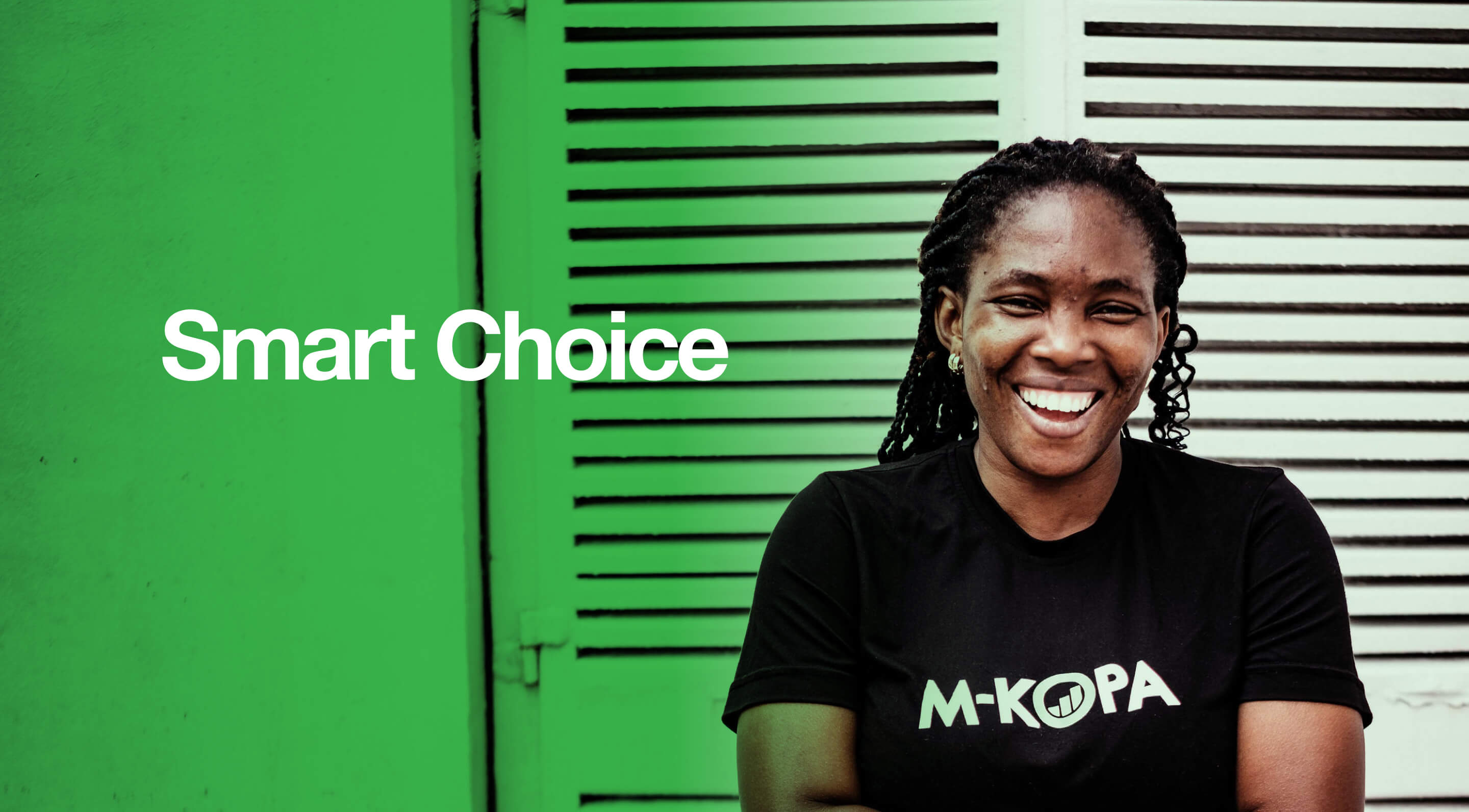
M-KOPAM-KOPA provides asset-financed solar home systems and water pumps across East Africa using mobile payments. Its scale and technology platform exceed SunFarmer’s project-based work, but it targets paying households rather than donor-supported public facilities. The comparison highlights trade-offs between commercial volume and targeted non-profit impact reporting on health and education metrics.
Grameen Shakti has installed hundreds of thousands of solar home systems in Bangladesh with an emphasis on rural women entrepreneurs as technicians. Its microfinance-linked model differs from SunFarmer’s grant-funded institutional projects; relevance is strong for organizations wanting community-based distribution and maintenance in South Asia.
One Acre FundOne Acre Fund supplies smallholder farmers with financing, training and solar pumps alongside seeds and fertilizer. While not a pure solar nonprofit, its agricultural focus overlaps SunFarmer’s water-pumping impact numbers. It operates at larger farmer scale with loan-based pricing rather than outright donations to schools or clinics.
Barefoot CollegeBarefoot College trains rural women as solar engineers who then electrify their own villages, primarily in India and Africa. Its grassroots training model contrasts with SunFarmer’s professional installation teams; it is relevant for funders prioritizing women’s empowerment alongside solar deployment in remote communities.
Power Africa is a USAID-led partnership that mobilizes private investment for utility-scale and mini-grid projects across sub-Saharan Africa. Its government and corporate focus differs from SunFarmer’s direct non-profit clinic installations; it suits stakeholders seeking policy-level or large infrastructure alternatives rather than individual facility projects.