Alternatives to Vedanta Biosciences — Advancing defined bacterial consortia for GI diseases
Users searching for Vedanta Biosciences alternatives are typically exploring microbiome-based therapies or live biotherapeutic products for recurrent C. difficile and other GI conditions. Vedanta stands out for its use of precisely defined bacterial consortia rather than fecal matter transplants or single-strain approaches, with an advanced clinical pipeline centered on VE303. Alternatives range from other LBP developers using different bacterial compositions to companies pursuing broader microbiome modulation strategies. Key decision factors include clinical data maturity, manufacturing consistency, regulatory pathway, and target indications. Researchers and clinicians often compare mechanisms of action, trial endpoints, and scalability of production when evaluating options alongside Vedanta's focused approach to restoring gut ecology through rationally selected consortia.
OpenBiomeSeres Therapeutics develops FDA-approved microbiome therapeutics such as SER-109 for recurrent C. diff. It offers a commercial, standardized product with clinical trial backing rather than investigational FMT. Strengths include regulatory clearance and scalable manufacturing. Compared to OpenBiome it operates on a paid model with insurance pathways instead of donation-supported access and focuses on drug approval over open research resources.
Seres Therapeutics develops FDA-approved microbiome therapeutics such as SER-109 for recurrent C. diff. It offers a commercial, standardized product with clinical trial backing rather than investigational FMT. Strengths include regulatory clearance and scalable manufacturing. Compared to OpenBiome it operates on a paid model with insurance pathways instead of donation-supported access and focuses on drug approval over open research resources.
Ferring PharmaceuticalsFerring acquired Rebiotix and markets RBX2660, an approved live biotherapeutic for C. diff. It provides regulated treatment through healthcare systems with defined dosing and safety monitoring. Unlike OpenBiome's foundation model, Ferring uses commercial pricing and distribution. It excels in late-stage clinical data but offers less emphasis on open grant funding or broad research infrastructure.
Finch Therapeutics works on microbiome therapies including CP101 for C. diff using spore-based approaches. It maintains a pipeline of investigational treatments and some data-sharing initiatives. Compared with OpenBiome it focuses more on proprietary development than open foundation resources and has faced typical biotech funding and regulatory timelines.
Mayo ClinicMayo Clinic runs extensive microbiome research and maintains FMT programs under current regulations. It supplies clinical care, trials, and educational resources for C. diff. Unlike the former OpenBiome model it integrates care within a major hospital system with insurance billing and offers less standalone open-access data repositories.
Microbiome Insights provides sequencing and analysis services for research institutions studying gut health. It supports academic and biotech projects rather than direct patient therapy. In contrast to OpenBiome it functions as a commercial lab service without grant-making or treatment access components.
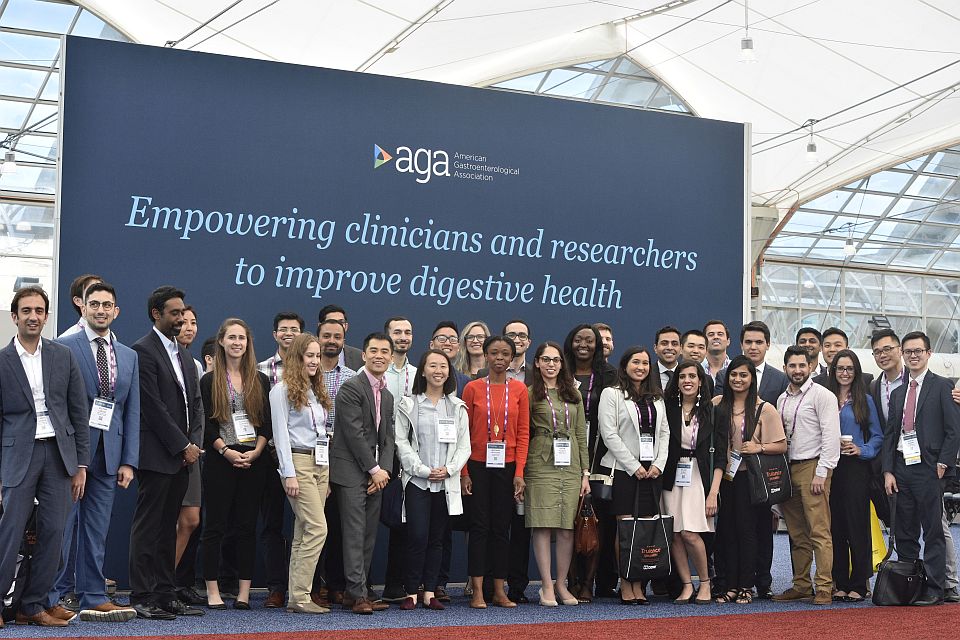
American Gastroenterological AssociationThe AGA funds microbiome research grants and issues clinical guidelines on C. diff and FMT. It emphasizes physician education and policy. Compared to OpenBiome it operates as a professional society with broader GI focus and does not run its own stool bank or direct therapy programs.
Various academic microbiome consortia share data and coordinate studies on C. diff therapies. They continue open-science efforts similar to OpenBiome's past resources. These groups differ by lacking direct treatment delivery and instead concentrate on collaborative publications and standardized protocols across institutions.
Evelo develops oral microbiome medicines targeting inflammatory and infectious conditions including C. diff-related research. It uses monoclonal microbial approaches in clinical trials. Relative to OpenBiome it is a venture-backed drug developer with no foundation-style patient access or donation model.
Second Genome applies microbiome analytics to drug discovery for multiple diseases. It partners with pharma on therapeutic programs rather than providing clinical FMT. Compared with OpenBiome it focuses on computational platforms and commercial partnerships without open patient treatment or grant distribution activities.