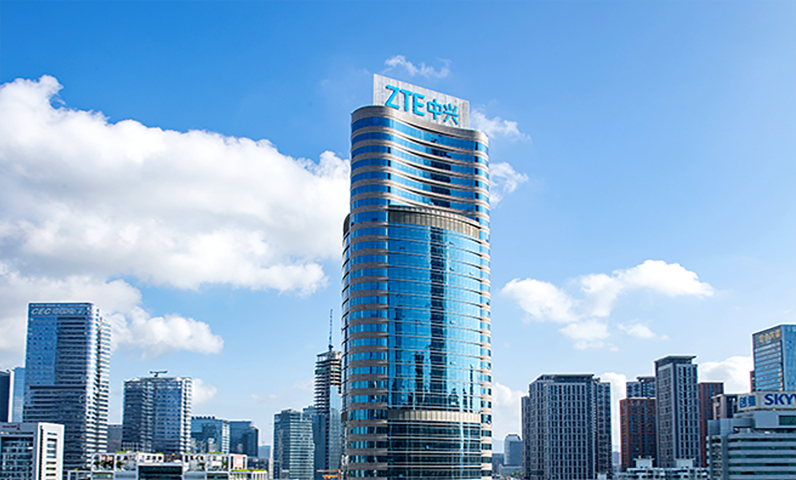
ZTE Digital Operations alternatives
5 products to explore · 2026
Your shortlist, at a glance.
Read the comparisons ↓| Product | Pricing | Explore |
|---|---|---|
| GGaiiaall-in-one operating system (OS) for telcos | See website | Compare |
| AAmdocsSoftware and services for service providers | See website | Compare |
 Huawei Digital OperationsEnterprise ICT infrastructure and cloud solutions for digital operations. Huawei Digital OperationsEnterprise ICT infrastructure and cloud solutions for digital operations. | See website | Compare |
 NetcrackerAI-powered BSS/OSS and digital transformation solutions for telecom operators NetcrackerAI-powered BSS/OSS and digital transformation solutions for telecom operators | See website | Compare |
| OOracle Cloud HPCHigh-performance computing on Oracle Cloud infrastructure | See website | Compare |
Check each product’s website for current pricing and features. A verified badge indicates a verified listing, not a ranking.
About ZTE Digital Operations and its alternatives
Users searching for ZTE Digital Operations alternatives typically need carrier-grade platforms that handle 5G network orchestration, AI-driven optimization, and large-scale digital transformation for telecom operators. ZTE Digital Operations focuses on integrated AI, connectivity, and digital utility tools that support green networks and private 5G deployments across global carriers. Alternatives often emphasize similar OSS/BSS capabilities, automated service provisioning, and multi-vendor network management but differ in ecosystem partnerships, deployment models, and regional support. Decision makers compare total cost of ownership, AI agent maturity, and proven large-scale rollouts in markets like Asia, Europe, and the Middle East. The right replacement depends on whether the priority is full-stack hardware integration, pure software flexibility, or specific 5G-Advanced features.
Explore the alternatives
- G
1.Gaiia
Communication & Networkingall-in-one operating system (OS) for telcos
- A
2.Amdocs
Development & ITSoftware and services for service providers
3.Huawei Digital Operations
Development & ITEnterprise ICT infrastructure and cloud solutions for digital operations.
4.Netcracker
Development & ITAI-powered BSS/OSS and digital transformation solutions for telecom operators
- O
5.Oracle Cloud HPC
Development & ITHigh-performance computing on Oracle Cloud infrastructure
See more comparisons in Development & IT alternatives.
Questions about ZTE Digital Operations alternatives
What are the best ZTE Digital Operations alternatives for mid-size telecom operators?
Mid-size operators often evaluate Amdocs, Netcracker, and Ericsson OSS/BSS suites that offer modular digital operations without requiring ZTE's full hardware stack, focusing on faster integration and lower upfront costs.
How does ZTE Digital Operations compare to Huawei in AI network management?
Both provide AI-centric platforms for green networks and 5G optimization, yet ZTE emphasizes broader multi-vendor compatibility while Huawei leans on tighter integration with its own radio and core equipment.
Can I replace ZTE Digital Operations with open-source tools for 5G operations?
Open-source options like ONAP or Magma cover orchestration basics but lack the enterprise-grade support, global deployment scale, and AI factory co-design that ZTE Digital Operations delivers for production carrier environments.
Which ZTE Digital Operations alternative is strongest for private 5G enterprise networks?
Nokia and Cisco stand out for private 5G with strong campus and industrial use-case focus, offering dedicated spectrum management and edge computing that differ from ZTE's carrier-first digital operations approach.
Is there a lower-cost ZTE Digital Operations alternative for emerging markets?
Vendors such as Mavenir and Rakuten Symphony provide cloud-native, disaggregated solutions that reduce hardware dependency and can lower TCO compared with ZTE's integrated carrier platform model.
What migration considerations exist when switching from ZTE Digital Operations?
Key factors include re-validating AI model accuracy on new platforms, ensuring continuity of 5G service assurance, and mapping existing digital utility workflows to the replacement vendor's orchestration layer.