Indiegogo alternatives
12 products compared · Updated October 17, 2026
The short answer
For regulated equity crowdfunding, Republic and StartEngine are the strongest alternatives, with Republic also supporting token offerings and StartEngine offering investments from $100. For creators seeking recurring revenue, Patreon is the best fit with its subscription model. Choose Republic for SEC-regulated raises across US, UK, and EU, StartEngine for accessible equity investing, or Patreon for ongoing fan support.
Your shortlist, at a glance
Read the comparisons ↓GoFundMeNo start fee + transacIndividuals and nonprofits raising money for medical bills, memorials, or community causes.
 Patreon10% of earningsCreators like podcasters, video makers, musicians, and artists who want a steady monthly income from their most engaged fans.
 FundlyFree, then $8.99/moNonprofits, schools, and community groups that want to combine fundraising with event sign-ups and volunteer coordination.
 StartEngineNot publishedStartups and growth companies seeking SEC-regulated equity crowdfunding from non-accredited investors.
FundableNot publishedStartups seeking private capital from accredited investors with a structured fundraising process.
- SSeedInvestSee websiteConnect with startup investment opportunities.
 RepublicNot publishedStartups seeking regulated equity crowdfunding or token offerings, and investors looking for private market access with low minimums.
 CrowdcubeNot publishedStartups and growing companies in Europe that want to raise equity funding from a broad investor base.
 ChuffedNot publishedNon-profits and social enterprises running social justice or community-focused campaigns that want a free platform.
- GGamefoundNot publishedBoard game and tabletop creators who want a crowdfunding platform with built-in pledge management and a community focused on gaming.
- CCrowd SupplyNot publishedHardware creators and open-source electronics projects that need a specialized crowdfunding and launch platform.
 CrowdfundrSee websiteOther
About Indiegogo and its alternatives
Indiegogo is a crowdfunding platform where creators launch campaigns to raise funds for projects, products, or causes. It is known for its flexible funding options, global reach, and integrated pledge management, making it a go-to for product pre-orders and creative ventures.
When comparing alternatives, weigh the funding model: rewards-based, equity, donation, or subscription. Also consider pricing structure, including platform fees and transaction costs, plus regional availability, integrations with tools like shipping or email, customer support quality, and contract terms like exclusivity or campaign duration.
Explore the alternatives
- No start fee + transac
1.GoFundMe
Best for: Individuals and nonprofits raising money for medical bills, memorials, or community causes.
- Pricing
- No start fee + transac
- Category
- E-commerce
GoFundMe is a donation-based fundraising platform for personal causes, emergencies, and nonprofits. Choose it instead of Indiegogo when you need to raise money for a personal need or charity, not a product or creative project.
Where it is strong
- No fee to start a fundraiser
- Optional donor tips cover platform costs
- Trusted for personal and charity causes
Where it falls short
- Transaction fee applies to each donation
- Not designed for product or project crowdfunding
- Pricing:
- In the United States, there is no fee to start a fundraiser, but a transaction fee is automatically deducted from each donation. Donors can also leave an optional tip.
- Switching from Indiegogo:
- Moving from Indiegogo means shifting from reward-based crowdfunding to donation-based fundraising, so you'll need to reframe your campaign as a cause rather than a product launch.
- 10% of earnings
2.Patreon
Best for: Creators like podcasters, video makers, musicians, and artists who want a steady monthly income from their most engaged fans.
- Pricing
- 10% of earnings
- Category
- E-commerce
Patreon is a membership platform where creators build a recurring revenue stream by offering exclusive content to fans. Choose it over Indiegogo when you want ongoing, subscription-based support from your audience rather than a one-time crowdfunding campaign.
Where it is strong
- Recurring membership model for predictable income
- Built-in tools for community, podcasts, and newsletters
- Patreon handles payments, taxes, and disputes for you
Where it falls short
- 10% platform fee is higher than Indiegogo's typical fees
- Not designed for one-time project funding or product pre-orders
- Pricing:
- Patreon is free to start, and you pay 10% of the income you earn, plus payment processing, currency conversion, and payout fees.
- Switching from Indiegogo:
- Moving from Indiegogo means shifting from a campaign-based model to a membership setup, so you'll need to set up tiers and migrate your audience to a subscription mindset.
- Free, then $8.99/mo
3.Fundly
Best for: Nonprofits, schools, and community groups that want to combine fundraising with event sign-ups and volunteer coordination.
- Pricing
- Free, then $8.99/mo
- Category
- E-commerce
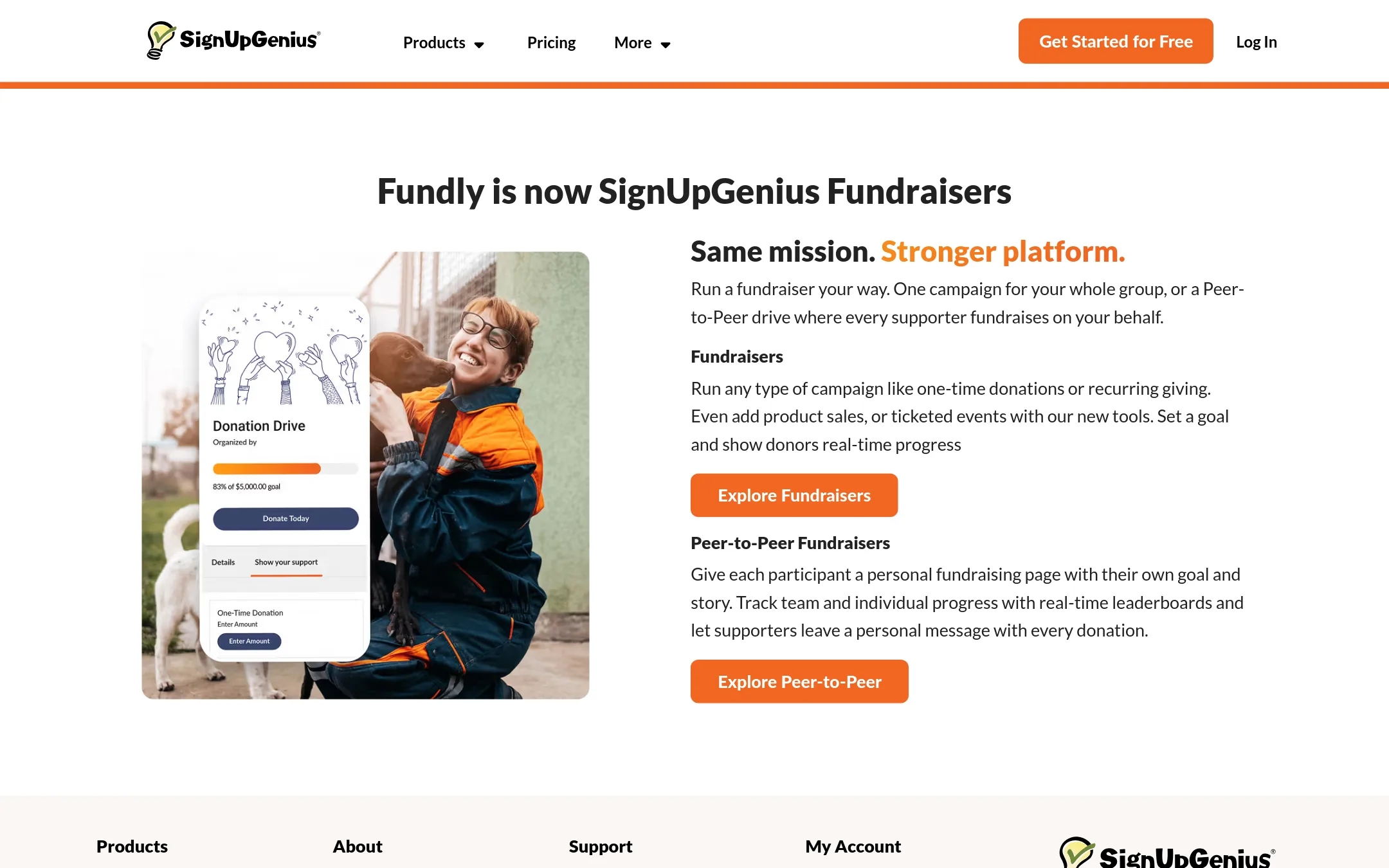
Fundly is now SignUpGenius Fundraisers, a platform for running donation campaigns, peer-to-peer fundraisers, product sales, and ticketed events. Choose it over Indiegogo if you need a fundraising tool that integrates with sign-up sheets and volunteer management, rather than a public crowdfunding marketplace.
Where it is strong
- Combines fundraising with sign-up sheets and event management.
- Peer-to-peer campaigns with individual pages and leaderboards.
- Multiple pricing tiers, including a free plan for small events.
Where it falls short
- Not a public crowdfunding marketplace, so you must drive your own traffic.
- Payment processing fees are higher than Indiegogo's typical rates.
- Pricing:
- Free plan available. Paid plans start at $8.99/month ($107.89/year) for Silver, $22.49/month ($269.89/year) for Gold, and $44.99/month ($539.89/year) for Platinum. Payment processing costs 3.95% + $0.95 for credit cards and 1.95% (minimum $1.00) for eChecks.
- Switching from Indiegogo:
- Moving from Indiegogo means setting up a new campaign on Fundly and migrating your donor list, but you can keep the same fundraising goal and story.
- Not published
4.StartEngine
Best for: Startups and growth companies seeking SEC-regulated equity crowdfunding from non-accredited investors.
- Pricing
- Not published
- Category
- E-commerce
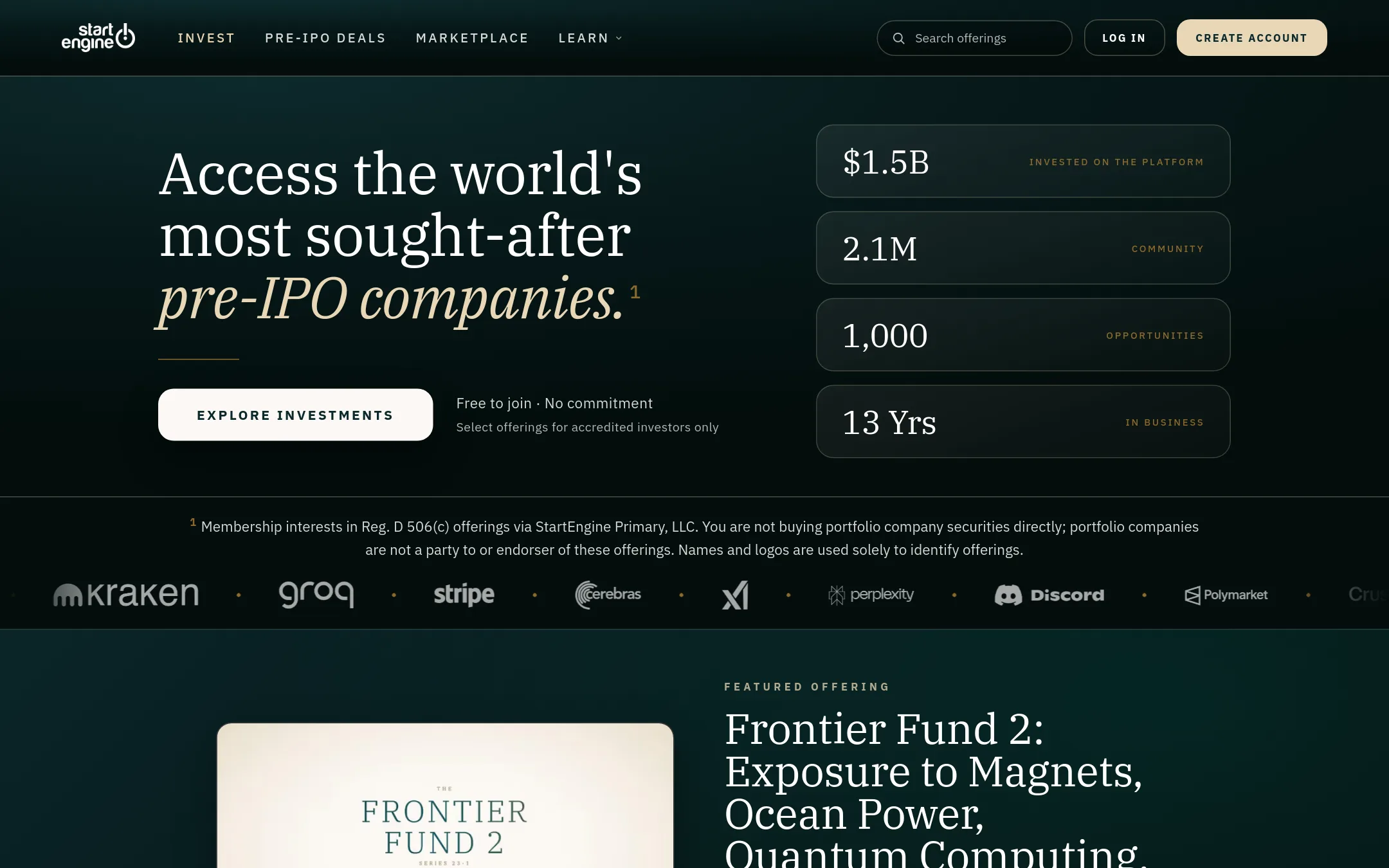
StartEngine is an equity crowdfunding platform where everyday investors can buy shares in private startups and growth companies. Choose it instead of Indiegogo if you want to raise investment capital by selling equity, not reward-based crowdfunding, and if your campaign is SEC-regulated.
Where it is strong
- Investments start as low as $100, making it accessible to non-accredited investors.
- Reg CF allows everyday investors to participate, not just venture capital firms.
- Mobile app available for iOS and Android to browse and invest on the go.
Where it falls short
- Pricing details are not publicly listed, so you must contact them for fee information.
- Investments are speculative and illiquid, with most startups failing and no guaranteed returns.
- Pricing:
- Pricing is not published on the site.
- Not published
5.Fundable
Best for: Startups seeking private capital from accredited investors with a structured fundraising process.
- Pricing
- Not published
- Category
- Finance & Accounting
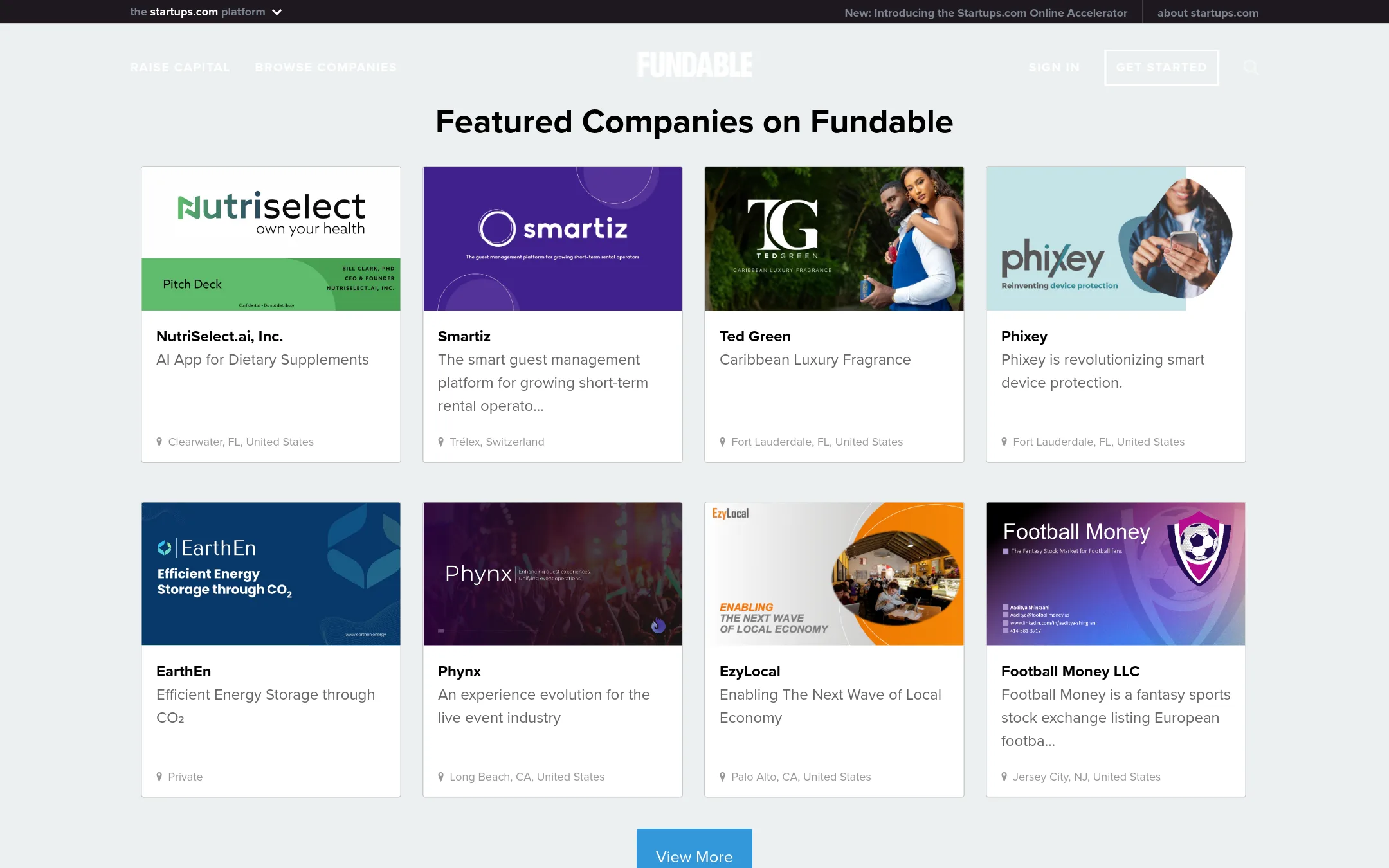
Fundable is a startup fundraising platform that connects founders with accredited investors, offering a secure data room and marketing outreach templates. Choose it over Indiegogo if you are raising capital from accredited investors rather than running a public crowdfunding campaign.
Where it is strong
- Access to 20,000+ accredited investors
- Secure data room for investor materials
- Includes Startups.com Accelerator membership
Where it falls short
- Pricing not transparent
- Email-only support
- Pricing:
- Pricing is not published on the site.
- SSee website
6.SeedInvest
E-commerce
Equity crowdfunding platform for accredited investors backing startups.
- Not published
7.Republic
Best for: Startups seeking regulated equity crowdfunding or token offerings, and investors looking for private market access with low minimums.
- Pricing
- Not published
- Category
- E-commerce
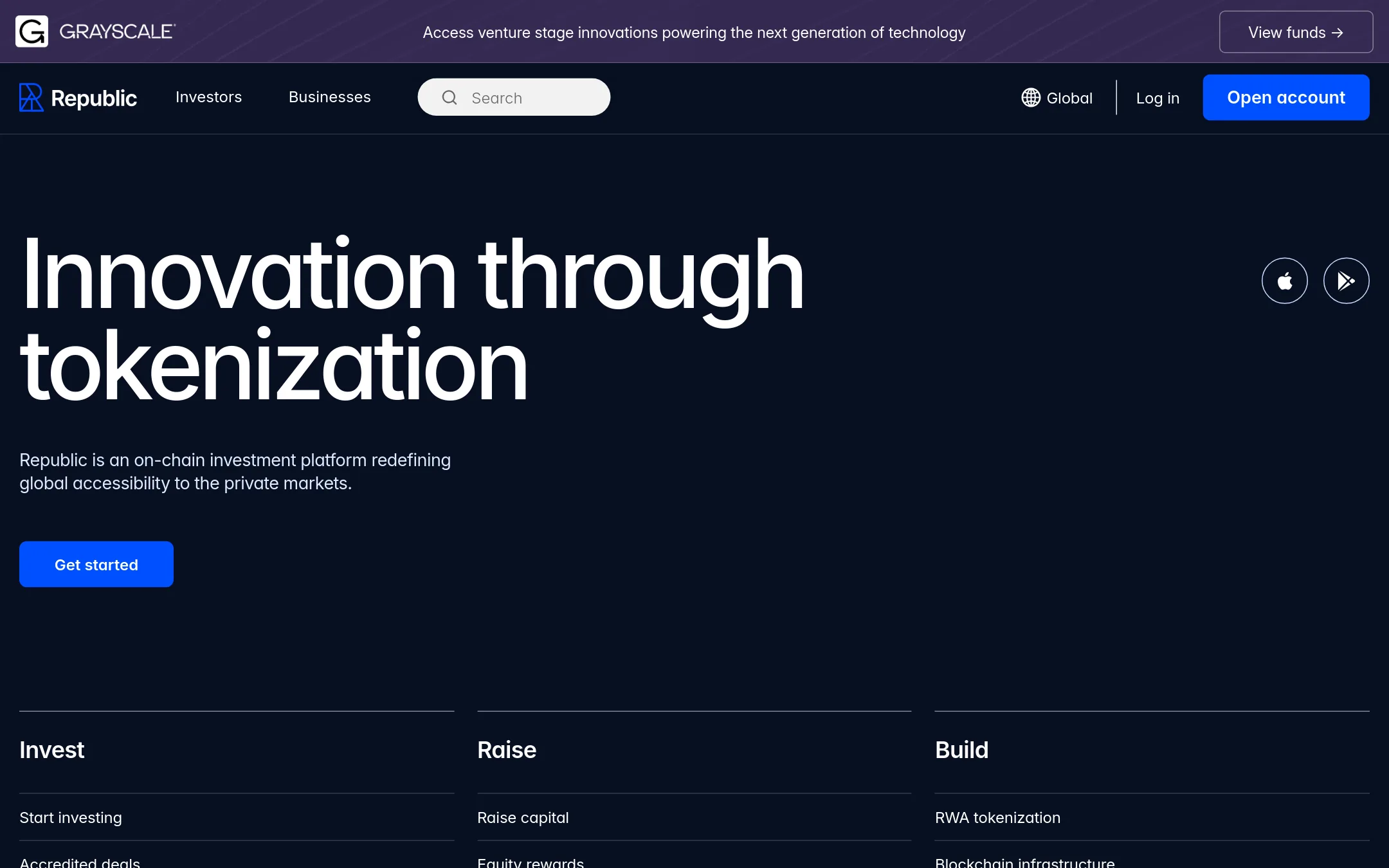
Republic is a regulated investment platform for startups, crypto, and tokenized real-world assets, not a rewards-based crowdfunding site. Choose it if you want to raise capital from accredited and non-accredited investors under SEC rules, or if you want to invest in private companies starting at $50.
Where it is strong
- Regulated across US, UK, and EU with SEC and FINRA licenses
- Supports equity, debt, token, and revenue-sharing raises
- Minimum investment as low as $50 for some deals
Where it falls short
- No rewards-based crowdfunding like Indiegogo
- Pricing details are not transparent on the site
- Pricing:
- Pricing is not published on the site.
- Not published
8.Crowdcube
Best for: Startups and growing companies in Europe that want to raise equity funding from a broad investor base.
- Pricing
- Not published
- Category
- Finance & Accounting
Crowdcube is an equity crowdfunding platform where startups raise capital from a large pool of investors, rather than collecting donations or pre-orders for a product. Choose it over Indiegogo if you are a business seeking investment funding and want to build a community of shareholders, not backers for a campaign.
Where it is strong
- Access to a large network of European investors.
- Platform handles regulatory and legal aspects of equity crowdfunding.
- Can raise significant capital for business growth.
Where it falls short
- Not suitable for product pre-sales or donation-based campaigns.
- Requires giving up equity in your company.
- Pricing:
- Pricing is not published on the site.
- Not published
9.Chuffed
Best for: Non-profits and social enterprises running social justice or community-focused campaigns that want a free platform.
- Pricing
- Not published
- Category
- E-commerce
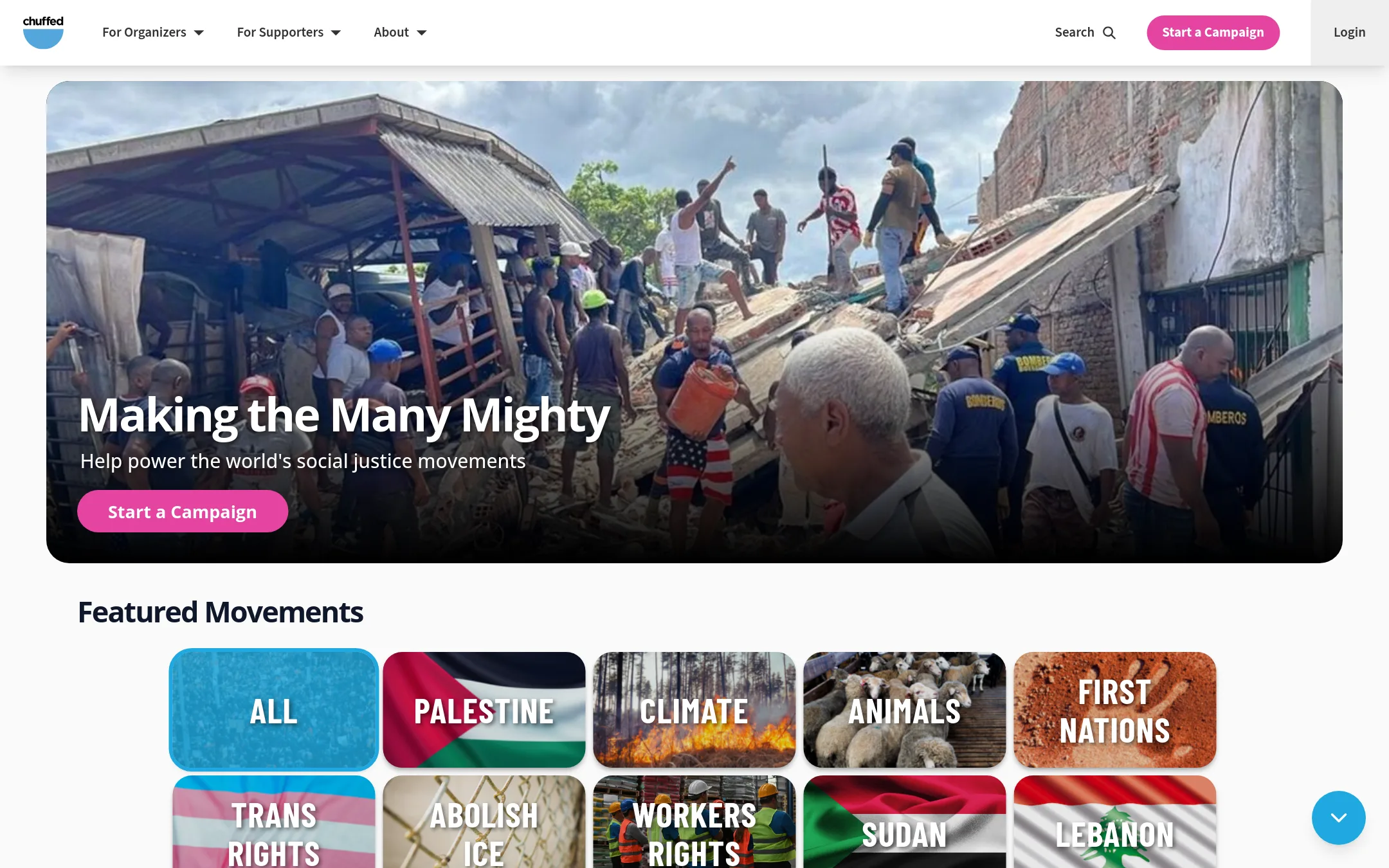
Chuffed is a crowdfunding platform built specifically for non-profits, charities, social enterprises, and community groups running social justice campaigns. It is 100% free, so you would choose it over Indiegogo when your project is mission-driven and you want to keep all funds without platform fees.
Where it is strong
- 100% free for all campaigns
- Designed for social justice and non-profit causes
- Supports individuals, not-for-profits, and community groups
Where it falls short
- Limited to socially-conscious projects, not general product campaigns
- No pricing details published, so costs like payment processing are unclear
- Pricing:
- Pricing is not published on the site.
- GNot published
10.Gamefound
Best for: Board game and tabletop creators who want a crowdfunding platform with built-in pledge management and a community focused on gaming.
- Pricing
- Not published
- Category
- Other
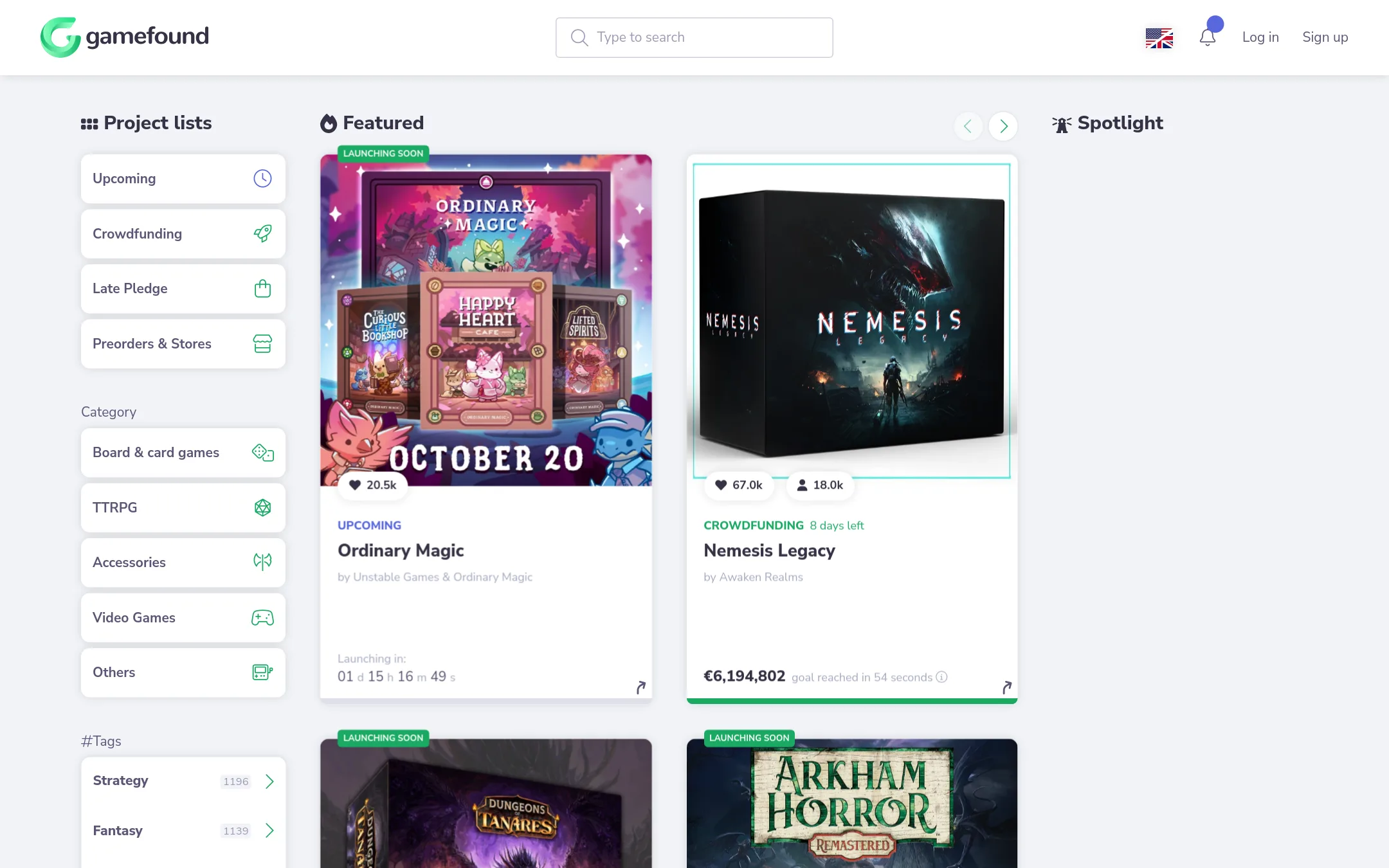
Gamefound is a crowdfunding platform built specifically for tabletop and board game projects. It offers integrated pledge management and is designed by gamers, so it's a natural fit for creators in that niche who want a more tailored experience than Indiegogo's general-purpose platform.
Where it is strong
- Purpose-built for tabletop projects, with features like pledge tiers and shipping calculators.
- Integrated pledge manager, so backers don't need a separate tool after the campaign.
- Community of gamers who are already looking for board game projects.
Where it falls short
- Limited to gaming projects, so it won't work for tech, film, or other categories.
- Smaller audience than Indiegogo, which may mean less exposure for non-gaming backers.
- Pricing:
- Pricing is not published on the site.
- CNot published
11.Crowd Supply
Best for: Hardware creators and open-source electronics projects that need a specialized crowdfunding and launch platform.
- Pricing
- Not published
- Category
- Other
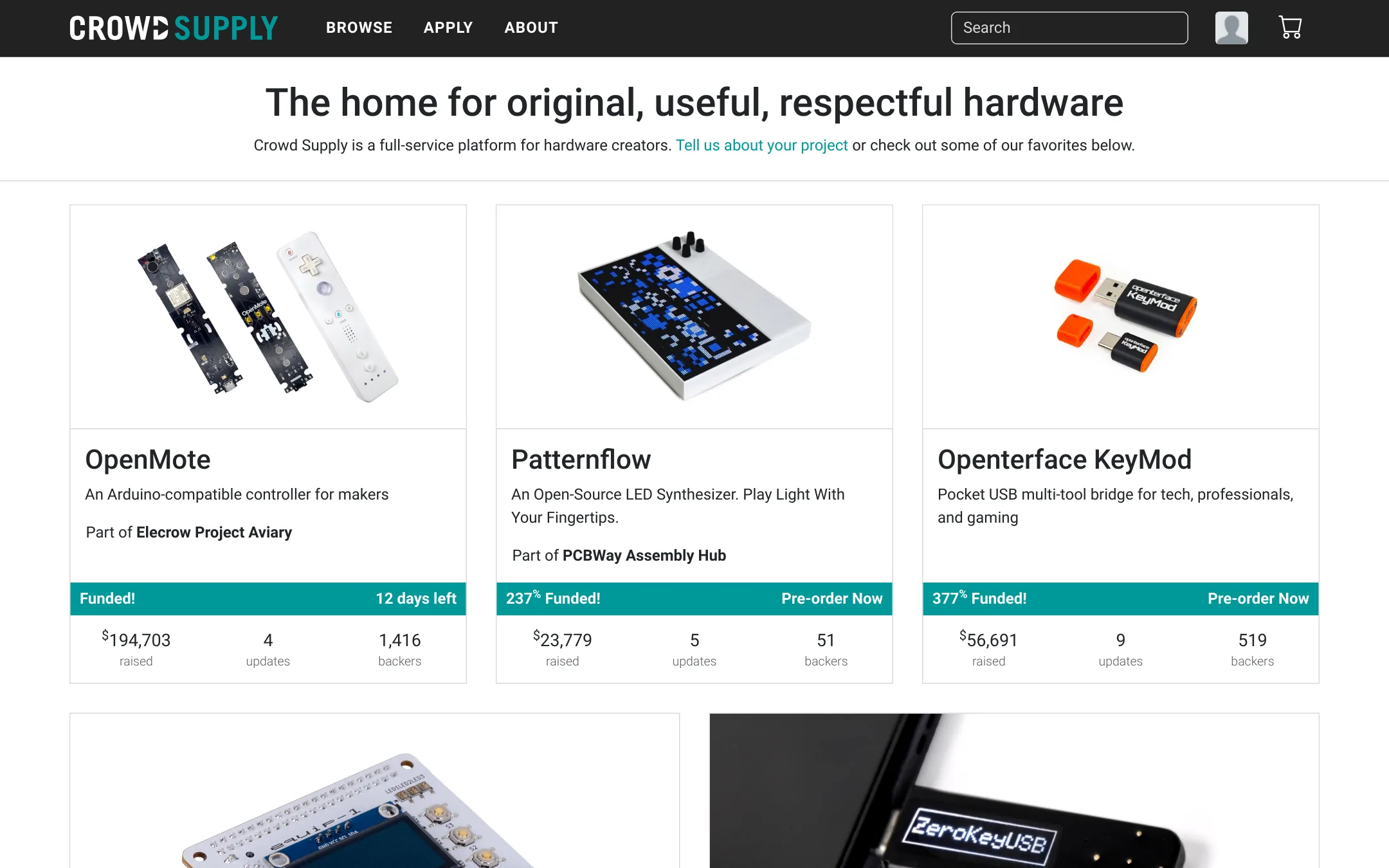
Crowd Supply is a full-service platform focused on hardware projects, from open-source tools to consumer electronics. Choose it over Indiegogo if you are a hardware creator who wants a platform that understands manufacturing, fulfillment, and the maker community.
Where it is strong
- Specialized in hardware and open-source projects
- Full-service support for creators, including manufacturing and fulfillment
- Strong community of backers interested in hardware
Where it falls short
- Limited to hardware-focused projects, not general crowdfunding
- Pricing details are not publicly available, so you must contact them
- Pricing:
- Pricing is not published on the site.
- See website
12.Crowdfundr
Other
See more comparisons in Other alternatives.
FAQ
Questions about Indiegogo alternatives
What is the main difference between Indiegogo and equity crowdfunding platforms like Republic or StartEngine?
Indiegogo is rewards-based, where backers get perks or pre-orders. Republic and StartEngine let you sell equity, so investors get a stake in your company, which is regulated by SEC rules. Choose equity platforms if you want investment capital, not product funding.
Which alternative is best for creators who want ongoing income instead of a one-time campaign?
Patreon is the best fit for recurring revenue. It charges a 10% platform fee, but you get a subscription model with predictable monthly income. It's ideal for podcasters, artists, and video makers, not for product launches.
Are there free alternatives to Indiegogo for non-profits?
Chuffed is 100% free for non-profits and social enterprises, with no platform fees. GoFundMe also has no fee to start, but it deducts a transaction fee from each donation. Both are donation-based, not for product campaigns.
What should I consider about pricing when choosing a crowdfunding platform?
Check platform fees, transaction fees, and any hidden costs. Patreon charges 10% of income, Fundly has payment processing at 3.95% plus $0.95, and GoFundMe takes a transaction fee per donation. Many equity platforms like Republic and StartEngine don't publish pricing, so you must contact them.
Can I use these alternatives for hardware or tabletop projects specifically?
Yes. Crowd Supply is specialized for hardware and open-source electronics, offering full-service support for manufacturing and fulfillment. Gamefound is built for board games and tabletop projects, with integrated pledge management and a gaming-focused community. Both are niche, so they may have smaller audiences than Indiegogo.
Last updated October 17, 2026.