ToDesktop alternatives
8 products compared · Updated October 18, 2026
The short answer
For teams that want managed Electron infrastructure, ToDesktop remains the strongest option. If you prefer open-source and full control, Electron Forge or Tauri are the best alternatives. Choose Electron Forge for a free, self-hosted build pipeline, or Tauri for smaller binaries and a Rust-based core.
Your shortlist, at a glance
Read the comparisons ↓ GitHub ProjectsNot publishedSoftware teams already on GitHub that want issue tracking, roadmaps, and task boards without leaving their codebase.
 Electron ForgeFree (open source)Teams that want a free, self-hosted build pipeline for Electron apps and are comfortable configuring their own tooling.
 TauriOpen sourceTeams that already use a web framework and want native performance with a tiny footprint, and are willing to handle their own release pipeline.
Microsoft Visual Studio App CenterNot publishedTeams building mobile or desktop apps that want integrated CI/CD with crash reporting and analytics from Microsoft.
 CapacitorOpen sourceWeb teams that want to ship their existing React, Vue, or Svelte app to mobile app stores and the web without rewriting in native code.
WailsNot publishedGo developers who want to ship small, fast desktop apps with native menus and dialogs without Electron's overhead.
 FlutterNot publishedTeams that want to build cross-platform desktop apps from scratch with a single codebase and also target mobile and web.
 NeutralinoJSNot publishedDevelopers who want tiny, portable desktop apps and prefer to manage their own build and update process.
About ToDesktop and its alternatives
ToDesktop is a platform that handles the infrastructure for Electron apps, including deployment, code signing, auto-updates, and analytics. It is known for its end-to-end approach, letting developers focus on writing the app while ToDesktop manages the rest.
When comparing alternatives, consider whether you need managed services like auto-updates and signing, or if you can handle those yourself. Look at pricing structure, platform support, integration with your existing stack, and the level of support offered. Also check if the tool fits your team's skills, such as knowledge of Rust or Go.
Explore the alternatives
- Not published
1.GitHub Projects
Best for: Software teams already on GitHub that want issue tracking, roadmaps, and task boards without leaving their codebase.

- Pricing
- Not published
- Category
- Productivity & Project Management
GitHub Projects is a project management layer inside GitHub, so you can plan and track work right next to your code, issues, and pull requests. Choose it instead of ToDesktop if you're building a desktop app but your main bottleneck is team coordination, not Electron packaging and updates.
Where it is strong
- Tight integration with GitHub issues and pull requests
- Free tier includes unlimited public/private repositories
- Copilot Autofix helps reduce security vulnerabilities
Where it falls short
- No Electron app building, signing, or auto-update features
- Pricing details for Projects are not listed on the site
- Pricing:
- Pricing is not published on the site.
- Free (open source)
2.Electron Forge
Best for: Teams that want a free, self-hosted build pipeline for Electron apps and are comfortable configuring their own tooling.

- Pricing
- Free (open source)
- Category
- Developer Tools
Electron Forge is an open-source build pipeline for packaging and distributing Electron apps. Choose it instead of ToDesktop when you want full control over your build process, don't need managed infrastructure, and prefer to handle code signing, installers, and publishing yourself.
Where it is strong
- First-party templates for webpack, TypeScript, and Vite
- Plugin API for custom build logic
- Publishers for GitHub and other targets
Where it falls short
- No managed auto-updates or analytics
- Requires manual setup for code signing and installers
- Pricing:
- Pricing is not published on the site.
- Open source
3.Tauri
Best for: Teams that already use a web framework and want native performance with a tiny footprint, and are willing to handle their own release pipeline.
- Pricing
- Open source
- Category
- Developer Tools
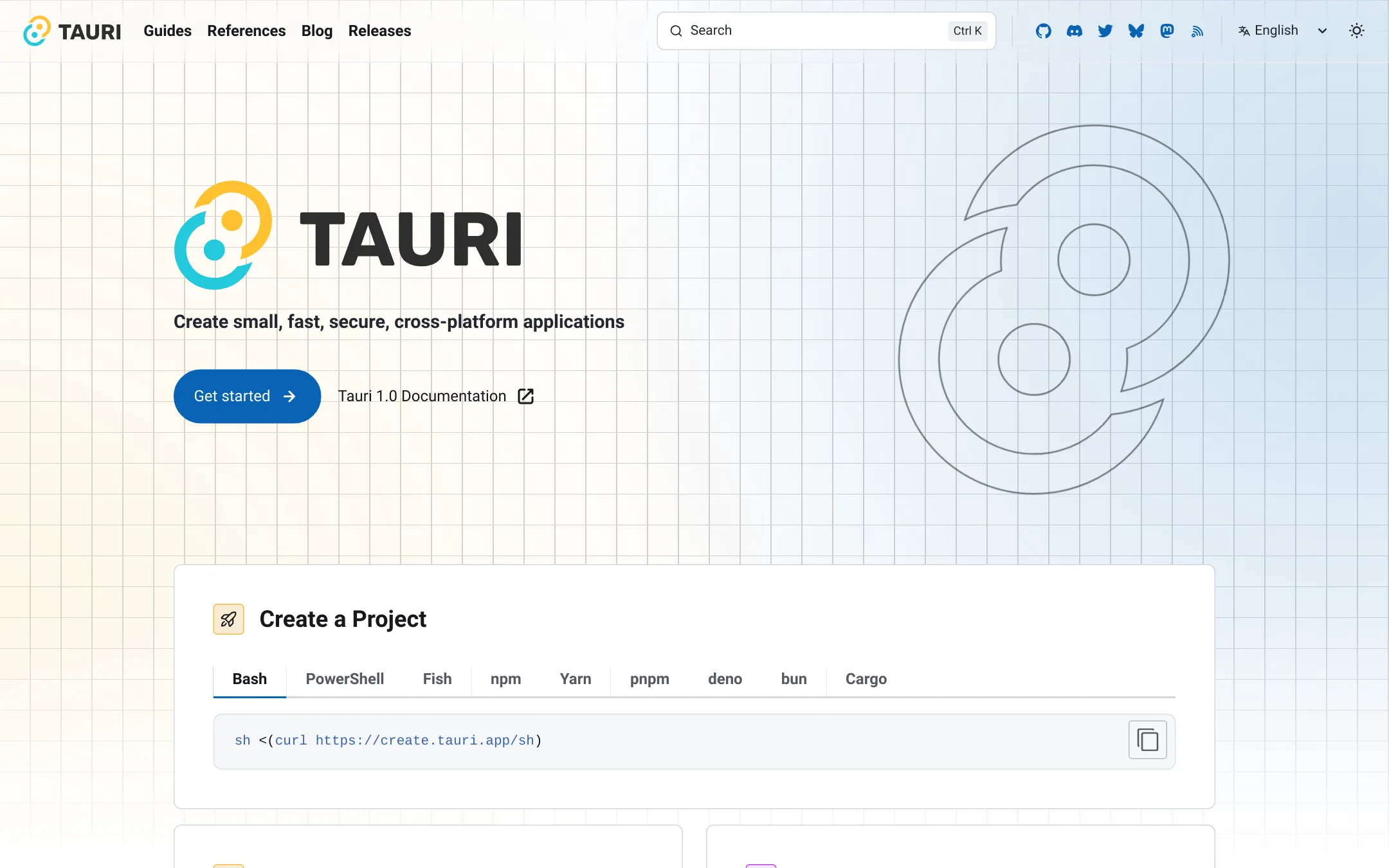
Tauri is an open-source toolkit for building desktop and mobile apps from a web frontend with a Rust backend. Choose it over ToDesktop if you want full control of your codebase and the smallest possible binaries, and you're comfortable managing your own build, signing, and update infrastructure.
Where it is strong
- Apps can be as small as 600KB by using the OS's native web renderer
- Supports Linux, macOS, Windows, Android, and iOS from one codebase
- Security is a top priority, with a Rust-based core
Where it falls short
- No built-in auto-update, code signing, or analytics services
- Requires Rust knowledge for backend logic and manual setup of build and release tooling
- Pricing:
- Pricing is not published on the site.
- Not published
4.Microsoft Visual Studio App Center
Best for: Teams building mobile or desktop apps that want integrated CI/CD with crash reporting and analytics from Microsoft.
- Pricing
- Not published
- Category
- Developer Tools
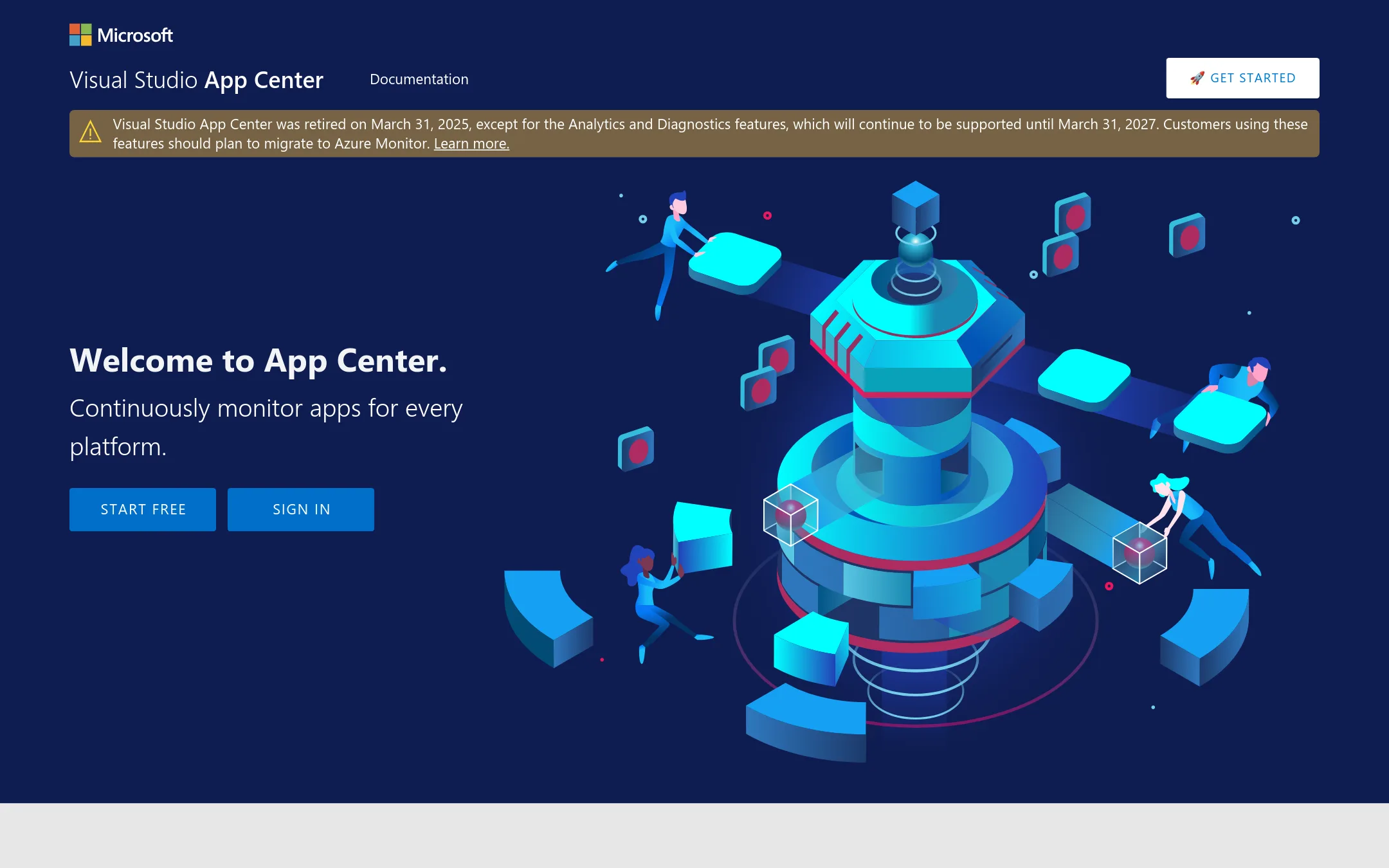
Microsoft Visual Studio App Center is a Microsoft platform for building, testing, releasing, and monitoring mobile and desktop apps. You would choose it instead of ToDesktop if you need crash reporting and analytics across multiple platforms and are already in the Microsoft ecosystem.
Where it is strong
- Automatic crash reporting with symbol management
- Live analytics for sessions and events
- Supports iOS, Android, Xamarin, and React Native
Where it falls short
- No desktop-specific features like code signing or auto-updates
- Requires Microsoft account and may not fit non-Microsoft stacks
- Pricing:
- Pricing is not published on the site.
- Open source
5.Capacitor
Best for: Web teams that want to ship their existing React, Vue, or Svelte app to mobile app stores and the web without rewriting in native code.
- Pricing
- Open source
- Category
- Developer Tools
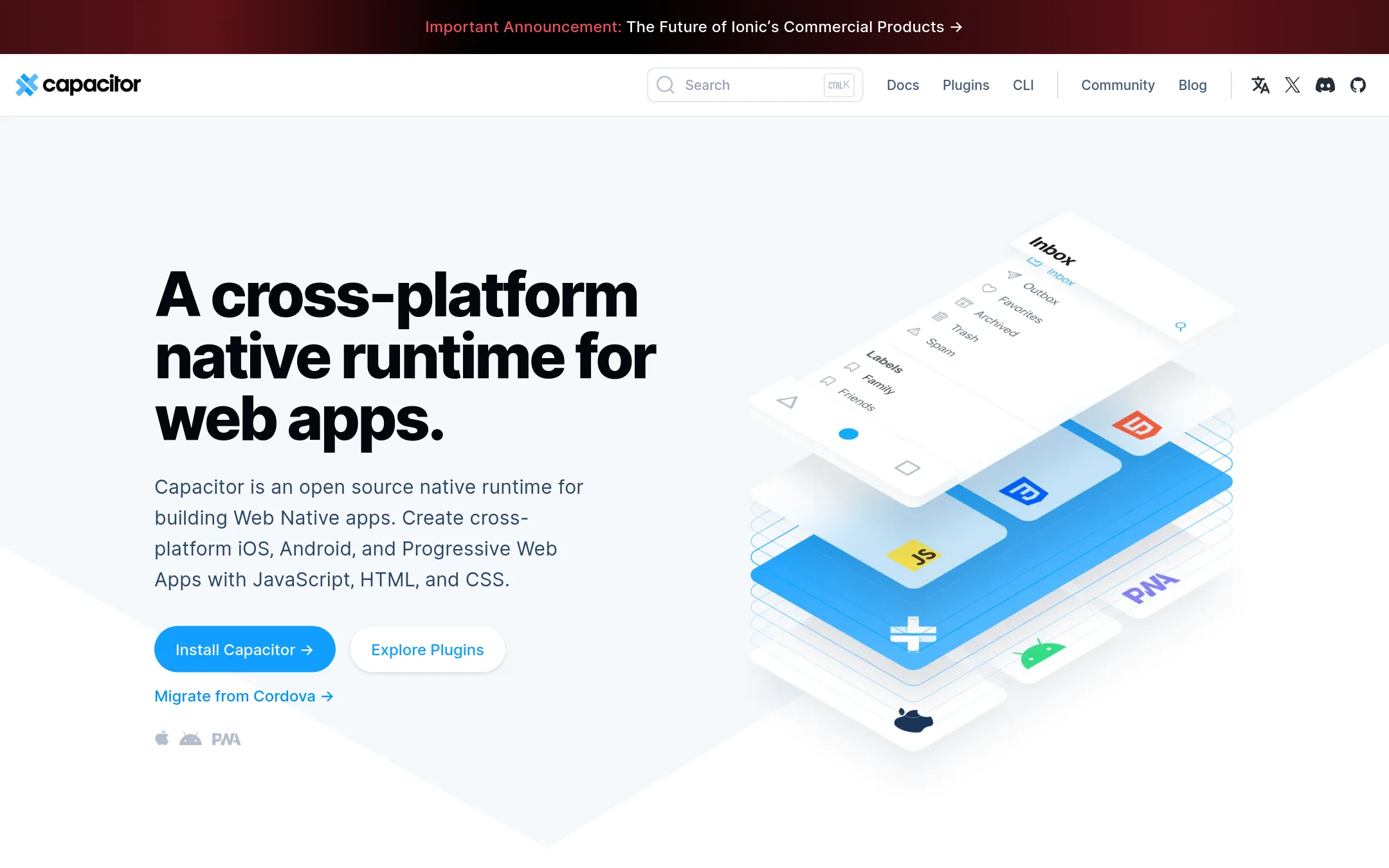
Capacitor is an open-source runtime that turns existing web apps into native iOS, Android, and Progressive Web Apps using web tech. Choose it over ToDesktop when your priority is mobile and PWA distribution, not just desktop Electron apps.
Where it is strong
- Drop into any existing web project with minimal setup
- Access native device APIs via plugins or Cordova compatibility
- Open source with a large community and free guide
Where it falls short
- No built-in desktop app packaging or auto-updates like ToDesktop
- Requires manual app store deployment and signing setup
- Pricing:
- Pricing is not published on the site.
- Not published
6.Wails
Best for: Go developers who want to ship small, fast desktop apps with native menus and dialogs without Electron's overhead.
- Pricing
- Not published
- Category
- Developer Tools
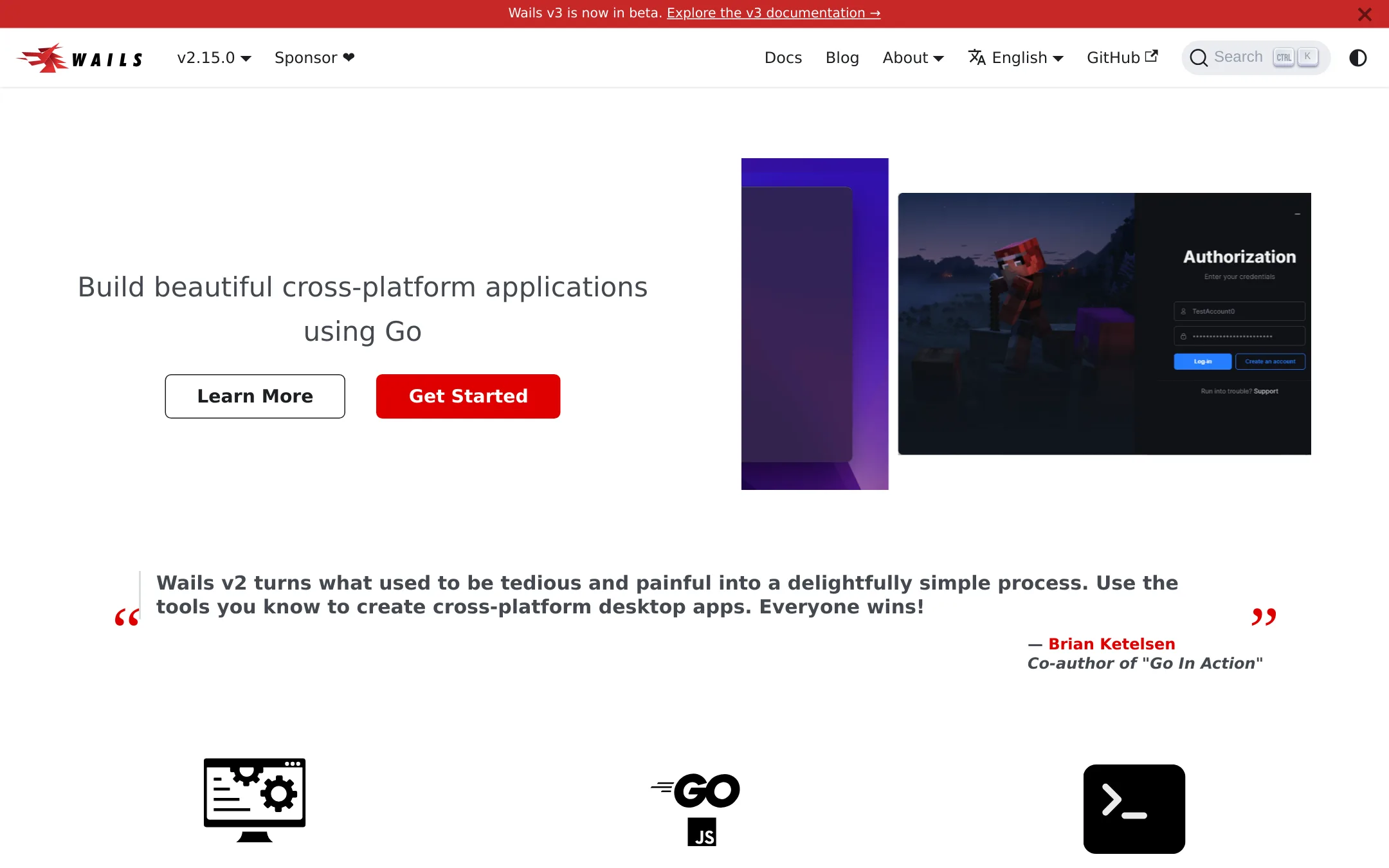
Wails lets you build cross-platform desktop apps with Go and web technologies, using native UI elements instead of Electron's bundled Chromium. Choose it over ToDesktop if you want an open-source, lightweight alternative and you're comfortable managing your own build, signing, and update infrastructure.
Where it is strong
- Uses Go, which compiles to small binaries and low memory usage
- Native UI elements like menus and dialogs, not a browser window
- Open-source project with a CLI for quick generation and building
Where it falls short
- No built-in auto-update, code signing, or download analytics
- Requires manual setup for distribution and updates compared to ToDesktop
- Pricing:
- Pricing is not published on the site.
- Not published
7.Flutter
Best for: Teams that want to build cross-platform desktop apps from scratch with a single codebase and also target mobile and web.
- Pricing
- Not published
- Category
- Developer Tools
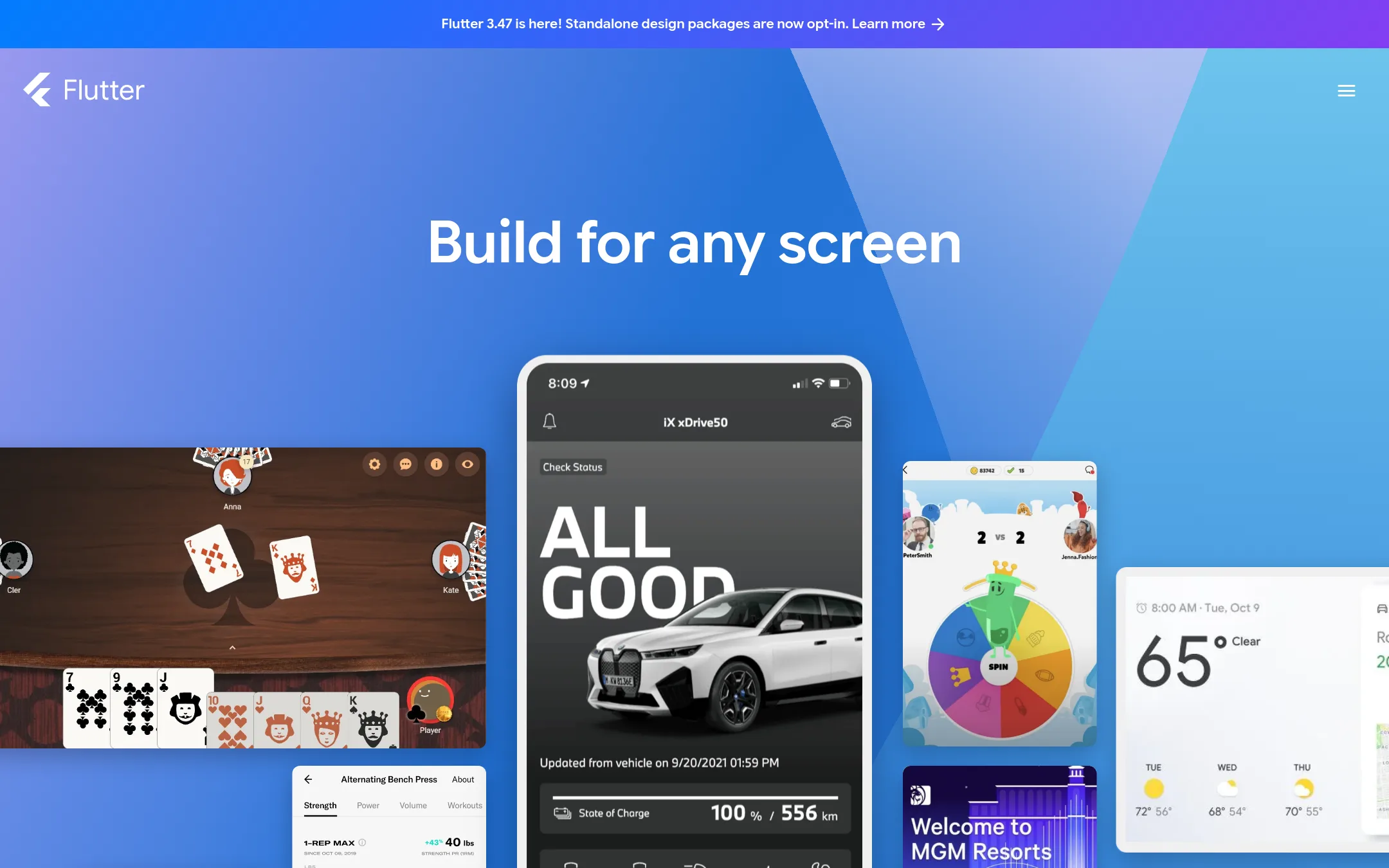
Flutter is an open-source framework for building natively compiled apps for mobile, web, desktop, and embedded devices from a single codebase. You would choose it over ToDesktop if you want to build the app itself in Dart and target multiple platforms, rather than wrapping an existing Electron app and managing its infrastructure.
Where it is strong
- Open-source and free to use
- Single codebase for mobile, web, desktop, and embedded
- Hot Reload for fast iteration
Where it falls short
- Requires learning Dart, not JavaScript/Electron
- No built-in auto-update, code signing, or analytics like ToDesktop
- Pricing:
- Pricing is not published on the site.
- Not published
8.NeutralinoJS
Best for: Developers who want tiny, portable desktop apps and prefer to manage their own build and update process.
- Pricing
- Not published
- Category
- Developer Tools
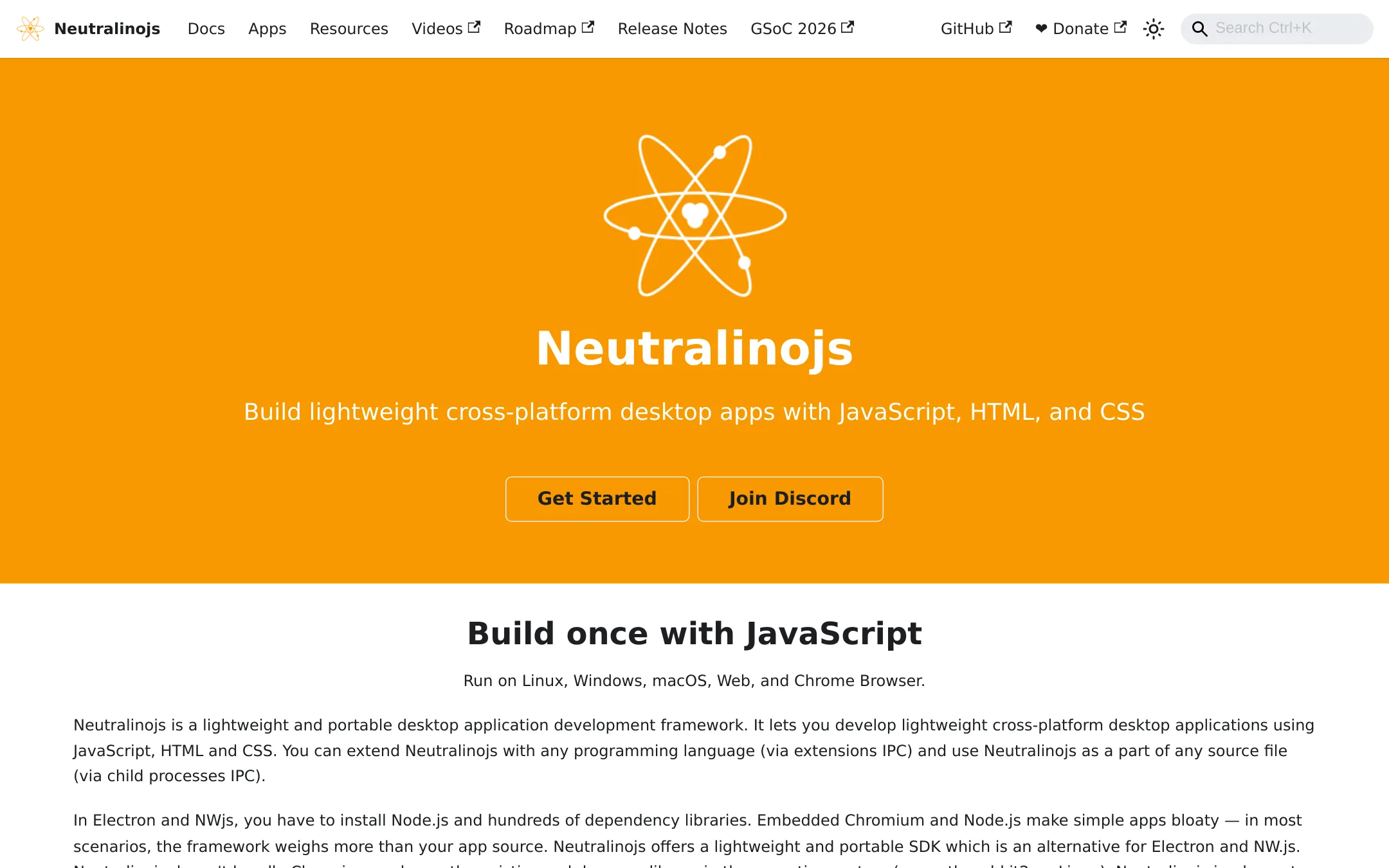
NeutralinoJS is a lightweight framework for building cross-platform desktop apps with JavaScript, HTML, and CSS. It uses the operating system's native webview instead of bundling Chromium, so apps are much smaller and use less memory. Choose it over ToDesktop if you want a minimal, open-source framework without the overhead of Electron.
Where it is strong
- Apps are only ~2MB uncompressed, ~0.5MB compressed
- No Node.js or dependency installation required
- Works with any frontend framework and backend language via IPC
Where it falls short
- No built-in auto-update or code signing services
- Relies on the OS webview, so rendering may vary across platforms
- Pricing:
- Pricing is not published on the site.
See more comparisons in Developer Tools alternatives.
FAQ
Questions about ToDesktop alternatives
What is the best free alternative to ToDesktop?
Electron Forge is a free, open-source build pipeline for Electron apps. It gives you full control over packaging and publishing, but you must handle code signing and updates yourself. Tauri is also free and open-source, but it requires Rust knowledge.
Which alternative is best for small app sizes?
Tauri produces apps as small as 600KB by using the OS's native web renderer. NeutralinoJS is even smaller, with apps around 2MB uncompressed. Both avoid bundling Chromium, reducing size and memory usage.
Can I use these alternatives with my existing web app?
Capacitor is designed to turn existing web apps into mobile and PWA apps, but it does not support desktop packaging. Tauri and Wails can wrap web frontends, but they require backend code in Rust or Go. ToDesktop Builder is a separate product for web apps, but it is not listed here.
Do any alternatives provide managed auto-updates?
None of the listed alternatives offer managed auto-updates like ToDesktop. Electron Forge, Tauri, Wails, and NeutralinoJS require you to set up your own update mechanism. Visual Studio App Center does not support desktop auto-updates either.
Which alternative is best for teams already using GitHub?
GitHub Projects is a project management tool, not a desktop app builder, so it is not a direct alternative. If you need to track issues and tasks, it integrates well, but you would still need another tool for packaging. For building, Electron Forge is a good fit if you are comfortable with GitHub Actions for CI/CD.
Last updated October 18, 2026.