
Aden alternatives
10 products compared · Updated October 16, 2026
The short answer
Aden is a native cloud for AI agents, but the strongest alternatives are AWS ParallelCluster for HPC workloads on AWS, Microsoft Azure CycleCloud for HPC on Azure, and Modal for flexible, pay-per-use GPU compute. Choose AWS ParallelCluster if you need deep AWS integration, Azure CycleCloud if you are on Azure, and Modal if you want to run custom AI workloads without managing infrastructure.
Your shortlist, at a glance
Read the comparisons ↓ AWS ParallelClusterPay-as-you-goResearch teams and enterprises running HPC workloads like simulations, genomics, or rendering on AWS who need tight integration with EC2, S3, and other AWS services.
 Google Cloud HPCNot publishedTeams that need scalable GPU/TPU compute for custom AI workloads and already have their own agent orchestration stack.
Microsoft Azure CycleCloudPay-as-you-goTeams running HPC or batch computing workloads on Azure that need cluster orchestration and scaling, not agent execution.
 ModalFrom $0.000164/sec GPUAI teams that want to deploy and scale custom inference, training, and agent sandboxes without managing infrastructure.
 RunPodUsage-based. Storage fAI teams that need flexible, on-demand GPU compute for training and inference workloads without managing their own infrastructure.
 KubernetesOpen sourceTeams that want to run and scale containerized applications themselves, with full control over their infrastructure, rather than using a purpose-built AI agent cloud.
 Hugging FaceFrom $0.40/hr GPUML teams and researchers who want to host models, datasets, and demos on a shared platform with flexible GPU options.
- LLangChainFrom free tierEngineering teams that want to build and iterate on AI agents with open source tools and full control over deployment.
- CCoreWeaveCustom quoteAI teams that need raw GPU compute for large-scale model training or inference and want direct control over their infrastructure.
 Vast.aiPer-second, market ratAI teams that want flexible, low-cost GPU compute with per-second billing and API-native provisioning.
About Aden and its alternatives
Aden is a cloud platform built specifically for running autonomous AI agents. It provides infrastructure like a hypervisor, persistent memory, and secure virtual desktop interfaces, and it is known for its Hive system that runs business processes reliably at scale.
When comparing alternatives, weigh pricing structure, regions, integrations, support, and contract terms. Some alternatives charge per second, others per month, and some require contacting sales. Consider whether you need managed agent features or just raw compute, and whether you want to stay within a specific cloud provider's ecosystem.
Explore the alternatives
- Pay-as-you-go
1.AWS ParallelCluster
Best for: Research teams and enterprises running HPC workloads like simulations, genomics, or rendering on AWS who need tight integration with EC2, S3, and other AWS services.
- Pricing
- Pay-as-you-go
- Category
- Developer Tools
AWS ParallelCluster is a managed HPC service that helps you build and run high-performance computing clusters on AWS. Choose it over Aden if you need to run large-scale scientific, engineering, or batch workloads on AWS infrastructure, rather than deploying autonomous AI agents.
Where it is strong
- Deep integration with AWS services like EC2, S3, and Batch
- Scales to thousands of compute nodes automatically
- Supports multiple schedulers including Slurm and AWS Batch
Where it falls short
- Requires AWS account and familiarity with AWS networking and IAM
- No built-in agent orchestration or memory for AI agents
- Pricing:
- Pricing is not published on the site. AWS charges pay-as-you-go for the underlying services you use, with no long-term contracts.
- Not published
2.Google Cloud HPC
Best for: Teams that need scalable GPU/TPU compute for custom AI workloads and already have their own agent orchestration stack.
- Pricing
- Not published
- Category
- Developer Tools
Google Cloud HPC provides raw compute, GPU, and TPU infrastructure for running AI workloads, but it does not include the agent harness, persistent memory, or secure VDIs that Aden offers for autonomous digital labor. Choose Google Cloud HPC if you need flexible, scalable infrastructure to build and run your own AI systems, rather than a managed platform for deploying autonomous agents.
Where it is strong
- Access to Google's global network and dedicated GPU clusters with SLAs.
- Supports hybrid and multi-cloud deployments with hypervisor-based isolation.
- Integrates with Google Cloud's broader ecosystem for storage and data management.
Where it falls short
- No built-in agent memory or VDI for autonomous agents.
- Requires you to build and manage your own agent workflows.
- Pricing:
- Pricing is not published on the site. The pricing page returned a 404 error.
- Pay-as-you-go
3.Microsoft Azure CycleCloud
Best for: Teams running HPC or batch computing workloads on Azure that need cluster orchestration and scaling, not agent execution.
- Pricing
- Pay-as-you-go
- Category
- Developer Tools
Azure CycleCloud is a cluster management tool for HPC workloads, not a platform for running autonomous AI agents. Choose it if you already run HPC or batch jobs on Azure and want to orchestrate those clusters, rather than needing agent-specific infrastructure like persistent memory or secure VDIs.
Where it is strong
- Integrates with Azure's broad ecosystem of compute, storage, and networking services.
- Supports hybrid and multicloud scenarios through Azure Arc and other tools.
- Offers enterprise-grade security and compliance features from Microsoft.
Where it falls short
- Not designed for AI agent workloads. Lacks agent-specific features like persistent memory or secure VDIs.
- Requires deep Azure expertise to set up and manage clusters effectively.
- Pricing:
- In the United States, Azure pricing is consumption-based with pay-as-you-go and commitment options like reservations and savings plans. Specific CycleCloud pricing is not listed on the pricing page.
- From $0.000164/sec GPU
4.Modal
Best for: AI teams that want to deploy and scale custom inference, training, and agent sandboxes without managing infrastructure.
- Pricing
- From $0.000164/sec GPU
- Category
- AI & Machine Learning
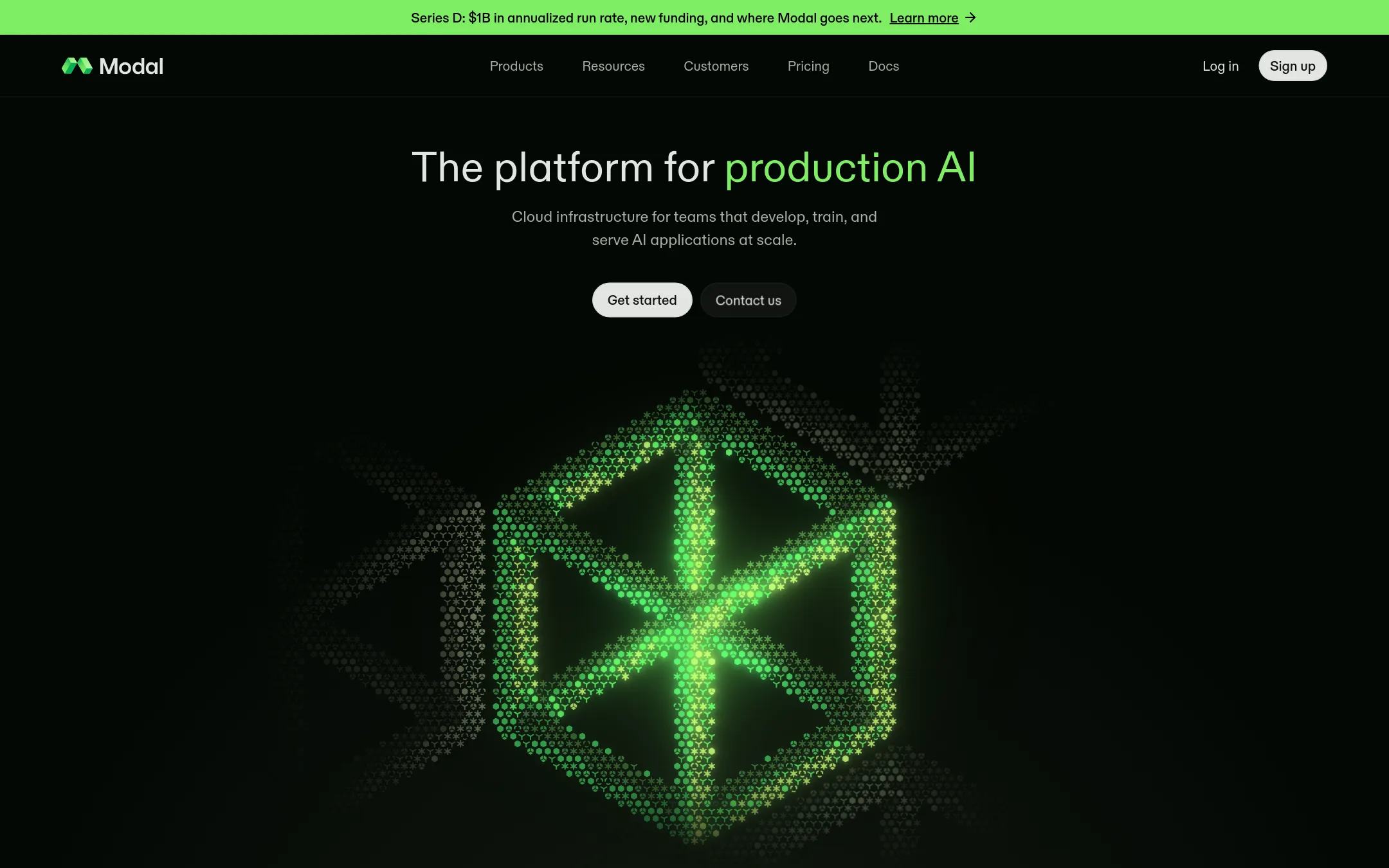
Modal is a serverless platform for running AI workloads like inference, training, and sandboxes. You would choose it over Aden when you need flexible, pay-per-use GPU compute for your own code, rather than a managed system for autonomous agents.
Where it is strong
- Pay only for actual compute time, billed by the second
- Autoscale to thousands of GPUs and back to zero
- SOC 2 Type II compliant and HIPAA ready
Where it falls short
- No built-in autonomous agent orchestration like Aden's Hive
- Requires writing and managing your own code and workflows
- Pricing:
- Pricing is usage-based: GPUs from $0.000164/sec (Nvidia T4) to $0.001972/sec (Nvidia B300), CPU at $0.00003942/core/sec, with $30/month free credits on the Starter plan.
- Usage-based. Storage f
5.RunPod
Best for: AI teams that need flexible, on-demand GPU compute for training and inference workloads without managing their own infrastructure.
- Pricing
- Usage-based. Storage f
- Category
- AI & Machine Learning
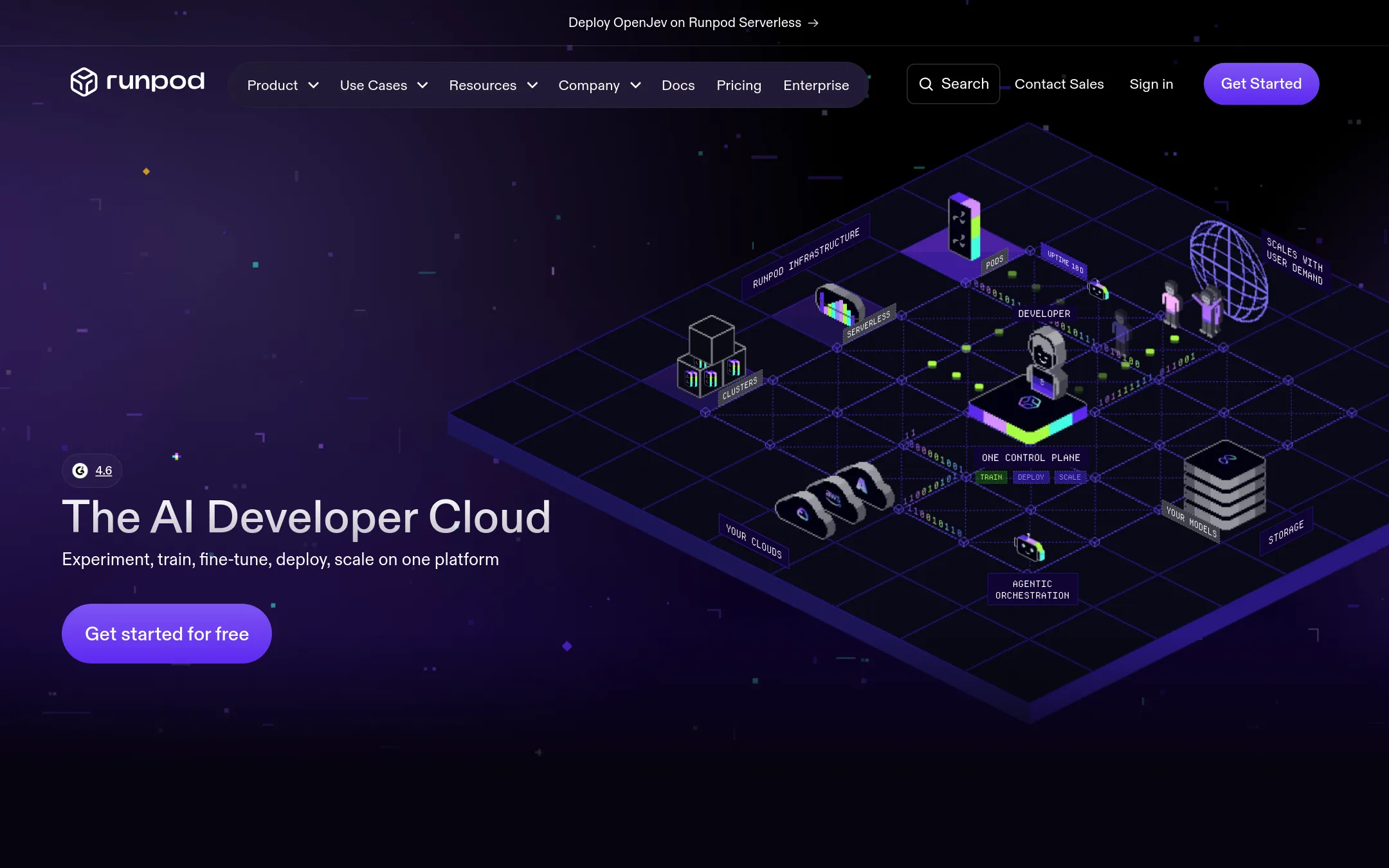
RunPod is a GPU cloud platform for AI workloads, offering Pods, Serverless, and Clusters. You would choose it instead of Aden when you need raw GPU compute for training, fine-tuning, or inference, rather than a managed agent execution environment.
Where it is strong
- 30+ GPU SKUs and 31 global regions
- Serverless scales to zero with sub-200ms cold starts
- SOC 2 Type II compliant with 99.9% uptime
Where it falls short
- No built-in agent orchestration or memory layer
- Requires manual setup for agent workflows compared to Aden
- Pricing:
- Pricing is usage-based per GPU workload. Storage starts at $0.05/GB/mo, and reserved contracts require speaking with enterprise sales.
- Open source
6.Kubernetes
Best for: Teams that want to run and scale containerized applications themselves, with full control over their infrastructure, rather than using a purpose-built AI agent cloud.
- Pricing
- Open source
- Category
- Developer Tools
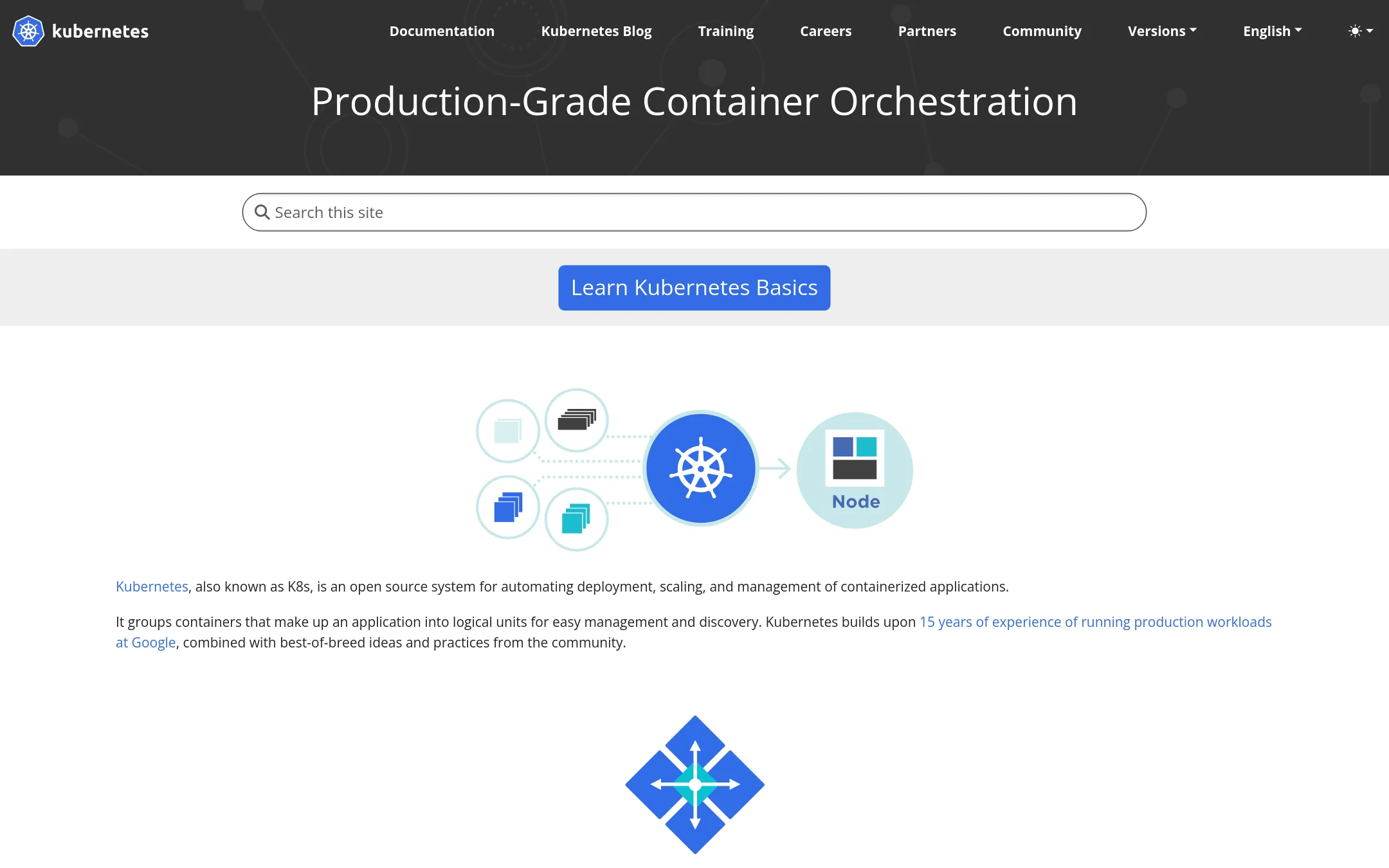
Kubernetes is an open-source container orchestration system for deploying and managing containerized applications. Choose it instead of Aden when you need general-purpose infrastructure for your own workloads, not a managed platform specifically built for AI agents.
Where it is strong
- Open source and free to use
- Automates deployment, scaling, and management of containers
- Runs on-premises, hybrid, or public cloud
Where it falls short
- No built-in AI agent features like persistent memory or VDIs
- Requires significant expertise to operate and maintain
- Pricing:
- Pricing is not published on the site.
- From $0.40/hr GPU
7.Hugging Face
Best for: ML teams and researchers who want to host models, datasets, and demos on a shared platform with flexible GPU options.
- Pricing
- From $0.40/hr GPU
- Category
- AI & Machine Learning
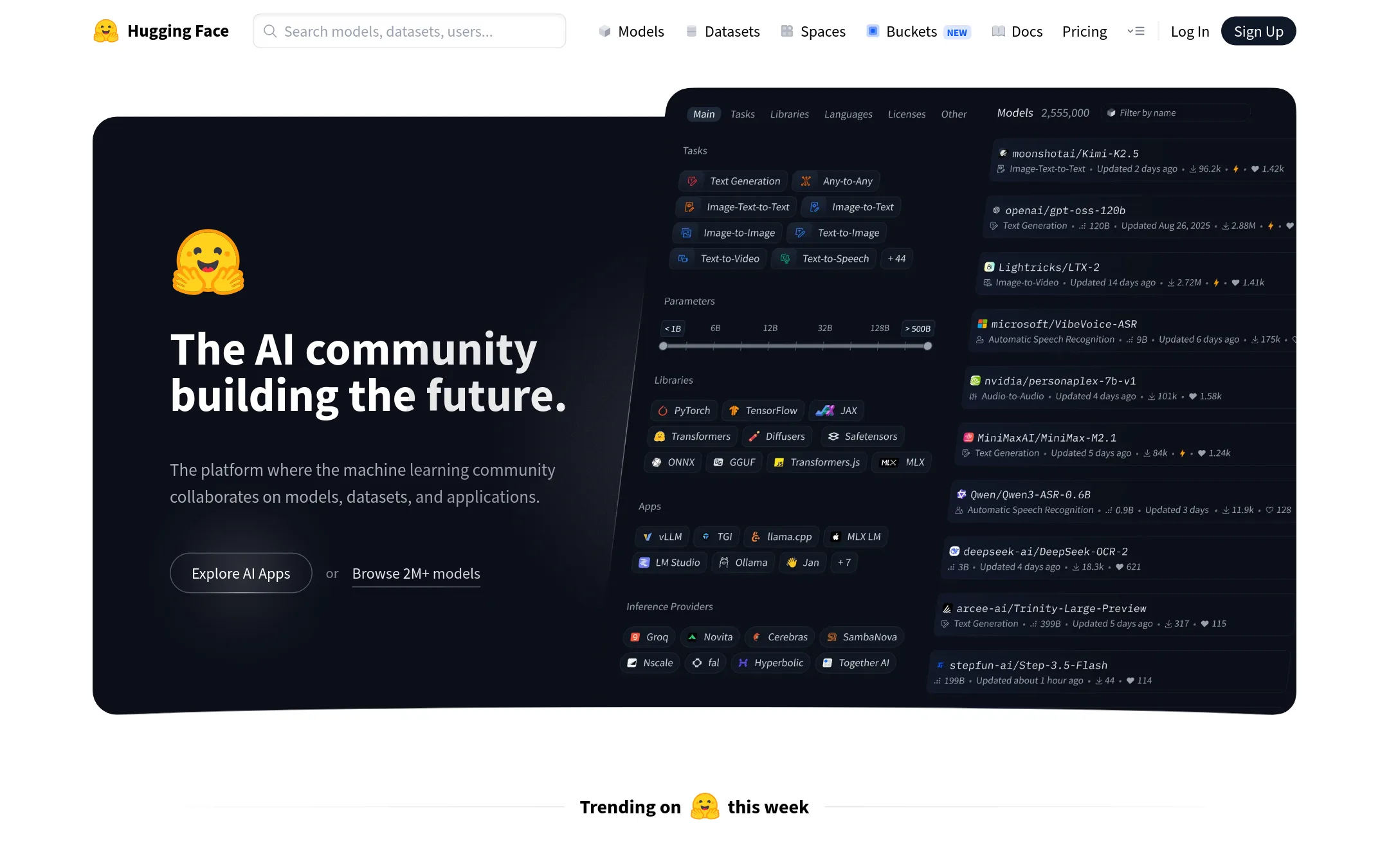
Hugging Face is a collaboration hub for open models, datasets, and ML apps, with paid compute for hosting and inference. Choose it over Aden when your work is about building, sharing, and deploying machine learning models rather than running autonomous business agents.
Where it is strong
- Host unlimited public models, datasets, and Spaces for free.
- Pay-as-you-go GPU and inference options, no long-term commitment.
- Large community and open-source tooling for collaboration.
Where it falls short
- No built-in autonomous agent execution or persistent memory.
- Enterprise features require a paid team plan, starting at $20/user/month.
- Pricing:
- Storage is per-TB with egress included. GPU Spaces start at $0.03/hour for CPU Upgrade, $0.40/hour for T4. Dedicated inference starts at $0.033/hour. PRO is $9/month.
- LFrom free tier
8.LangChain
Best for: Engineering teams that want to build and iterate on AI agents with open source tools and full control over deployment.
- Pricing
- From free tier
- Category
- AI & Machine Learning
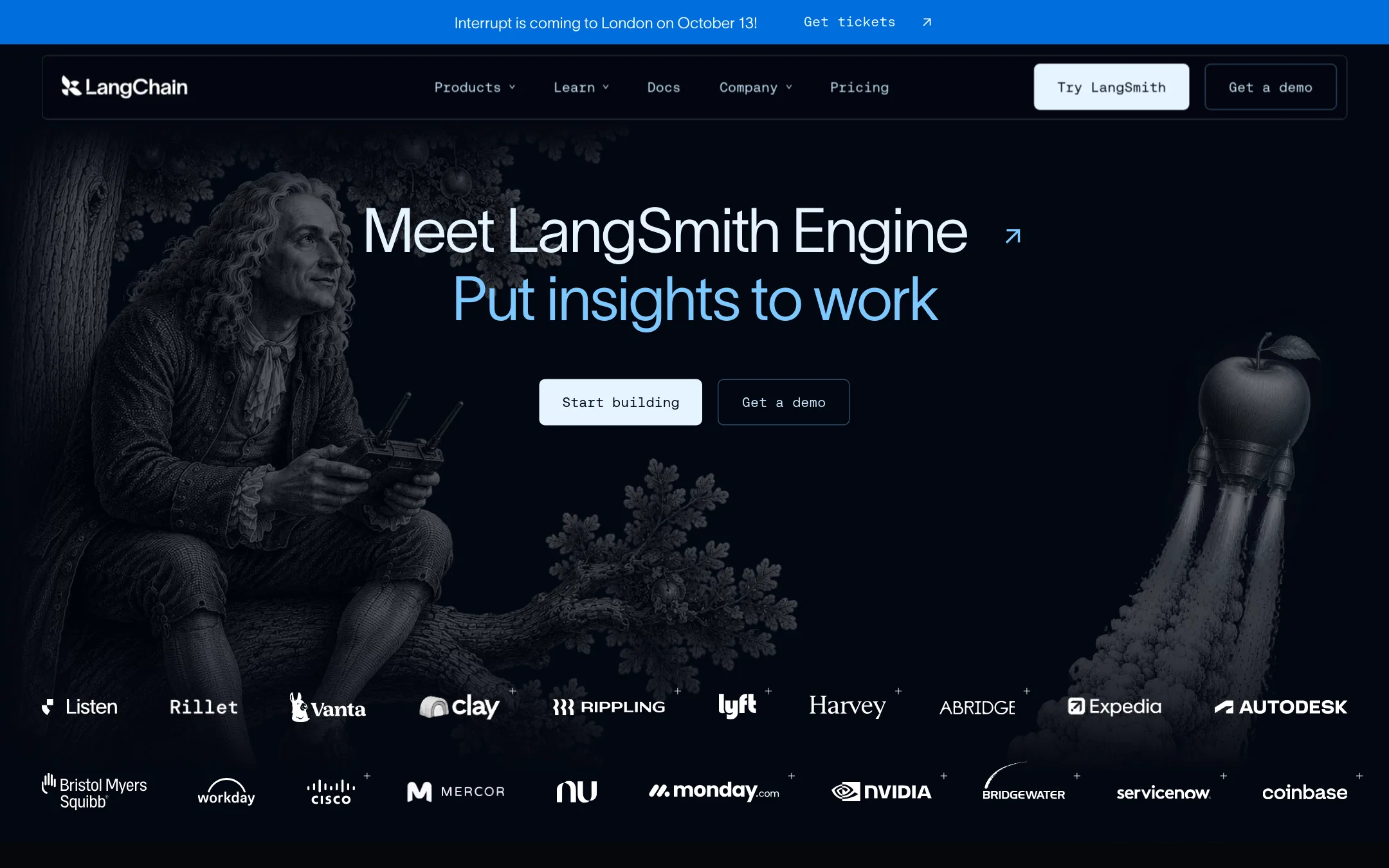
LangChain is a developer platform for building, testing, and monitoring AI agents, with open source frameworks and a hosted service called LangSmith. Choose it over Aden if you want to control your own agent harness and model choice, and need deep observability and evaluation tools rather than a managed infrastructure cloud.
Where it is strong
- Open source frameworks with a large community
- Step-by-step tracing and evaluation tools
- Self-hosted or hybrid deployment options on Enterprise
Where it falls short
- Pricing for higher tiers requires contacting sales
- No managed agent infrastructure like Aden's hypervisor or VDIs
- Pricing:
- Pricing is not fully published. The Developer plan includes 5k base traces per month with pay-as-you-go beyond that, and the Plus plan includes 10k base traces per month with unlimited seats.
- Switching from Aden:
- Moving from Aden means replacing managed agent infrastructure with your own deployment and using LangSmith for observability and evaluation.
- CCustom quote
9.CoreWeave
Best for: AI teams that need raw GPU compute for large-scale model training or inference and want direct control over their infrastructure.
- Pricing
- Custom quote
- Category
- AI & Machine Learning
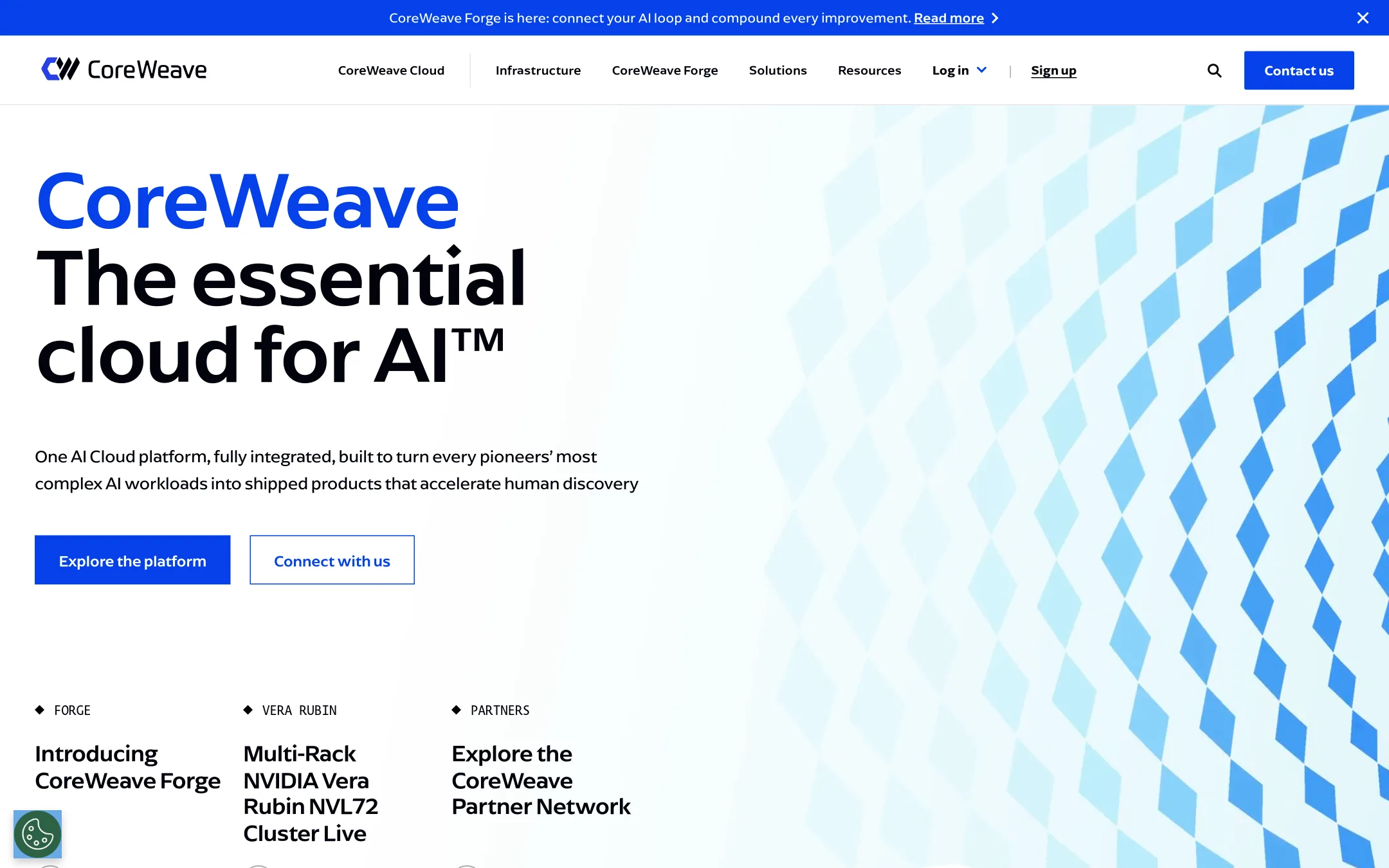
CoreWeave is a specialized AI cloud offering raw GPU compute, storage, and networking for training and inference at scale. Choose it over Aden when you need direct access to high-performance NVIDIA hardware and infrastructure control, rather than a managed platform for running autonomous business agents.
Where it is strong
- High-performance NVIDIA GPUs (GB200, H100, etc.) with dedicated clusters.
- Up to 60% discounts for reserved capacity.
- Direct-to-expert human support, no non-technical layer.
Where it falls short
- No managed agent execution or business workflow automation like Aden's Hive.
- Pricing is not transparent. Requires contacting sales.
- Pricing:
- Pricing is not published on the site. It requires contacting sales for quotes on compute, storage, and networking.
- Per-second, market rat
10.Vast.ai
Best for: AI teams that want flexible, low-cost GPU compute with per-second billing and API-native provisioning.
- Pricing
- Per-second, market rat
- Category
- AI & Machine Learning
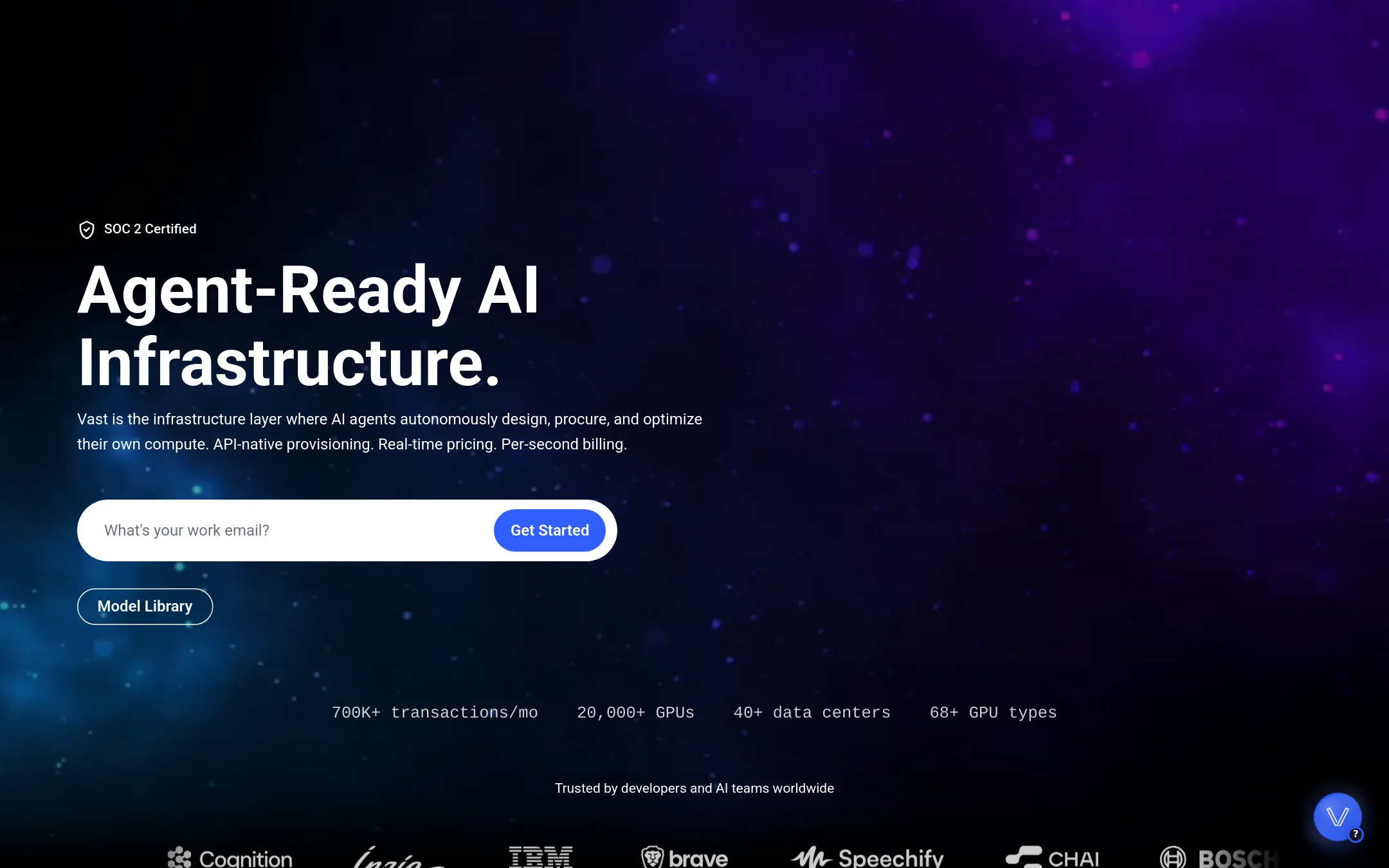
Vast.ai is a GPU rental marketplace where prices are set by supply and demand across 20,000+ GPUs. You rent compute per second, deploy via API, and scale up or down without contracts. Choose it over Aden when you need raw GPU capacity for training, inference, or rendering, not a managed platform for autonomous agents.
Where it is strong
- Real-time market pricing across 20,000+ GPUs
- Per-second billing with no minimum hours
- API and CLI for programmatic deployment
Where it falls short
- No managed agent orchestration or memory layer
- Interruptible instances can be reclaimed at any time
- Pricing:
- Pricing is dynamic: on-demand instances are billed per second, interruptible instances are 50%+ cheaper, and reserved instances come in 1, 3, or 6 month terms. No fixed rates are published.
See more comparisons in AI & Machine Learning alternatives.
FAQ
Questions about Aden alternatives
What is the best alternative to Aden for running HPC workloads on AWS?
AWS ParallelCluster is the strongest choice. It integrates deeply with EC2, S3, and Batch, and scales to thousands of compute nodes. It is not designed for AI agents, but it is excellent for simulations, genomics, or rendering.
Which alternative is best for teams already using Azure?
Microsoft Azure CycleCloud is the best fit. It orchestrates HPC clusters on Azure and integrates with Azure's ecosystem. It lacks agent-specific features but works well for batch and HPC jobs.
What is the most cost-effective option for GPU compute?
Modal offers usage-based pricing with per-second billing, starting at $0.000164/sec for a T4 GPU. It also provides $30/month free credits on the Starter plan. This is ideal for teams that want to pay only for actual compute time.
Which alternative provides the most control over infrastructure?
Kubernetes gives you full control over containerized applications and can run on-premises, hybrid, or public cloud. It is free and open source, but requires significant expertise to operate and does not include AI agent features.
Which alternative is best for building and monitoring AI agents?
LangChain is the best for engineering teams that want to build and iterate on AI agents with open source tools. It offers step-by-step tracing and evaluation, and supports self-hosted or hybrid deployment on Enterprise plans.
Last updated October 16, 2026.