
Microsoft Azure CycleCloud alternatives
12 products compared · Updated November 3, 2026
The short answer
For HPC cluster orchestration on Azure, Microsoft Azure CycleCloud is the native choice. If you are on AWS, AWS ParallelCluster is the strongest alternative. For teams needing a self-managed scheduler with commercial support, Slurm is a proven option. Altair PBS Cloud suits engineering teams running simulations with hybrid cloud needs.
Your shortlist, at a glance
Read the comparisons ↓ Amazon BusinessNot publishedTeams that need a centralized marketplace for business supplies with purchasing controls and spend reporting.
- RRecordBookNot publishedSmall business owners who need a lightweight, mobile-friendly database for everyday record keeping.
 Altair PBS CloudNot publishedEngineering and research teams running simulation workloads that need HPC workload management and cloud orchestration.
- SSlurmNot publishedResearch institutions and HPC teams that need a proven, open-source scheduler with commercial support options and deep expertise in large-scale cluster management.
 IBM watsonxNot publishedEnterprises that need governed AI agent lifecycle management across hybrid cloud and on-premises systems.
- 88x8See websiteEnterprise communications platform
 ABBYY FlexiCaptureNot publishedEnterprises that need intelligent document processing to automate data extraction from invoices, forms, and other documents.
 AWS ParallelClusterNot publishedTeams running HPC workloads on AWS that want a cluster orchestrator with native AWS integration.
 AdenFrom $20/mo for 500 crTeams deploying AI agents in production who need deterministic execution, observability, and dedicated GPU infrastructure.
 AirDroidFrom $12/device/yrIT teams and MSPs managing Android device fleets for digital signage, logistics, or healthcare that need remote control and MDM features.
 AirWatch (Workspace ONE)Not publishedIT teams in enterprises that need device management and identity-driven access control across mobile and desktop endpoints.
 Airtable AutomationsNot publishedTeams that need to automate internal workflows and build custom apps without writing code, especially in operations, marketing, or product management.
About Microsoft Azure CycleCloud and its alternatives
Microsoft Azure CycleCloud is an HPC orchestration tool for scalable cluster management on Azure. It is known for integrating with Azure services and managing compute clusters for high-performance workloads.
When comparing alternatives, weigh pricing structure, region availability, integrations with your existing cloud or on-premises systems, support options, and contract terms. Some tools are open source and self-managed, while others are commercial with published or quote-based pricing.
Explore the alternatives
- Not published
1.Amazon Business
Best for: Teams that need a centralized marketplace for business supplies with purchasing controls and spend reporting.

- Pricing
- Not published
- Category
- E-commerce
Amazon Business is a procurement platform for purchasing supplies and equipment, not an HPC cluster orchestrator. Choose it when your team needs managed buying, approval workflows, and spend analytics for operational goods, rather than managing compute clusters.
Where it is strong
- Wide product selection with bulk discounts
- Approval workflows and compliance guardrails
- Spend analytics and custom reports
Where it falls short
- No HPC or cluster management features
- Pricing not transparent without an account
- Pricing:
- Pricing is not published on the site.
- RNot published
2.RecordBook
Best for: Small business owners who need a lightweight, mobile-friendly database for everyday record keeping.
- Pricing
- Not published
- Category
- Productivity & Project Management
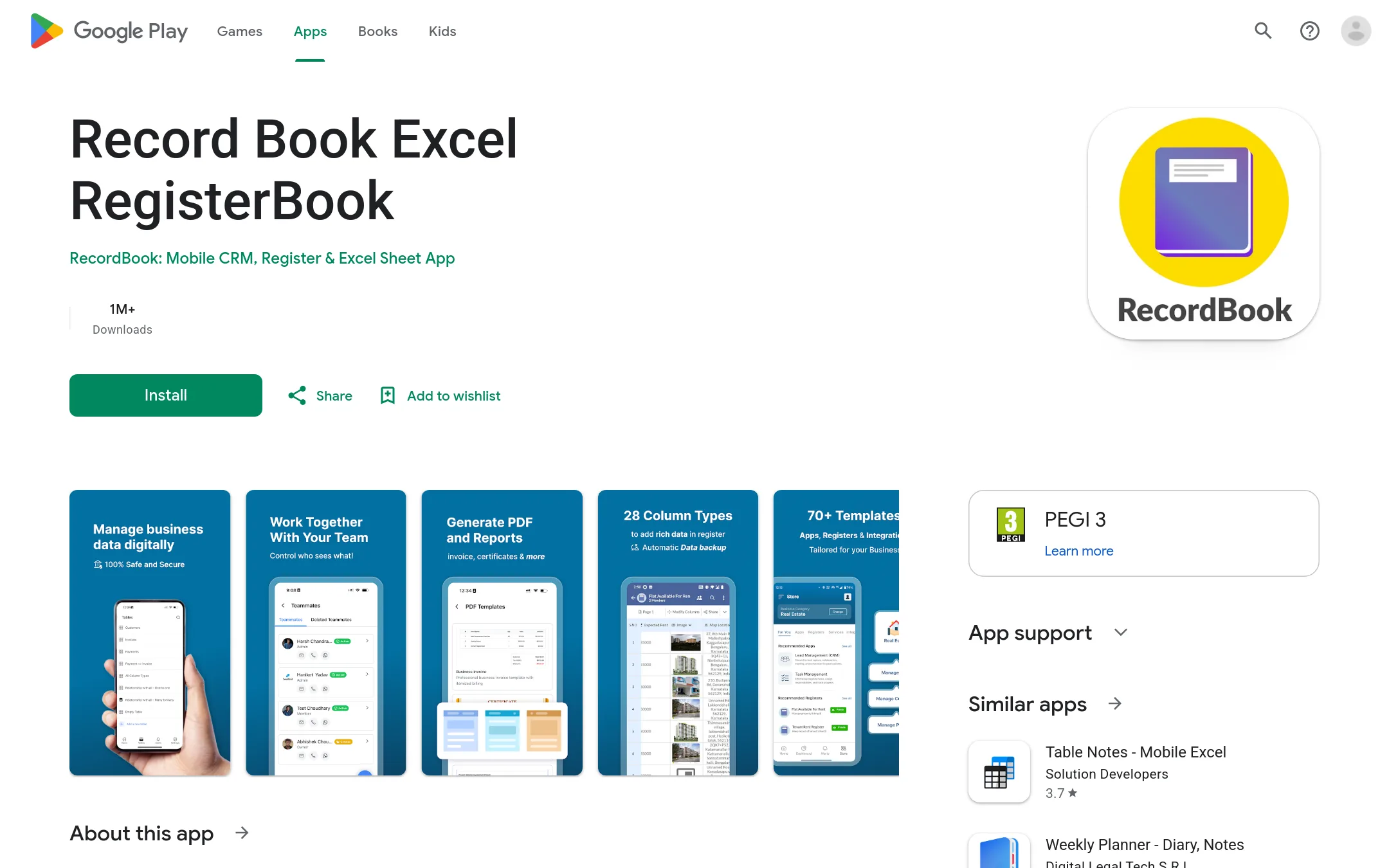
RecordBook is a mobile app that acts like Airtable for small businesses, letting them organize data without complex setup. Choose it over Azure CycleCloud if you need a simple, on-the-go tool for managing business records, not for orchestrating high-performance computing clusters.
Where it is strong
- Mobile-first design for on-the-go access
- Simple, Airtable-like interface for non-technical users
- Free to download from Google Play
Where it falls short
- No desktop or web version mentioned
- Limited to Android platform
- Pricing:
- Pricing is not published on the site.
- Not published
3.Altair PBS Cloud
Best for: Engineering and research teams running simulation workloads that need HPC workload management and cloud orchestration.
- Pricing
- Not published
- Category
- Developer Tools
Altair PBS Cloud is an HPC and cloud platform for AI-driven simulation and workload management. It is a good fit for teams that run complex simulations and need workload scheduling across cloud and on-premises resources, especially those already using Altair or Siemens software.
Where it is strong
- Integrated with Siemens Xcelerator for simulation and AI workflows
- Supports hybrid cloud and on-premises HPC workload management
- Part of a broader Altair portfolio with flexible licensing options
Where it falls short
- Pricing is not transparent, requires contacting sales
- Acquisition by Siemens may affect roadmap and support structure
- Pricing:
- Pricing is not published on the site.
- SNot published
4.Slurm
Best for: Research institutions and HPC teams that need a proven, open-source scheduler with commercial support options and deep expertise in large-scale cluster management.
- Pricing
- Not published
- Category
- Other
Slurm is an open-source workload manager for HPC and AI clusters, handling job scheduling and resource allocation across nodes. Choose it over Azure CycleCloud if you need a self-managed scheduler that runs on-premises or in any cloud, especially for supercomputing-scale workloads.
Where it is strong
- Open source with commercial support from SchedMD
- Used by over half of TOP500 supercomputers
- Integrates with Kubernetes via Slinky
Where it falls short
- No managed cloud service. You run and maintain it yourself
- Requires expert knowledge for full utilization
- Pricing:
- Pricing is not published on the site.
- Not published
5.IBM watsonx
Best for: Enterprises that need governed AI agent lifecycle management across hybrid cloud and on-premises systems.
- Pricing
- Not published
- Category
- AI & Machine Learning
IBM watsonx is an enterprise AI platform for building, running, and governing AI agents and models across hybrid cloud environments. Choose it over Microsoft Azure CycleCloud when your focus is on AI workload orchestration with strong governance, rather than general HPC cluster management.
Where it is strong
- Governs AI agents across their full lifecycle, regardless of where they run
- Integrates with existing data architectures for real-time AI decision-making
- Reduces code dependencies and accelerates software development with AI
Where it falls short
- No published pricing, so cost comparison requires a sales conversation
- Focused on AI governance rather than general HPC cluster orchestration
- Pricing:
- Pricing is not published on the site.
- 8See website
6.8x8
Communication & Collaboration
Enterprise communications platform
- Not published
7.ABBYY FlexiCapture
Best for: Enterprises that need intelligent document processing to automate data extraction from invoices, forms, and other documents.
- Pricing
- Not published
- Category
- AI & Machine Learning
ABBYY FlexiCapture is a document capture and processing solution that turns documents into structured data using AI, NLP, and OCR. It is a good choice when your main need is extracting data from invoices, forms, and other documents at scale, rather than managing compute clusters for HPC workloads.
Where it is strong
- Recognized as a Leader in Gartner Magic Quadrant for IDP
- Handles any document format or language
- Used by 10,000+ companies, including Carlsberg and FinTrU
Where it falls short
- No published pricing, so cost is unclear upfront
- Focused on document processing, not cluster orchestration like CycleCloud
- Pricing:
- Pricing is not published on the site.
- Not published
8.AWS ParallelCluster
Best for: Teams running HPC workloads on AWS that want a cluster orchestrator with native AWS integration.
- Pricing
- Not published
- Category
- Developer Tools
AWS ParallelCluster is an open-source cluster management tool that helps you build and run HPC clusters on AWS. Choose it over Microsoft Azure CycleCloud if you are already invested in AWS and want a tool that integrates tightly with EC2, EFS, and other AWS services.
Where it is strong
- Open source and free to use
- Deep integration with AWS services
- Supports a wide range of HPC workloads
Where it falls short
- Requires AWS expertise to operate
- No managed service option. You manage the tool yourself
- Pricing:
- Pricing is not published on the site.
- From $20/mo for 500 cr
9.Aden
Best for: Teams deploying AI agents in production who need deterministic execution, observability, and dedicated GPU infrastructure.
- Pricing
- From $20/mo for 500 cr
- Category
- AI & Machine Learning
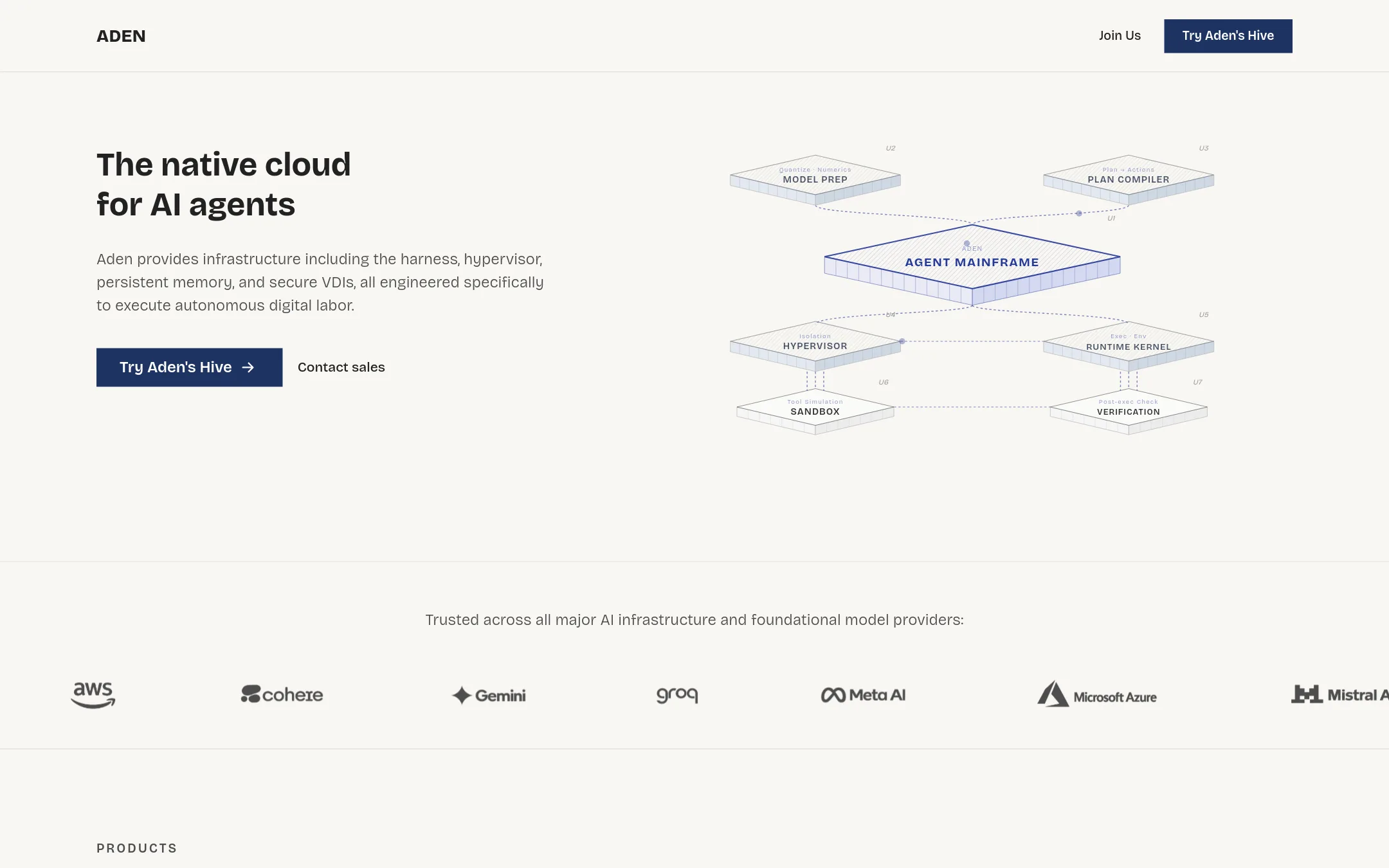
Aden provides infrastructure for running AI agents, including a hypervisor, persistent memory, and secure virtual desktops. Choose Aden if you need to deploy autonomous digital labor at scale and want a platform built specifically for agent workloads, rather than general-purpose HPC cluster orchestration.
Where it is strong
- Purpose-built for AI agent workloads, not general HPC
- Includes persistent memory and secure VDIs for agents
- Offers open-source version (OpenHive) for transparency
Where it falls short
- Pricing is credit-based, which may be less predictable than Azure's consumption model
- No mention of support for traditional HPC workloads like MPI or job scheduling
- Pricing:
- Pricing starts at $20 per month for 500 credits, with higher tiers up to $200 per month for 20,000 credits. Custom volume pricing is available.
- From $12/device/yr
10.AirDroid
Best for: IT teams and MSPs managing Android device fleets for digital signage, logistics, or healthcare that need remote control and MDM features.
- Pricing
- From $12/device/yr
- Category
- Productivity & Project Management
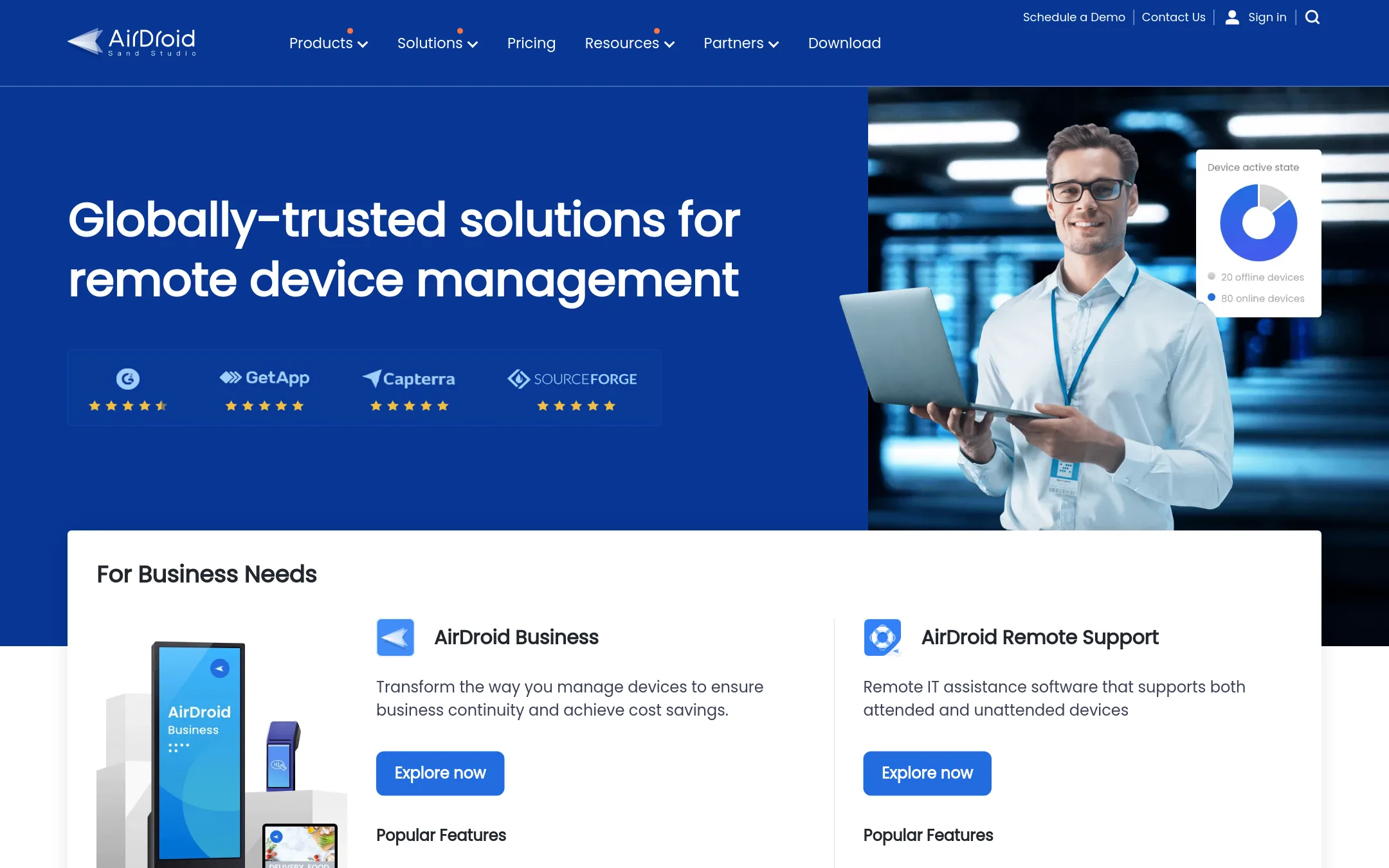
AirDroid is a remote device management suite for Android and other devices, covering MDM, remote support, file transfer, and screen casting. Choose it over Microsoft Azure CycleCloud if you need to manage fleets of Android devices, not HPC clusters, and want a simpler, device-centric tool.
Where it is strong
- Supports remote control, file transfer, and screen casting across Android, iOS, Windows, and Mac.
- Includes kiosk mode, geofencing, and security policies for business device management.
- Offers on-premises deployment for enterprise users who need data control.
Where it falls short
- Focused on device management, not HPC cluster orchestration or compute scheduling.
- Pricing is per device or license, which may be costly for large fleets.
- Pricing:
- AirDroid Business starts at less than $12 per device/year for Basic, less than $21 per device/year for Standard, and less than $33 per device/year for Enterprise. AirDroid Remote Support (Business) starts at $0 for Free, less than $199 per license/year for Bas
- Not published
11.AirWatch (Workspace ONE)
Best for: IT teams in enterprises that need device management and identity-driven access control across mobile and desktop endpoints.
- Pricing
- Not published
- Category
- Security & Privacy
AirWatch (Workspace ONE) is a VMware product for managing devices, apps, and access across an enterprise. It is a choice when you need unified endpoint management and security, not HPC cluster orchestration like Azure CycleCloud.
Where it is strong
- Unified endpoint management for mobile and desktop
- Integrated identity and access controls
- Part of the VMware by Broadcom ecosystem
Where it falls short
- No HPC or cluster orchestration features
- Pricing requires contacting sales
- Pricing:
- Pricing is not published on the site.
- Not published
12.Airtable Automations
Best for: Teams that need to automate internal workflows and build custom apps without writing code, especially in operations, marketing, or product management.
- Pricing
- Not published
- Category
- Productivity & Project Management
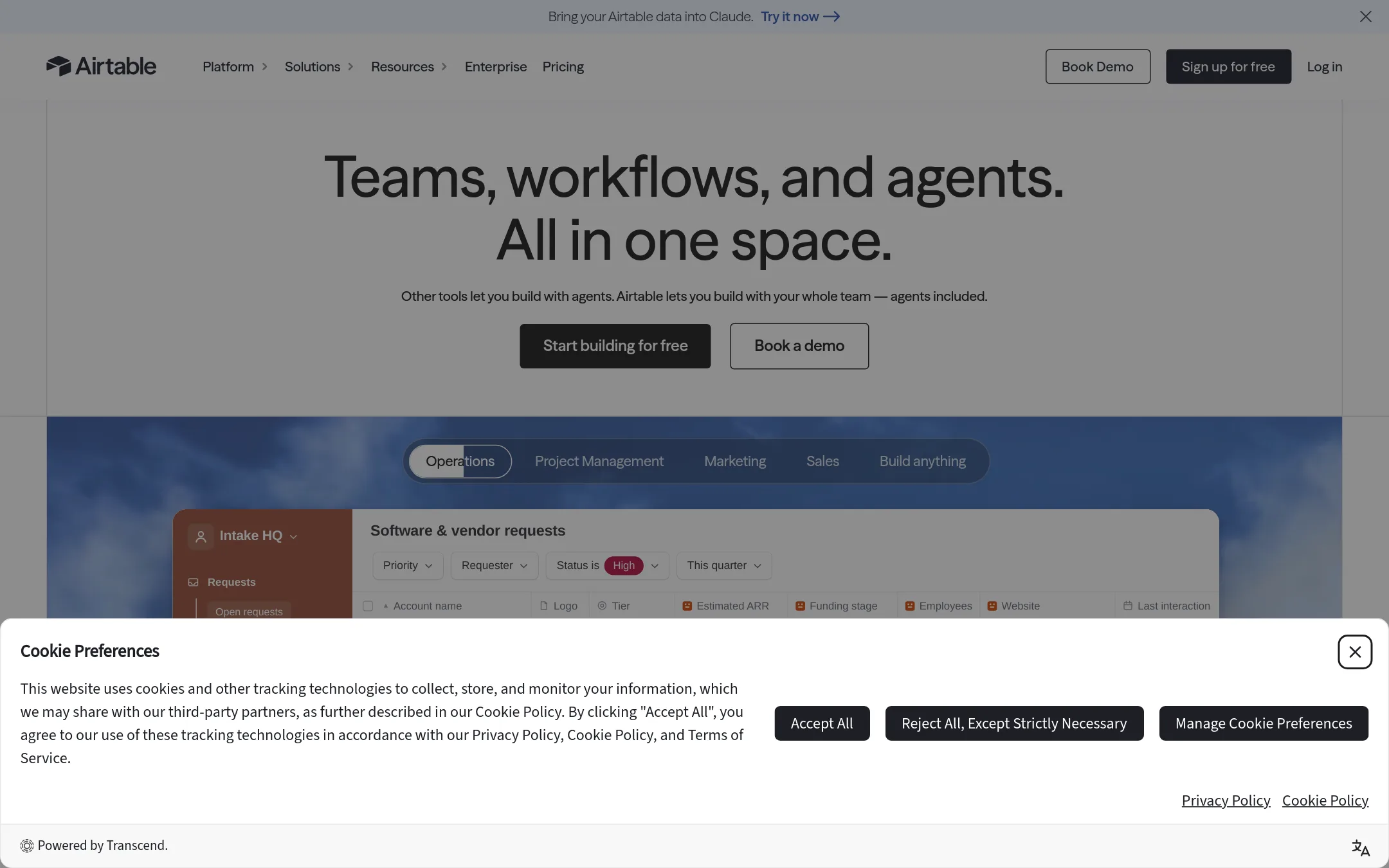
Airtable Automations is a no-code platform for building workflows and apps that connect data across teams. You would choose it over Microsoft Azure CycleCloud if your focus is on automating business processes and managing collaborative work, not on orchestrating high-performance computing clusters.
Where it is strong
- No-code workflow automation and app building
- Trusted by 500,000+ teams for real-time collaboration
- AI features integrated into workflows with enterprise security
Where it falls short
- Not designed for HPC cluster management or compute orchestration
- Pricing details are not publicly listed, requiring contact for quotes
- Pricing:
- Pricing is not published on the site.
See more comparisons in Developer Tools alternatives.
FAQ
Questions about Microsoft Azure CycleCloud alternatives
What is the best alternative to Azure CycleCloud for AWS users?
AWS ParallelCluster is the strongest alternative for AWS users. It is open source and free, with deep integration with EC2, EFS, and other AWS services. You manage it yourself, so it requires AWS expertise.
Are there open-source alternatives to Azure CycleCloud?
Yes, Slurm is an open-source workload manager for HPC and AI clusters. It is used by over half of TOP500 supercomputers and offers commercial support from SchedMD. You run and maintain it yourself, which requires expert knowledge.
Which alternative is best for engineering simulation workloads?
Altair PBS Cloud is designed for AI-driven simulation and workload management. It integrates with Siemens Xcelerator and supports hybrid cloud and on-premises HPC. Pricing is not transparent, so you need to contact sales.
Do any alternatives have published pricing?
Most alternatives do not publish pricing. Aden starts at $20 per month for 500 credits, and AirDroid Business starts at less than $12 per device per year. Others require contacting sales for quotes.
What should I consider when choosing between these tools?
Consider your cloud provider, whether you want a managed service or self-managed tool, and the type of workloads you run. Also evaluate pricing structure, support options, and integration with your existing software stack.
Last updated November 3, 2026.