
Balance alternatives
11 products compared · Updated October 16, 2026
The short answer
The three strongest alternatives to Balance are Stripe, Adyen, and Versapay. Stripe suits teams needing a flexible, global payments stack with extensive integrations. Adyen is best for large enterprises and marketplaces requiring a unified, globally scaled platform. Versapay is ideal for finance teams wanting to automate the entire invoice-to-cash process.
Your shortlist, at a glance
Read the comparisons ↓ Stripe2.9% + 30¢Teams that want a flexible, global payments stack with extensive integrations and billing features beyond B2B trade.
 Adyen1% + fee (physical)Large enterprises and marketplaces that need a unified, globally scaled payments platform with banking licenses and 99.999% uptime.
 MelioFree, then $0.50/ACHSmall businesses and accounting firms that want simple bill pay, invoicing, and accounting sync without a developer.
 RebillNot publishedCompanies expanding into Latin America that need local payment methods and recurring billing.
 BrexNot publishedStartups and mid-size companies that want corporate cards, expense controls, and automated accounting in one platform.
 LiveRampFrom $20,000/yrEnterprise marketing teams that need to activate first-party data across ad platforms like Disney, Hulu, and TikTok and measure campaign lift.
 PayPalNot publishedConsumers and small businesses that want a simple wallet for online purchases, peer-to-peer transfers, and installment payments.
 Square PayrollNot publishedSmall businesses already using Square that want payroll and scheduling in the same workflow
 BraintreeNot publishedOnline businesses that want a single platform for global consumer payments, including PayPal and Venmo, with payouts to 200+ markets.
 VersapayNot publishedFinance teams that want to automate the entire invoice-to-cash process, especially those with high invoice volumes and complex reconciliation needs.
 Waking UpSee websiteA new operating system for your mind
About Balance and its alternatives
Balance is a digital payment experience company built for B2B commerce. It is known for customizing its product to fit customer needs, giving buyers payment flexibility without adding risk or friction, and helping solve challenges in B2B marketplaces.
When comparing alternatives, weigh pricing structure, regions served, integrations, support, and contract terms. Some products publish transparent pricing, while others require sales quotes. Consider whether you need B2B-specific trade workflows or a broader payments platform.
Explore the alternatives
- 2.9% + 30¢
1.Stripe
Best for: Teams that want a flexible, global payments stack with extensive integrations and billing features beyond B2B trade.
- Pricing
- 2.9% + 30¢
- Category
- Finance & Accounting
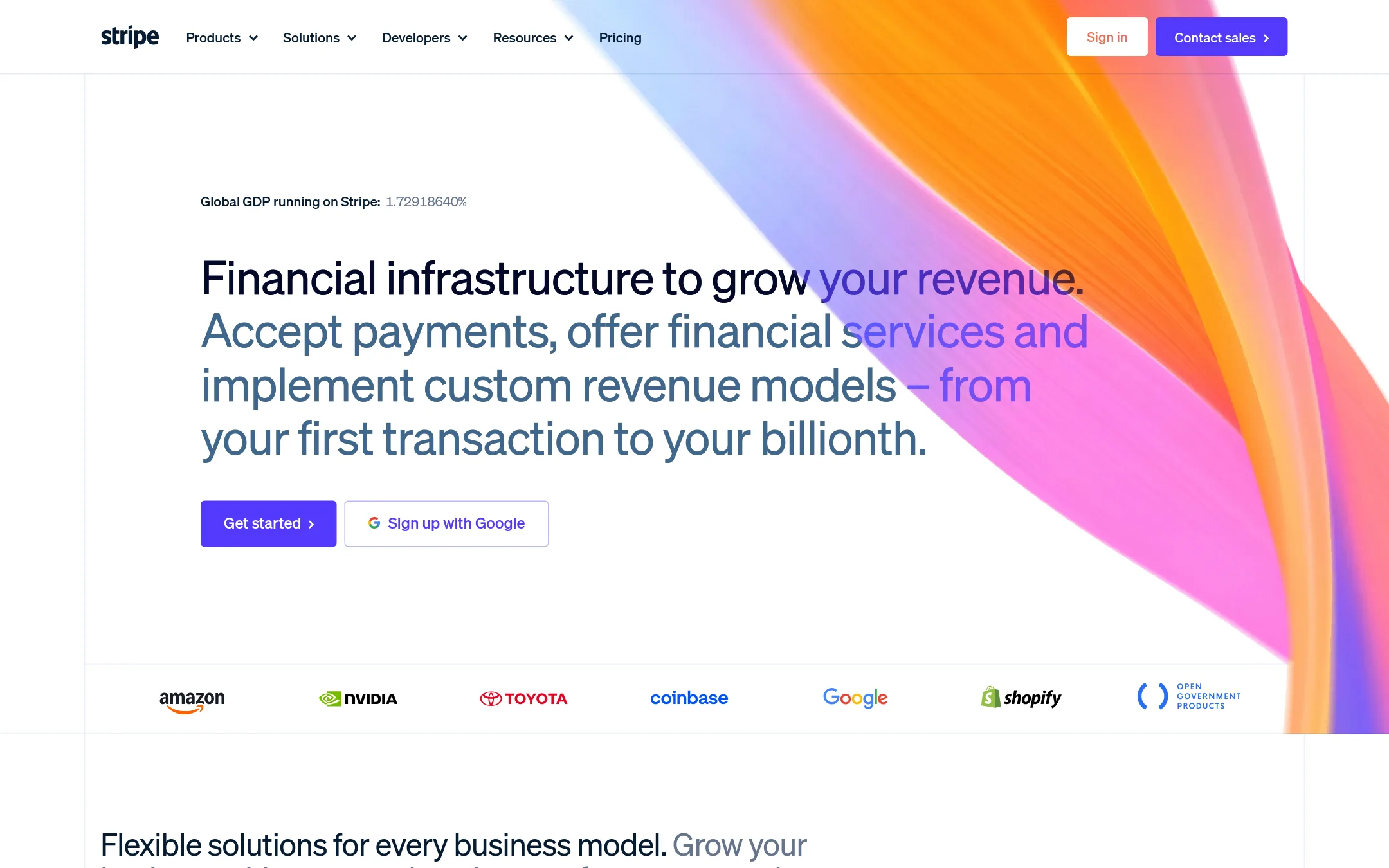
Stripe is a broad payments platform for accepting payments, managing billing, and moving money across the internet. Choose it over Balance if you need a general-purpose processor with global reach, many payment methods, and tools for subscriptions, marketplaces, and in-person sales.
Where it is strong
- Supports 135+ currencies and payment methods globally.
- Handles subscriptions, marketplaces, and in-person payments.
- Strong uptime and scale, processing $1.9T in 2025.
Where it falls short
- Not specialized for B2B trade workflows like Balance.
- Pricing for many features is custom, not transparent.
- Pricing:
- Standard pricing is 2.9% + 30¢ per successful transaction for domestic cards, with custom pricing for other features.
- Switching from Balance:
- Moving from Balance to Stripe means rebuilding payment flows around Stripe's APIs and dashboard, which may require custom work to replicate B2B-specific features.
- 1% + fee (physical)
2.Adyen
Best for: Large enterprises and marketplaces that need a unified, globally scaled payments platform with banking licenses and 99.999% uptime.
- Pricing
- 1% + fee (physical)
- Category
- Finance & Accounting
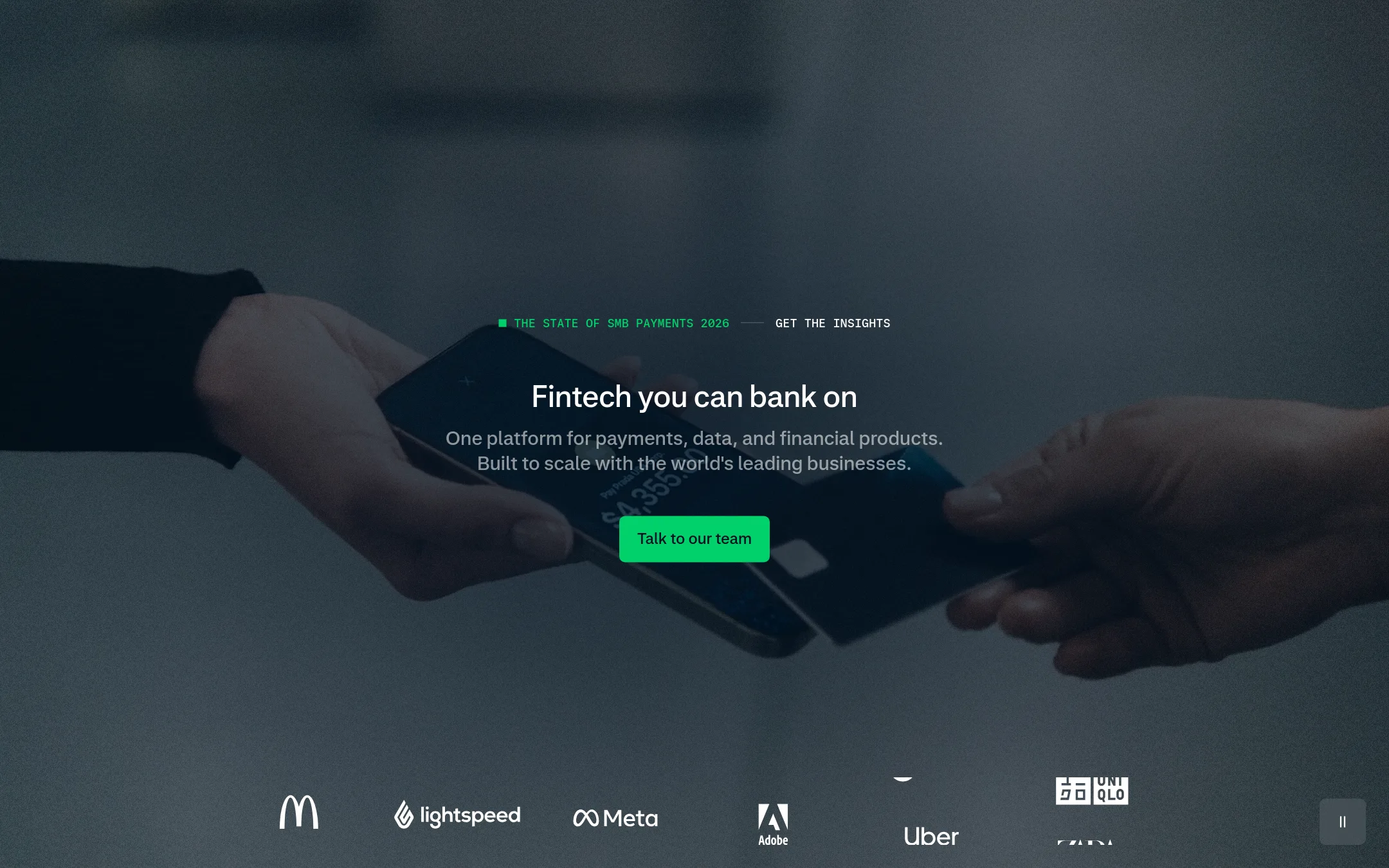
Adyen is a global enterprise fintech platform that handles payments, data, and financial products in one stack. Choose it over Balance when you need a single integration for card acquiring, payouts, and embedded financial services across 150+ currencies and 200+ local payment methods.
Where it is strong
- One API for payments, payouts, card issuing, and capital
- Backed by US, UK, and EU banking licenses
- Supports 150+ currencies and 200+ local payment methods
Where it falls short
- Pricing varies by industry and payment method, so final costs are unclear without a sales quote
- Not designed specifically for B2B trade flows like Balance is
- Pricing:
- Adyen charges a fixed processing fee plus a payment-method fee per transaction, with no setup or monthly fees. Interchange++ pricing passes interchange costs directly, and physical goods are 1% (min EUR 0.12) while digital goods are 2% (min EUR 0.12).
- Free, then $0.50/ACH
3.Melio
Best for: Small businesses and accounting firms that want simple bill pay, invoicing, and accounting sync without a developer.
- Pricing
- Free, then $0.50/ACH
- Category
- Finance & Accounting
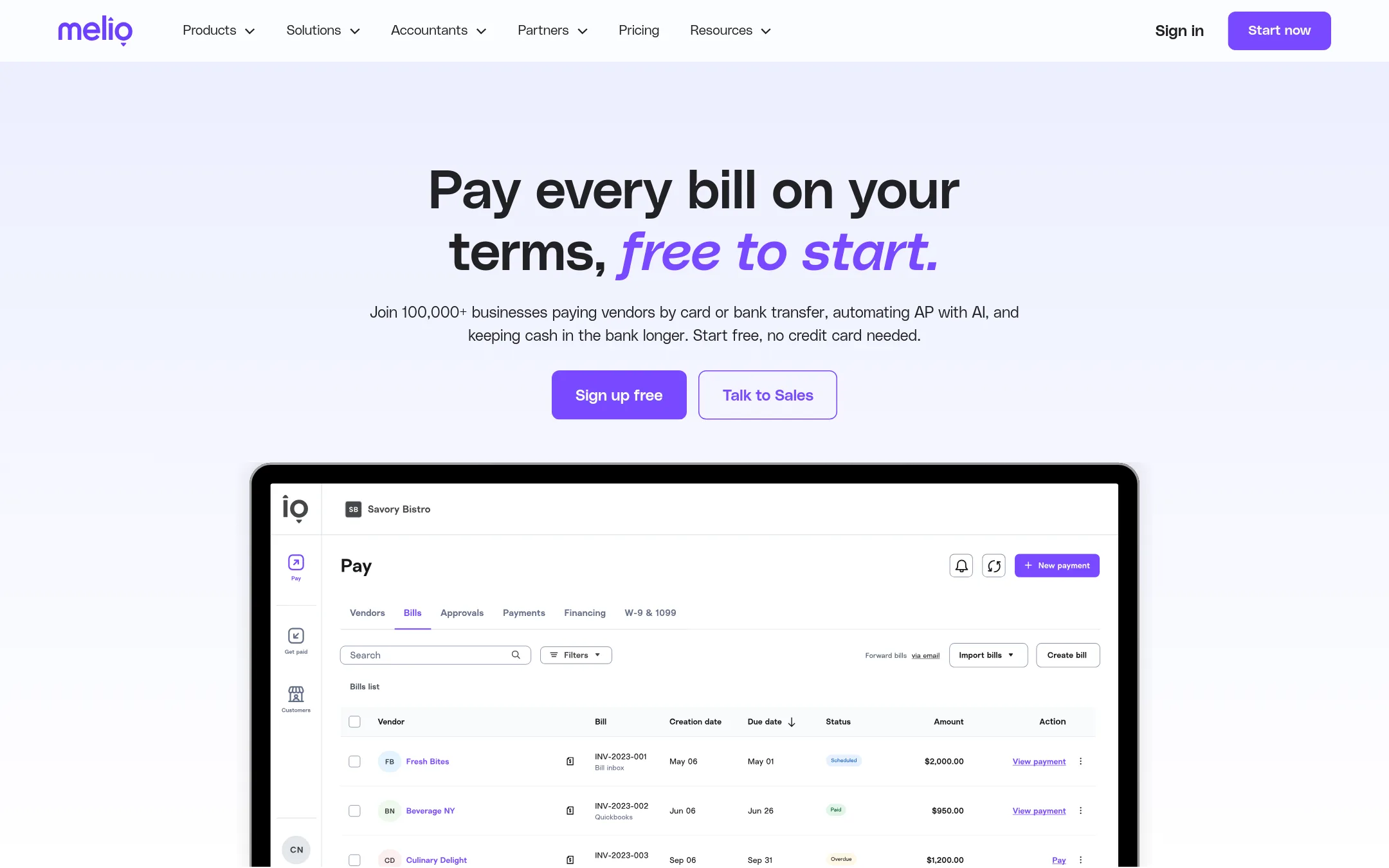
Melio is a bill payment and invoicing platform for small businesses. Choose it over Balance if you need to pay vendors by ACH, card, or check and want free invoicing built in, rather than B2B payment infrastructure for large marketplaces.
Where it is strong
- Free ACH payments each month, with a small fee after that.
- Pay vendors by card even where cards aren't accepted.
- Includes free invoicing and payment links for getting paid.
Where it falls short
- Limited to 5 or 20 free ACH payments per month depending on plan.
- Not designed for complex B2B marketplace payment flows like Balance.
- Pricing:
- Melio offers a free plan with 5 ACH payments per month, then $0.50 per ACH payment. Paid plans start at an unlisted price and include 20 free ACH payments per month.
- Switching from Balance:
- Moving from Balance to Melio means shifting from a customizable payment infrastructure to a standardized bill pay tool, which may require reworking your payment workflows.
- Not published
4.Rebill
Best for: Companies expanding into Latin America that need local payment methods and recurring billing.
- Pricing
- Not published
- Category
- Finance & Accounting
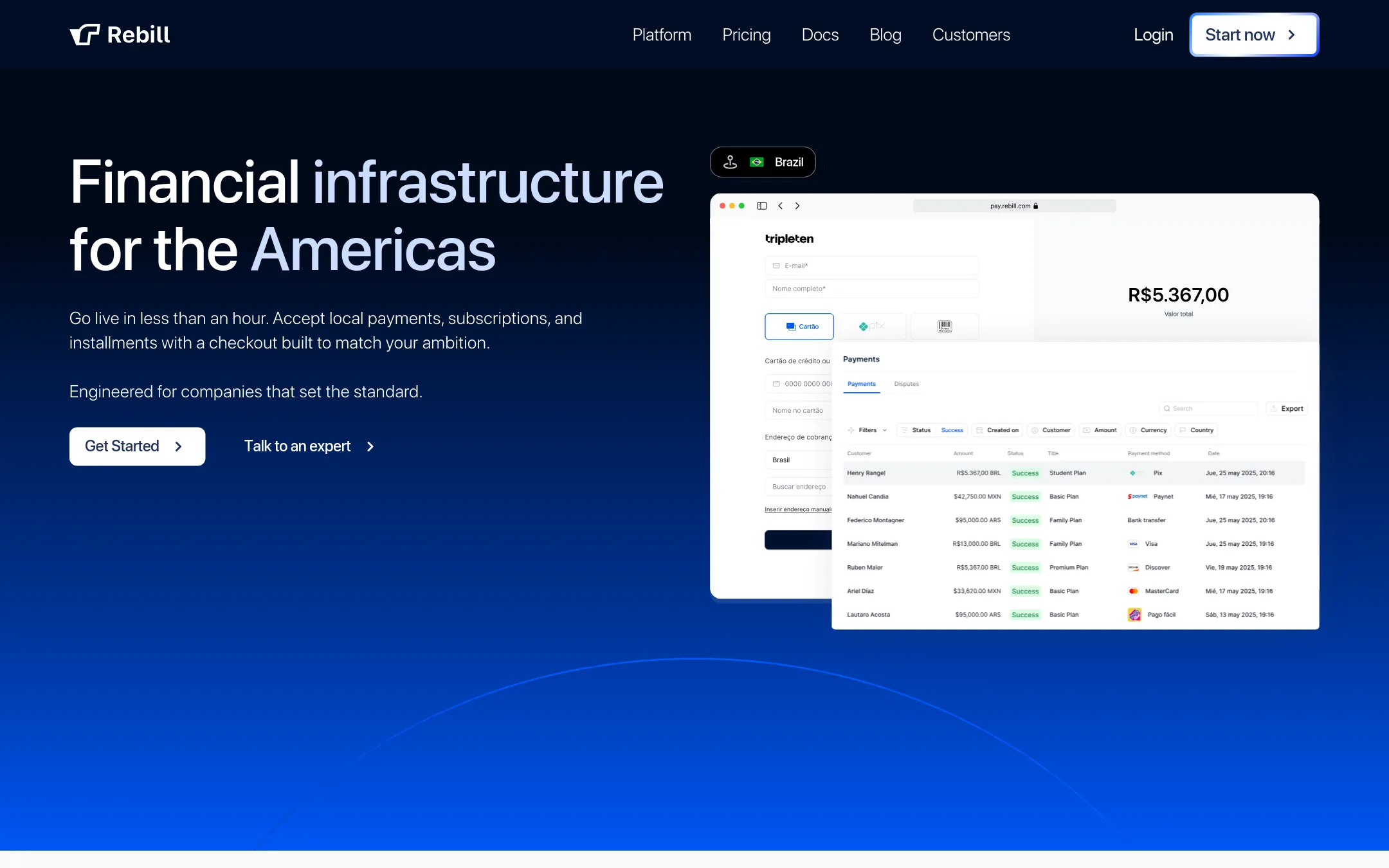
Rebill is a payment platform built for Latin America, with local payment methods like PIX, SPEI, and OXXO across multiple countries. Choose it instead of Balance if your business operates in LATAM and needs a single integration to accept payments and manage subscriptions locally.
Where it is strong
- Local payment methods in Mexico, Colombia, Brazil, Argentina, Chile, and Peru.
- Intelligent retries recover up to 71% of failed payments.
- Automated notifications via WhatsApp, SMS, and email to update payment methods.
Where it falls short
- Only registered companies can use it. No individual accounts.
- Funds are available after 15 days (30 in Brazil), which may be slower than Balance.
- Pricing:
- Pricing is not published on the site. Only fees for refunds ($2 each), claims ($15 each), and wire transfers ($15 or $25) are listed.
- Not published
5.Brex
Best for: Startups and mid-size companies that want corporate cards, expense controls, and automated accounting in one platform.
- Pricing
- Not published
- Category
- Finance & Accounting
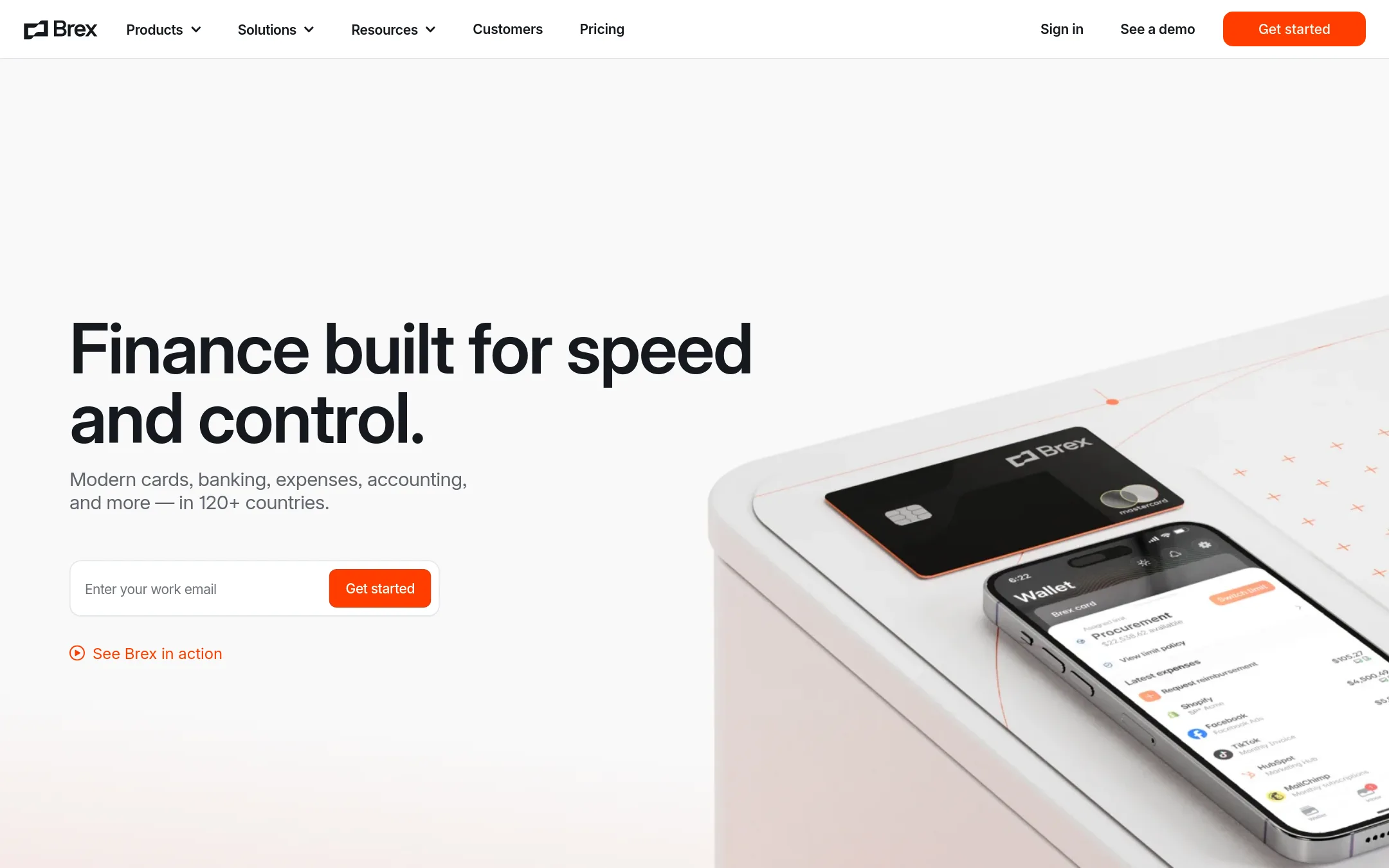
Brex is a finance platform for corporate cards, expense management, travel, bill pay, and banking. Choose it over Balance if you need a broader spend management stack for your own company rather than payment infrastructure for B2B commerce.
Where it is strong
- Global card acceptance in 210+ countries and local-currency cards in 50+ countries.
- AI-powered expense automation and accounting integrations with ERPs.
- Up to 3.92% yield on business account balances and up to $6M FDIC insurance through program banks.
Where it falls short
- Pricing is not transparent. You must contact sales for Premium or Enterprise.
- Focus is on spend management for your company, not on B2B payment infrastructure for marketplaces.
- Pricing:
- Pricing is not published on the site. Plans are listed as Essentials, Premium, and Enterprise with 'Get started for free' or 'Contact sales'.
- From $20,000/yr
6.LiveRamp
Best for: Enterprise marketing teams that need to activate first-party data across ad platforms like Disney, Hulu, and TikTok and measure campaign lift.

- Pricing
- From $20,000/yr
- Category
- Marketing & Sales
LiveRamp is a data collaboration network for marketing, not a payment platform. You would choose it instead of Balance if your priority is connecting customer data across ad platforms and measuring campaign impact, not handling B2B payments.
Where it is strong
- Connects data across major ad platforms like Netflix, TikTok, and Pinterest.
- Consumption model scales with usage, with volume discounts at higher tiers.
- Recognized by analysts, including a Leader in 2025 IDC MarketScape for data clean rooms.
Where it falls short
- Pricing starts at $20,000 per year, far above Balance's typical SMB-friendly entry.
- Focused on marketing data, not payments, so it won't handle B2B transactions or invoicing.
- Pricing:
- Standard starts at $20,000 per year, Premier at $150,000, and Enterprise at $360,000, with token-based consumption and add-ons.
- Not published
7.PayPal
Best for: Consumers and small businesses that want a simple wallet for online purchases, peer-to-peer transfers, and installment payments.

- Pricing
- Not published
- Category
- Finance & Accounting
PayPal is a consumer-focused digital wallet for sending money, shopping online, and paying in installments. Choose it over Balance if you need a widely recognized payment method for individuals and small merchants, not B2B commerce infrastructure.
Where it is strong
- Widely accepted by online merchants and consumers.
- Offers buy now, pay later options like Pay in 4 and Pay Monthly.
- Includes a savings account with 3.55% APY and crypto trading.
Where it falls short
- Not built for B2B invoicing or complex payment flows.
- Consumer focus means fewer features for marketplace or platform needs.
- Pricing:
- Pricing is not published on the site.
- Not published
8.Square Payroll
Best for: Small businesses already using Square that want payroll and scheduling in the same workflow

- Pricing
- Not published
- Category
- Finance & Accounting
Square Payroll handles payroll, shift scheduling, and staff management inside the Square ecosystem. Choose it if you already run your business on Square and need payroll tied to your existing point-of-sale and employee records, rather than Balance's B2B payment infrastructure.
Where it is strong
- Integrated with Square's POS and staff management tools
- Handles payroll, scheduling, and time tracking in one place
- Familiar to businesses already using Square
Where it falls short
- No B2B payment or invoicing features like Balance offers
- Limited to Square's ecosystem, so not for companies needing standalone payment infrastructure
- Pricing:
- Pricing is not published on the site.
- Not published
9.Braintree
Best for: Online businesses that want a single platform for global consumer payments, including PayPal and Venmo, with payouts to 200+ markets.
- Pricing
- Not published
- Category
- Finance & Accounting
Braintree is PayPal's enterprise payments platform, handling card, wallet, and local payment methods globally. Choose it over Balance if you need a broad consumer payment stack with PayPal, Venmo, and Pay Later built in, rather than B2B-specific invoicing and trade workflows.
Where it is strong
- Supports PayPal, Venmo, Apple Pay, Google Pay, and local methods
- Payouts to 200+ markets in 50+ currencies
- Level 1 PCI DSS compliant with SAQ-A ready-built interfaces
Where it falls short
- No B2B-specific invoicing or trade payment features
- Pricing not transparent on the site
- Pricing:
- Pricing is not published on the site.
- Switching from Balance:
- Moving from Balance means rebuilding payment flows around Braintree's consumer-oriented checkout, not carrying over B2B trade terms or invoicing.
- Not published
10.Versapay
Best for: Finance teams that want to automate the entire invoice-to-cash process, especially those with high invoice volumes and complex reconciliation needs.
- Pricing
- Not published
- Category
- Finance & Accounting
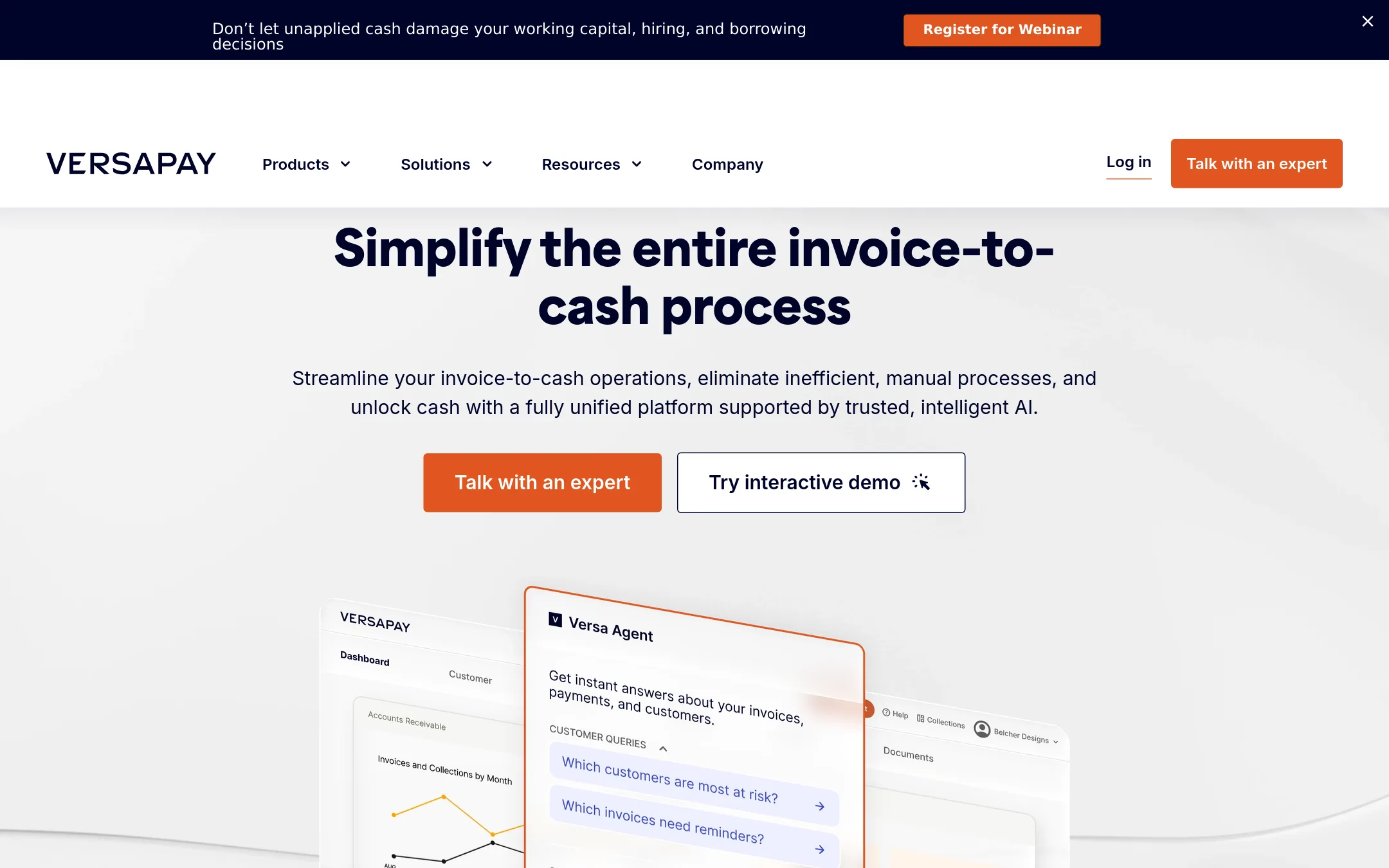
Versapay is an accounts receivable automation platform that covers the whole invoice-to-cash cycle, from invoicing and collections to cash application and reconciliation. Choose it over Balance if you need to automate AR workflows, integrate with your ERP, and reduce manual payment matching, rather than just handling B2B payments.
Where it is strong
- Automates cash application and reconciliation, matching payments to invoices automatically.
- Includes collections management with automated dunning and risk prioritization.
- Offers a branded customer portal for self-serve payments via ACH, credit card, and virtual card.
Where it falls short
- Pricing is not transparent, likely requiring a sales conversation.
- Focuses on AR automation rather than being a payment infrastructure layer like Balance, so it may not fit companies that just need payment p
- Pricing:
- Pricing is not published on the site.
- See website
11.Waking Up
Media & Entertainment
A new operating system for your mind
See more comparisons in Finance & Accounting alternatives.
FAQ
Questions about Balance alternatives
What is the main difference between Balance and Stripe?
Balance is specialized for B2B trade workflows, while Stripe is a general-purpose payments platform. Stripe supports subscriptions, marketplaces, and in-person sales, but lacks B2B-specific invoicing and trade features.
Which alternative is best for a large enterprise with global operations?
Adyen is best for large enterprises and marketplaces needing a unified, globally scaled platform. It supports 150+ currencies and 200+ local payment methods, with banking licenses and 99.999% uptime.
Are there alternatives with transparent pricing?
Stripe publishes standard pricing at 2.9% + 30¢ per transaction, and Melio offers a free plan with 5 ACH payments per month. Other alternatives like Brex, Rebill, and Versapay do not publish full pricing.
Which alternative is best for automating accounts receivable?
Versapay automates the entire invoice-to-cash cycle, including invoicing, collections, and cash application. It integrates with ERPs and reduces manual payment matching, making it ideal for finance teams with high invoice volumes.
Can any alternative handle payments in Latin America?
Rebill is built for Latin America, supporting local payment methods like PIX, SPEI, and OXXO across multiple countries. It is best for companies expanding into that region, though funds are available after 15 days (30 in Brazil).
Last updated October 16, 2026.