WAlternatives to Workplace from Meta
Looking for an alternative to Workplace from Meta? Below are 8 credible competitors, compared by category, pricing and what makes each a fit — including free and lower-cost options.
Microsoft Teams is a widely adopted enterprise collaboration hub combining chat, video, file sharing and workflow automation inside Microsoft 365. It offers strong SSO, compliance certifications and mobile apps but typically requires cloud or hybrid Azure deployment rather than fully air-gapped on-premise installs. Compared with TeamNote, Teams provides deeper integration with Outlook and SharePoint yet less emphasis on fully custom-branded standalone mobile apps and higher per-user licensing for large regulated organizations.
NotionNotion offers flexible wiki-style pages, databases and team collaboration in a single workspace with strong mobile apps. Its freemium model and cloud hosting contrast with TeamNote's enterprise security certifications and on-premise choices. Knowledge-management teams sometimes review Notion versus TeamNote when customizable pages outweigh the need for bank-vault encryption and government-grade compliance.
TeamNoteMicrosoft Teams is a widely adopted enterprise collaboration hub combining chat, video, file sharing and workflow automation inside Microsoft 365. It offers strong SSO, compliance certifications and mobile apps but typically requires cloud or hybrid Azure deployment rather than fully air-gapped on-premise installs. Compared with TeamNote, Teams provides deeper integration with Outlook and SharePoint yet less emphasis on fully custom-branded standalone mobile apps and higher per-user licensing for large regulated organizations.
SlackSlack delivers fast team messaging, channels and extensive app integrations popular with tech and mid-market companies. Its cloud-first model and free tier differ from TeamNote's enterprise contact pricing and on-premise focus. While Slack excels at developer workflows and notifications, it lacks TeamNote's built-in custom branding for internal mobile apps and bank-grade offline deployment options required by government or financial clients.
Asana specializes in task and project management with timelines, workflows and reporting rather than primary secure messaging. It offers SSO and compliance features but lacks TeamNote's emphasis on branded internal communication channels and on-premise options. Project-centric teams sometimes evaluate Asana alongside TeamNote when workflow analytics matter more than mobile-first chat for deskless staff.
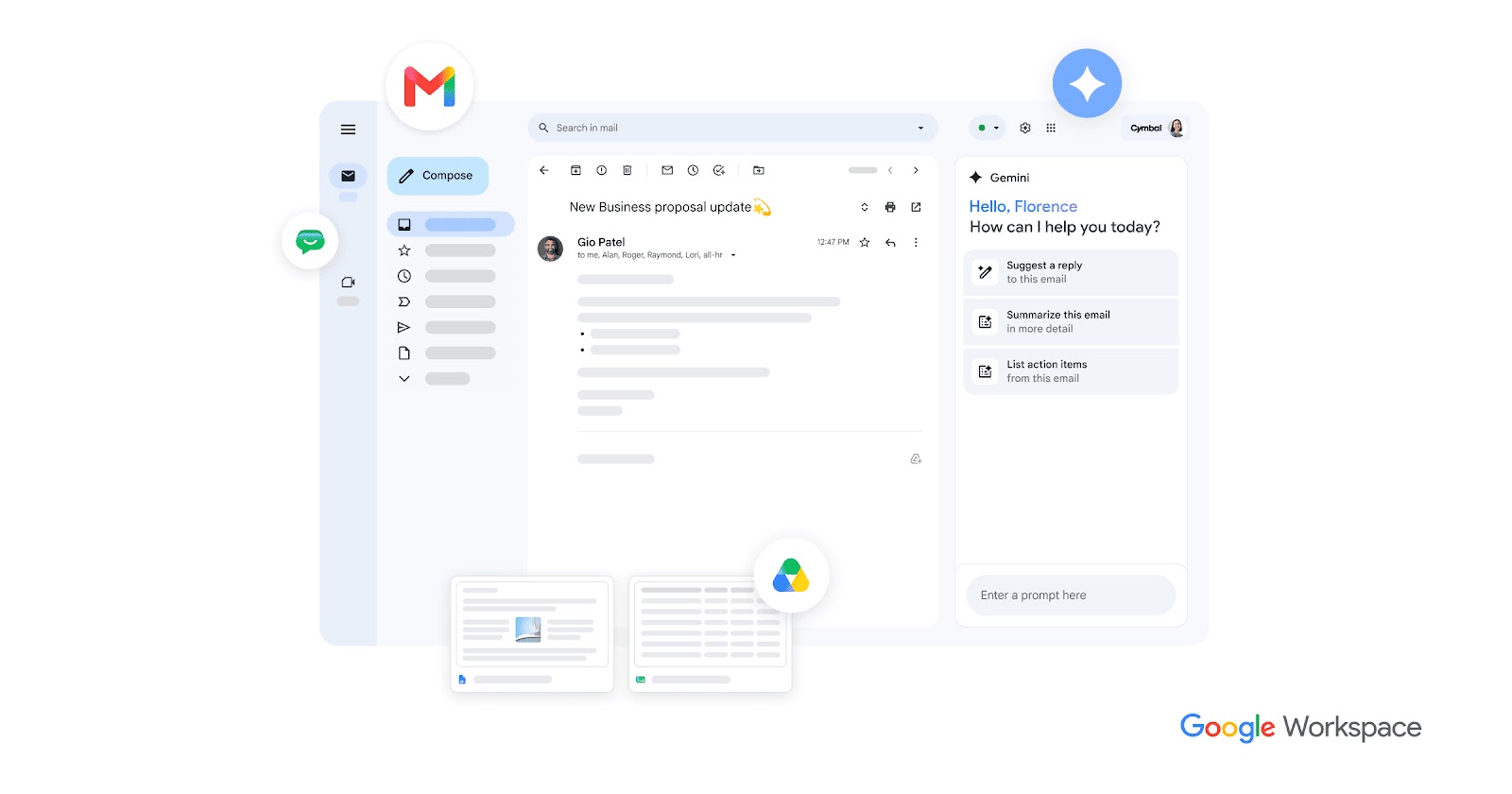
Google WorkspaceGoogle Workspace combines Gmail, Drive, Meet and Chat for collaborative productivity with strong mobile support and admin controls. Its subscription model and cloud-only architecture contrast with TeamNote's flexible hosting and hardware-bundled enterprise packages. Teams needing deep legacy system integration or fully offline AI agents may find Workspace less aligned than TeamNote's private deployment focus.
Monday.com provides customizable work OS for projects, CRM and operations with visual dashboards and automation. Cloud subscription pricing and broad templates differ from TeamNote's contact-based enterprise model and private-cloud focus. Organizations seeking TeamNote alternatives for visual process tracking may consider Monday.com when internal branding and air-gapped security are secondary to rapid no-code configuration.
BasecampBasecamp supplies straightforward project communication, to-dos and file sharing aimed at small-to-medium teams. Flat pricing and simple interface differ from TeamNote's modular enterprise platform and custom branding depth. Companies exploring lighter alternatives to TeamNote may consider Basecamp when ease of use for remote teams matters more than ISO-certified on-premise deployment or legacy system SSO.