Slack alternatives
12 products to explore · 2026
Your shortlist, at a glance.
Read the comparisons ↓
Check each product’s website for current pricing and features. A verified badge indicates a verified listing, not a ranking.
About Slack and its alternatives
Users searching for Slack alternatives often want options that deliver similar AI-powered collaboration, project management, and workflow automation without the same learning curve or costs. Slack excels as an agentic platform where Slackbot acts as a personal AI agent coordinating tasks across apps, summarizing conversations, and enabling enterprise search over company knowledge. Teams use it for channels, huddles, Canvas docs, and secure external connections via Slack Connect. Alternatives may appeal if you need simpler interfaces, stronger on-premise options, different AI models, or industry-specific templates. Whether replacing Slack for small business CRM flows, engineering code reviews with GitHub Copilot integration, or scaling AI agents with Agentforce, the right choice depends on your team's size, existing tech stack, and focus on productivity versus specialized security or compliance needs.
Explore the alternatives

1.Gather
Productivity & Project ManagementBuilding a better way to meet online.

2.Mattermost
Productivity & Project ManagementSecure Collaboration for Technical Teams

3.TeamNote
Productivity & Project ManagementMobile Productivity(Slack for mobile workforces)
- T
4.TyltGO
Productivity & Project ManagementTyltGO powers retailers with same-day delivery.
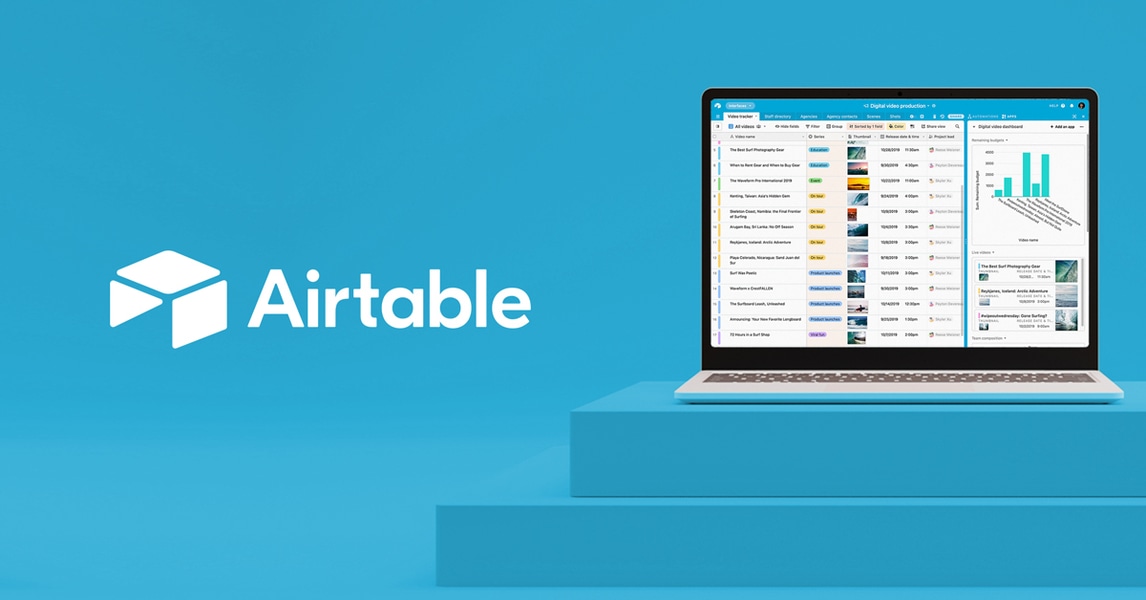
5.Airtable Automations
Productivity & Project ManagementAutomate tasks and streamline workflows with Airtable's no-code platform.
- A
6.Asana
Productivity & Project ManagementManage team work, projects, and tasks with AI-powered clarity and accountability
7.Basecamp
Productivity & Project ManagementThe calm, organized way to manage projects, work with clients, and communicate company-wide.
- C
8.Cisco Webex
Productivity & Project ManagementEnterprise collaboration platform by Cisco
9.ClickUp
Productivity & Project ManagementSoftware to replace all software with AI Agents, projects and 20+ tools
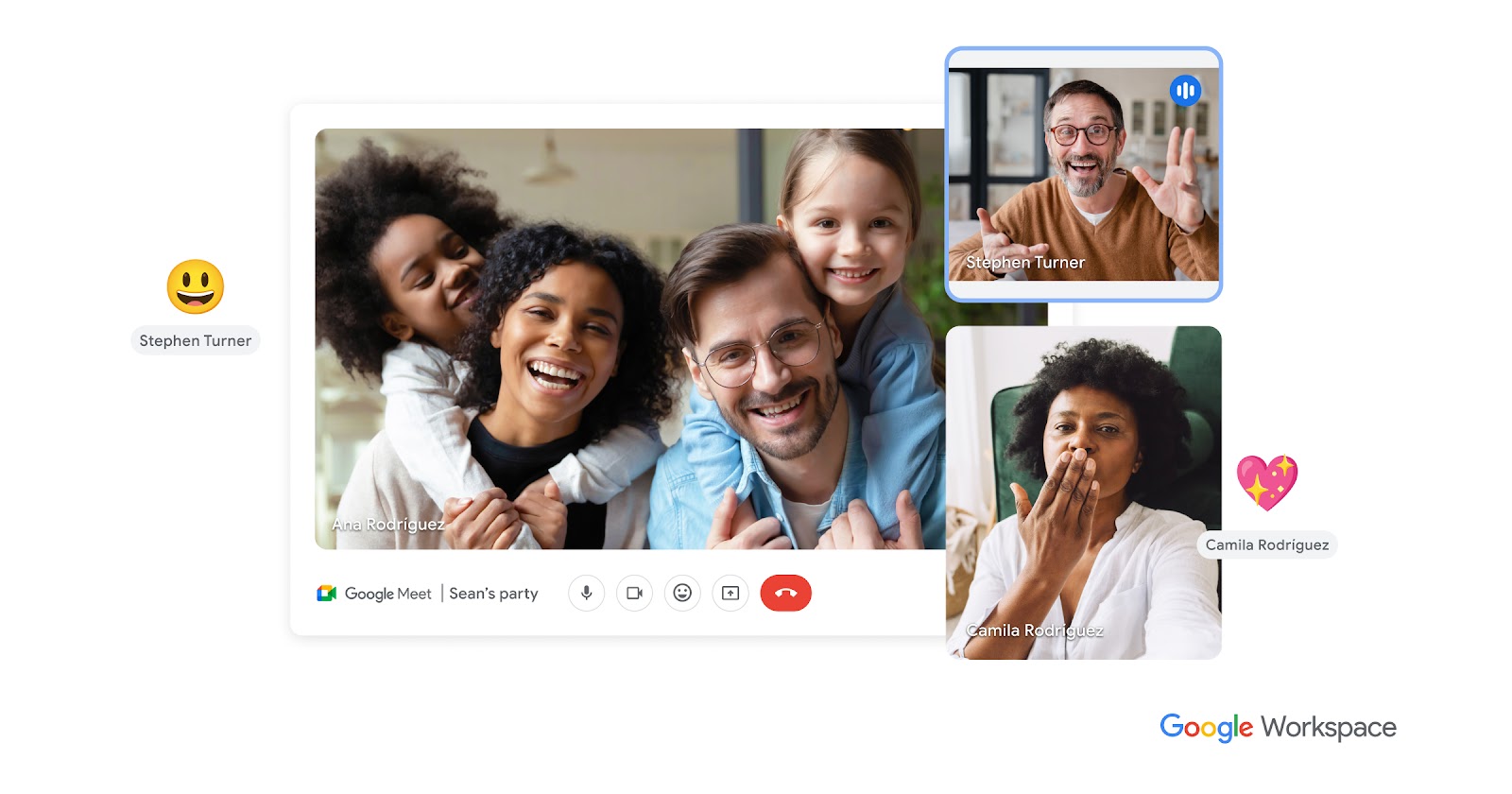
10.Google Meet
Productivity & Project ManagementSecure video conferencing integrated with Google Workspace.
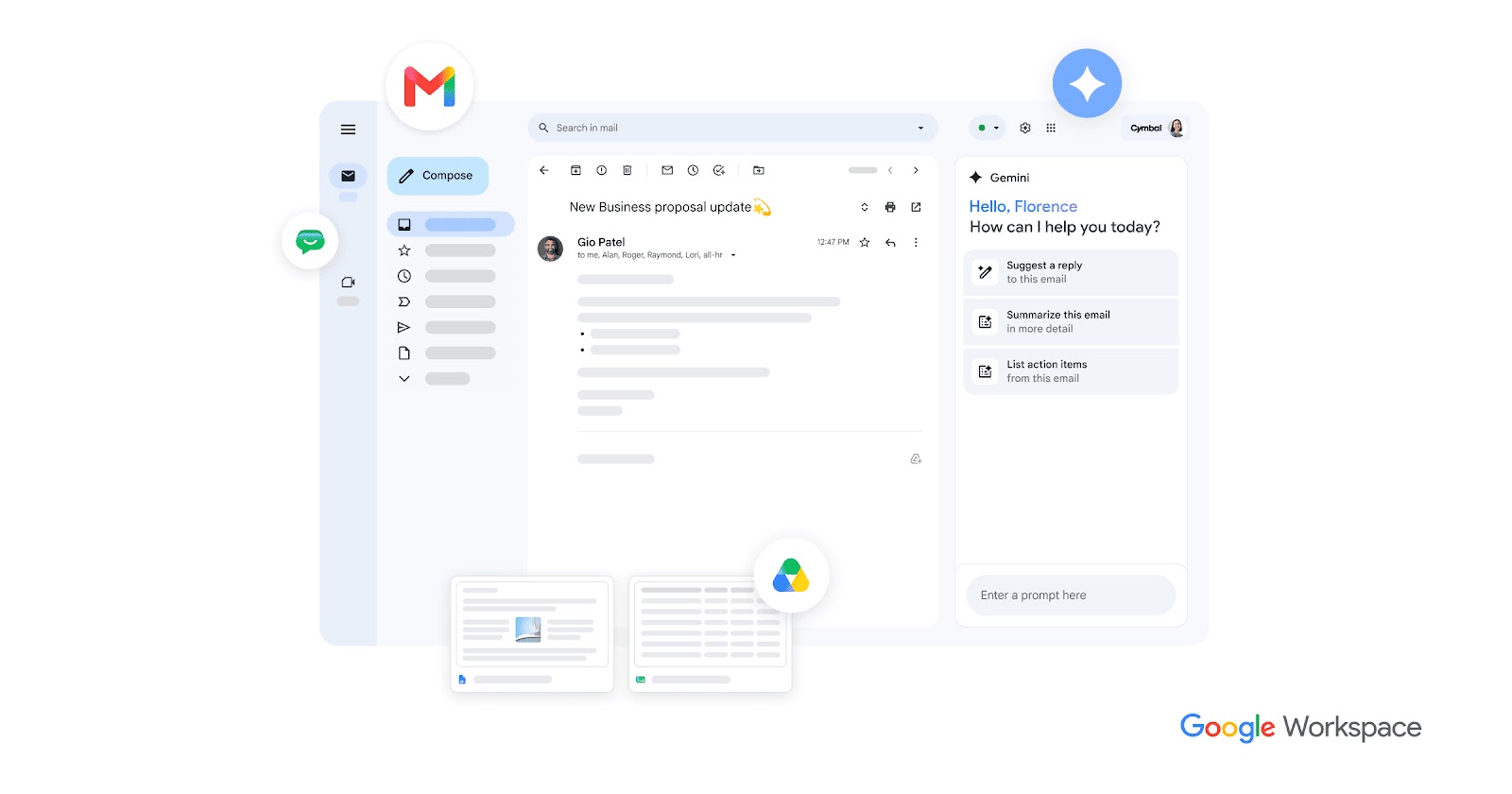
11.Google Workspace
Productivity & Project ManagementBusiness apps and productivity tools for teams and organizations
12.Kumospace
Productivity & Project ManagementVirtual office platform for remote team collaboration with spatial audio and chat.
See more comparisons in Productivity & Project Management alternatives.
Questions about Slack alternatives
What Slack alternatives offer similar AI agents like Slackbot for task automation?
Alternatives such as Microsoft Teams with Copilot or platforms integrating Claude provide AI agents that summarize threads, answer questions from company data, and automate workflows. Unlike Slack's context-aware Slackbot that spans apps and agents, some focus more on meeting notes or code assistance while lacking Slack's unified enterprise search over conversations and files.
How do Slack alternatives compare for small business CRM and customer management?
Tools like Zoho Cliq or Flock integrate CRM data directly into chats similar to Slack's Salesforce and Slackbot CRM features. They suit smaller teams seeking lower costs but may trail Slack in rich Canvas docs, lists for project tracking, and AI note-taking during huddles.
Which Slack alternatives are best for external partner collaboration and Slack Connect style workflows?
Microsoft Teams and Google Chat support guest access and shared channels with strong compliance, matching Slack Connect for working with external partners. They often include better native video but can feel less flexible for custom agents and marketplace apps compared to Slack's agentic platform.
Are there Slack alternatives with better on-premise or self-hosted options for security?
Mattermost and Rocket.Chat deliver self-hosted deployments with strong encryption and compliance controls that appeal to regulated industries. They replicate channels and messaging but typically offer fewer built-in AI capabilities like Slack's Agentforce or Claude-powered answers from internal knowledge.
What Slack alternatives focus on project templates, lists, and Canvas-style docs?
Notion or ClickUp provide flexible docs and task lists akin to Slack Canvas and templates, with strong search. They emphasize knowledge bases over real-time chat and AI agents, making them suitable when teams prioritize async project management rather than Slack's always-on collaboration and huddles.
How do pricing and free tiers compare between Slack and its alternatives?
Many alternatives like Google Chat or Discord offer generous free tiers for basic messaging and channels. Slack's freemium model includes AI features on paid plans, so cost-conscious teams often switch for simpler pricing while sacrificing advanced enterprise search, Agentforce agents, and deep CRM integrations.