
AccessOwl alternatives
6 products compared · Updated November 9, 2026
The short answer
The three strongest alternatives to AccessOwl are Vanta, Drata and Okta. Vanta suits startups and mid-market security teams that need SOC 2 or ISO 27001 and continuous control monitoring across the company. Drata suits startups and mid-size companies running SOC 2, ISO 27001 or several frameworks at once who want one system for controls, evidence and a trust center. Okta suits mid-size and enterprise organizations that need a full identity provider with single sign-on, adaptive MFA and customer identity in one platform.
Your shortlist, at a glance
Read the comparisons ↓ OktaFrom $6/user/moMid-size and enterprise organizations that need a full identity provider with single sign-on, adaptive MFA and customer identity in one platform.
- LLumosNot publishedSecurity and IT teams at larger organizations that want agents to govern machine identities, AI agents and access reviews, not just SaaS provisioning.
 ToriiNot publishedScale-up and enterprise IT teams that want SaaS spend, AI tool governance and access management in one platform
- ZZluriNot publishedEnterprises with sprawling SaaS, cloud and AI tooling that need to govern service accounts and AI agents alongside human users
 VantaCustom quoteStartups and mid-market security teams that need SOC 2 or ISO 27001 and continuous control monitoring across the whole company.
 DrataNot publishedStartups and mid-size companies that need to run SOC 2, ISO 27001 or several frameworks at once and want one system for controls, evidence and a trust center.
About AccessOwl and its alternatives
AccessOwl is an access governance and SaaS management tool. According to its site, it automates user account provisioning, access requests, approvals and reviews, and detects shadow IT. It is known for working alongside an existing identity provider, for Slack-based approvals, and for managing apps that lack SCIM or SAML support.
When comparing alternatives in this category, weigh the pricing structure, since some vendors publish per-user prices and others quote every buyer case by case. Check regional availability, the integrations that matter for your stack, the level of support included in each tier, and the contract terms. Also decide whether you need an identity provider, a compliance platform, or a SaaS spend tool, because these products solve different parts of the problem.
Explore the alternatives
- From $6/user/mo
1.Okta
Best for: Mid-size and enterprise organizations that need a full identity provider with single sign-on, adaptive MFA and customer identity in one platform.
- Pricing
- From $6/user/mo
- Category
- Security & Privacy
Okta is a broad identity platform covering single sign-on, MFA, lifecycle management, privileged access and identity governance for workforce and customer identity. Teams pick it over AccessOwl when they need an identity provider at the centre of access control, or when they need to govern access to privileged infrastructure and customer-facing login, not just manage SaaS access on top of their existing IdP.
Where it is strong
- Single sign-on, MFA and lifecycle management in one platform
- Covers both workforce identity and customer identity
- Privileged access management for servers and SaaS apps
Where it falls short
- Full feature set is spread across higher-priced tiers and add-ons
- Requires moving identity into Okta, which is more change than AccessOwl's approach of working alongside your existing IdP
- Pricing:
- Pricing is not published on the site for every tier, with Starter listed at $6 per user per month and Core Essentials at $14 per user per month, while Professional and Enterprise are quoted on request.
- LNot published
2.Lumos
Best for: Security and IT teams at larger organizations that want agents to govern machine identities, AI agents and access reviews, not just SaaS provisioning.
- Pricing
- Not published
- Category
- Other
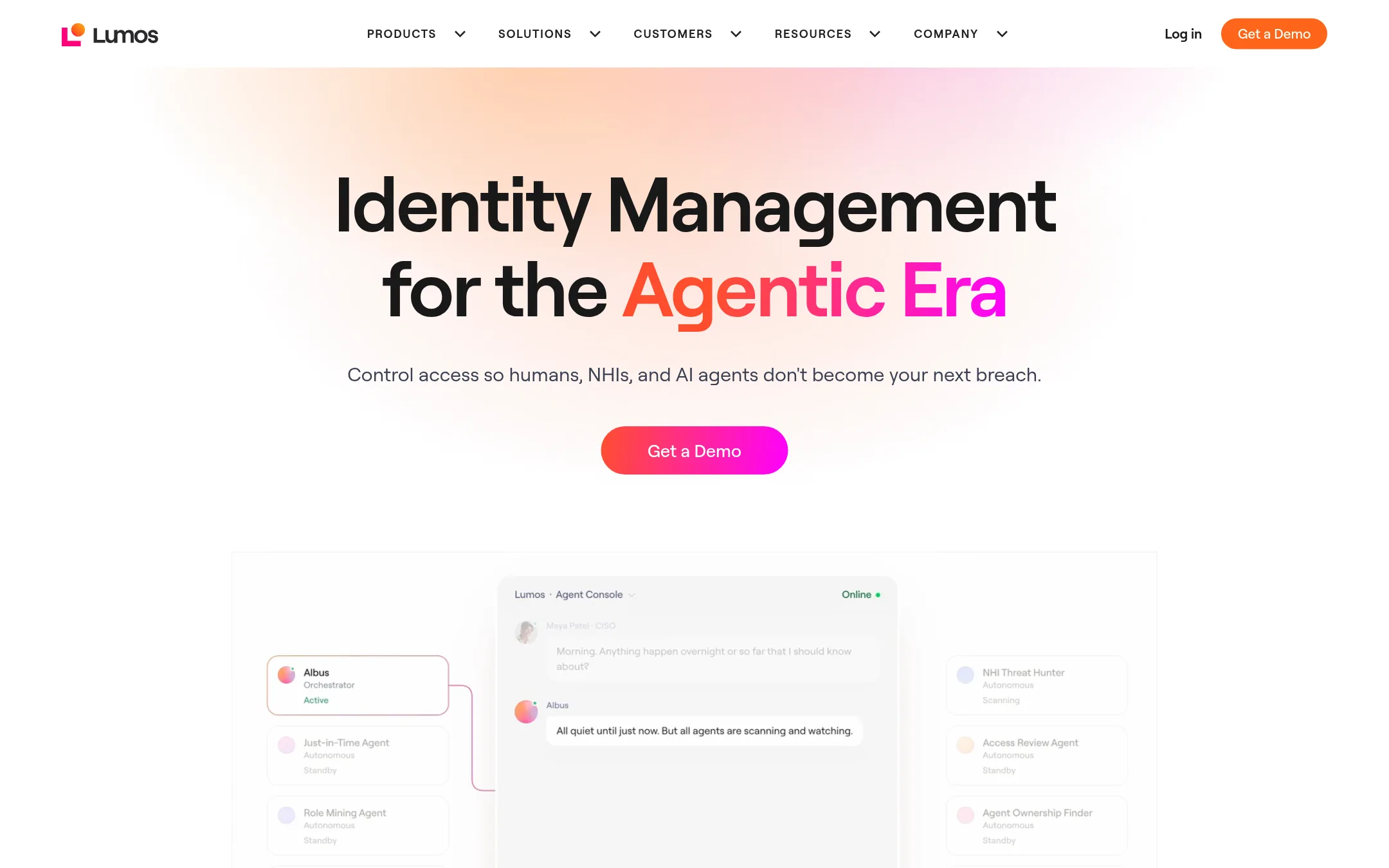
Lumos is an autonomous identity platform that uses AI agents to run access reviews, joiner, mover and leaver workflows, and governance for humans, service accounts, API keys and AI agents. Pick it over AccessOwl when you want agents to handle reviews and cleanup end to end, or when non-human identities and MCP server visibility are a priority.
Where it is strong
- Agents run access reviews and certify routine access, bringing only uncertain items to a human
- Discovers and assigns owners to service accounts, API keys and AI agents, and flags dormant or overscoped ones
- Catalogs MCP servers connected across the org and lets you build policy around them
Where it falls short
- Pricing is not published, so you need a sales conversation to compare costs with AccessOwl
- Its focus on agentic identity and NHI governance goes well beyond the SaaS provisioning and spend tracking that AccessOwl centers on
- Pricing:
- Pricing is not published on the site.
- Not published
3.Torii
Best for: Scale-up and enterprise IT teams that want SaaS spend, AI tool governance and access management in one platform
- Pricing
- Not published
- Category
- Security & Privacy
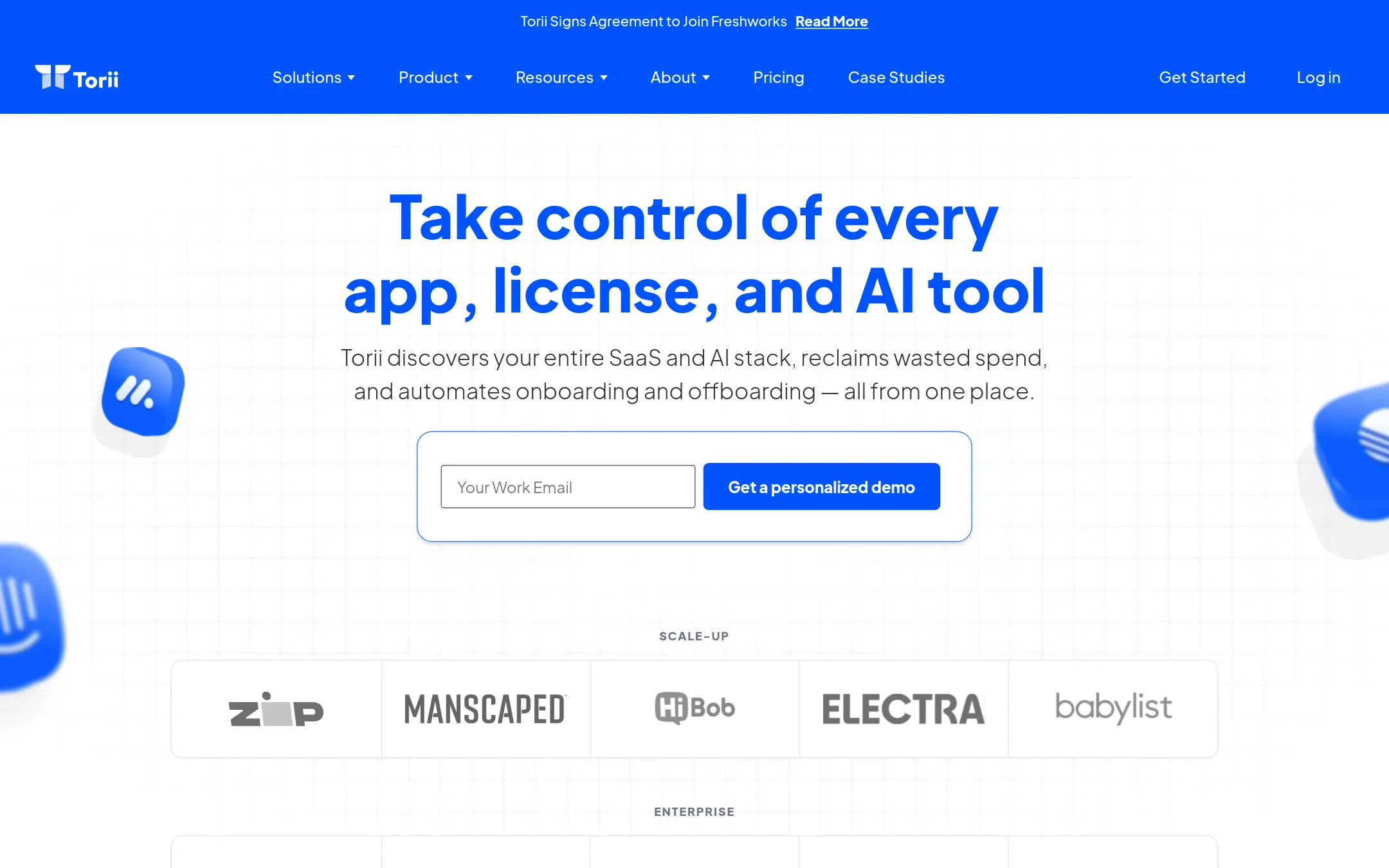
Torii discovers every SaaS and AI tool in use, including shadow IT, and ties each app to real usage data. Teams pick it over AccessOwl when cost control and renewal management matter as much as access, or when they want AI spend and tool sprawl tracked alongside identity governance.
Where it is strong
- Continuous discovery of SaaS, AI and desktop apps, including shadow IT
- License reclamation based on live usage data and automated renewal alerts
- AI dashboard tracking spend and token use by user and model
Where it falls short
- Pricing is not published, so cost comparison needs a sales conversation
- Built with larger enterprise estates in mind, which may be more than a very small team needs
- Pricing:
- Pricing is not published on the site.
- ZNot published
4.Zluri
Best for: Enterprises with sprawling SaaS, cloud and AI tooling that need to govern service accounts and AI agents alongside human users
- Pricing
- Not published
- Category
- Other
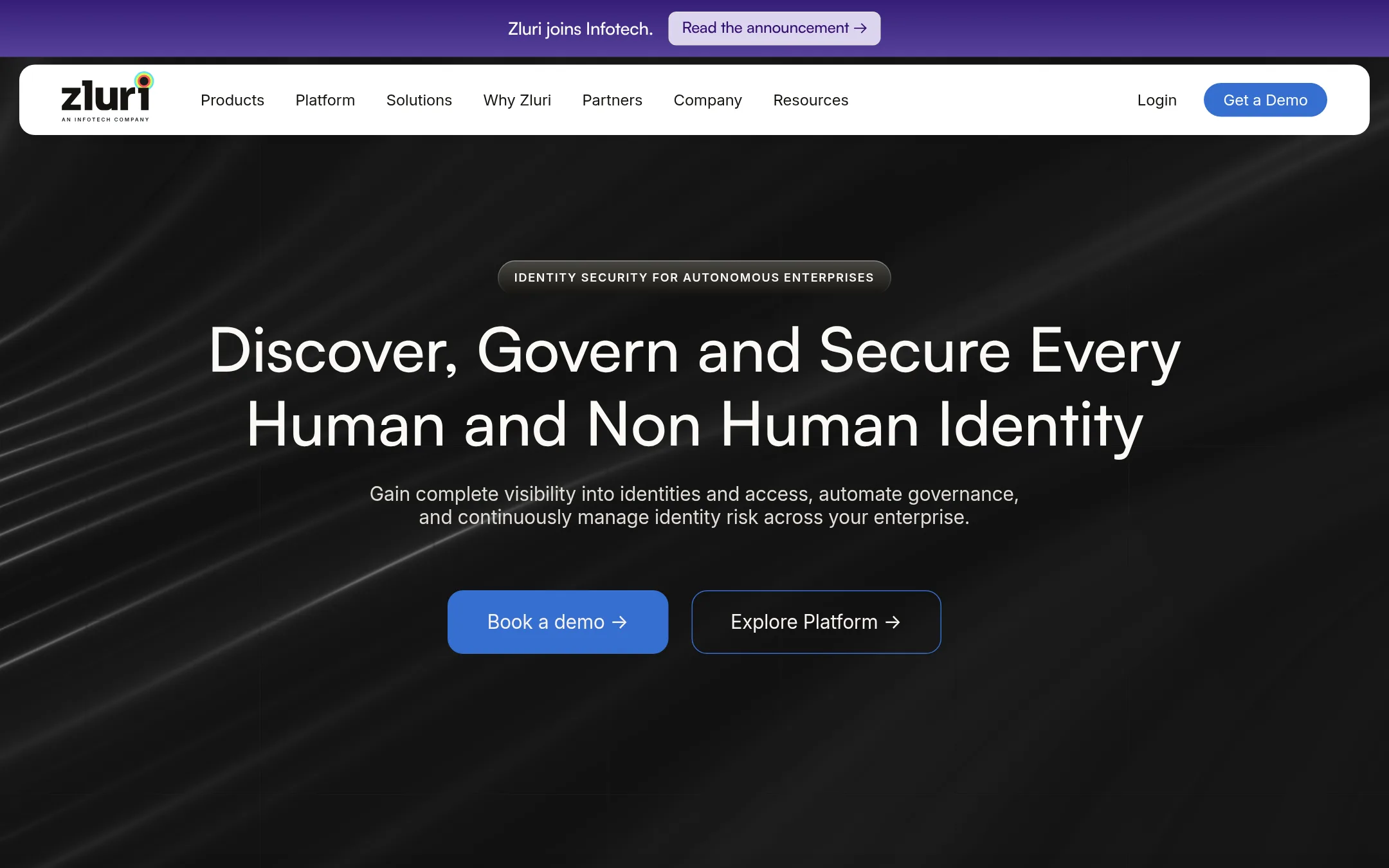
Zluri is an identity governance and security platform built on an intelligence layer it calls IRIS. It covers visibility into identities and access, governance and administration, and posture management, and it extends to non-human identities like service accounts, API tokens and AI agents. Pick it over AccessOwl when your identity surface is wider than employee SaaS access and you need risk detection and access-path mapping across cloud, on-prem and custom apps.
Where it is strong
- Governs non-human identities such as service accounts, API tokens and AI agents
- Maps effective permissions and access paths across systems
- Connects to cloud, on-prem, homegrown and custom apps without native integrations
Where it falls short
- Built for broad identity security, so it is heavier than the employee-access focus of AccessOwl
- No public pricing or free trial information on the site
- Pricing:
- Pricing is not published on the site.
- Custom quote
5.Vanta
Best for: Startups and mid-market security teams that need SOC 2 or ISO 27001 and continuous control monitoring across the whole company.
- Pricing
- Custom quote
- Category
- Security & Privacy
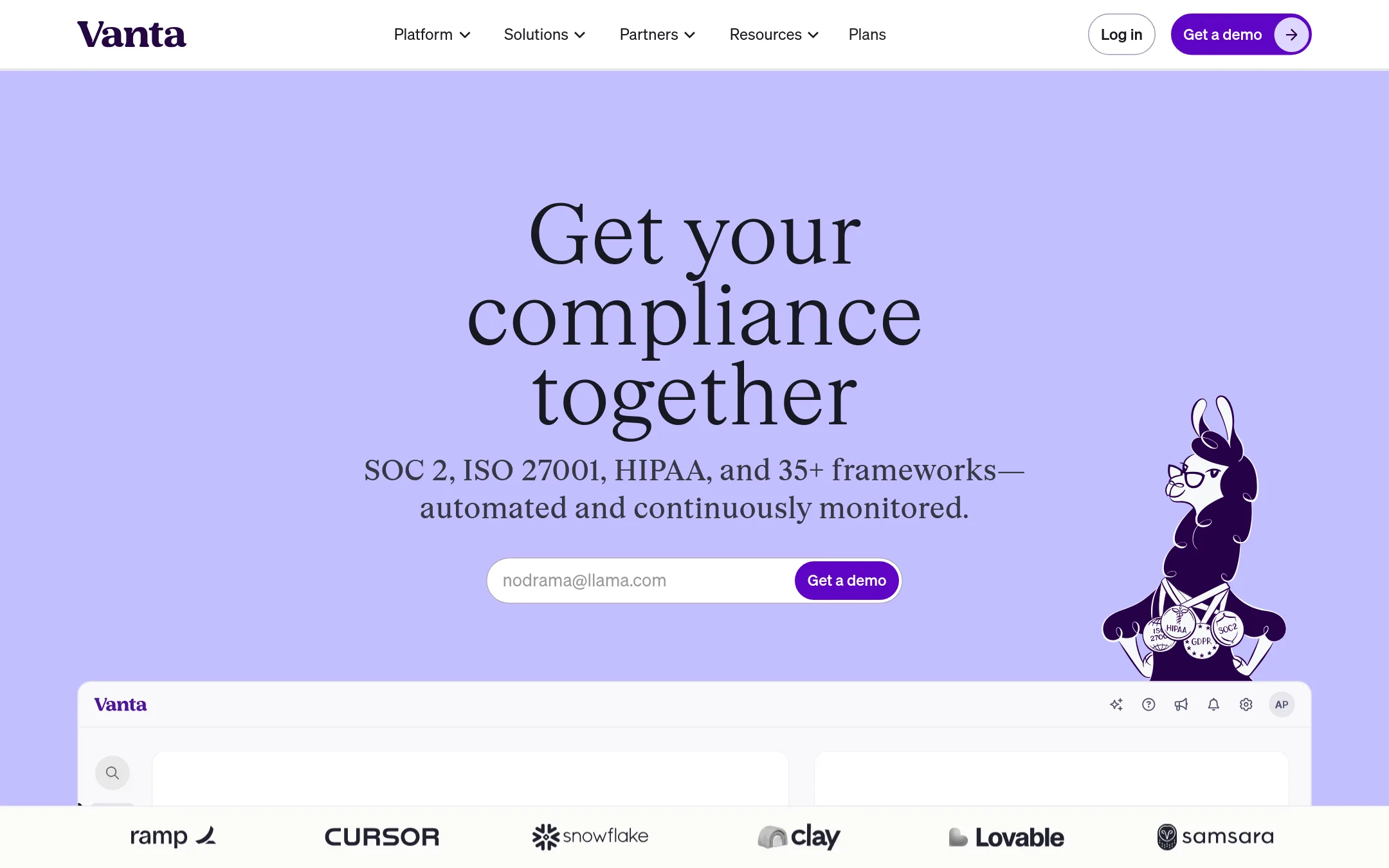
Vanta automates compliance and continuous monitoring for frameworks like SOC 2, ISO 27001, HIPAA and GDPR, and adds risk, third party risk and AI governance modules. A team would pick Vanta over AccessOwl when the main problem is passing a security audit or answering customer security questionnaires, rather than managing who has access to each SaaS app.
Where it is strong
- Covers many frameworks, including SOC 2, ISO 27001, HIPAA, GDPR, NIST AI RMF and FedRAMP
- Includes a Trust Center for sharing security posture with prospects
- Adds risk, third party risk and AI governance alongside compliance
Where it falls short
- Its focus is compliance and risk rather than day to day SaaS access requests and offboarding
- Pricing is quoted case by case, so budgeting ahead of a demo is harder
- Pricing:
- Pricing is not published on the site, and the pricing page directs buyers to request a demo for personalized quotes.
- Not published
6.Drata
Best for: Startups and mid-size companies that need to run SOC 2, ISO 27001 or several frameworks at once and want one system for controls, evidence and a trust center.
- Pricing
- Not published
- Category
- Security & Privacy
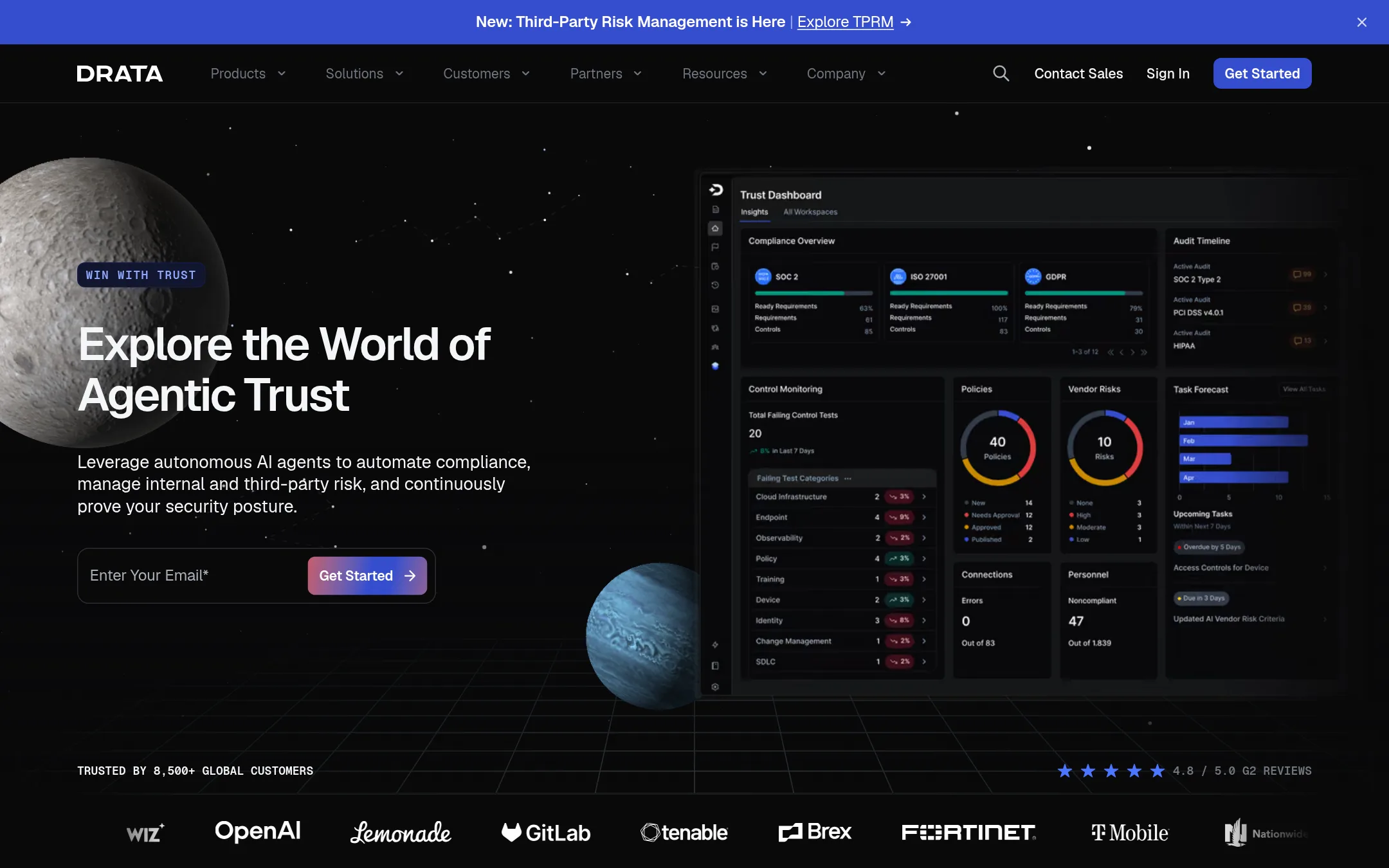
Drata is a compliance automation platform that centers on GRC, continuous control monitoring and audit readiness across frameworks such as SOC 2, ISO 27001 and HIPAA. Teams pick it over AccessOwl when their main problem is proving compliance across many frameworks rather than managing day-to-day SaaS access. It also covers customer trust, questionnaires and third-party risk, which AccessOwl does not.
Where it is strong
- Maps controls once and reuses them across multiple frameworks
- Includes a Trust Center for sharing security posture with prospects and customers
- Adds AI features for questionnaires and third-party risk assessments
Where it falls short
- Its core focus is compliance and GRC, so it is not a substitute for SaaS access provisioning and offboarding
- Pricing is not published, so cost has to be checked through sales
- Pricing:
- Pricing is not published on the site.
See more comparisons in Security & Privacy alternatives.
FAQ
Questions about AccessOwl alternatives
Which alternative is best if my main goal is passing SOC 2 or ISO 27001?
Vanta and Drata are both built around compliance automation for frameworks such as SOC 2 and ISO 27001. Vanta also adds risk, third party risk and AI governance modules, while Drata includes a Trust Center and AI features for questionnaires. Neither is primarily a tool for day-to-day SaaS access requests and offboarding, which is where AccessOwl focuses.
Is there an alternative that replaces my identity provider?
Okta is a full identity platform covering single sign-on, MFA, lifecycle management and privileged access, so it can sit at the centre of access control. That is more change than AccessOwl requires, since AccessOwl is designed to work without switching your IdP. Choose Okta when you want to consolidate identity, not just manage SaaS access on top of what you already run.
Which alternatives help with SaaS spend and unused licenses?
Torii is the closest match on cost control, since it discovers SaaS and AI tools, reclaims licenses based on live usage data and sends renewal alerts. Its pricing is not published, so a sales conversation is needed to compare costs. AccessOwl offers spend management as a module with its own per-user pricing.
Which alternative is better for managing service accounts and AI agents?
Lumos and Zluri both extend governance beyond human users. Lumos discovers service accounts, API keys and AI agents, assigns owners and flags dormant or overscoped ones, and can catalog MCP servers. Zluri governs non-human identities such as service accounts, API tokens and AI agents, and maps effective permissions across cloud, on-prem and custom apps. Both are broader than the employee-access focus of AccessOwl.
Can I compare pricing across these alternatives?
Only partly. AccessOwl publishes per-user prices, with Basic at $4.50 per user per month and a $250 minimum, and Growth at $6.00 per user per month with a 7-day free trial. Okta lists Starter at $6 and Core Essentials at $14 per user per month, but Professional and Enterprise are quoted on request. Vanta, Drata, Torii, Lumos and Zluri do not publish pricing on their sites, so you will need to request quotes to compare.
Last updated November 9, 2026.