Alokai alternatives
6 products compared · Updated November 16, 2026
The short answer
The three strongest Alokai alternatives are commercetools, BigCommerce and Shopify Hydrogen. commercetools suits enterprise brands that want one commerce platform for B2C, B2B and in-store sales. BigCommerce suits brands that want a hosted store with B2B and multi-channel selling and no frontend to maintain. Shopify Hydrogen suits brands already on Shopify that want a custom React storefront.
Your shortlist, at a glance
Read the comparisons ↓- VVue StorefrontNot publishedEnterprise retail teams running composable commerce that want a single frontend platform covering storefront, cloud and AI
- NNuxt StorefrontNot publishedDevelopment teams that want an open-source Nuxt storefront they can run and customize themselves
- SShopify HydrogenNot publishedBrands already on Shopify that want a custom headless storefront built with React
- ccommercetoolsNot publishedEnterprise brands running B2C, B2B and in-store sales on one platform that want to avoid separate commerce stacks
 BigCommerceNot publishedBrands that want a hosted store with B2B and multi-channel selling and no custom frontend to maintain
 SalesforceNot publishedMid-size and enterprise companies that want a single CRM for sales, support and marketing, with commerce as one module among several
About Alokai and its alternatives
Alokai is an enterprise frontend platform for composable commerce, formerly known as Vue Storefront. According to its site, it bundles a storefront, data layer, cloud hosting, monitoring and AI tools into one product, and it is known for working with the commerce and vendor tools a team already runs.
When comparing alternatives in this category, weigh a few things. Look at the pricing structure, since some vendors publish plans and others quote each deployment separately. Check which regions and integrations a platform supports, what support and uptime terms are included, and what the contract requires. Also decide whether you need a frontend layer, a full commerce backend, or a hosted store, because the products in this list solve different parts of the problem.
Explore the alternatives
- VNot published
1.Vue Storefront
Best for: Enterprise retail teams running composable commerce that want a single frontend platform covering storefront, cloud and AI
- Pricing
- Not published
- Category
- Other
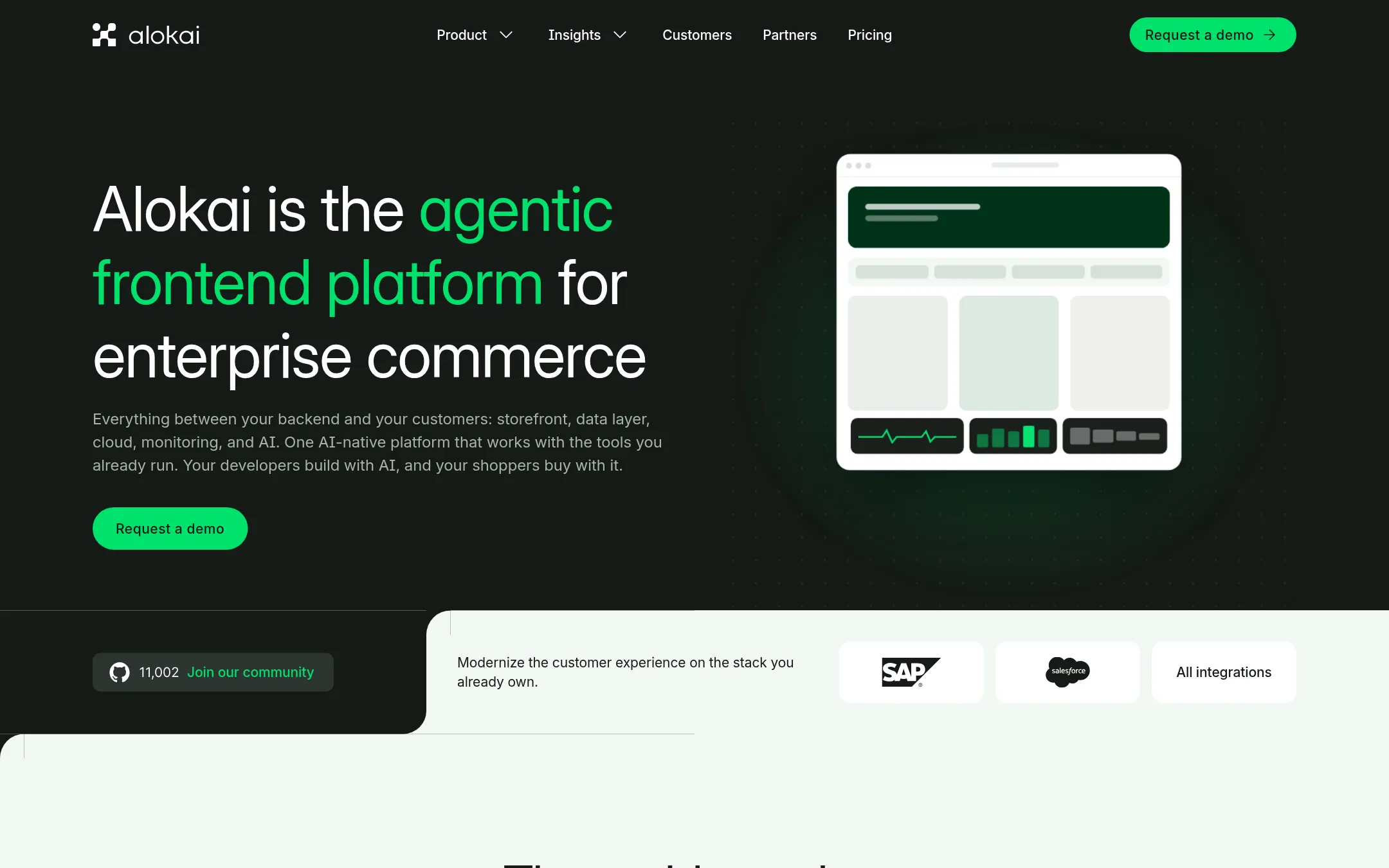
Vue Storefront, now rebranded as Alokai, is an enterprise frontend platform for composable commerce. It bundles a storefront, data layer, cloud hosting, monitoring and AI tools into one product. Teams that already run a stack of commerce backends and want the frontend handled as one system, rather than assembling tools themselves, may choose it.
Where it is strong
- Storefront, data layer, cloud, monitoring and AI come in one platform
- Lists a 99.9% average monthly availability SLA with 24/7 emergency support for production projects
- Includes technical onboarding and console walkthrough sessions, plus video courses and docs
Where it falls short
- Pricing depends on each deployment, so you need a sales conversation before you know the cost
- The product is aimed at enterprise teams, and the site lists no self-serve tier
- Pricing:
- Pricing is not published on the site.
- NNot published
2.Nuxt Storefront
Best for: Development teams that want an open-source Nuxt storefront they can run and customize themselves

- Pricing
- Not published
- Category
- Other
Nuxt Storefront is an open-source frontend framework for building commerce storefronts on Nuxt. Pick it over Alokai when you want to own and modify the storefront code yourself and do not need a managed platform with hosting, monitoring and AI tooling bundled in. The site could not be reached when this entry was prepared, so anything beyond that general description is not confirmed here.
Where it is strong
- Built on Nuxt, a widely used Vue framework
- Open-source code you can inspect and modify
- No platform subscription required to use the framework
Where it falls short
- The vendor site could not be reached, so current documentation and support details are unconfirmed
- You take on hosting, monitoring and maintenance that Alokai bundles in its platform
- Pricing:
- Pricing is not published on the site.
- SNot published
3.Shopify Hydrogen
Best for: Brands already on Shopify that want a custom headless storefront built with React
- Pricing
- Not published
- Category
- Other
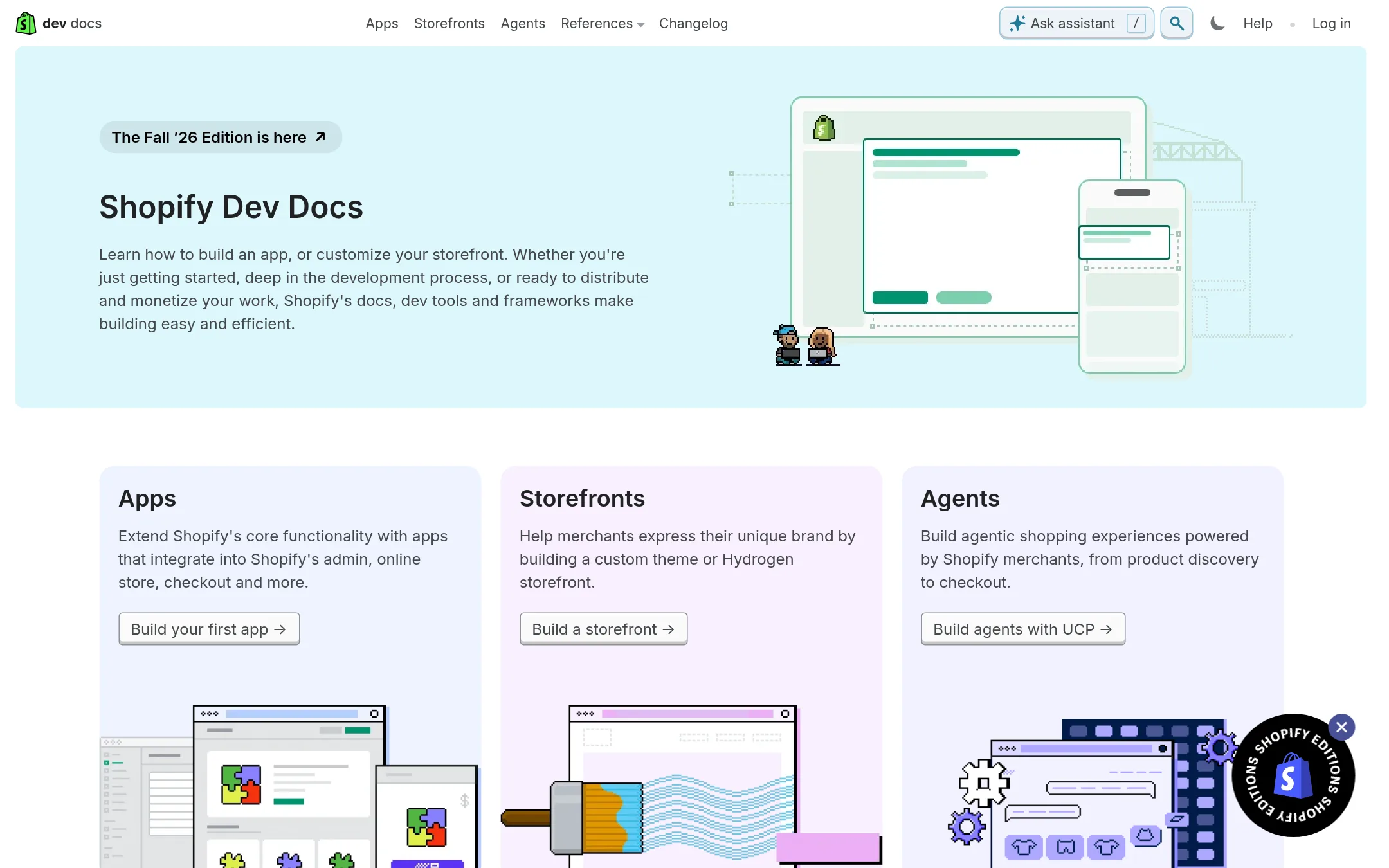
Shopify Hydrogen is a React-based framework for building custom headless storefronts on top of Shopify's commerce backend. Teams already running on Shopify and wanting full control over the frontend would choose it instead of Alokai, which targets enterprise composable commerce across multiple backends.
Where it is strong
- Built by Shopify, so it works directly with Shopify's admin, checkout and APIs
- Uses the Shopify CLI to start a new storefront in one command
- Shopify's docs, AI toolkit and developer community give help when building
Where it falls short
- The shown documentation covers Shopify's own platform, so it is tied to Shopify rather than to several commerce backends
- The page does not mention an AI layer for shoppers or for building changes, which Alokai offers
- Pricing:
- Pricing is not published on the site.
- cNot published
4.commercetools
Best for: Enterprise brands running B2C, B2B and in-store sales on one platform that want to avoid separate commerce stacks
- Pricing
- Not published
- Category
- Other
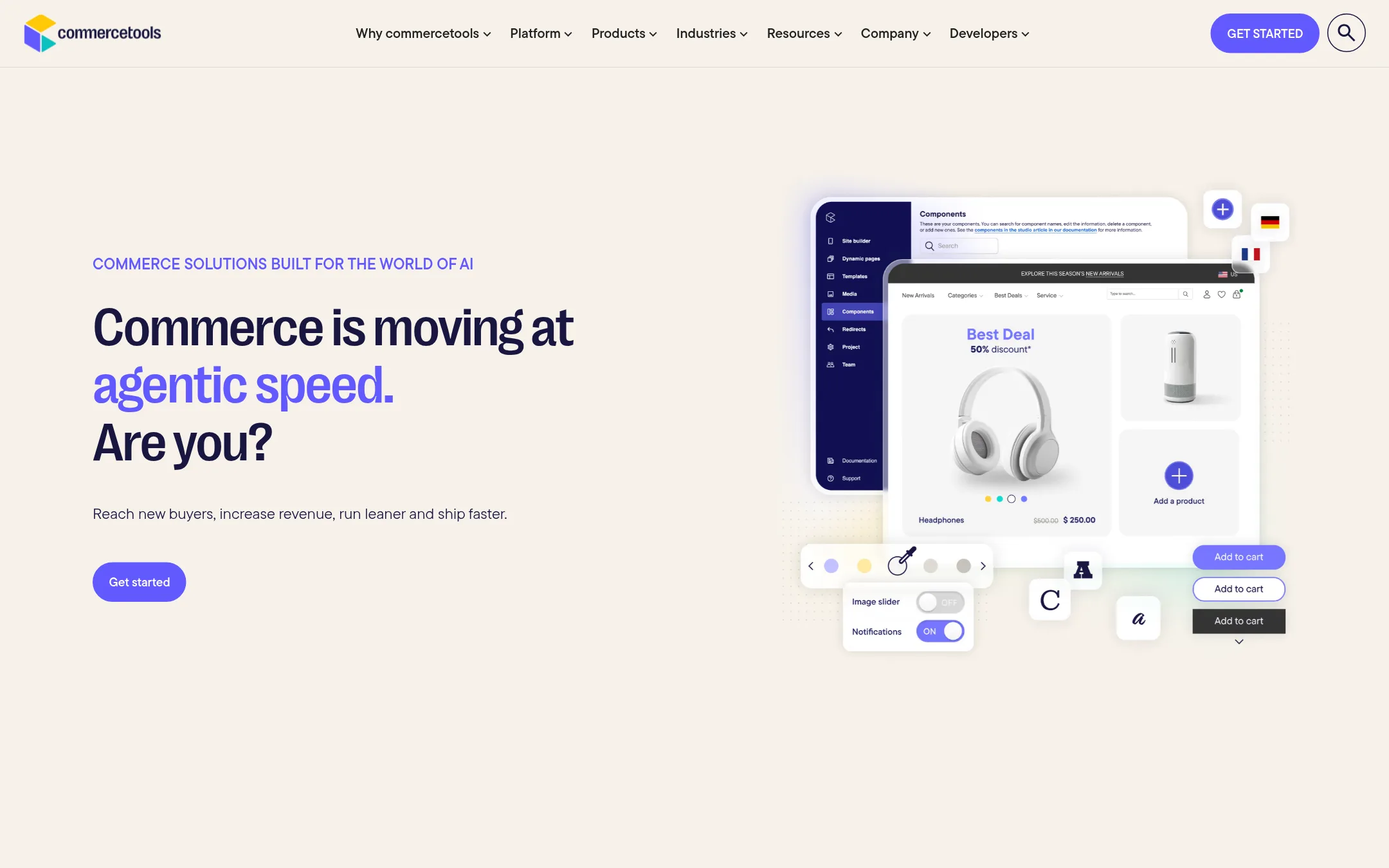
commercetools is a headless, modular commerce platform that runs B2C, B2B and in-store channels on one system, with an order-based pricing model that does not charge a percentage of sales. Teams pick it over Alokai when they need one platform for commerce operations and back-office logic, not just a frontend layer, or when they want to set pricing, compliance and workflow rules and then decide how much to automate.
Where it is strong
- Covers B2C, B2B and in-store channels on a single platform
- Order-based pricing with no GMV-based fees, and unlimited catalogs, channels and storefronts
- Named a Leader in the Gartner Magic Quadrant for Digital Commerce Platforms for seven consecutive years
Where it falls short
- Pricing is quoted per deployment, so budgeting before a sales call is hard
- Its strength is the commerce backend, so you still need a separate frontend choice if you want a ready-made storefront layer
- Pricing:
- Pricing is not published on the site.
- Not published
5.BigCommerce
Best for: Brands that want a hosted store with B2B and multi-channel selling and no custom frontend to maintain
- Pricing
- Not published
- Category
- E-commerce
BigCommerce is a hosted commerce platform that runs the storefront, checkout, and catalog for you, so you do not manage your own frontend stack. A team would pick it over Alokai when they want a managed SaaS store without building or maintaining a custom headless frontend, and when B2B selling, multi-channel selling, and AI tools are part of the plan from the start.
Where it is strong
- Hosted platform, so there is no frontend infrastructure for your team to run
- Built-in B2B and multi-channel selling features
- Suited to teams that want to launch without a long custom build
Where it falls short
- Less control over the frontend than a custom headless build on Alokai
- Pricing details were not in the text we could read, so cost comparison needs checking on their site
- Pricing:
- Pricing is not published in the text we retrieved, so check the BigCommerce pricing page for current plans.
- Not published
6.Salesforce
Best for: Mid-size and enterprise companies that want a single CRM for sales, support and marketing, with commerce as one module among several
- Pricing
- Not published
- Category
- Customer Support
Salesforce is a CRM that covers sales, service, marketing and commerce, with AI agents and a data platform built in. Teams pick it over Alokai when the frontend is not the core problem and they need one system of record for customer relationships across departments, not a storefront stack.
Where it is strong
- Covers sales, service, marketing and commerce in one CRM
- Agentforce lets teams build and run AI agents for employees and customers
- Connects to outside systems, with MuleSoft for sources without built-in integration
Where it falls short
- Its focus is customer relationship management, so it does not cover the storefront frontend the way Alokai does
- Add-ons and extra products can raise the total cost, and the site points to a sales call for details
- Pricing:
- Pricing is not published on the site.
See more comparisons in E-commerce alternatives.
FAQ
Questions about Alokai alternatives
What is Alokai best known for?
According to its site, Alokai is an enterprise frontend platform for composable commerce, covering storefront, data layer, cloud, monitoring and AI in one product. It was previously called Vue Storefront. Teams that want the frontend handled as one system tend to choose it.
Which alternative is best if we need a full commerce backend, not just a frontend?
commercetools is the strongest fit in this list. It is a headless, modular platform that runs B2C, B2B and in-store channels on one system. Its order-based pricing does not charge a percentage of sales.
Is there an alternative that avoids maintaining our own frontend?
BigCommerce is a hosted commerce platform that runs the storefront, checkout and catalog for you. It includes built-in B2B and multi-channel selling. Its pricing is not in the text retrieved, so check its pricing page before budgeting.
Do we need to be on Shopify to use Shopify Hydrogen?
Yes, Hydrogen is built to work with Shopify's commerce backend, admin, checkout and APIs. It is a React framework for custom headless storefronts. If you are already on Shopify, it gives full control of the frontend, but it does not cover multiple commerce backends the way Alokai does.
How do I compare pricing across these platforms?
Pricing is not published for most of these products, so you will need to request quotes. Alokai, Salesforce, commercetools and Nuxt Storefront do not list prices on their sites, while BigCommerce's plans were not in the retrieved text. Compare the total cost of the platform, the support included and the contract terms before you decide.
Last updated November 16, 2026.