
Apollo alternatives
8 products to explore · 2026
Your shortlist, at a glance.
Read the comparisons ↓Check each product’s website for current pricing and features. A verified badge indicates a verified listing, not a ranking.
About Apollo and its alternatives
Teams evaluating Apollo alternatives often seek platforms that match its strength in unifying GraphQL and REST APIs for AI agents, web, and mobile apps without heavy custom coding. Apollo GraphOS stands out for its declarative connectors, enterprise router, MCP server for agentic workflows, and built-in schema governance that reduces backend-for-frontend sprawl. Alternatives may offer simpler open-source GraphQL layers or broader API gateways but frequently lack Apollo's integrated observability, AI-ready security model, and proven scale at companies like Netflix and PayPal. When comparing options, consider how well each handles real-time data federation, query caching, and secure agent access to existing REST services. Developers replacing Apollo typically prioritize tools that accelerate modernization while maintaining a single source of truth across microservices. The right choice depends on whether your priority is rapid AI iteration, cost-effective scaling, or deep IDE integrations for schema evolution.
Explore the alternatives

1.Hasura
Developer ToolsHasura provides instant GraphQL and REST APIs over Postgres and other data sources with strong authorization and event triggers. It excels at rapid backend creation for CRUD workloads but offers less emphasis on multi-protocol orchestration or AI agent connectivity compared to Apollo's MCP server and declarative REST connectors. Teams often choose Hasura for simpler Postgres-centric projects while Apollo better suits complex federated environments with existing REST services.

2.Kong
Developer ToolsKong is a popular API gateway focused on traffic management, plugins, and microservices routing across REST, gRPC, and GraphQL. It provides robust security and observability but requires more manual configuration for GraphQL schema federation and lacks Apollo's native connectors or AI-specific tooling. Kong fits high-volume gateway needs while Apollo targets unified data orchestration for apps and agents.

3.AWS ParallelCluster
Developer ToolsAWS AppSync delivers managed GraphQL APIs with real-time subscriptions and offline support tightly integrated into the AWS ecosystem. It simplifies backend scaling for mobile and web but offers narrower REST orchestration and fewer collaborative schema tools than Apollo GraphOS. Organizations already invested in AWS may prefer AppSync, whereas Apollo provides more flexible multi-cloud and AI agent capabilities.

4.Apigee
Developer ToolsApigee from Google Cloud focuses on API management, monetization, and developer portals with strong analytics. It handles REST and GraphQL proxies well yet lacks Apollo's declarative connectors and built-in GraphQL development studio. Apigee suits enterprises needing API productization while Apollo emphasizes internal orchestration and agentic AI workflows.
- M
5.MuleSoft
Developer ToolsMuleSoft offers Anypoint Platform for API-led connectivity and integration across legacy and modern systems. Its visual tooling accelerates REST and SOAP orchestration but provides less native GraphQL federation depth than Apollo. Large enterprises use MuleSoft for broad integration while Apollo targets GraphQL-centric developer efficiency and AI experiences.

6.Tyk
Developer ToolsTyk is an open-source API gateway with GraphQL support, rate limiting, and dashboard features. It enables quick deployment of secure APIs but requires additional setup for schema management and AI agent access that Apollo includes natively. Tyk appeals to cost-conscious teams needing gateway basics whereas Apollo delivers a more complete orchestration platform.
- P
7.Postman
Developer ToolsPostman is widely used for API testing, documentation, and collaboration with growing support for GraphQL operations. It excels at developer workflows and mock servers but does not provide runtime orchestration or production GraphQL federation like Apollo GraphOS. Teams often pair Postman with Apollo for testing while using Apollo for live API delivery to apps and agents.
8.Prisma
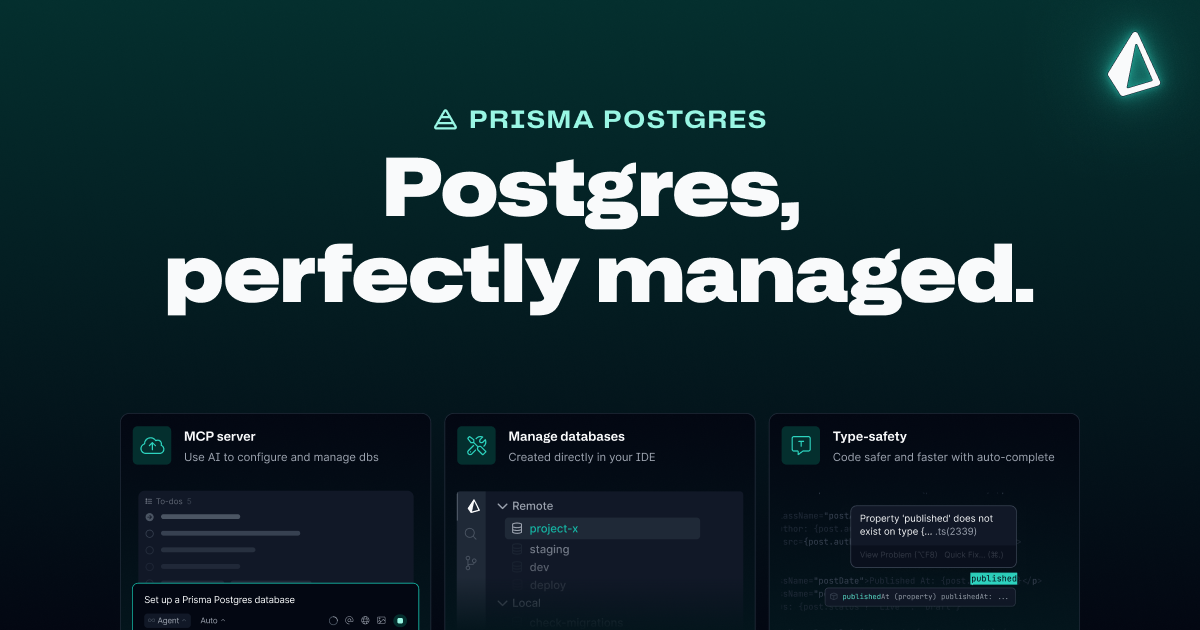
Developer ToolsPrisma offers a type-safe ORM and query builder that generates GraphQL-ready APIs from database schemas. It speeds up application development with excellent TypeScript support but focuses more on database access than broad REST-to-GraphQL orchestration or AI tooling found in Apollo. Prisma suits greenfield apps while Apollo handles enterprise-scale API unification.
See more comparisons in Developer Tools alternatives.
Questions about Apollo alternatives
What are the best Apollo alternatives for connecting AI agents to existing REST APIs?
Look for platforms offering declarative connectors or MCP-style servers that expose REST data through GraphQL without writing resolvers. Strong alternatives provide similar low-code orchestration, agent security controls, and real-time query capabilities while supporting enterprise governance and caching.
How does Apollo GraphOS compare to open-source GraphQL gateways for enterprise use?
Apollo includes managed cloud routing, schema proposals, performance insights, and AI agent tooling out of the box. Open-source alternatives often require more self-hosted infrastructure and custom work for observability, security policies, and production-scale federation.
Which Apollo alternative is best for teams migrating from REST to GraphQL?
Choose solutions with strong REST-to-GraphQL connectors, interactive tutorials, and schema linting. The best options reduce boilerplate, support incremental adoption, and deliver self-documenting APIs that power multiple frontends from one unified graph.
Can I replace Apollo with a cheaper API orchestration tool without losing AI features?
Some alternatives offer lower entry pricing but may lack native MCP server support or enterprise-grade agent security. Evaluate total cost including observability, caching, and governance features that Apollo bundles to avoid hidden integration expenses.
What Apollo alternative works best for large-scale schema management and proposals?
Prioritize tools with built-in schema registries, automated checks, and collaborative proposal workflows. These features help teams manage breaking changes safely across many services, similar to Apollo's approach for maintaining a reliable data graph.