Apoxy alternatives
6 products compared · Updated November 19, 2026
The short answer
Apoxy is a developer tool that joins clusters, cloud VMs and agent sandboxes into one private network over a relay network. The three strongest alternatives are Tailscale, which suits engineering and IT teams that need identity-based private access to servers, Kubernetes and CI runners. Traefik, which suits platform teams migrating off Ingress NGINX or running VMs and Kubernetes side by side. And Ngrok, which suits developers who need to expose local apps or webhooks quickly before moving to a managed gateway.
Your shortlist, at a glance
Read the comparisons ↓- NNgrok$20/mo included usageDevelopers and small teams who need to expose local apps or webhooks quickly, then move to a managed gateway for production traffic.
 Cloudflare Images$20/mo + usageProduct and marketing teams that serve a lot of images to end users and want optimization and delivery handled at the edge.
 Tailscale$8/user/mo or freeEngineering and IT teams that need Zero Trust access to servers, Kubernetes clusters and CI/CD runners across mixed environments
 KongCustom quoteEnterprises and startups putting AI agents and LLM traffic behind a governed API layer with cost controls and access policies
- TTraefikNot publishedPlatform teams migrating off Ingress NGINX or running VMs and Kubernetes side by side who need one gateway for APIs and AI traffic.
- EEnvoy ProxyOpen sourcePlatform teams running their own cloud-native infrastructure who want an open source proxy they can extend and operate themselves.
About Apoxy and its alternatives
Apoxy is a developer tools product that connects Kubernetes clusters, cloud VMs and agent sandboxes into one private network in seconds. According to its site, traffic passes through its relay network over QUIC and PSP tunnels with end-to-end encryption. Its pricing is built around bandwidth, with a free tier, a Standard plan at $250 per month and a Premium plan from $2k per month.
When comparing alternatives in this category, weigh the pricing structure first, since some tools charge per user, some per gateway and some per gigabyte, and the totals can differ widely. Check which regions and points of presence each product covers, and whether it connects private resources or mainly routes public traffic. Look at which integrations you need, how much support you get on your tier, and what the contract terms are for compliance requirements such as SSO, HIPAA and GDPR.
Explore the alternatives
- N$20/mo included usage
1.Ngrok
Best for: Developers and small teams who need to expose local apps or webhooks quickly, then move to a managed gateway for production traffic.
- Pricing
- $20/mo included usage
- Category
- Other
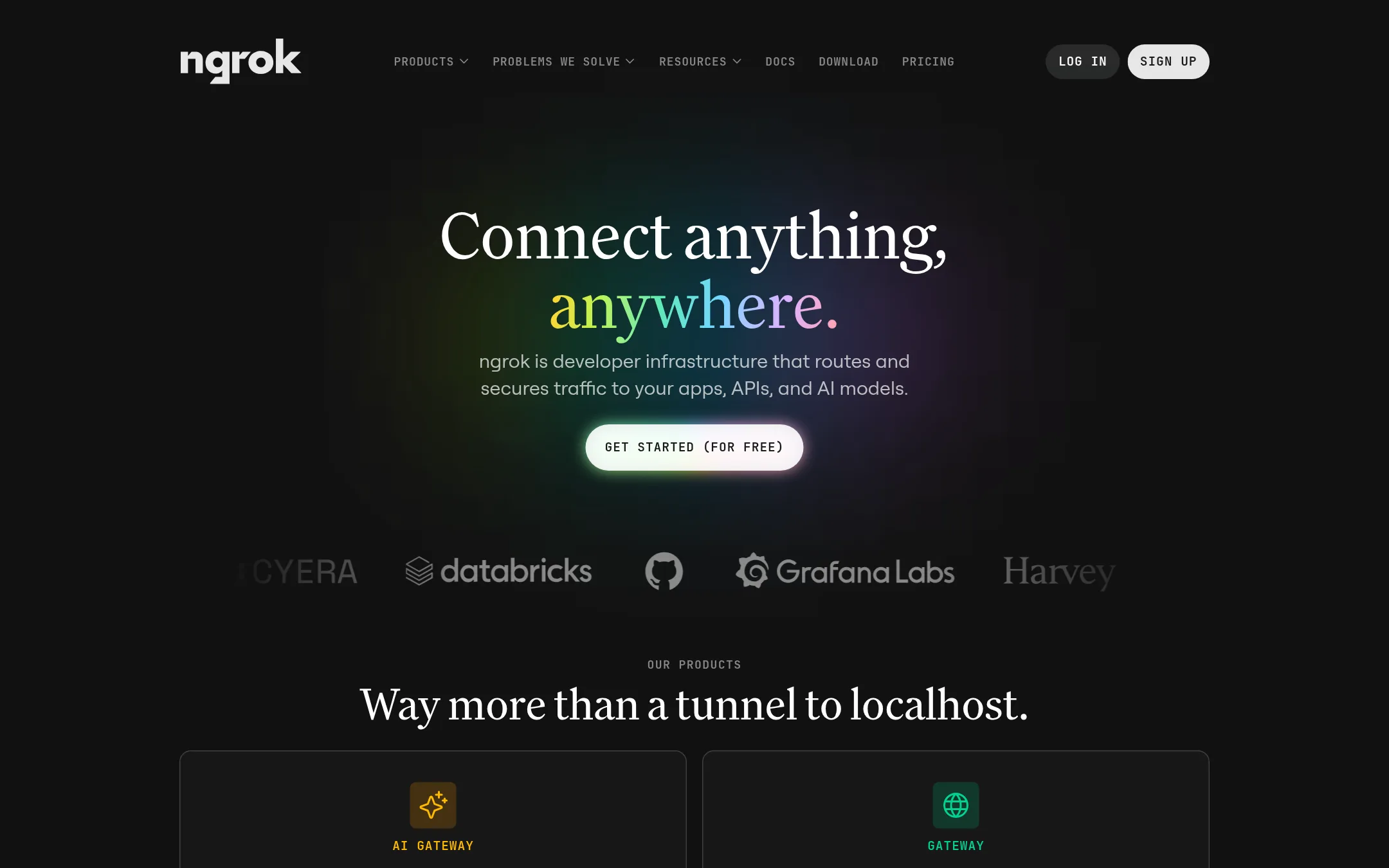
Ngrok gives you a public URL and secure tunnel to something running on your own machine or network, and it has grown into a gateway for routing and securing traffic to apps, APIs and AI models. Choose it over Apoxy when your main need is exposing a local app, handling webhooks, or putting a single gateway in front of services that run in different places, and when you want a long list of compliance and SSO options on the site.
Where it is strong
- Gets a local app online in minutes with a public endpoint
- Publishes a clear list of security and compliance options, including SOC 2 Type II, HIPAA with BAA and GDPR
- Offers per-device and per-customer pricing for customer connectivity on Enterprise
Where it falls short
- Free plan allows only 1GB of data transfer and 20k HTTP/S requests
- Per-gateway and per-hour charges can add up for TCP and TLS traffic
- Pricing:
- Ngrok has a Free plan with $5 of one-time usage, a Hobbyist plan at $10 of monthly included usage, and a Pay-as-you-go plan at $20 of monthly included usage, with Enterprise quoted on contract.
- $20/mo + usage
2.Cloudflare Images
Best for: Product and marketing teams that serve a lot of images to end users and want optimization and delivery handled at the edge.
- Pricing
- $20/mo + usage
- Category
- Media & Entertainment
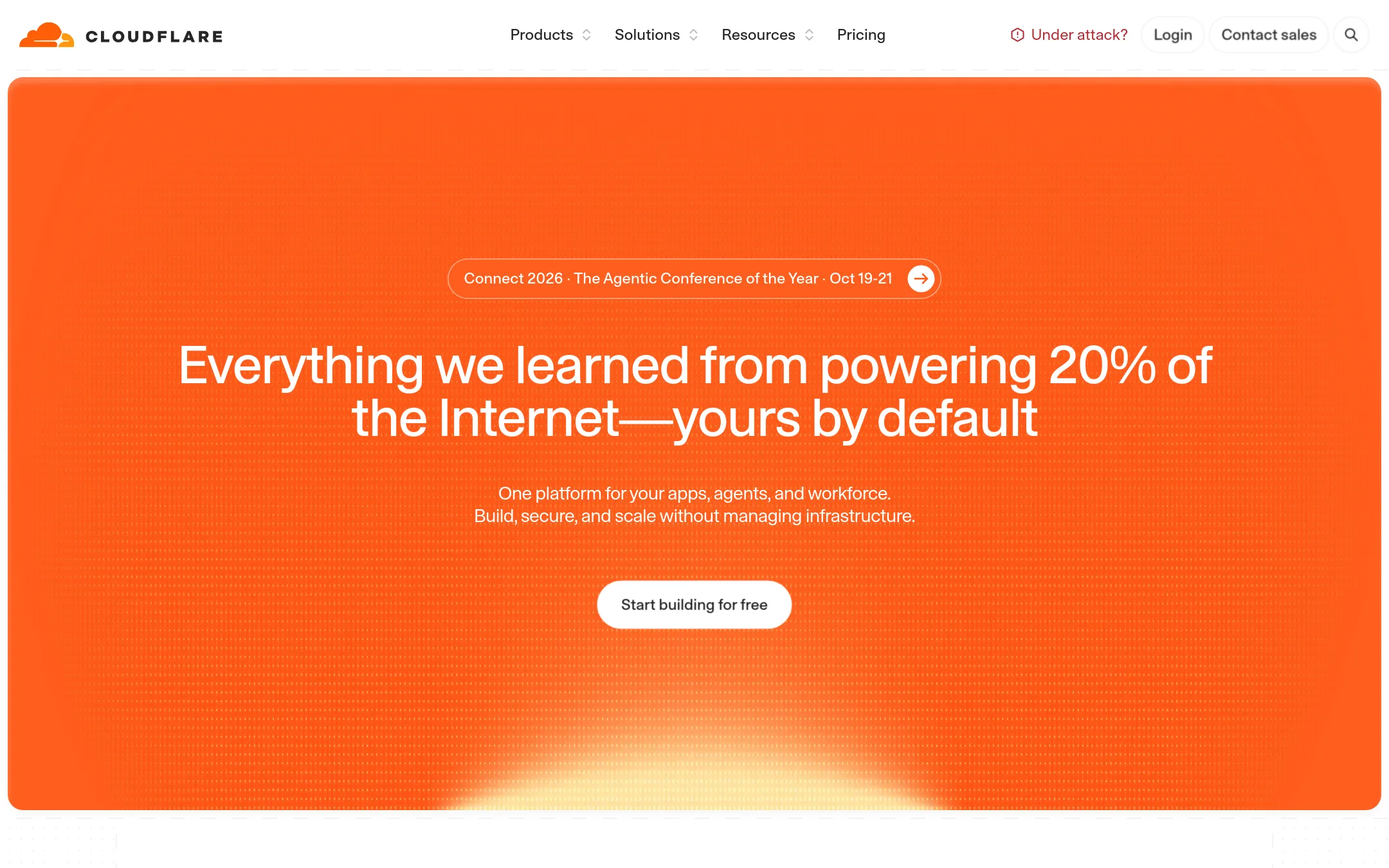
Cloudflare Images is image optimization and delivery on Cloudflare's global network, with the content routed through a CDN that spans more than 335 cities. Someone would pick it over Apoxy when the real problem is serving and transforming images for a website or app, not connecting clusters, cloud VMs, and sandboxes into one private network.
Where it is strong
- Images are delivered from a CDN that reaches users within 50ms for 95% of the world's population, according to the site.
- Pricing has clear per-unit line items for storage, delivery, and transformations.
- A free tier exists for personal or hobby projects.
Where it falls short
- It does not join clusters, cloud VMs, or agent sandboxes into one private network, so it covers a different job from Apoxy.
- Some plan features are only listed in the comparison table and the Contract tier is priced on request.
- Pricing:
- The published plans are Free, Pro at $20/mo billed annually or $25/mo billed monthly, Business at $200/mo billed annually or $250/mo billed monthly, and a custom Contract, and the Images line items include $5.00 per hundred thousand images stored, $1.00 per hu
- $8/user/mo or free
3.Tailscale
Best for: Engineering and IT teams that need Zero Trust access to servers, Kubernetes clusters and CI/CD runners across mixed environments
- Pricing
- $8/user/mo or free
- Category
- Security & Privacy
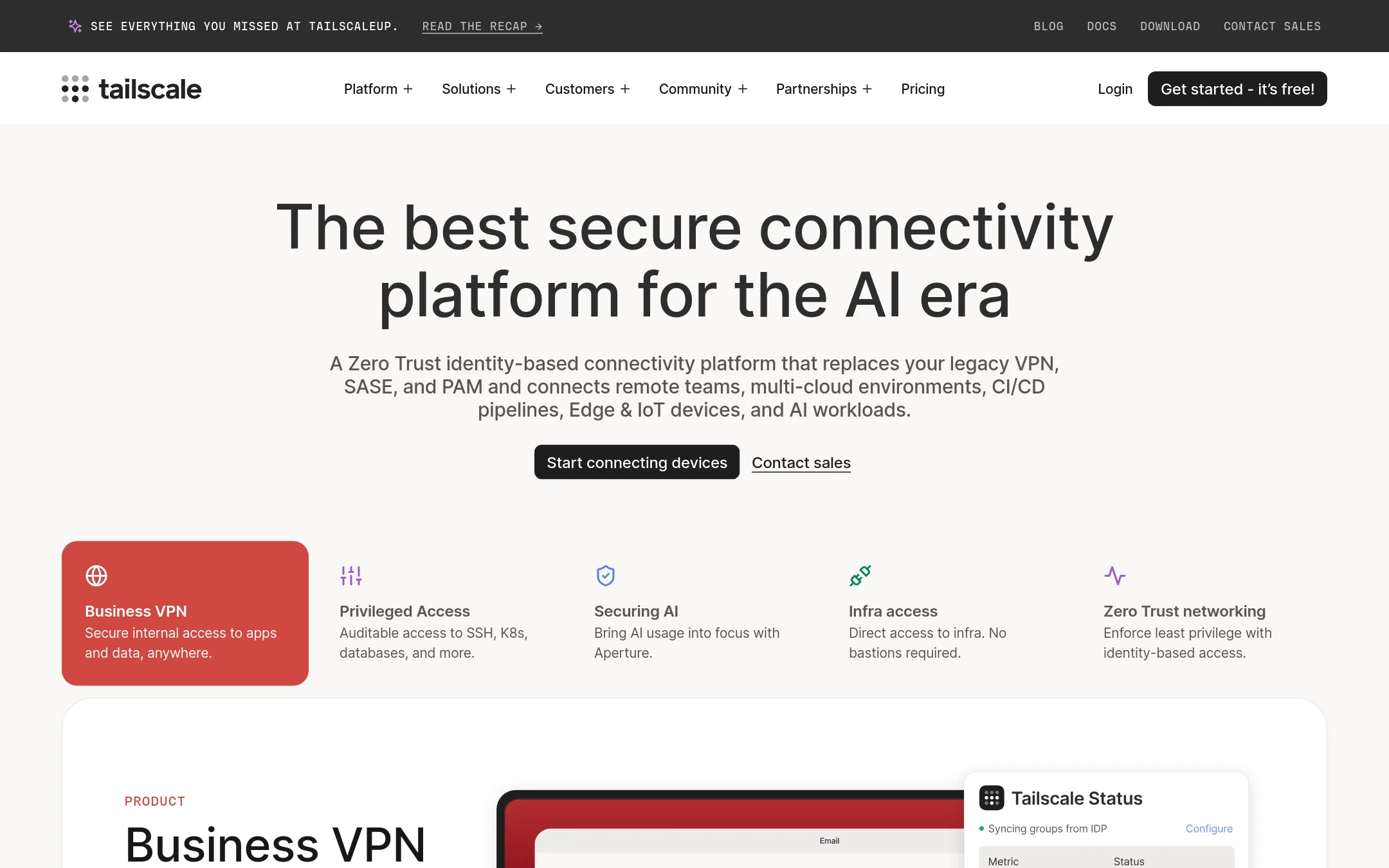
Tailscale connects devices, servers, CI runners and Kubernetes pods into a private mesh using identity-based access rules, instead of a traditional VPN. Teams usually pick it over Apoxy when the main job is giving staff and workloads secure private access to resources, rather than running fast, encrypted tunnels through a relay network that joins clusters and cloud VMs.
Where it is strong
- Identity-based access rules that apply to people and devices without exposing resources to the public internet
- Free Personal plan with unlimited devices for small teams
- Covers SSH, Kubernetes access and CI/CD runner connectivity in one product
Where it falls short
- Pricing scales per user, so larger teams pay more than a usage-based model would charge
- Its focus is private network access rather than the high-speed relay and tunnel layer Apoxy is built around
- Pricing:
- Tailscale's Personal plan is free for up to 6 users with unlimited devices, Standard is $8 per user per month, Premium is $18 per user per month, and Enterprise is custom.
- Custom quote
4.Kong
Best for: Enterprises and startups putting AI agents and LLM traffic behind a governed API layer with cost controls and access policies

- Pricing
- Custom quote
- Category
- Developer Tools
Kong is an API, AI and event gateway platform. Teams pick it when they need to govern LLM, MCP and API traffic together, or manage the full API lifecycle, rather than just connect clusters and cloud VMs into a private network as Apoxy does.
Where it is strong
- Covers API, AI and event traffic in one platform, including LLM, MCP and A2A routing
- Includes a developer portal and monetization for selling APIs and AI products
- Offers dedicated cloud gateways in AWS, GCP and Azure regions with a 99.99% SLA on the DCGW tier
Where it falls short
- Its focus is API and AI traffic governance, not joining clusters and VMs into one private network
- Costs are harder to predict, with separate charges per control plane, per gateway, per model and per request volume
- Pricing:
- Plus is listed with a 30-day free trial and no credit card, while Enterprise pricing is custom, and the site shows a $500/month per Dedicated Cloud Gateway control plane, $0.15 per GB DCGW bandwidth, and $200/month per hybrid AI gateway control plane.
- TNot published
5.Traefik
Best for: Platform teams migrating off Ingress NGINX or running VMs and Kubernetes side by side who need one gateway for APIs and AI traffic.
- Pricing
- Not published
- Category
- Other
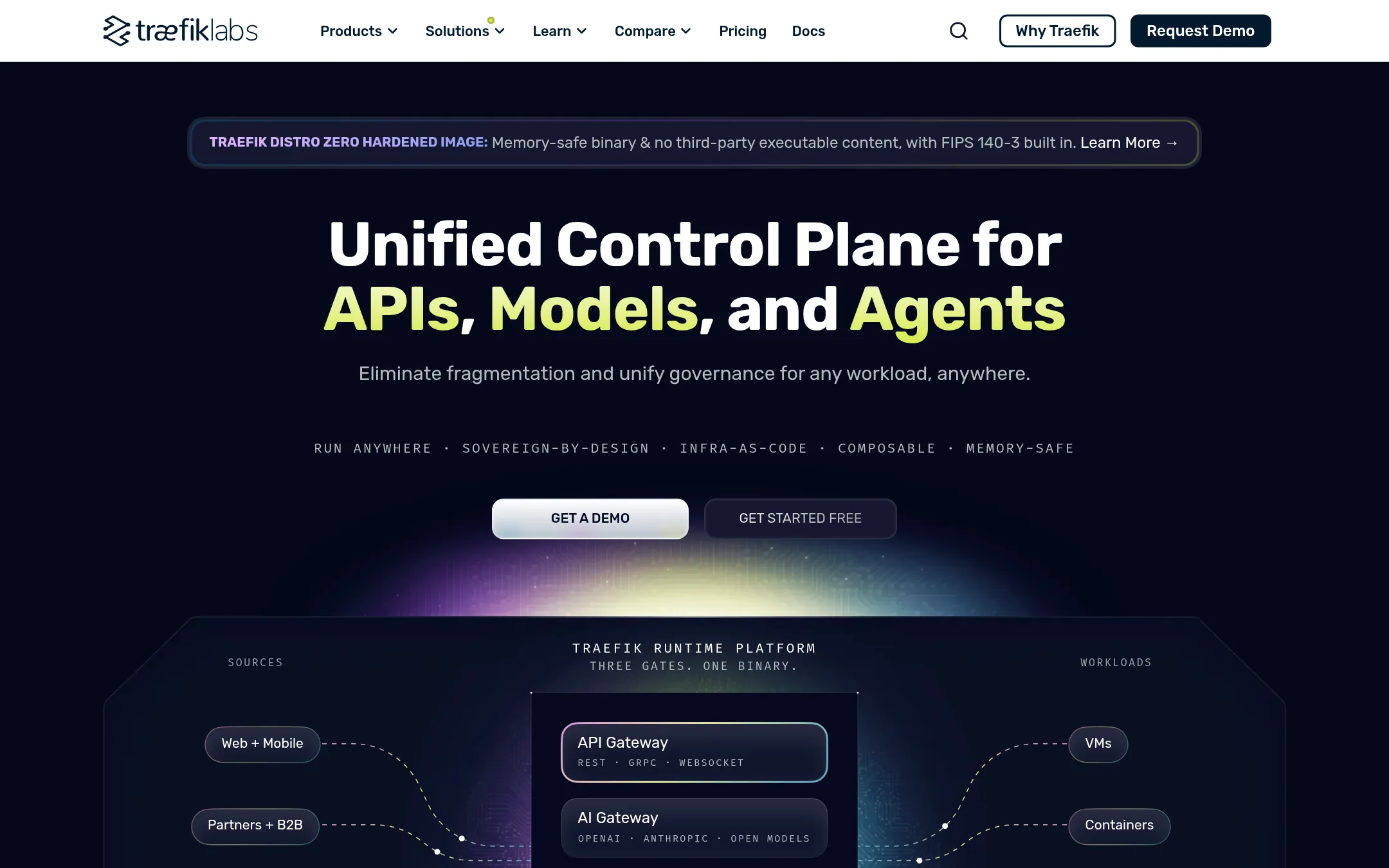
Traefik is a single binary that routes traffic for Kubernetes, VMs and containers, and it also governs APIs, AI model traffic and MCP servers through one control plane. Teams pick it over Apoxy when the problem is ingress and gateway work, especially moving off Ingress NGINX or fronting VM-based services alongside Kubernetes. Apoxy's focus is private connectivity between clusters, cloud VMs and sandboxes over its relay network.
Where it is strong
- Supports 90%+ of Ingress NGINX annotations natively, so existing YAML can be reused.
- Covers VMs, containers, APIs, AI endpoints and MCP traffic from one binary and one config model.
- Open source Proxy tier exists, with paid Hub tiers added by license upgrade rather than a binary swap.
Where it falls short
- Its focus is gateway and API governance, so it does not offer Apoxy's cross-cloud private network between clusters and sandboxes.
- Some capabilities such as the AI Gateway, MCP Gateway and Nutanix provider are sold as add-ons or extra tiers, which adds cost to evaluate.
- Pricing:
- Pricing is not published on the site.
- EOpen source
6.Envoy Proxy
Best for: Platform teams running their own cloud-native infrastructure who want an open source proxy they can extend and operate themselves.
- Pricing
- Open source
- Category
- Other
Envoy is an open source edge and service proxy, written in C++, that runs alongside applications and handles traffic routing, load balancing, observability and TLS. Teams that want to run and configure their own proxy layer, or that already operate Kubernetes gateways and service meshes, would pick it over Apoxy. Apoxy instead gives a managed relay that joins clusters and cloud VMs into one private network.
Where it is strong
- Open source and a graduated Cloud Native Computing Foundation project
- Dynamic configuration through xDS APIs without restarts
- Extensible with Wasm, Lua, Go, Rust modules or external processing
Where it falls short
- You run and operate the proxy infrastructure yourself
- Its focus is proxying and routing, not a managed private network across clusters and clouds
- Pricing:
- Envoy is open source and the site does not list pricing, so pricing is not published on the site.
See more comparisons in Developer Tools alternatives.
FAQ
Questions about Apoxy alternatives
Is Tailscale a direct replacement for Apoxy?
Not exactly. Tailscale builds a private mesh that gives staff and workloads identity-based access to servers, Kubernetes clusters and CI runners. Apoxy focuses on fast encrypted tunnels through its relay network that join clusters and cloud VMs, so the two overlap on private connectivity but differ in how they are built and priced.
How does Apoxy's pricing compare with Tailscale's?
Apoxy charges on bandwidth, with 100 GB included on Free, 1 TB on Standard and negotiated rates on Premium. Tailscale charges per user, at $8 per user per month on Standard and $18 on Premium, with a free Personal plan for up to 6 users. Your cost depends on whether your traffic volume or your team size is the bigger driver.
Which alternative should a platform team pick if it is moving off Ingress NGINX?
Traefik is the entry built for that job. It supports more than 90% of Ingress NGINX annotations natively, so existing YAML can be reused, and it covers VMs, containers, APIs and AI traffic from one binary. It does not provide Apoxy's cross-cloud private network, so you would need to weigh that gap.
Can Ngrok replace Apoxy for connecting cloud environments?
Ngrok is best suited to exposing a local app or webhook through a public URL and secure tunnel, and it has grown into a gateway for routing traffic to apps and AI models. It is a weaker fit for joining clusters and cloud VMs into one private network. Its free plan is limited to 1GB of data transfer and 20k HTTP/S requests.
Should I choose Envoy Proxy if I want to avoid managed pricing?
Envoy is open source and has no published pricing, so the software itself costs nothing to license. You run and operate the proxy infrastructure yourself, and it focuses on proxying and routing rather than providing a managed private network across clusters and clouds. It suits platform teams that already have the operations capacity to run it.
Last updated November 19, 2026.