
Atmo alternatives
7 products compared · Updated October 19, 2026
The short answer
The strongest alternatives to Atmo are Tomorrow.io, Spire Global, and Meteomatics. Tomorrow.io suits enterprises needing automated weather-driven workflows, Spire Global suits teams needing space-based observational data via APIs, and Meteomatics suits enterprises needing deep API integration with high-resolution models and historical data.
Your shortlist, at a glance
Read the comparisons ↓ Tomorrow.ioNot publishedEnterprises in insurance, manufacturing, aviation, and airlines that want weather data tied to automated risk alerts and operational actions.
Spire GlobalCustom quoteGovernment and commercial teams that need space-derived weather and aviation intelligence delivered via APIs, not just AI forecasts.
 MeteomaticsNot publishedEnterprises in energy, insurance, aviation, and government that need API-driven weather data with high-resolution forecasts and sector-specific tools.
- AAccuWeatherSee websiteWeather forecasts and alerts worldwide
 WindyNot publishedOutdoor sports communities and casual users who want a free, visual weather map with spot forecasts.
ECMWFNot publishedResearch institutions, national meteorological services, and operational forecasters that rely on established global NWP models and open data archives.
NOAA NWSNot publishedU.S.-based teams and individuals needing official forecasts, severe weather alerts, and public radar data at no cost.
About Atmo and its alternatives
Atmo is an AI weather forecasting platform that uses deep learning to deliver ultra-precise forecasts, up to 50% more accurate and 40,000 times faster than traditional models, with resolution as fine as 1km by 1km. It is trusted by governments and militaries, including the U.S. Air Force and Navy.
When comparing alternatives, weigh pricing structure, regional coverage, integration options, support, and contract terms. Some alternatives offer transparent pricing, while others require enterprise contracts. Consider whether you need raw forecast accuracy, operational workflows, or observational data.
Explore the alternatives
- Not published
1.Tomorrow.io
Best for: Enterprises in insurance, manufacturing, aviation, and airlines that want weather data tied to automated risk alerts and operational actions.
- Pricing
- Not published
- Category
- AI & Machine Learning
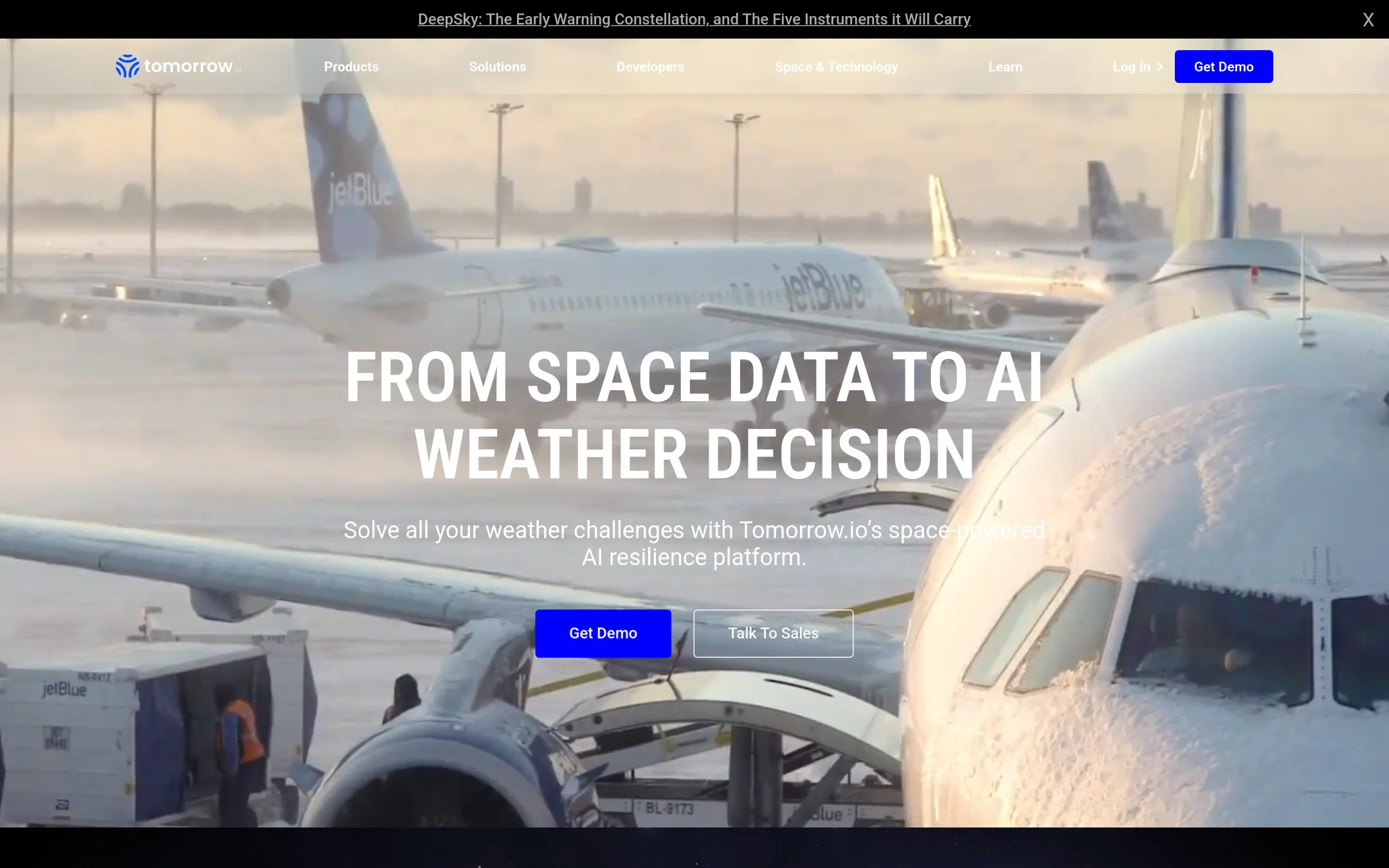
Tomorrow.io is a weather intelligence platform that combines satellite data, AI modeling, and sector-specific agentic suites for insurance, manufacturing, aviation, and airlines. Choose it over Atmo if you need operational workflows that turn forecasts into automated decisions, not just raw forecast accuracy.
Where it is strong
- Sector-specific agent suites for insurance, manufacturing, airports, and airlines
- Uses its own commercial satellite constellation for data collection
- AI agents answer operational questions and trigger actions automatically
Where it falls short
- No pricing details on the site, likely enterprise-only
- Focus is on operational workflows, not raw forecast precision like Atmo
- Pricing:
- Pricing is not published on the site.
- Custom quote
2.Spire Global
Best for: Government and commercial teams that need space-derived weather and aviation intelligence delivered via APIs, not just AI forecasts.
- Pricing
- Custom quote
- Category
- AI & Machine Learning
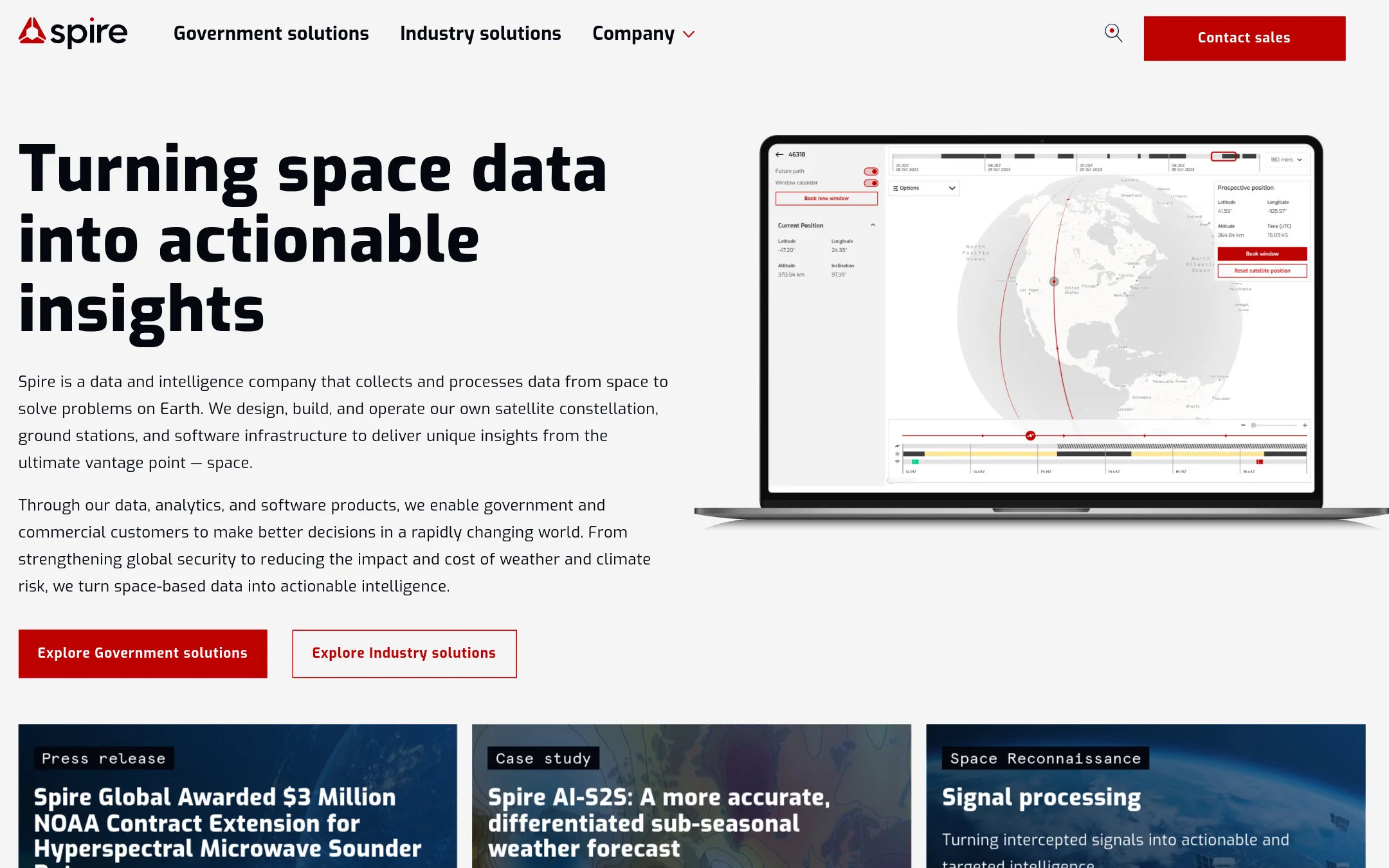
Spire Global provides weather and aviation data from its own satellite constellation, with APIs for air temperature, humidity, wind, and precipitation. Choose Spire when you need space-based observational data and broader industry solutions beyond pure forecasting, such as aviation tracking or custom datasets.
Where it is strong
- Owns and operates its satellite constellation for unique data collection
- Offers weather and aviation data packages through easy-to-use APIs
- Serves government and industry with tailored solutions
Where it falls short
- Pricing is not transparent and requires direct contact
- Focus is on observational data, not AI-based forecast speed or resolution
- Pricing:
- Pricing is not published on the site. Contact Spire directly for custom quotes.
- Not published
3.Meteomatics
Best for: Enterprises in energy, insurance, aviation, and government that need API-driven weather data with high-resolution forecasts and sector-specific tools.
- Pricing
- Not published
- Category
- AI & Machine Learning
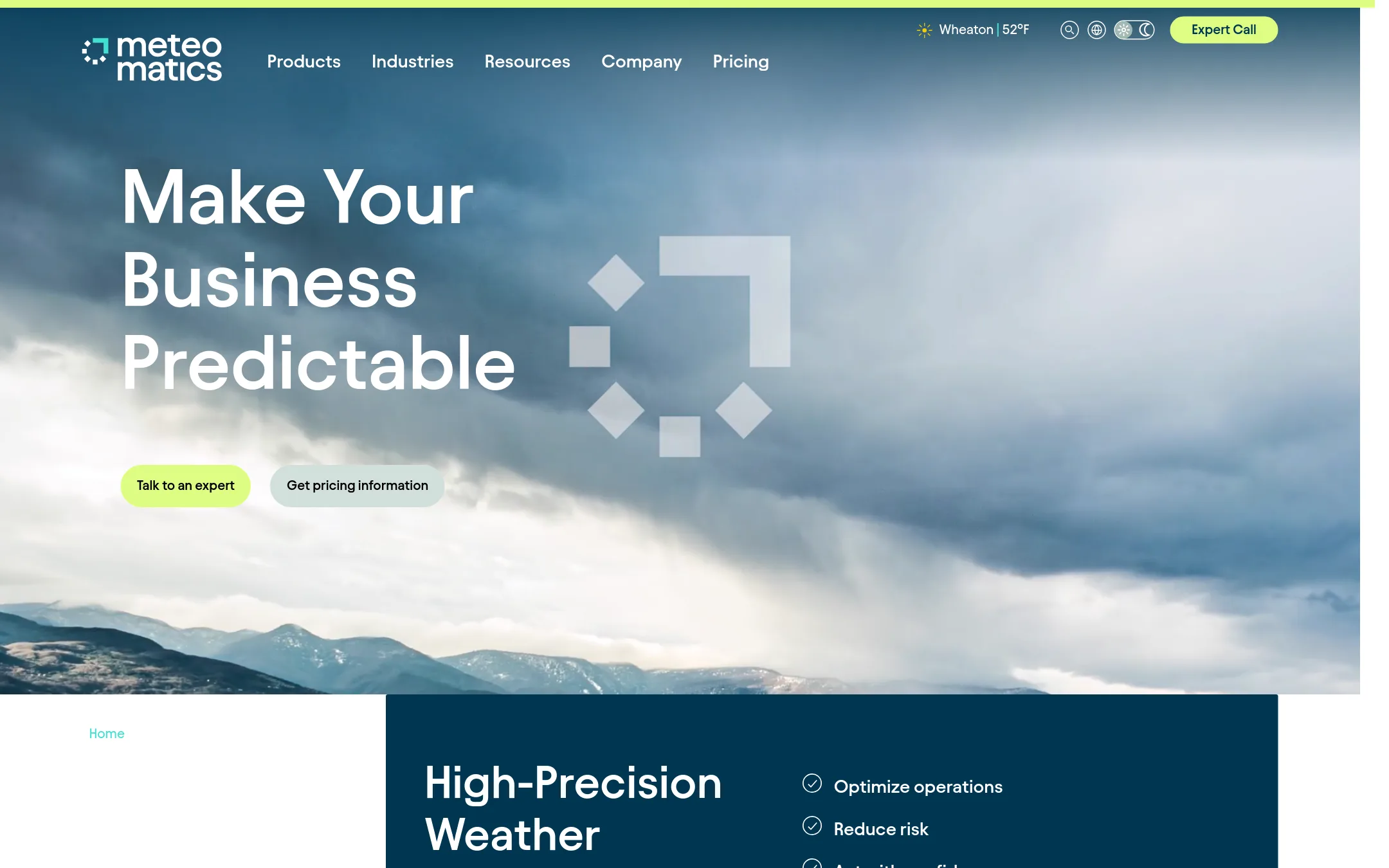
Meteomatics is a weather intelligence platform that combines proprietary data sources like Meteodrones with high-resolution models and a flexible API. You would choose it over Atmo if you need deep integration into business workflows, historical data back to 1940, or sector-specific packages for energy, insurance, or aviation.
Where it is strong
- API with 1,800+ parameters and 110+ sources, covering 1940 to 2100
- Exclusive Meteodrone observations for boundary-layer data up to 6 km
- 1-km resolution models with 15-minute updates and hourly refresh
Where it falls short
- No public pricing. Likely enterprise contracts only
- Heavier setup than Atmo for simple forecasting needs
- Pricing:
- Pricing is not published on the site.
- Switching from Atmo:
- Moving from Atmo means replacing its AI-native forecasting with Meteomatics' API and models, which may require reworking data pipelines and integrations.
- ASee website
4.AccuWeather
AI & Machine Learning
AccuWeather is a long-established consumer and enterprise weather service with global forecasts and advertising-supported apps. It offers broad reach but relies primarily on traditional modeling. Atmo surpasses AccuWeather in forecast speed and 1 km resolution for specialized government and industrial use cases requiring verified defense-grade accuracy.
- Not published
5.Windy
Best for: Outdoor sports communities and casual users who want a free, visual weather map with spot forecasts.
- Pricing
- Not published
- Category
- AI & Machine Learning
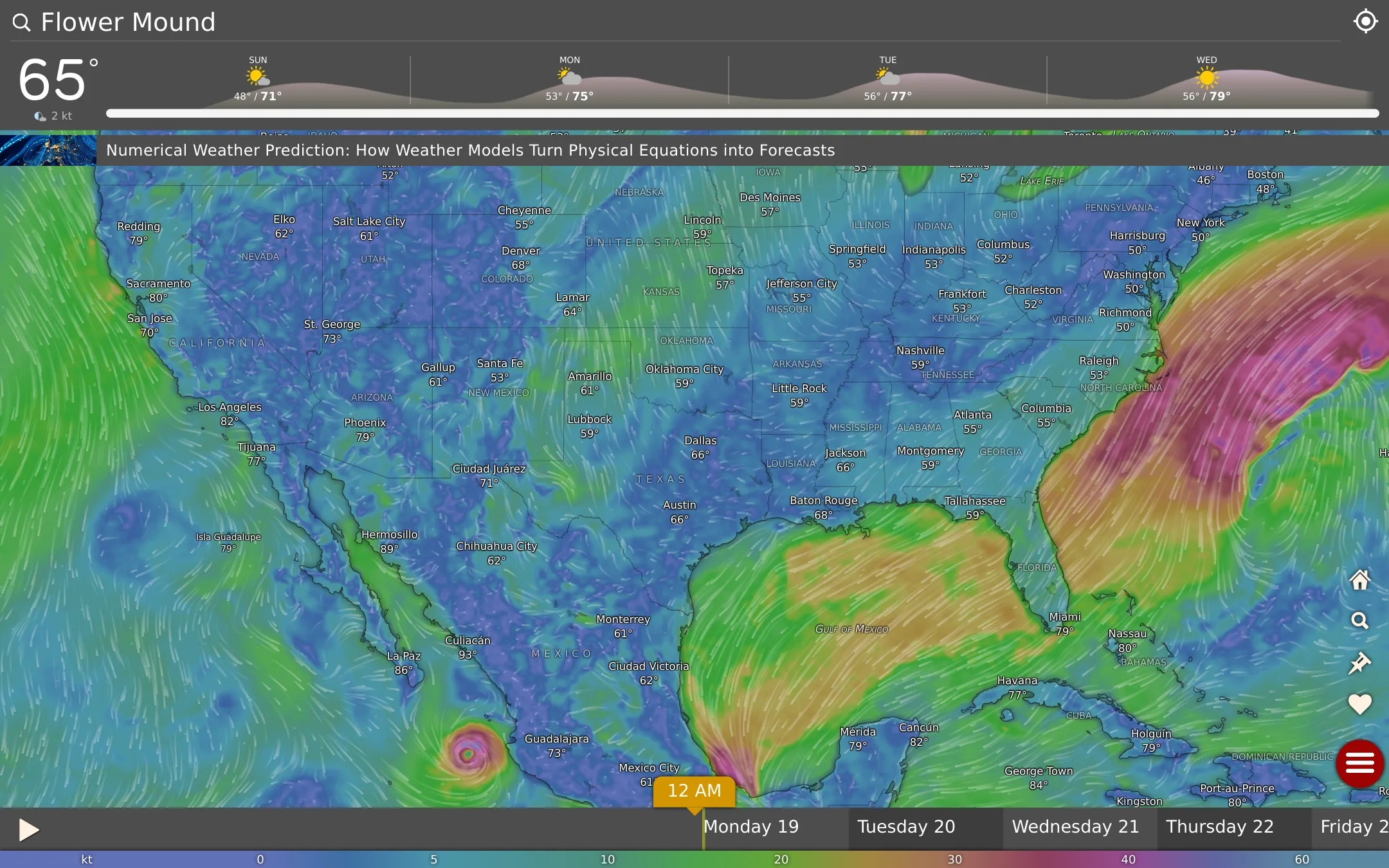
Windy is a visual weather map and forecast tool aimed at outdoor enthusiasts and general users. Choose it over Atmo if you need an accessible, interactive map for wind, waves, and weather rather than enterprise-grade AI forecasting.
Where it is strong
- Interactive wind and weather map with multiple layers
- Free to use with no sign-up required
- Includes METAR, TAF, and NOTAMs for pilots
Where it falls short
- No AI-powered forecasting or nano-climate detail
- Not designed for government or military use
- Pricing:
- Pricing is not published on the site.
- Not published
6.ECMWF
Best for: Research institutions, national meteorological services, and operational forecasters that rely on established global NWP models and open data archives.
- Pricing
- Not published
- Category
- AI & Machine Learning
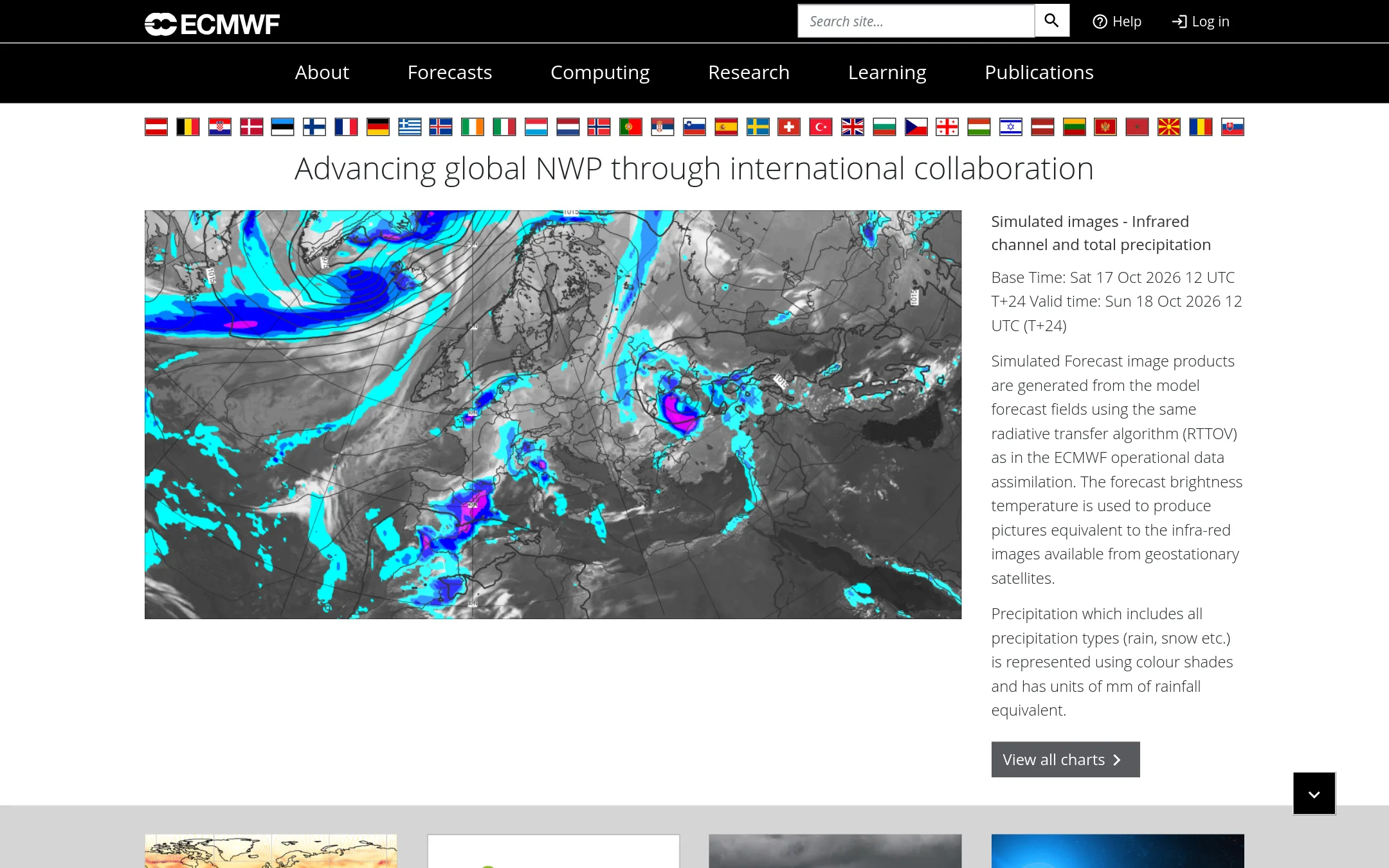
ECMWF is a European research institute and operational service that produces global numerical weather predictions, with one of the largest supercomputer facilities and meteorological data archives in the world. Choose it instead of Atmo if you need authoritative, operational NWP data from a long-established intergovernmental organization, especially for research or public-sector forecasting.
Where it is strong
- Operational 24/7 global numerical weather predictions from a leading European centre.
- One of the largest supercomputer facilities and meteorological data archives in the world.
- Backed by international collaboration across Member and Co-operating States.
Where it falls short
- Not an AI-native product like Atmo. Based on traditional numerical weather prediction.
- Access to some data may be restricted to Member and Co-operating States or require agreements.
- Pricing:
- Pricing is not published on the site.
- Not published
7.NOAA NWS
Best for: U.S.-based teams and individuals needing official forecasts, severe weather alerts, and public radar data at no cost.
- Pricing
- Not published
- Category
- AI & Machine Learning
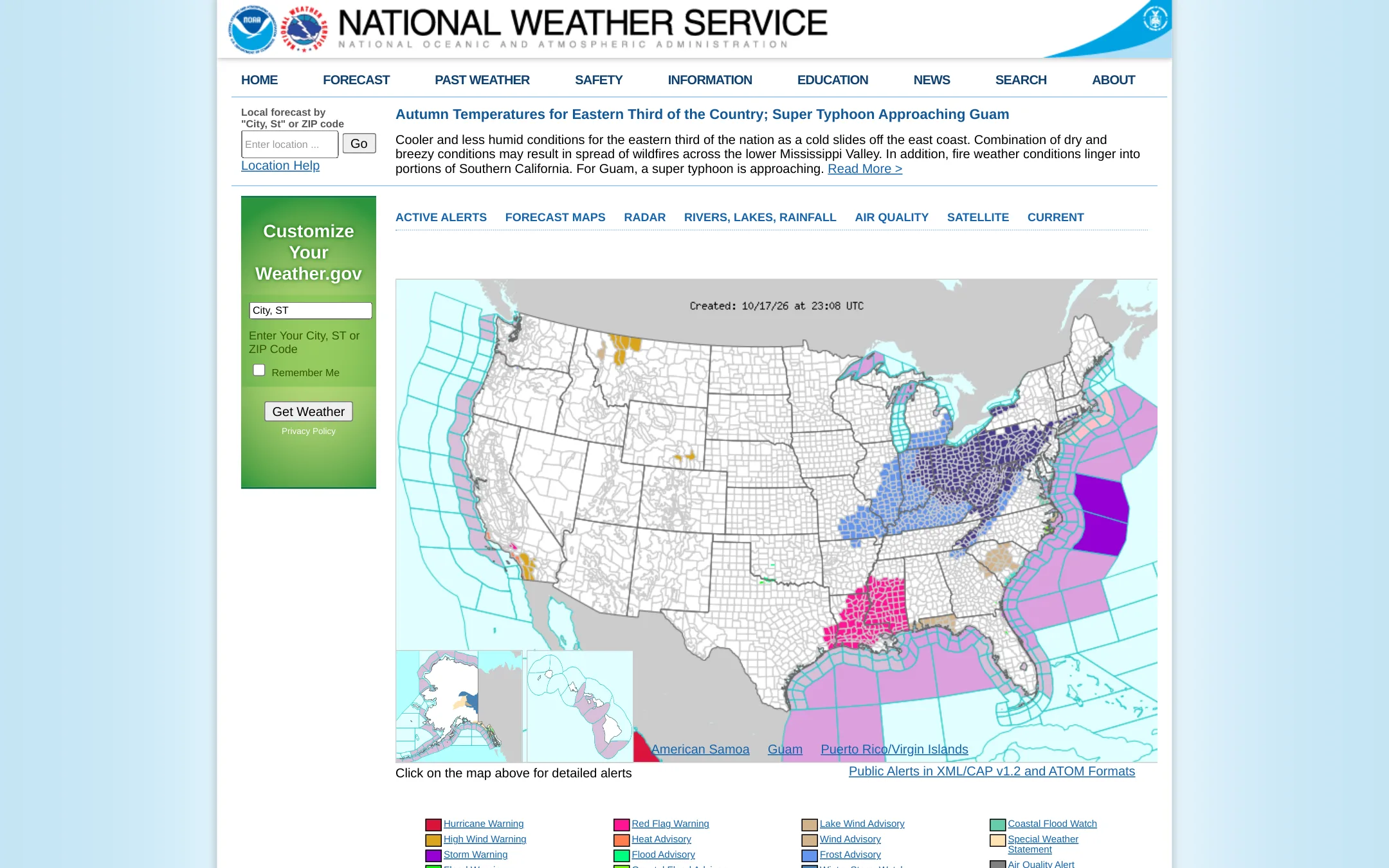
NOAA NWS is the official U.S. government source for weather forecasts, alerts, and climate data. Choose it instead of Atmo if you need free, authoritative public weather information for the United States, especially for safety alerts and radar.
Where it is strong
- Free public access to forecasts, alerts, and radar
- Official U.S. government data, trusted for safety
- Covers a wide range of weather products, from marine to space weather
Where it falls short
- Limited to U.S. territory and its territories
- No AI-powered ultra-precise forecasting or nano-climate detail
- Pricing:
- Pricing is not published on the site.
See more comparisons in AI & Machine Learning alternatives.
FAQ
Questions about Atmo alternatives
What is the main difference between Atmo and Tomorrow.io?
Atmo focuses on ultra-precise AI forecasts, while Tomorrow.io focuses on operational workflows that turn weather data into automated decisions. Choose Tomorrow.io if you need sector-specific agents for insurance, manufacturing, or aviation.
Does Spire Global offer AI-based forecasting like Atmo?
No, Spire Global provides space-based observational data via APIs, not AI-based forecast speed or resolution. It is best for teams needing unique satellite data for weather and aviation intelligence.
Which alternative is best for energy or insurance companies?
Meteomatics is best for energy, insurance, aviation, and government enterprises. It offers an API with 1,800+ parameters, high-resolution models, and sector-specific packages, though pricing is not public.
Are there free alternatives to Atmo?
Windy and NOAA NWS are free. Windy offers a visual weather map for outdoor enthusiasts, while NOAA NWS provides official U.S. government forecasts and alerts. Neither offers AI-powered ultra-precise forecasting.
Is ECMWF a good alternative for research institutions?
Yes, ECMWF is a leading intergovernmental organization with operational global numerical weather predictions and large data archives. It is not AI-native like Atmo, and some data access may be restricted to member states.
Last updated October 19, 2026.