atopile alternatives
5 products compared · Updated November 20, 2026
The short answer
The three strongest alternatives to atopile are KiCad, Altium Designer and Upverter. KiCad is free, open source schematic and PCB software for makers and small teams who do not need designs written as code. Altium Designer suits electronics teams already trained on drawn schematics and layouts who want cloud collaboration. Upverter fits hardware teams who prefer a browser-based visual editor, though its site could not be reached during research.
Your shortlist, at a glance
Read the comparisons ↓ KiCadFree (open source)Hardware makers and small teams who want a free, familiar schematic and PCB layout tool and do not need designs written as code.
 Altium DesignerNot publishedElectronics teams already trained on schematic capture and PCB layout who want cloud collaboration and revision control without changing how they draw boards.
 FluxNot publishedRetail and wholesale merchants in Spanish-speaking markets that want to sell on credit to their customers
- UUpverterNot publishedHardware teams that prefer drawing schematics and boards in a browser over writing design code
- AAutodesk Construction CloudCustom quoteGeneral contractors, specialty contractors and owners running building construction projects that need bid, document and field coordination
About atopile and its alternatives
atopile is an electronics design platform that lets engineers write circuit boards as code. According to its site, it is known for compiler-checked designs, reusable parametric modules, an open-source core, and on-prem deployment for enterprises that also use Altium.
When comparing alternatives in this category, weigh how each tool represents a design (drawn or written as code), its pricing structure and whether pricing is published, the regions and languages it supports, integrations with existing tools, the support available, and the contract terms for enterprise use.
Explore the alternatives
- Free (open source)
1.KiCad
Best for: Hardware makers and small teams who want a free, familiar schematic and PCB layout tool and do not need designs written as code.
- Pricing
- Free (open source)
- Category
- Design & Creative
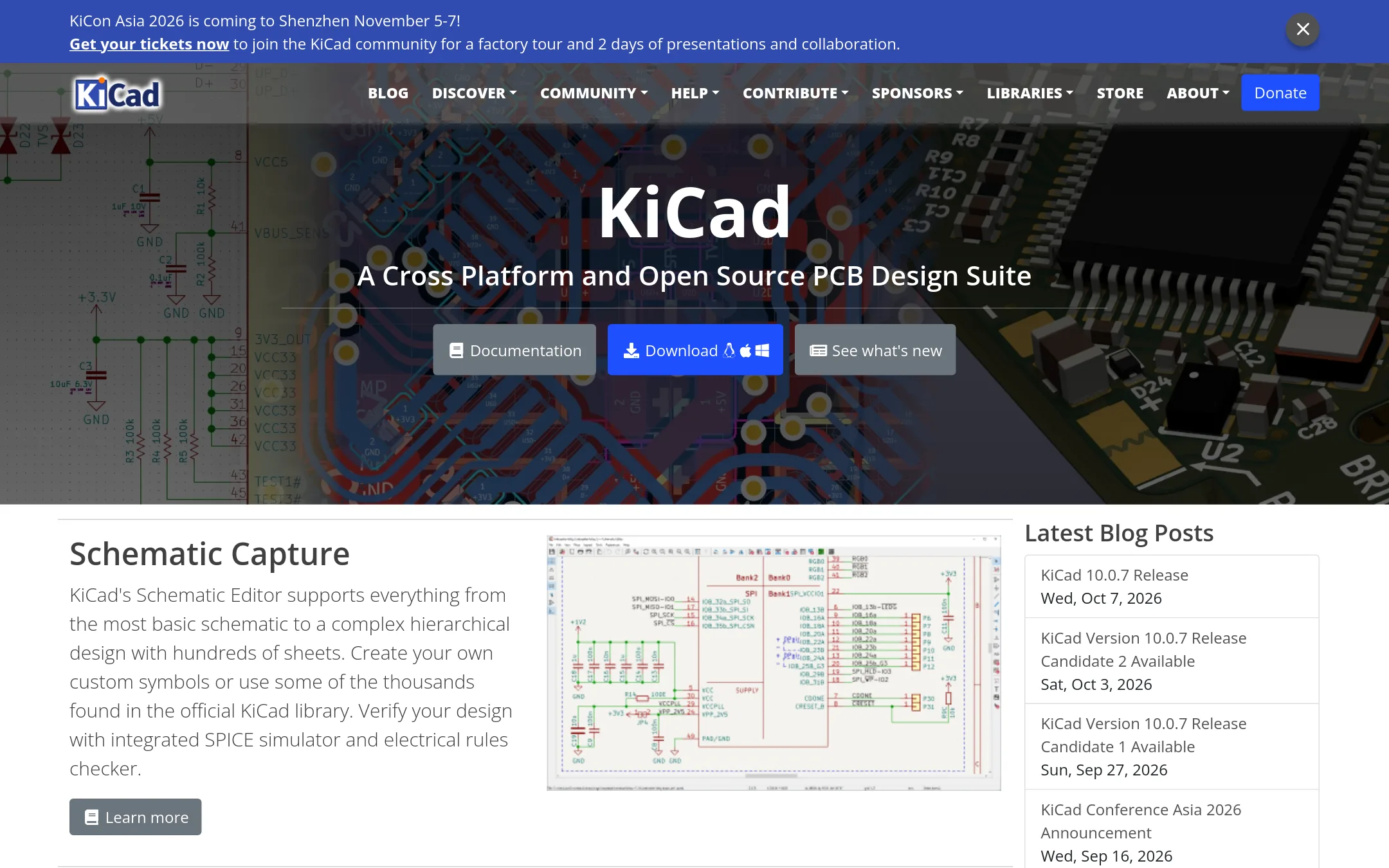
KiCad is free, open source schematic capture and PCB layout software for Windows, macOS and Linux. It covers hierarchical schematics, an interactive router, a built-in SPICE simulator and a 3D viewer. A team would pick KiCad over atopile when they want a conventional drag-and-draw schematic and layout workflow, with a large existing symbol library, rather than designing boards as code.
Where it is strong
- Free to use, with the project described as forever free.
- Runs on Windows, macOS and Linux.
- Includes an integrated SPICE simulator and electrical rules checker, plus a 3D viewer for checking mechanical fit.
Where it falls short
- Designs are drawn in the editor rather than written as code, so there is no compiler-checked, parametric reuse like atopile offers.
- The site does not describe AI agents or on-prem enterprise deployment.
- Pricing:
- KiCad is free to download and use, and the site describes it as forever free. Donations are optional through The Linux Foundation.
- Not published
2.Altium Designer
Best for: Electronics teams already trained on schematic capture and PCB layout who want cloud collaboration and revision control without changing how they draw boards.

- Pricing
- Not published
- Category
- Design & Creative
Altium Designer is a conventional PCB design suite where engineers draw schematics and layouts in a desktop environment, with Altium 365 adding cloud collaboration and data management around it. Someone would choose it over atopile when the team wants a familiar schematic-and-layout workflow that engineers already know, and does not want to rewrite designs as code.
Where it is strong
- Schematic capture and PCB layout in a desktop tool engineers already know
- Altium 365 adds cloud sharing, revision control and review on the same projects
- Broad product family, from Octopart parts discovery to enterprise data management
Where it falls short
- Designs are drawn in a graphical editor, so AI agents and code review work less directly than with code-native tools
- Pricing is not published, so cost must be confirmed through sales
- Pricing:
- Pricing is not published on the site.
- Not published
3.Flux
Best for: Retail and wholesale merchants in Spanish-speaking markets that want to sell on credit to their customers

- Pricing
- Not published
- Category
- Finance & Accounting
Flux is a Spanish-language platform that lets a shop or merchant offer its customers credit at checkout. Customers apply from their phone and pick a payment term, and the merchant is paid up front while the customer pays Flux later. It fits a business that sells to customers who want installment-style payment, not a team designing circuit boards, so it would only come up as an alternative to atopile if someone mistakenly searched for it under electronics design.
Where it is strong
- Customers apply for credit from their phone and choose a payment term
- Merchants receive their money in their bank account while customers pay later
- Starting costs nothing and the merchant pays only a small fee per sale
Where it falls short
- It solves retail credit and payments, so it does not cover electronics design or any engineering work atopile handles
- Its site and materials are in Spanish, and the public pages show no other languages
- Pricing:
- Pricing is not published on the site.
- UNot published
4.Upverter
Best for: Hardware teams that prefer drawing schematics and boards in a browser over writing design code

- Pricing
- Not published
- Category
- Other
Upverter is a browser-based electronics design tool for schematics and PCB layout, with a shared component library. The alternative's site could not be reached during research, so its current features are not confirmed here. A team would pick it over atopile if they want to draw schematics and layout visually rather than write the design as code.
Where it is strong
- Browser-based schematic and PCB design
- Visual editing that engineers coming from classic EDA tools may find familiar
- No code required to produce a design
Where it falls short
- Its website could not be reached when this page was checked, so current details are unconfirmed
- Designs are drawn, not written as text, so they are harder to version, review and reuse the way atopile code is
- Pricing:
- Pricing is not published on the site.
- ACustom quote
5.Autodesk Construction Cloud
Best for: General contractors, specialty contractors and owners running building construction projects that need bid, document and field coordination
- Pricing
- Custom quote
- Category
- Productivity & Project Management
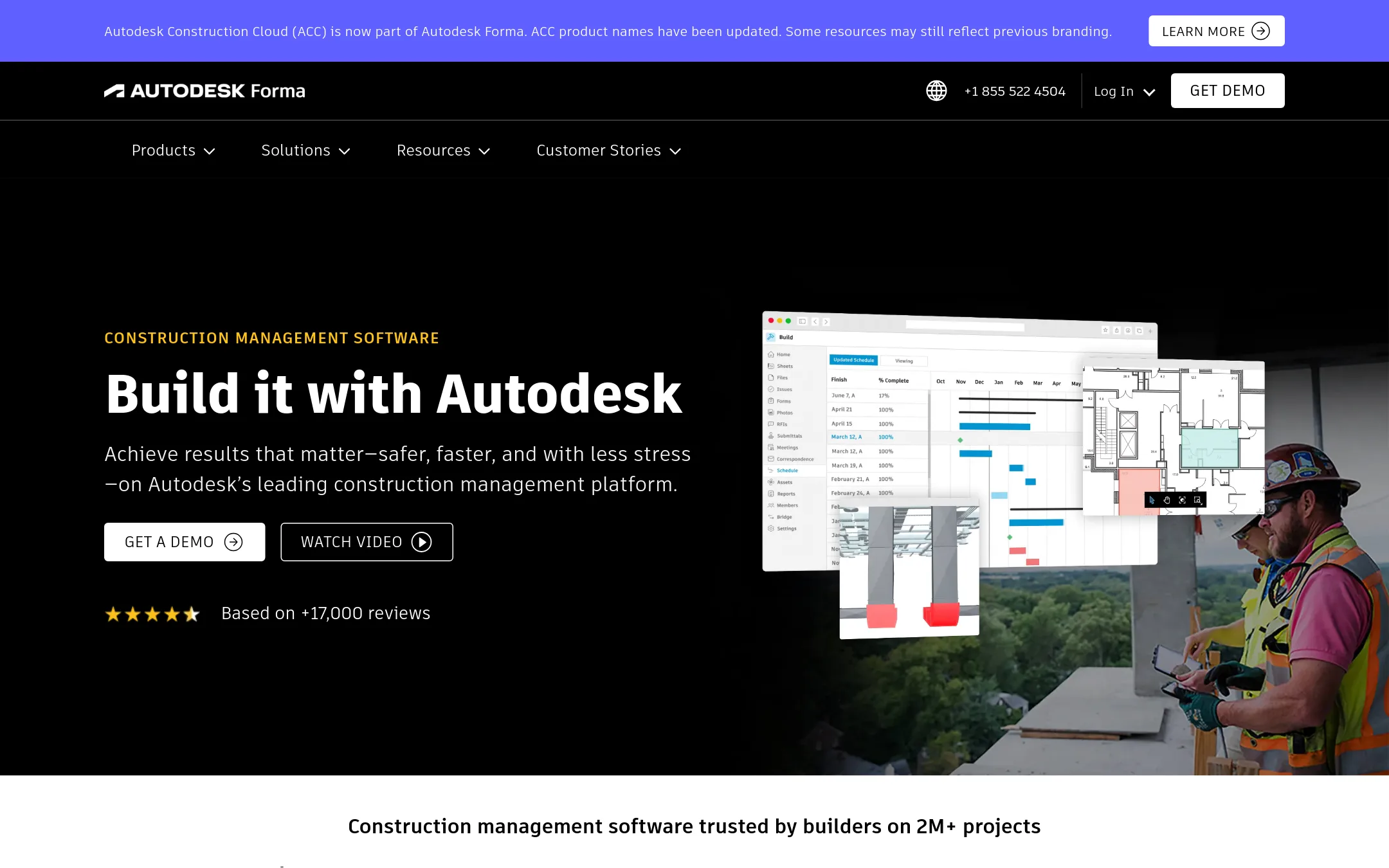
Autodesk Construction Cloud, now branded Autodesk Forma, is a construction management platform for general contractors, specialty contractors and owners. It covers document management, bid management, model coordination and project management on real building projects. Someone would pick it over atopile when the job is running a building site and its paperwork rather than designing a circuit board.
Where it is strong
- Covers the full project lifecycle from design to closeout in one platform
- Over 400 pre-built integrations with ERPs, CRMs and document tools
- Includes a 30-day money-back guarantee and support around the clock on weekdays
Where it falls short
- Built for building construction, so it does not help with electronics or circuit board design
- Pricing depends on bundles and quotes rather than a simple published rate
- Pricing:
- Autodesk Forma offers flexible user, project and account-based pricing, but the site does not list a specific dollar figure in the supplied text and directs visitors to a quote.
See more comparisons in Developer Tools alternatives.
FAQ
Questions about atopile alternatives
What is the best free alternative to atopile?
KiCad is the strongest free alternative. It is free, open source software for Windows, macOS and Linux, with schematic capture, PCB layout, a SPICE simulator and a 3D viewer. It draws designs in an editor rather than writing them as code.
Which alternative is best if my team already uses Altium?
Altium Designer is the closest fit for teams already trained on schematic capture and PCB layout. Altium 365 adds cloud sharing and revision control on the same projects. The site does not publish pricing, so cost must be confirmed through sales.
Can any of these tools design boards as code like atopile?
None of the listed alternatives is described as designing boards as code. KiCad, Altium Designer and Upverter all work through drawn schematics and layouts, which makes compiler-checked reuse and code review less direct than with atopile.
Is pricing published for these alternatives?
KiCad is free to use and described as forever free. Altium Designer and Upverter do not publish pricing on their sites. Buyers should request quotes directly from those vendors.
Why could Upverter not be fully verified?
Its website could not be reached when this page was checked, so its current features are unconfirmed. Buyers should visit its site directly to confirm what it offers today.
Last updated November 20, 2026.