
Beacon Health alternatives
6 products compared · Updated November 25, 2026
The short answer
The three strongest Beacon Health alternatives are Abridge, Suki and Hyro. Abridge suits health systems and large clinical groups that want ambient documentation across many clinicians. Suki suits clinicians and practices that want ambient note-taking that syncs into major EHRs. Hyro suits health systems and hospital call centers that need to reduce call abandonment and automate patient scheduling and routine questions.
Your shortlist, at a glance
Read the comparisons ↓- AAbridgeNot publishedHealth systems and large clinical groups that want ambient documentation and note drafting across many clinicians
Microsoft Azure CycleCloudNot publishedEngineering and research teams running scalable HPC or batch compute clusters on Azure
- SSukiNot publishedClinicians and practices that want ambient note-taking across specialties and major EHRs like Epic, Oracle Health, athenahealth and MEDITECH
- IInfinitusCustom quoteSpecialty pharma and health plan teams that need AI agents to handle patient and payer phone calls at scale
- HHyroNot publishedHealth systems and hospital call centers that need to cut call abandonment and automate patient scheduling, billing and routine questions across phone, chat and text.
- CCohere HealthNot publishedHealth plans that need prior authorization, payment integrity and appeals handled on one connected platform
About Beacon Health and its alternatives
Beacon Health builds AI agents that operate any EHR the way a human staff member would. According to its site, it automates tasks such as pre-charting, quality gap closure, annual wellness visit outreach, transition of care and risk adjustment coding, and it lists integrations with athenahealth, Epic, eClinicalWorks and NextGen.
When comparing alternatives in this category, weigh the pricing structure first, since most vendors in this list do not publish prices and quotes must be requested. Then check which regions and EHRs a product supports, what integrations it offers, how support is delivered, and what the contract terms are. The best fit depends on whether the work happens during the patient visit, on the phone with patients and payers, or in back-office chart and claims tasks.
Explore the alternatives
- ANot published
1.Abridge
Best for: Health systems and large clinical groups that want ambient documentation and note drafting across many clinicians

- Pricing
- Not published
- Category
- Other
Abridge is an enterprise clinical AI platform that records and documents patient visits, drafts clinical notes, and handles pre-visit preparation and post-visit coding and orders. It is built for health systems, payers and life sciences organizations, and its site cites ambient documentation, reduced note-writing effort and HCC capture. Choose Abridge over Beacon Health when the main need is ambient clinical documentation during the visit rather than agents that operate inside the EHR to close HEDIS gaps or run outreach.
Where it is strong
- Ambient capture during the visit, with notes drafted before and after the encounter
- Built for enterprise health systems and reports 300+ system customers on the site
- Site cites recognition including Best in KLAS 2025 and 2026
Where it falls short
- Its focus is documentation and clinical conversation, not EHR navigation for HEDIS gap closure or AWV outreach
- Pricing is not published, so cost must be confirmed through sales
- Pricing:
- Pricing is not published on the site.
- Not published
2.Microsoft Azure CycleCloud
Best for: Engineering and research teams running scalable HPC or batch compute clusters on Azure
- Pricing
- Not published
- Category
- Developer Tools
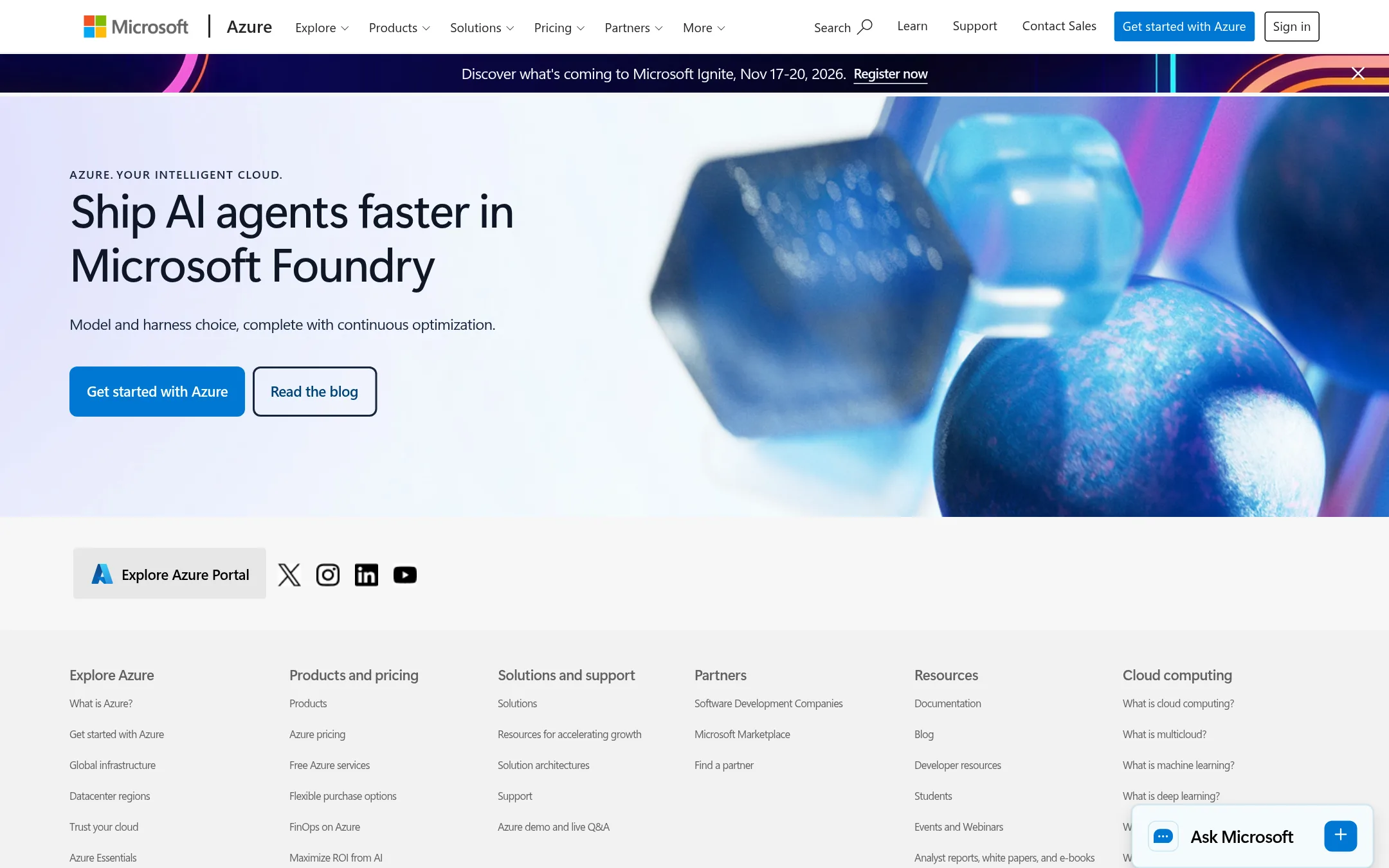
Azure CycleCloud is an orchestration tool for high performance computing clusters on Azure. It helps teams create, manage and scale compute clusters for batch and simulation workloads. Someone would pick it over Beacon Health when the job is running HPC or batch compute on cloud infrastructure, not automating clinical workflows inside an EHR.
Where it is strong
- Built for managing HPC cluster orchestration on Azure
- Works with Azure's cloud-scale compute and storage options
- Pay-as-you-go and commitment discounts such as reservations and savings plans apply
Where it falls short
- Does not automate healthcare workflows or operate EHR systems, unlike Beacon Health
- Pricing for CycleCloud itself is not published on the page, so costs depend on the Azure resources you use
- Pricing:
- In the United States, pricing follows Azure's consumption model with pay-as-you-go, reservations and savings plans, but the site does not list a specific CycleCloud rate on the pricing page.
- SNot published
3.Suki
Best for: Clinicians and practices that want ambient note-taking across specialties and major EHRs like Epic, Oracle Health, athenahealth and MEDITECH
- Pricing
- Not published
- Category
- Other
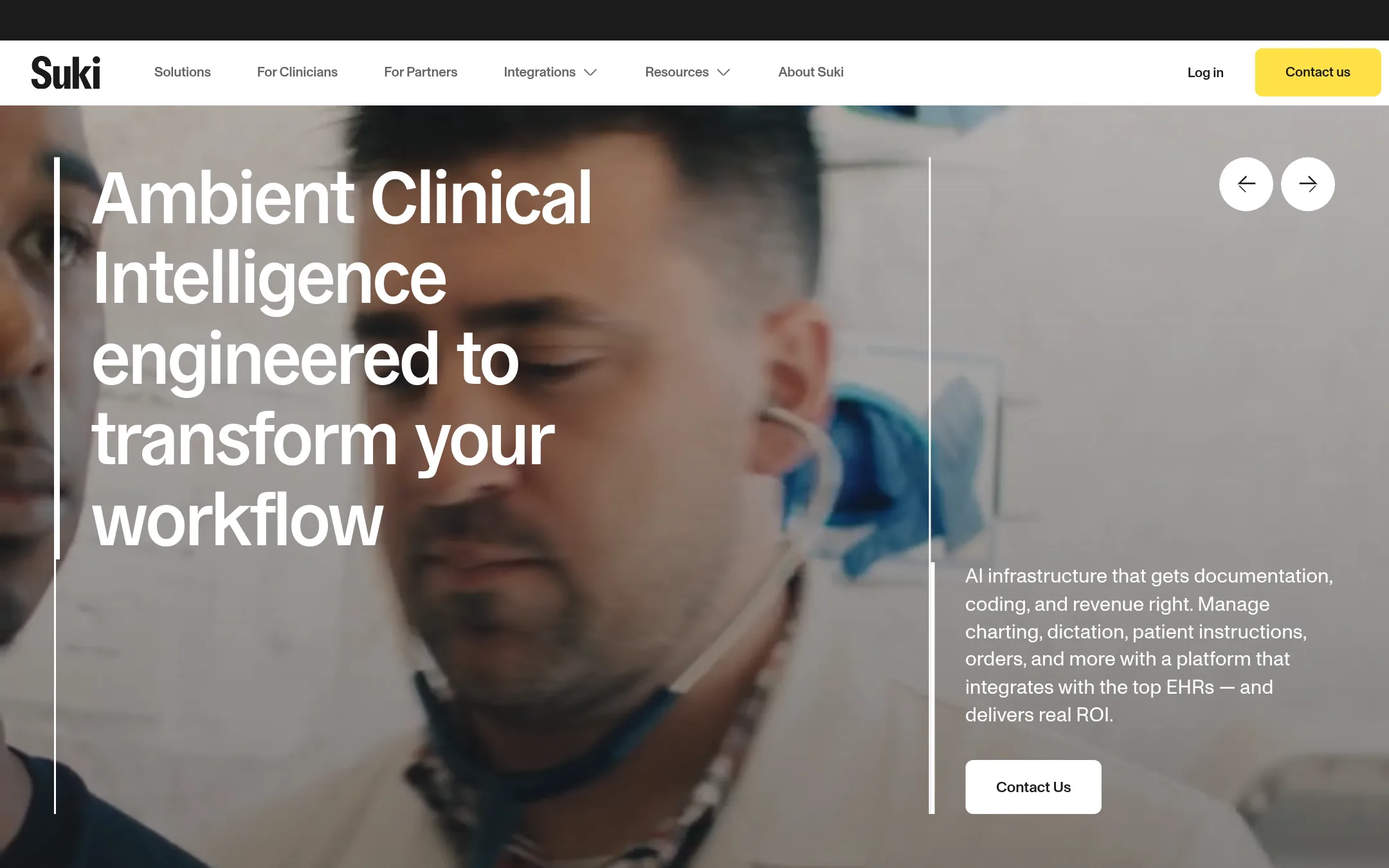
Suki is an ambient AI assistant for clinicians. It listens to the patient visit and drafts clinical notes, patient instructions and orders that sync into the EHR, and it adds clinical reasoning and coding help. A clinic would pick Suki over Beacon Health when the main pain is documentation burden during the visit itself, rather than back-office work like care gap closure.
Where it is strong
- Ambient capture generates notes, patient instructions and orders from the conversation
- Deep integrations with Epic, Oracle Health, athenahealth and MEDITECH
- SOC2 Type 2 certified and HIPAA compliant
Where it falls short
- Focused on clinical documentation and reasoning, not on operating EHRs to close HEDIS gaps the way Beacon Health does
- Its site describes an assisted revenue cycle feature but gives no detail on how it works
- Pricing:
- Pricing is not published on the site.
- ICustom quote
4.Infinitus
Best for: Specialty pharma and health plan teams that need AI agents to handle patient and payer phone calls at scale
- Pricing
- Custom quote
- Category
- Other
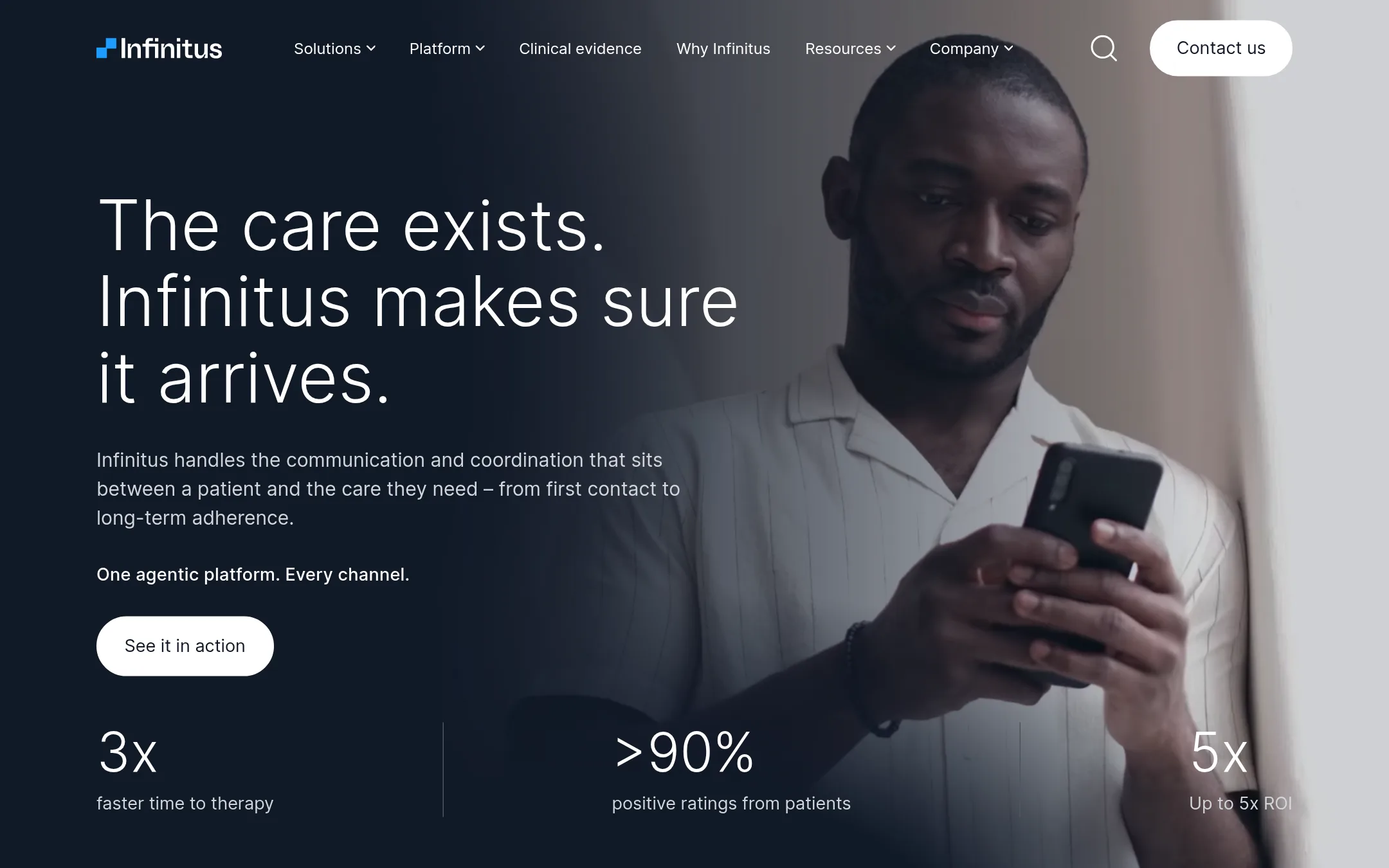
Infinitus runs phone calls and coordination between patients, payers and providers, such as copay questions, benefit checks and billing disputes. A team would choose it over Beacon Health when the work is mostly voice calls with payers and patients, rather than navigating an EHR chart.
Where it is strong
- Its agents handle inbound patient calls, such as copay and out-of-pocket questions, and transfer to a person when needed.
- It covers both patient-facing and payer-facing calls on one platform.
- It offers an AI copilot that helps staff get past IVR menus and hold times.
Where it falls short
- Its focus is phone calls and coordination, so it does not match Beacon Health's EHR-based chart work such as HEDIS gap closure.
- Pricing is quoted case by case, so buyers have to request a quote to see costs.
- Pricing:
- Pricing is not tiered publicly, and the site says it depends on product, volume and customer needs, with annual platform and license fees combined with per-task or per-minute usage, or a subscription, and discounted task rates for multi-year contracts with mon
- HNot published
5.Hyro
Best for: Health systems and hospital call centers that need to cut call abandonment and automate patient scheduling, billing and routine questions across phone, chat and text.
- Pricing
- Not published
- Category
- Other
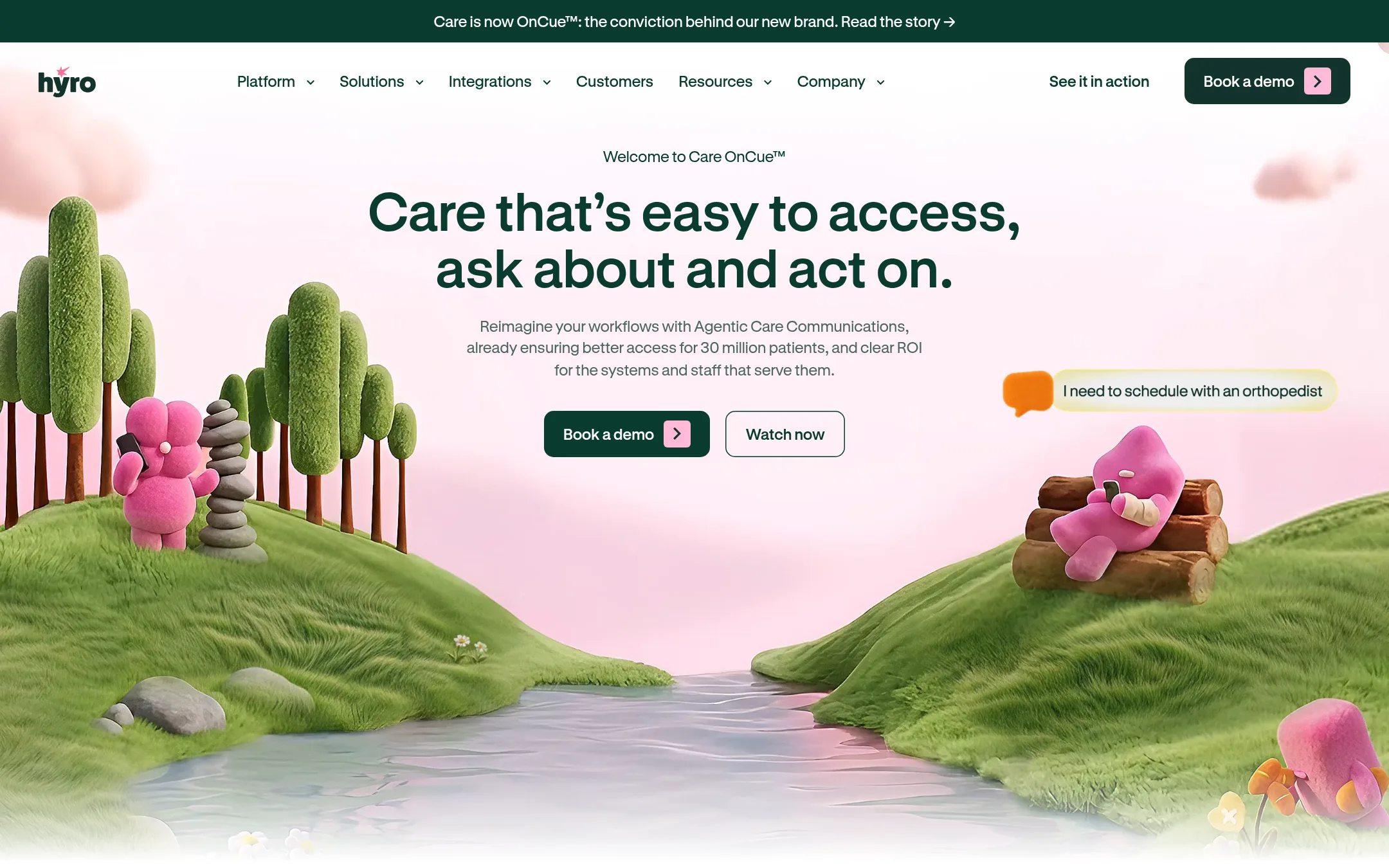
Hyro builds agentic care communications for health systems, handling inbound and outbound patient calls, chats and texts for scheduling, billing, prescriptions and IT help desk questions. Health systems choose it over Beacon Health when the main problem is patient-facing access, such as call abandonment and wait times, rather than clinician-side EHR work like closing HEDIS gaps or pre-charting.
Where it is strong
- Covers phone, chat and text in one platform, with inbound and outbound coverage.
- Site cites results at 2,500 hospitals, clinics and facilities, including call abandonment drops and chat resolution rates.
- Agents handle scheduling, revenue cycle tasks like insurance verification, and IT ticketing from one system.
Where it falls short
- Built around patient communications, so it does not show the clinician-facing EHR chart work that Beacon Health focuses on.
- Metrics on the site come from named health system customers, and no independent figures are given.
- Pricing:
- Pricing is not published on the site.
- CNot published
6.Cohere Health
Best for: Health plans that need prior authorization, payment integrity and appeals handled on one connected platform
- Pricing
- Not published
- Category
- Other
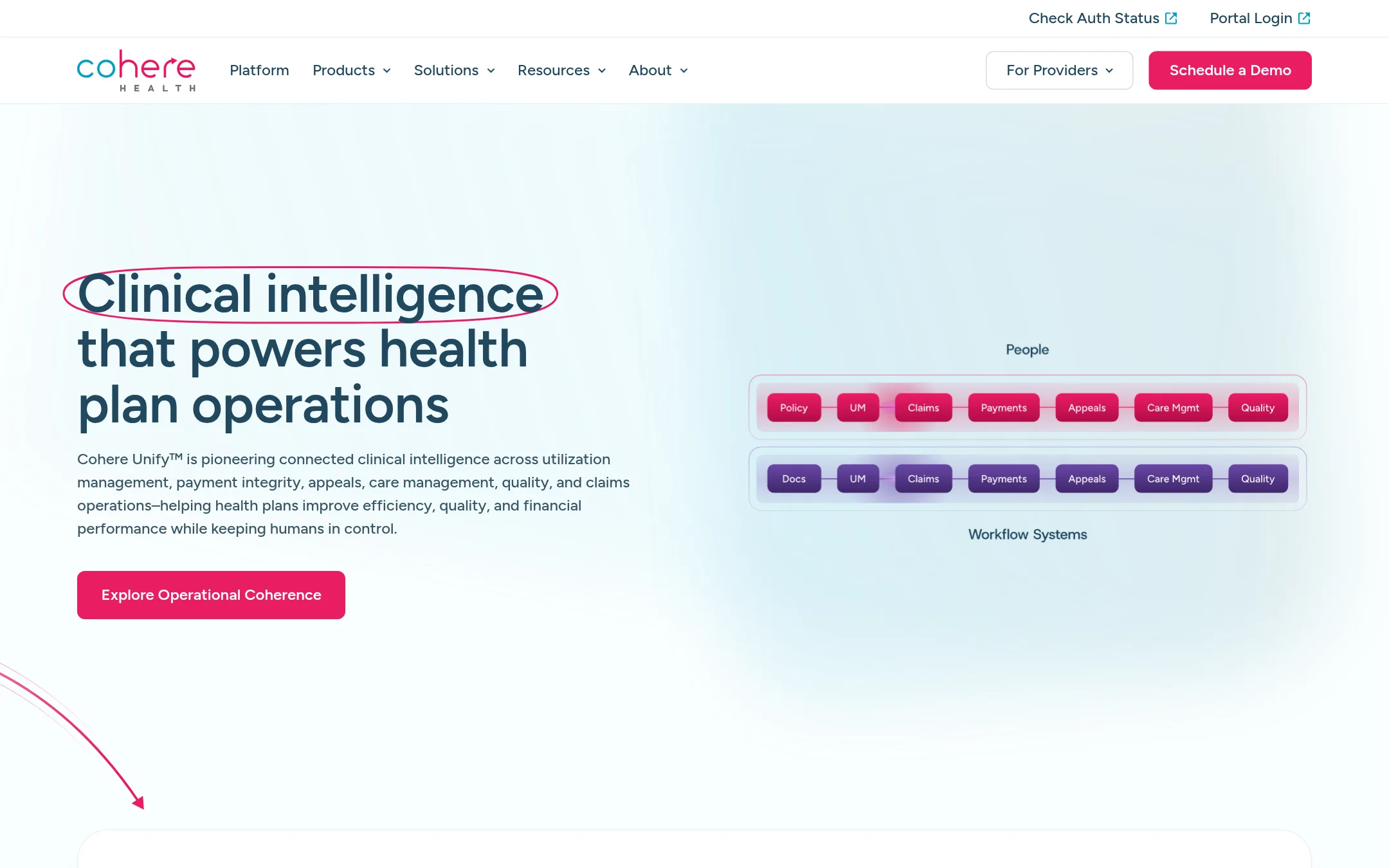
Cohere Health sells clinical intelligence to health plans, not practices. Its Cohere Unify platform covers utilization management, payment integrity, appeals, care management, quality and claims in one connected system. Someone would pick it over Beacon Health when the buyer is a payer who needs prior authorization, audit and appeals work connected across departments, rather than a physician group automating EHR tasks.
Where it is strong
- Covers utilization management, payment integrity, appeals, care management and claims in one platform
- Keeps clinicians in control of final determinations, with AI handling administrative steps
- Site reports 17 clients and 25M covered lives, with case examples of return on investment for payments, Stars and UM work
Where it falls short
- Built for health plans and payers, so it does not fit a primary care practice looking to automate EHR tasks
- Does not describe operating directly inside EHRs the way Beacon Health's agents do
- Pricing:
- Pricing is not published on the site.
See more comparisons in Healthcare alternatives.
FAQ
Questions about Beacon Health alternatives
Which alternative is best if I mainly need ambient clinical documentation?
Abridge and Suki both focus on ambient documentation that drafts clinical notes from the patient visit. Abridge is built for enterprise health systems and large clinical groups, while Suki covers specialties and integrates with Epic, Oracle Health, athenahealth and MEDITECH. Neither describes operating an EHR to close HEDIS gaps the way Beacon Health does.
Which option fits a hospital call center with long wait times?
Hyro is built for health systems and hospital call centers that need to reduce call abandonment. It handles inbound and outbound phone, chat and text for scheduling, billing and routine questions. Its site cites results at 2,500 hospitals, clinics and facilities, though those figures come from named customers.
Is any alternative built for health plans rather than physician practices?
Yes. Cohere Health sells to health plans and covers utilization management, payment integrity, appeals, care management and claims on one platform. It is not designed for a primary care practice looking to automate EHR tasks.
Do any of these alternatives publish their pricing?
Most do not. Infinitus says pricing depends on product, volume and customer needs and combines platform fees with per-task or per-minute usage or a subscription, but it does not publish specific rates. Abridge, Suki, Cohere Health and Hyro also do not publish pricing, so buyers need to request a quote.
Which option is not a healthcare workflow tool at all?
Microsoft Azure CycleCloud is an orchestration tool for high performance computing clusters on Azure, used for batch and simulation workloads. Its pricing follows Azure's consumption model, and it does not automate clinical workflows or operate EHR systems.
Last updated November 25, 2026.