
BigCommerce alternatives
9 products compared · 2026
Your shortlist, at a glance
Read the comparisons ↓ BikrySee websiteBikry: Helping SMB's in India go online
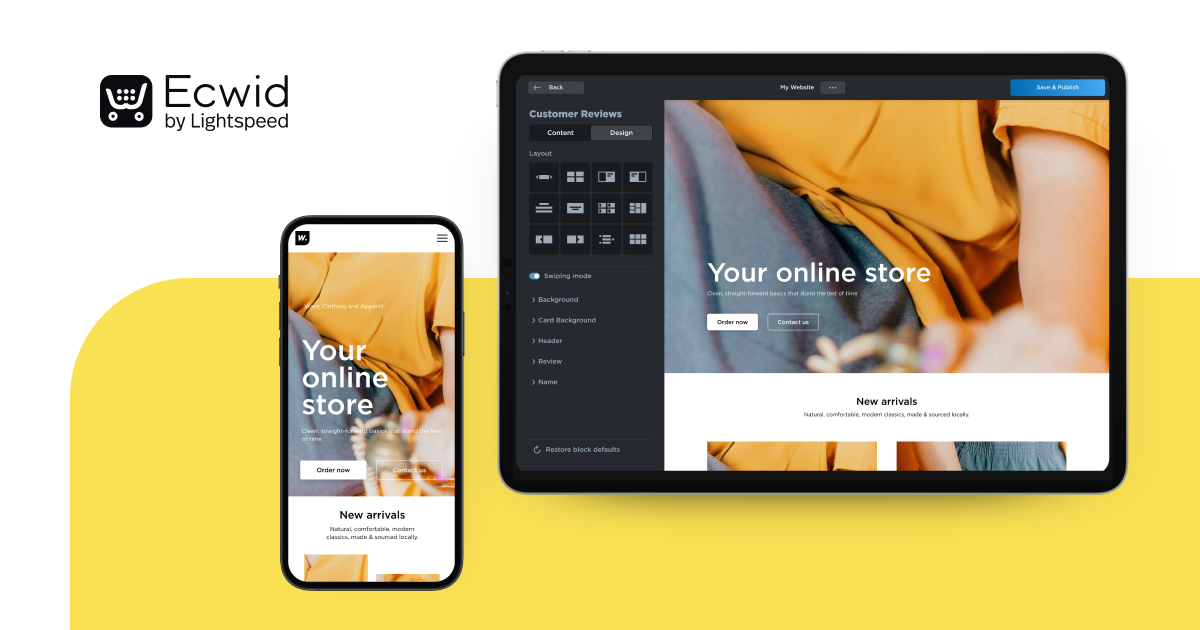 EcwidSee website#1 Ecommerce Shopping Cart & Online Store - No Transaction Fees
MagentoSee websiteE-commerce
- PPayhipSee websiteSell products online with ease
PrestaShopSee websiteOpen source ecommerce platform to build, customize and scale your online store
SellfySee websiteSell digital products, subscriptions & merch with zero transaction fees
 ShopifySee websiteAll-in-one commerce platform with AI tools to sell online, in-person, and globally.
 VolusionSee websiteEcommerce Website Builder & Online Selling Platform
 WooCommerceSee websiteE-commerce
About BigCommerce and its alternatives
Merchants evaluating BigCommerce alternatives often seek platforms with stronger B2B workflows, simpler migration paths, or lower total cost for high-volume stores. BigCommerce stands out for its native multi-storefront support, Feedonomics integration for marketplace feeds, and AI-driven catalog enrichment that helps brands appear in conversational search. However, teams needing deeper customization or different pricing structures frequently compare it against Shopify for ease of use, Adobe Commerce for enterprise flexibility, or WooCommerce for full code control. This guide examines real differences in checkout customization, B2B depth, international commerce, and developer extensibility so you can match platform strengths to your catalog complexity, sales channels, and growth stage without rebuilding core operations.
Explore the alternatives
- See website
1.Bikry
E-commerce
Bikry: Helping SMB's in India go online
- See website
2.Ecwid
E-commerce
#1 Ecommerce Shopping Cart & Online Store - No Transaction Fees
- See website
3.Magento
E-commerce
- PSee website
4.Payhip
E-commerce
Sell products online with ease
- See website
5.PrestaShop
E-commerce
Open source ecommerce platform to build, customize and scale your online store
- See website
6.Sellfy
E-commerce
Sell digital products, subscriptions & merch with zero transaction fees
- See website
7.Shopify
E-commerce
All-in-one commerce platform with AI tools to sell online, in-person, and globally.
- See website
8.Volusion
E-commerce
Ecommerce Website Builder & Online Selling Platform
- See website
9.WooCommerce
E-commerce
See more comparisons in E-commerce alternatives.
FAQ
Questions about BigCommerce alternatives
Is BigCommerce better than Shopify for B2B commerce with approvals and quotes?
BigCommerce offers native B2B tools like account-specific pricing, buyer roles, purchase order processing, and self-service quotes directly in the core platform, whereas Shopify requires apps or Shopify Plus custom development for similar depth, making BigCommerce stronger for complex B2B without extra costs.
How does BigCommerce compare to WooCommerce for multi-storefront management?
BigCommerce provides built-in multi-storefront capabilities from one backend with shared inventory and pricing, while WooCommerce needs separate installations or multisite plugins that increase maintenance overhead and hosting complexity for brands running multiple regional stores.
What are the main differences in AI features between BigCommerce and Salesforce Commerce Cloud?
BigCommerce includes Companion, an AI assistant for answering shopper questions and enriching product data for AI search, whereas Salesforce focuses more on Einstein AI for personalization and analytics but often requires heavier implementation and higher licensing fees.
Can I migrate from BigCommerce to Magento without losing B2B configurations?
Migration from BigCommerce to Magento is possible but typically requires extensive data mapping for B2B elements like custom pricing and approvals since Magento's B2B features live in Adobe Commerce extensions that differ structurally from BigCommerce's native implementation.
Does BigCommerce or Shopify handle product feeds to Amazon and TikTok better?
BigCommerce integrates Feedonomics natively for optimizing titles, descriptions, and metadata across Google, Meta, Amazon, and TikTok, giving it an edge over Shopify which relies more on third-party feed apps with additional per-channel fees and setup steps.