
Busuu alternatives
9 products to explore · 2026
Your shortlist, at a glance.
Read the comparisons ↓
Check each product’s website for current pricing and features. A verified badge indicates a verified listing, not a ranking.
About Busuu and its alternatives
People searching for Busuu alternatives are usually looking for language apps that deliver stronger speaking feedback, more structured grammar, or lower costs after the free tier. Busuu stands out for its 120-million-user community and native-speaker pronunciation reviews, yet many learners want additional options that emphasize gamification, offline access, or business-team reporting. This page compares the most popular alternatives side-by-side so you can match the right platform to your budget, preferred practice style, and target language. Whether you need short daily lessons, live tutors, or curriculum aligned to CEFR levels, the options below highlight where each product exceeds or falls short of Busuu’s community-driven model.
Explore the alternatives

1.Cambly
EducationOn-demand access to English tutors over video chat.
2.Babbel
EducationLearn languages fast with practical conversation-focused lessons and proven methods.
3.Duolingo
EducationDuolingo is the world
4.HelloTalk
EducationLearn languages for free by chatting with native speakers worldwide
5.Lingoda
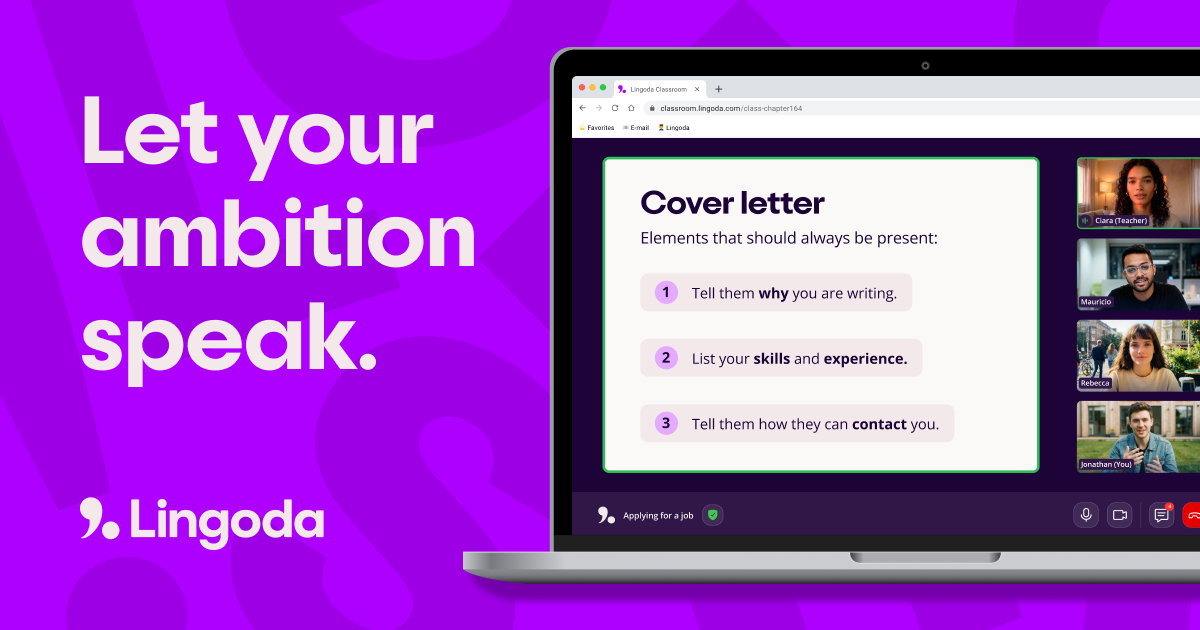
EducationLive online language classes with certified teachers and AI tools

6.Preply
EducationLearn languages online with personalized 1-on-1 tutors and flexible scheduling.
7.Rosetta Stone
EducationLearn languages immersively with Dynamic Immersion and TruAccent speech feedback.

8.Verbling
EducationLanguage lessons with native teachers over video chat, anytime anywhere.

9.italki
EducationFlexible 1-on-1 language lessons with tutors worldwide, no subscriptions required.
See more comparisons in Education alternatives.
Questions about Busuu alternatives
What is the best Busuu alternative for improving speaking confidence quickly?
HelloTalk and Tandem focus almost exclusively on live text, voice and video chats with native speakers, giving more daily speaking volume than Busuu’s structured exercises. If you want instant corrections without waiting for community feedback, these two apps are frequently chosen over Busuu.
Which Busuu alternative offers the strongest grammar explanations?
Babbel provides explicit grammar notes and dialogues recorded by native speakers, whereas Busuu keeps explanations minimal. Learners who prefer rule-based learning often switch from Busuu to Babbel for languages like German or French.
Is there a completely free Busuu alternative without premium upsells?
Duolingo remains the largest fully free option, supported by ads and optional Super Duolingo. It lacks Busuu’s native-speaker audio feedback but supplies unlimited gamified lessons at no cost.
How do Busuu alternatives compare for business language training?
Most alternatives lack Busuu’s dedicated business dashboard. Platforms such as Babbel for Business and Rosetta Stone offer admin reporting and SSO, while Duolingo for Work provides progress analytics at a lower per-seat price.
Which alternative matches Busuu’s CEFR-aligned courses?
Mondly and Lingodeer both publish CEFR-mapped content similar to Busuu. Mondly adds AR and chatbot speaking practice; Lingodeer focuses on Asian languages with character writing tools that Busuu does not emphasize.
Can I use a Busuu alternative completely offline?
Drops and Pimsleur offer strong offline modes. Drops works on visual vocabulary without internet after download, while Pimsleur’s audio lessons require no connection, unlike Busuu’s community features.