
Cambly alternatives
10 products to explore · 2026
Your shortlist, at a glance.
Read the comparisons ↓
Check each product’s website for current pricing and features. A verified badge indicates a verified listing, not a ranking.
About Cambly and its alternatives
Users searching Cambly alternatives often want flexible English conversation practice without rigid schedules or high costs. Cambly differentiates itself with truly on-demand 24/7 video access to native speakers, no booking required, and subscription tiers that mix group and private lessons plus self-study activities. People compare it to platforms offering tutor matching, community exchanges, or structured courses when they need spontaneous speaking practice, accent feedback, or progress tracking for travel, work, or daily fluency goals. Alternatives may suit those preferring fixed lesson plans, in-app gamification, or peer-to-peer chats instead of paid tutor time. Evaluating Cambly alternatives involves checking tutor availability, pricing per minute or month, recording features, and whether the focus is casual speaking or exam prep. Many seek options with similar mobile access but different tutor pools or free tiers for testing real conversations before committing.
Explore the alternatives
1.italki
Educationitalki connects learners with freelance tutors for booked one-on-one video English lessons. Strengths include huge tutor variety, community tutors at lower rates, and professional teachers plus trial lessons. Compared to Cambly it requires scheduling instead of instant 24/7 access and charges per session rather than flat monthly fees. italki suits users wanting specific teacher credentials or exam focus while Cambly fits spontaneous practice without planning.
2.Preply
EducationPreply matches students with tutors for scheduled online English classes with personalized plans. It offers tutor reviews, AI matching, and monthly packages. Versus Cambly Preply emphasizes advance booking and per-hour pricing with more structured curricula. Preply appeals to learners seeking consistent teachers for long-term goals whereas Cambly prioritizes immediate conversations and flexible group options.
3.HelloTalk
EducationHelloTalk is a free mobile app for language exchange via text voice and video with native speakers worldwide. Strengths are community scale and no cost for casual chats. Unlike Cambly's paid professional tutors HelloTalk relies on peer correction and lacks scheduled lessons or progress analytics. It works for informal daily practice but offers less structured feedback than Cambly subscriptions.
4.Lingoda
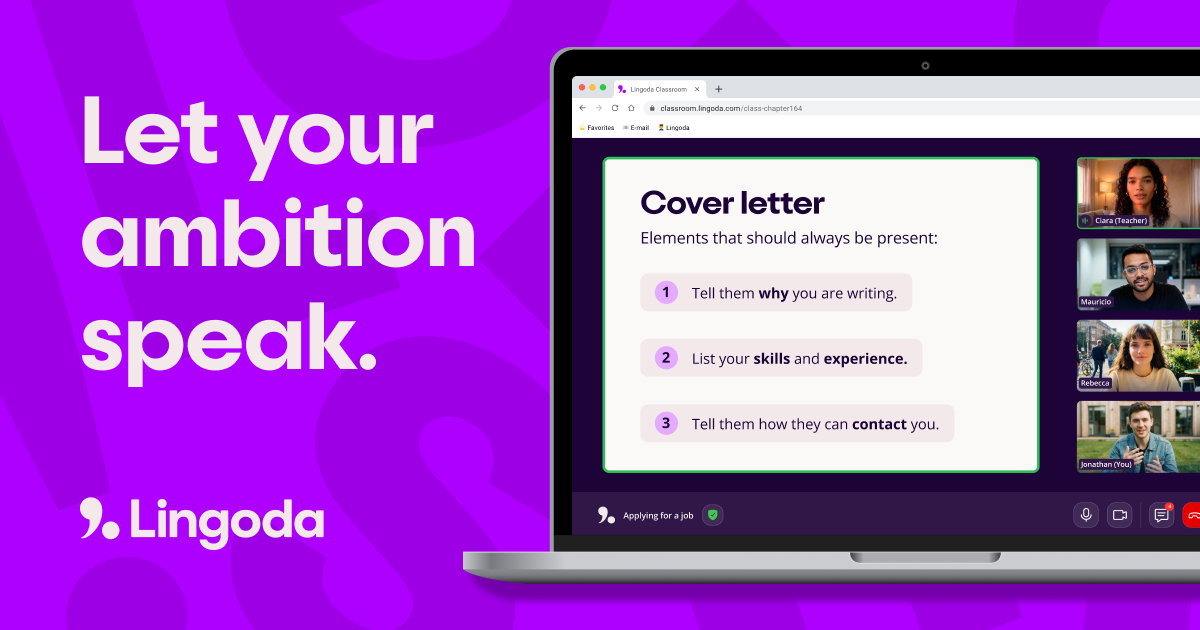
EducationLingoda runs live small-group and private English classes with certified teachers on a subscription or pay-per-class model. It includes curriculum and certificates. Unlike Cambly's instant matching Lingoda uses fixed schedules. Lingoda benefits structured learners seeking group accountability while Cambly provides more flexible on-demand access.
- T
5.Tandem
OtherTandem enables free peer-to-peer language practice through text audio and video chats with global users. Key features include correction tools and community events. Compared to Cambly it is entirely free and peer-driven without native paid tutors or lesson recordings. Tandem fits users wanting spontaneous exchanges on a budget while Cambly targets guided professional conversations.

6.Verbling
EducationVerbling connects users to certified tutors for scheduled one-on-one or group English video lessons. Features include lesson plans and progress reports. Compared to Cambly it requires booking and focuses on professionals. Verbling suits exam or career-focused students whereas Cambly targets casual daily speaking improvement.
7.Duolingo
EducationDuolingo delivers gamified bite-sized English lessons via app with speaking listening and grammar exercises. Strengths include free core access and daily streaks. It differs from Cambly by focusing on self-study drills rather than live tutor conversations. Duolingo suits beginners building basics affordably but lacks the real-time speaking confidence practice central to Cambly.
8.Babbel
EducationBabbel provides subscription-based conversational English courses with dialogues and speech recognition. It emphasizes practical travel and work phrases. Versus Cambly Babbel is self-paced without live tutors though it includes live classes in some plans. Babbel appeals to structured learners avoiding video calls while Cambly excels at spontaneous dialogue.
9.Busuu
EducationBusuu combines self-study lessons with community feedback and some live tutor options via subscription. Strengths are multimedia content and social corrections. It differs from Cambly by mixing app drills with optional tutoring rather than pure on-demand video. Busuu works for blended learners wanting both independent and interactive practice.
10.Rosetta Stone
EducationRosetta Stone offers immersive English software and app lessons using images and speech recognition without translations. Strengths are visual methodology and offline access. Compared to Cambly it lacks live interaction focusing on solo practice. Rosetta Stone fits users preferring independent study over Cambly's real-time tutor feedback and group options.
See more comparisons in Education alternatives.
Questions about Cambly alternatives
What are the best Cambly alternatives for 24/7 on-demand English speaking practice?
italki and Preply offer similar tutor video calls but require advance booking unlike Cambly's instant matching. HelloTalk and Tandem provide free peer chats available anytime though without professional tutors or structured feedback.
How does Cambly pricing compare to italki or Preply for private English lessons?
Cambly uses flat monthly subscriptions starting around €51 for private access while italki and Preply charge per lesson usually €10-30 each. Cambly includes unlimited activities and some recordings in higher tiers.
Are there Cambly alternatives focused on small group English conversation classes?
Lingoda and Verbling run scheduled small group lessons with native teachers. Cambly's small groups are also subscription-based but allow more flexible timing and mix of accents.
Which Cambly alternatives work well for kids or business English learners?
Cambly offers dedicated kids and business plans. Duolingo and Babbel provide kid-friendly apps while Preply and italki let users filter tutors specifically for business or young learners.
Do any Cambly alternatives include lesson recordings and automated feedback like Pro?
Cambly Pro adds recordings transcripts and feedback. Some italki tutors provide recordings manually while Lingoda includes structured feedback but not automatic post-lesson transcripts.
What free Cambly alternatives exist for casual English conversation practice?
HelloTalk and Tandem are free community apps for language exchange chats. They lack Cambly's paid native tutors and progress tools but allow unlimited anytime speaking with other learners.