
Candid Health alternatives
8 products compared · Updated October 18, 2026
The short answer
The three strongest alternatives to Candid Health are Waystar, Epic, and Kareo. Waystar suits large health systems needing end-to-end RCM with AI automation. Epic is best for hospitals that want an integrated EHR and billing system. Kareo fits independent practices seeking a combined EHR and billing platform.
Your shortlist, at a glance
Read the comparisons ↓ AthenahealthSee websiteHealthcare technology for medical practices and providers.
 WaystarNot publishedLarge healthcare organizations and health systems that need an end-to-end revenue cycle platform with AI-powered automation.
 Change HealthcareNot publishedLarge health plans, hospitals, and government agencies that need end-to-end healthcare operations support beyond billing and claims.
 EpicNot publishedLarge health systems and hospitals that need an enterprise EHR with built-in revenue cycle management.
 KareoCustom quoteIndependent medical practices that want a single platform for EHR, billing, scheduling, and patient engagement.
 AvailityNot publishedHealthcare IT vendors and providers that need national payer connectivity and transaction processing at scale.
 NextGen OfficeCustom quoteIndependent specialty practices that want a single EHR, practice management, and billing platform.
 DrChronoCustom quoteIndependent medical practices, from solo practitioners to multi-location clinics, that want an integrated EHR with billing and patient engagement tools.
About Candid Health and its alternatives
Candid Health is a revenue cycle automation platform that detects and fixes billing issues automatically. It is known for flexible APIs and out-of-the-box integrations, and for helping practices scale by finding opportunities in real time.
When comparing alternatives, weigh pricing structure, since most vendors do not publish prices. Consider the regions and payer networks each product covers, the depth of EHR integration, the level of support, and contract terms like implementation and customization requirements.
Explore the alternatives
- See website
1.Athenahealth
Healthcare
athenahealth provides full-suite practice management and RCM for ambulatory providers with strong claims processing and patient engagement tools. Its automation focuses on alerts and workflow routing rather than Candid Health's automatic issue resolution. Pricing follows a revenue-percentage model that can become expensive at scale. It excels for practices wanting an all-in-one system but requires more configuration than Candid Health's API-first approach for custom digital health stacks.
- Not published
2.Waystar
Best for: Large healthcare organizations and health systems that need an end-to-end revenue cycle platform with AI-powered automation.

- Pricing
- Not published
- Category
- Healthcare
Waystar is an AI-powered revenue cycle management platform for healthcare providers, covering everything from eligibility and prior authorization to claims, denials, and patient payments. Choose Waystar over Candid Health if you are a large health system or specialty practice that needs a full end-to-end RCM suite with built-in AI automation, rather than a platform focused on detecting and fixing billing issues.
Where it is strong
- End-to-end platform covers patient access, claims, denials, and payments.
- AI-powered automation and analytics are built into the core workflow.
- Trusted by major health systems like Piedmont and Mount Sinai.
Where it falls short
- Pricing is not transparent and likely requires a sales conversation.
- May be more complex than needed for smaller practices or startups.
- Pricing:
- Pricing is not published on the site.
- Not published
3.Change Healthcare
Best for: Large health plans, hospitals, and government agencies that need end-to-end healthcare operations support beyond billing and claims.
- Pricing
- Not published
- Category
- Healthcare
Change Healthcare is a broad healthcare technology and services platform covering consulting, data analytics, financial workflows, pharmacy benefit management, and more. Choose it over Candid Health if you need enterprise-grade solutions across the entire healthcare ecosystem, not just revenue cycle automation for a single practice.
Where it is strong
- Serves 8 out of 10 U.S. hospitals and health plans, indicating deep market penetration.
- Offers a wide range of solutions from consulting to pharmacy benefit management.
- Accredited by ACHC, NABP, URAC, and NCQA for various programs.
Where it falls short
- No transparent pricing, likely enterprise-only with custom quotes.
- Not focused on revenue cycle automation specifically, so may lack the tailored features Candid Health provides.
- Pricing:
- Pricing is not published on the site.
- Not published
4.Epic
Best for: Large health systems and hospitals that need an enterprise EHR with built-in revenue cycle management.
- Pricing
- Not published
- Category
- Healthcare
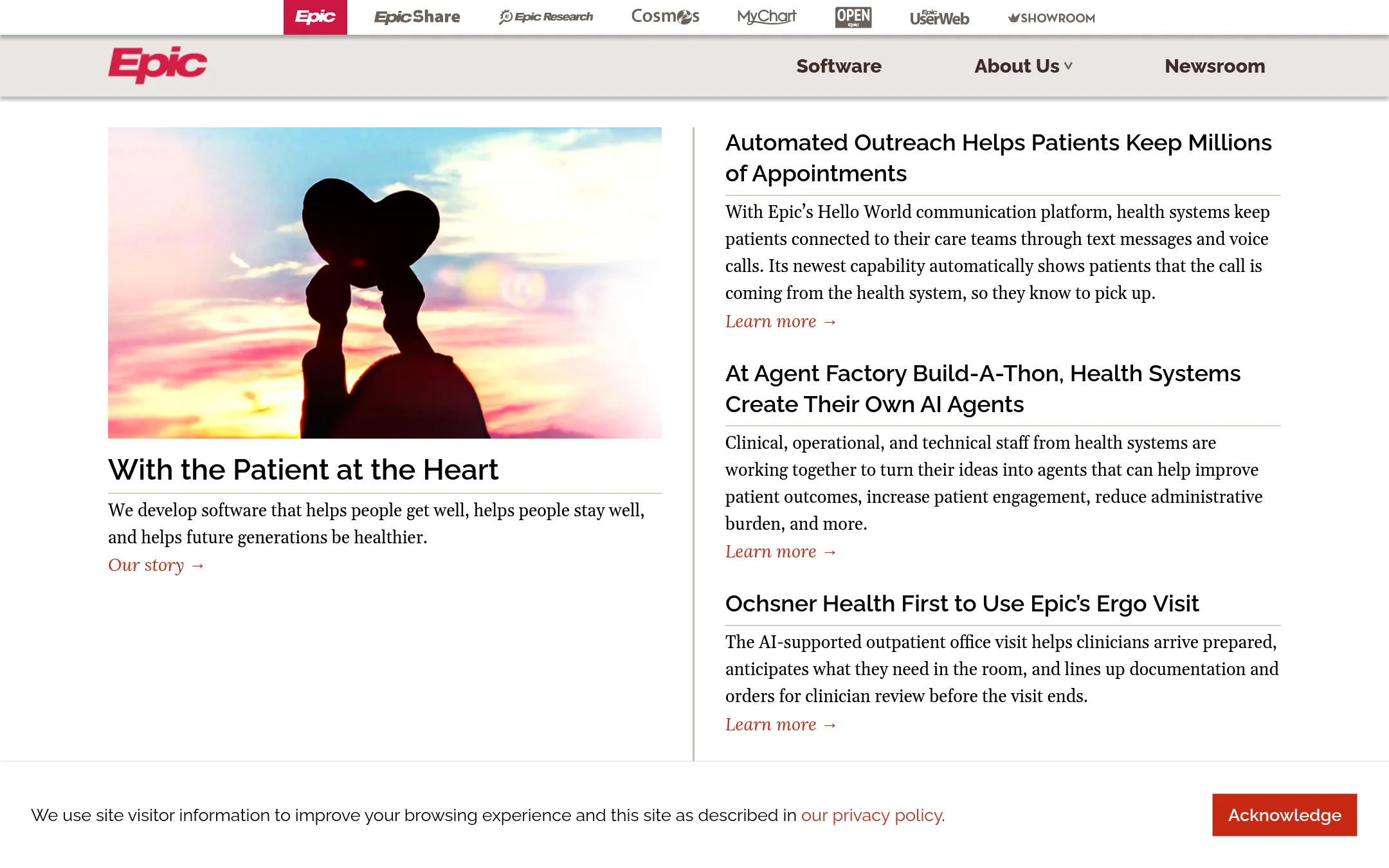
Epic is an enterprise EHR and revenue cycle platform for large health systems, not a standalone billing automation tool. Choose Epic if you are a hospital or large clinic that needs a full patient record and billing system, and you are willing to trade Candid Health's focused automation for a broader, more integrated platform.
Where it is strong
- Deep integration with clinical workflows and patient data.
- Wide adoption across major US health systems.
- Includes patient engagement tools like self-scheduling and outreach.
Where it falls short
- Primarily targets large enterprises, not small practices.
- Implementation and customization are heavy, with no self-serve pricing.
- Pricing:
- Pricing is not published on the site.
- Custom quote
5.Kareo
Best for: Independent medical practices that want a single platform for EHR, billing, scheduling, and patient engagement.
- Pricing
- Custom quote
- Category
- Healthcare
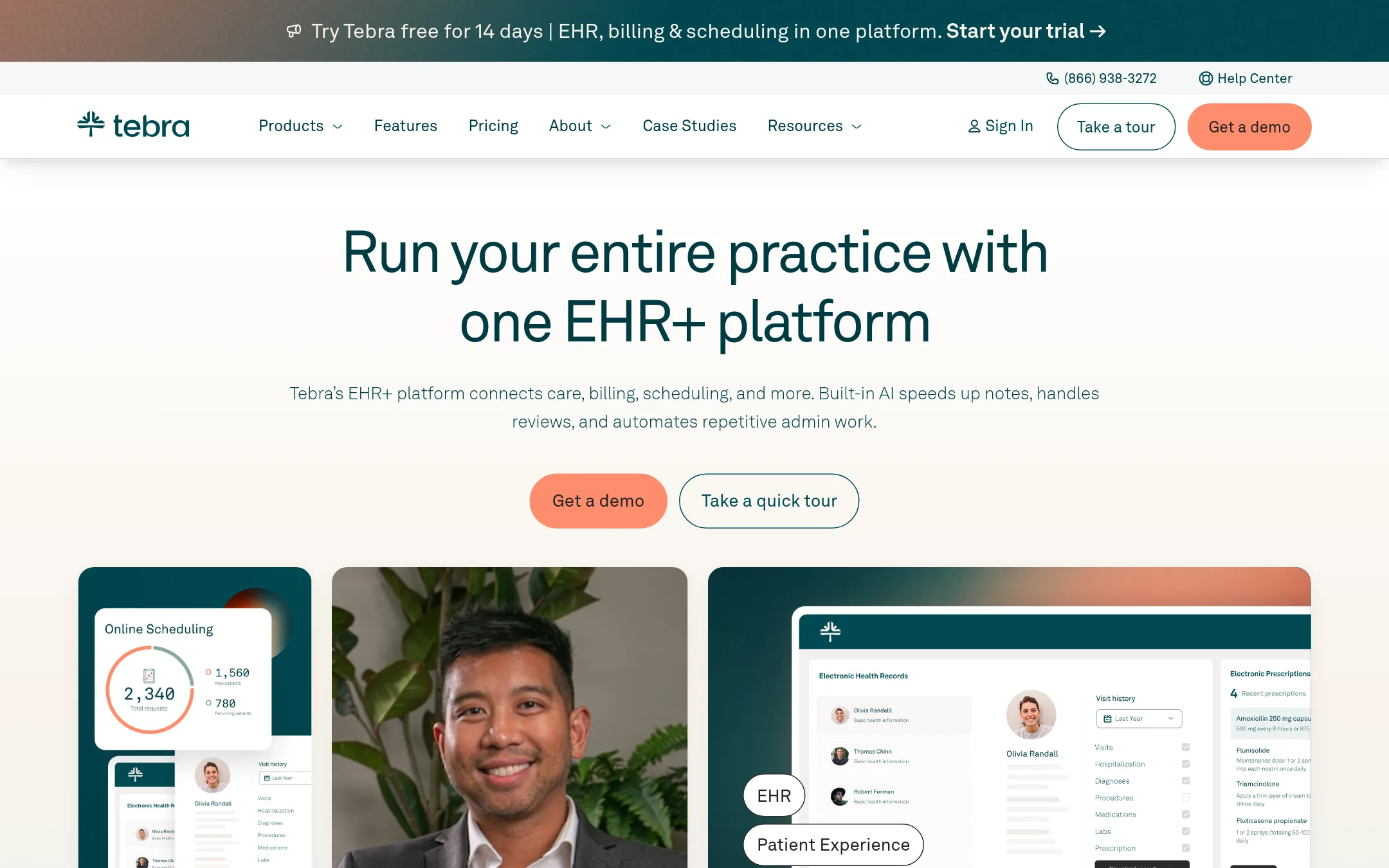
Kareo is a full EHR and practice management platform for private practices, combining clinical notes, scheduling, billing, and patient communication in one system. Choose it over Candid Health if you need an integrated EHR alongside revenue cycle tools, rather than a standalone automation platform.
Where it is strong
- Combines EHR, billing, scheduling, and marketing in one login
- AI note assist and review replies reduce administrative work
- Real-time insurance eligibility checks built into the workflow
Where it falls short
- Pricing requires a sales conversation and is not transparent
- Designed for private practices, not for larger revenue cycle teams
- Pricing:
- Pricing is not published on the site. Fees are set in an Order Form and include per-provider subscription fees plus transactional fees for claims and eligibility checks.
- Not published
6.Availity
Best for: Healthcare IT vendors and providers that need national payer connectivity and transaction processing at scale.
- Pricing
- Not published
- Category
- Healthcare
Availity is a large healthcare network that connects providers, payers, and health IT vendors for eligibility checks, claims, and payments. Choose it over Candid Health if you need broad payer connectivity and a clearinghouse backbone rather than a revenue cycle automation platform that fixes billing issues.
Where it is strong
- National all-payer and all-provider reach
- Real-time eligibility and claims processing
- APIs and agent-ready activation for HIT vendors
Where it falls short
- Pricing is not transparent
- More of a network than a revenue cycle automation tool
- Pricing:
- Pricing is not published on the site.
- Custom quote
7.NextGen Office
Best for: Independent specialty practices that want a single EHR, practice management, and billing platform.
- Pricing
- Custom quote
- Category
- Healthcare
NextGen Office is a cloud-based EHR and practice management platform for specialty practices, bundling clinical workflows, billing, and patient engagement. Choose it over Candid Health if you need an integrated EHR with revenue cycle management, not just a standalone RCM automation layer.
Where it is strong
- Combines EHR, practice management, and RCM in one cloud platform.
- Clinical AI can save up to 2.5 hours per day per clinician.
- Specialty-specific workflows and content for various practices.
Where it falls short
- Pricing is not transparent and requires contacting sales.
- Primarily designed for ambulatory practices, not necessarily for larger RCM-only needs.
- Pricing:
- Pricing is not published on the site. Quotes are tailored based on provider count, selected solutions, specialty workflows, and services.
- Switching from Candid Health:
- Moving from Candid Health to NextGen Office would involve adopting a full EHR and practice management system, not just replacing the revenue cycle automation layer.
- Custom quote
8.DrChrono
Best for: Independent medical practices, from solo practitioners to multi-location clinics, that want an integrated EHR with billing and patient engagement tools.
- Pricing
- Custom quote
- Category
- Healthcare
DrChrono is a cloud-based EHR and practice management platform that combines scheduling, clinical documentation, and billing in one system. It is a good fit for independent medical practices that need a complete EHR with built-in revenue cycle management, rather than a standalone RCM automation platform like Candid Health.
Where it is strong
- Combines EHR, practice management, and billing in one platform.
- Includes AI-powered features like speech-to-text and no-show predictor.
- Offers integrated telehealth and patient portal for engagement.
Where it falls short
- Pricing is not transparent. Requires a demo or contact for quotes.
- Billing features may be less automated than Candid Health's dedicated RCM platform.
- Pricing:
- Pricing is not published on the site. Plans are Foundation, Growth, and Premium, with add-ons like text reminders at $0.05 per text and credit card processing at 3.25% + $0.30.
See more comparisons in Finance & Accounting alternatives.
FAQ
Questions about Candid Health alternatives
Do any of these alternatives publish pricing on their websites?
No. Epic, Change Healthcare, Waystar, Availity, Kareo, DrChrono, and NextGen Office all keep pricing unpublished. You will need to contact sales for a quote, except DrChrono which lists some add-on fees like text reminders and credit card processing.
Which alternative is best for a small independent practice?
Kareo or DrChrono are good fits for independent practices. Kareo combines EHR, billing, scheduling, and patient engagement in one login. DrChrono offers similar integration with AI features and transparent add-on pricing for texts and payments.
Which alternative is most similar to Candid Health's focus on revenue cycle automation?
Waystar is the closest match because it is an end-to-end revenue cycle platform with AI-powered automation. It covers eligibility, prior authorization, claims, denials, and patient payments, but it targets larger organizations rather than startups.
Can I use these alternatives if I only need billing and not a full EHR?
Most alternatives bundle billing with EHR, so you may pay for features you do not need. Candid Health is a standalone automation layer, so if you want billing-only, you might consider a clearinghouse like Availity, but it is more of a network than an automation tool.
What should I watch out for when comparing these platforms?
Check the target customer size. Epic and Change Healthcare are built for large enterprises, while Kareo and DrChrono serve independent practices. Also consider implementation complexity, since enterprise platforms like Epic require heavy customization and longer timelines.
Last updated October 18, 2026.