
Capy alternatives
7 products compared · Updated November 12, 2026
The short answer
Capy is an AI software engineering platform that runs long-lived orchestrator agents and subagents on cloud machines. The strongest alternatives are Devin, which suits teams wanting one autonomous agent that triages tickets and fixes CI failures from Slack or Linear, Cursor, which suits teams wanting agents inside the editor they already use, and CodeRabbit, which suits teams that mainly need independent line-level review of pull requests before merge.
Your shortlist, at a glance
Read the comparisons ↓ GitHub Projects$0 Free / $4 Team per Engineering teams already on GitHub that want issue tracking and boards without adopting a separate AI agent platform
- DDevin$20/mo, Teams $80 + $4Engineering teams that want an autonomous agent to triage tickets, fix CI failures and run scheduled maintenance tasks from Slack or Linear
 ChatGPTNot publishedIndividuals and teams that need a general AI assistant for writing, research and occasional coding help rather than autonomous engineering agents.
 CursorFrom $0/mo. Teams $30/Engineering teams that want AI agents working inside their existing editor on everyday coding tasks
- CCodeRabbitNot publishedEngineering teams already writing code with human or AI agents who want independent, line-level pull request review before merge
- QQodo (formerly CodiumAI)$30/mo + $0.015/creditEngineering teams that want AI review of pull requests and enforced coding standards across several repositories
- SSweepNot publishedDevelopers who work mainly in JetBrains IDEs and want an assistant inside the editor
About Capy and its alternatives
Capy is an AI software engineer. According to its site, it runs thousands of agents on any model across the cloud and a team's own machines, with long-lived Captain agents that orchestrate subagents for tasks such as bug fixes, migrations, code review, experiments and mobile QA. Its site highlights Slack, Linear and GitHub integrations and says threads can move between cloud and laptop machines.
When comparing alternatives in this category, weigh how each product is priced, including whether usage is metered by credits, by seats or by subscription limits, and whether third-party model usage is billed separately. Check which regions and deployment options are offered, such as cloud only, self-hosted or dedicated cloud, and which integrations your tracker and code host need. Also compare support levels and contract terms, especially for enterprise security requirements like SSO and data retention.
Explore the alternatives
- $0 Free / $4 Team per
1.GitHub Projects
Best for: Engineering teams already on GitHub that want issue tracking and boards without adopting a separate AI agent platform
- Pricing
- $0 Free / $4 Team per
- Category
- Productivity & Project Management
GitHub Projects is a planning and tracking layer that sits next to your repositories, so issues, pull requests and boards live in the same place as the code. Choose it over Capy when you need a tracker for human-run work and do not need agents that write and ship the code themselves. It is the simpler option for teams who want project management without adopting an AI engineering platform.
Where it is strong
- Issues, boards and pull requests live next to the code they describe.
- A free tier covers unlimited public and private repositories.
- Enterprise plans add SAML single sign-on, SCIM provisioning and SOC 2 reports.
Where it falls short
- Tracking is the core job, so it does not run agents that write or merge code the way Capy does.
- Enterprise features and Copilot access sit behind the higher-priced tier.
- Pricing:
- Free plan is $0 USD, Team is $4 USD per user per month, and Enterprise is $21 USD per user per month, with Copilot included on Enterprise.
- Switching from Capy:
- Moving from Capy to GitHub Projects means giving up automated fixes, agent-run QA and parallel migrations, and rebuilding that work as tracked issues that people complete by hand.
- D$20/mo, Teams $80 + $4
2.Devin
Best for: Engineering teams that want an autonomous agent to triage tickets, fix CI failures and run scheduled maintenance tasks from Slack or Linear
- Pricing
- $20/mo, Teams $80 + $4
- Category
- Other
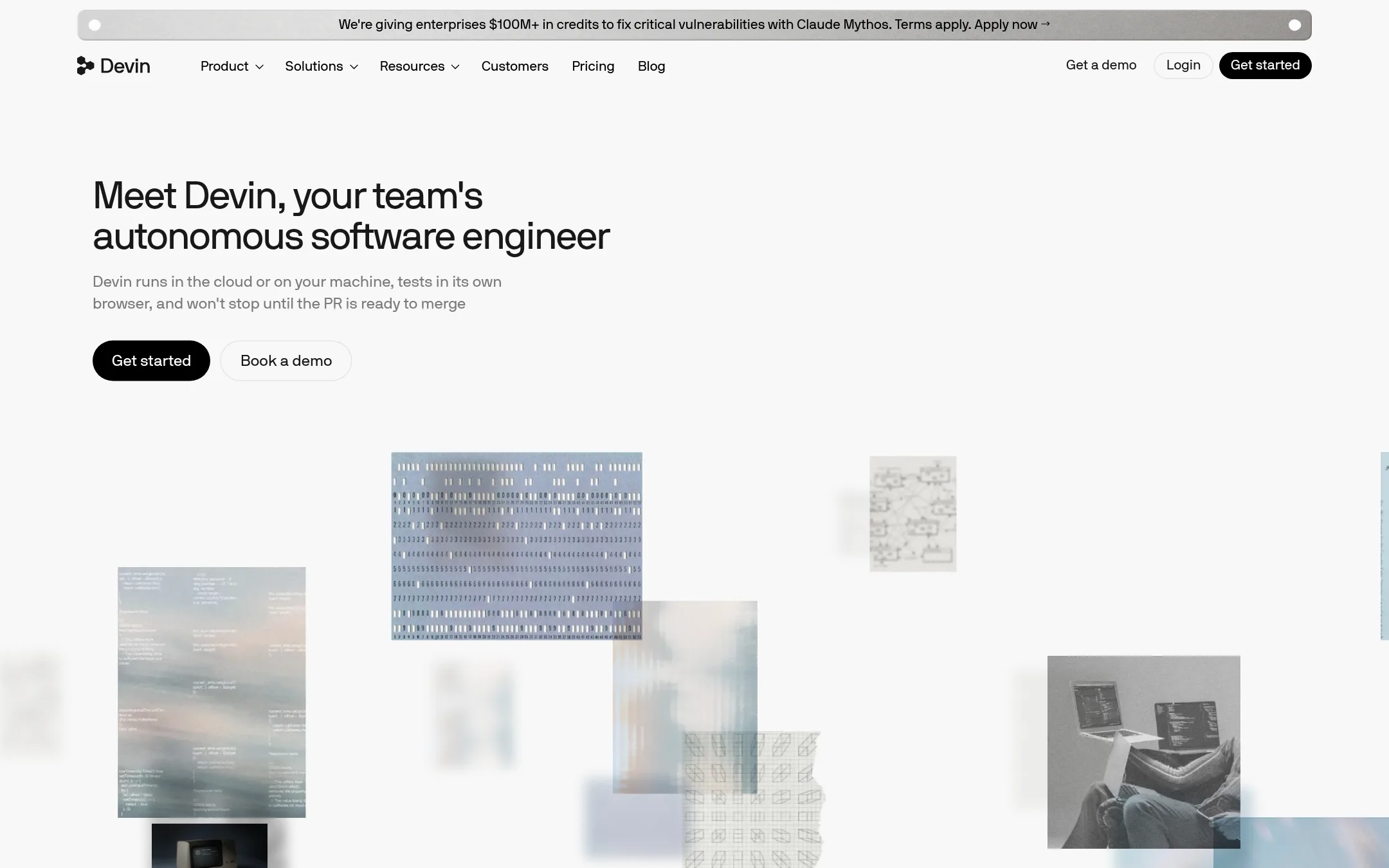
Devin is an autonomous AI software engineer that runs in its own cloud environment, tests its work in a browser, and keeps going until a pull request is ready to merge. Teams pick it over Capy when they want a single agent that plugs into Slack, Linear and Jira and runs scheduled or alert-triggered automations, with a strong focus on enterprise controls like SAML/OIDC SSO, SCIM and VPC deployment.
Where it is strong
- Runs its own browser and virtual machines, so it can test the changes it makes
- Automations can react to alerts, failed CI and new tickets without a prompt
- Enterprise options include SAML/OIDC SSO, SCIM provisioning and VPC deployment
Where it falls short
- Usage is metered against quotas, and extra usage is billed at API pricing
- Advanced enterprise features such as dedicated deployment sit behind a sales conversation
- Pricing:
- Pro is $20 per month, Max is $200 per month, Teams is $80 per month plus $40 per month per full dev seat for up to 100 users, and Enterprise pricing is custom.
- Not published
3.ChatGPT
Best for: Individuals and teams that need a general AI assistant for writing, research and occasional coding help rather than autonomous engineering agents.

- Pricing
- Not published
- Category
- AI & Machine Learning
ChatGPT is a general AI chatbot for answering questions, writing, creating images, working through files and writing code. Someone would pick it over Capy when they want a conversational assistant for one person's questions and drafts rather than parallel coding agents that run inside a team's repos, pull requests and CI.
Where it is strong
- Covers writing, research, image creation and coding in one chat interface.
- Works in a browser or app with no repository setup needed to start.
- Accepts file uploads and keeps saved chats for later reference.
Where it falls short
- It does not run autonomous agents on cloud machines the way Capy's Captains do.
- Chats may be reviewed and used to improve its models, according to its own notice.
- Pricing:
- In the United States, the pricing page content supplied here is only a page-loader script, so the specific plan prices are not published in the text provided.
- From $0/mo. Teams $30/
4.Cursor
Best for: Engineering teams that want AI agents working inside their existing editor on everyday coding tasks
- Pricing
- From $0/mo. Teams $30/
- Category
- AI & Machine Learning
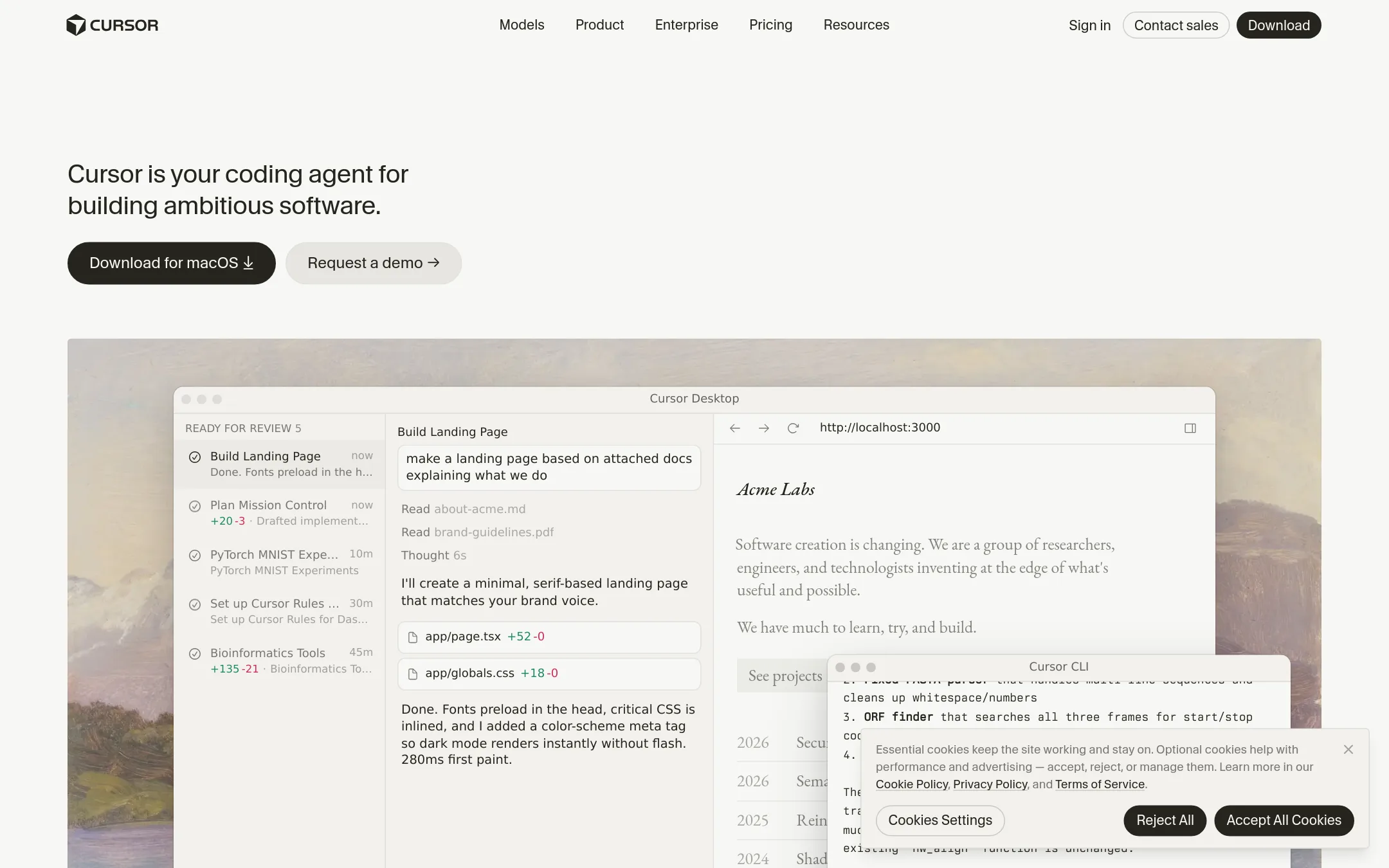
Cursor is an AI coding agent built into an editor. It handles code completion, agent-driven edits across a codebase, and handing off tasks to autonomous agents that run in parallel. Choose Cursor over Capy when your engineers want the agent inside the editor they already use, rather than running long-lived orchestrator agents on cloud machines that work through Slack, Linear and GitHub.
Where it is strong
- Works inside the editor engineers already use, with completions and agent edits in one place
- Clear tiers from free up to $200 per month, plus a Teams plan at $30 per user
- Enterprise plan adds SSO, SCIM seat management, audit logs and admin controls
Where it falls short
- Usage is pooled across Cursor and Grok, and third-party model usage is billed separately, which makes costs harder to predict
- The site does not describe Captain-style long-running orchestration of hundreds of agents on cloud machines
- Pricing:
- Plans run from a free tier, then Plus at $8 per month, Premium at $30, Super at $100 and Ultra at $200, with Teams at $30 per user per month and Enterprise on custom quote.
- CNot published
5.CodeRabbit
Best for: Engineering teams already writing code with human or AI agents who want independent, line-level pull request review before merge
- Pricing
- Not published
- Category
- Other
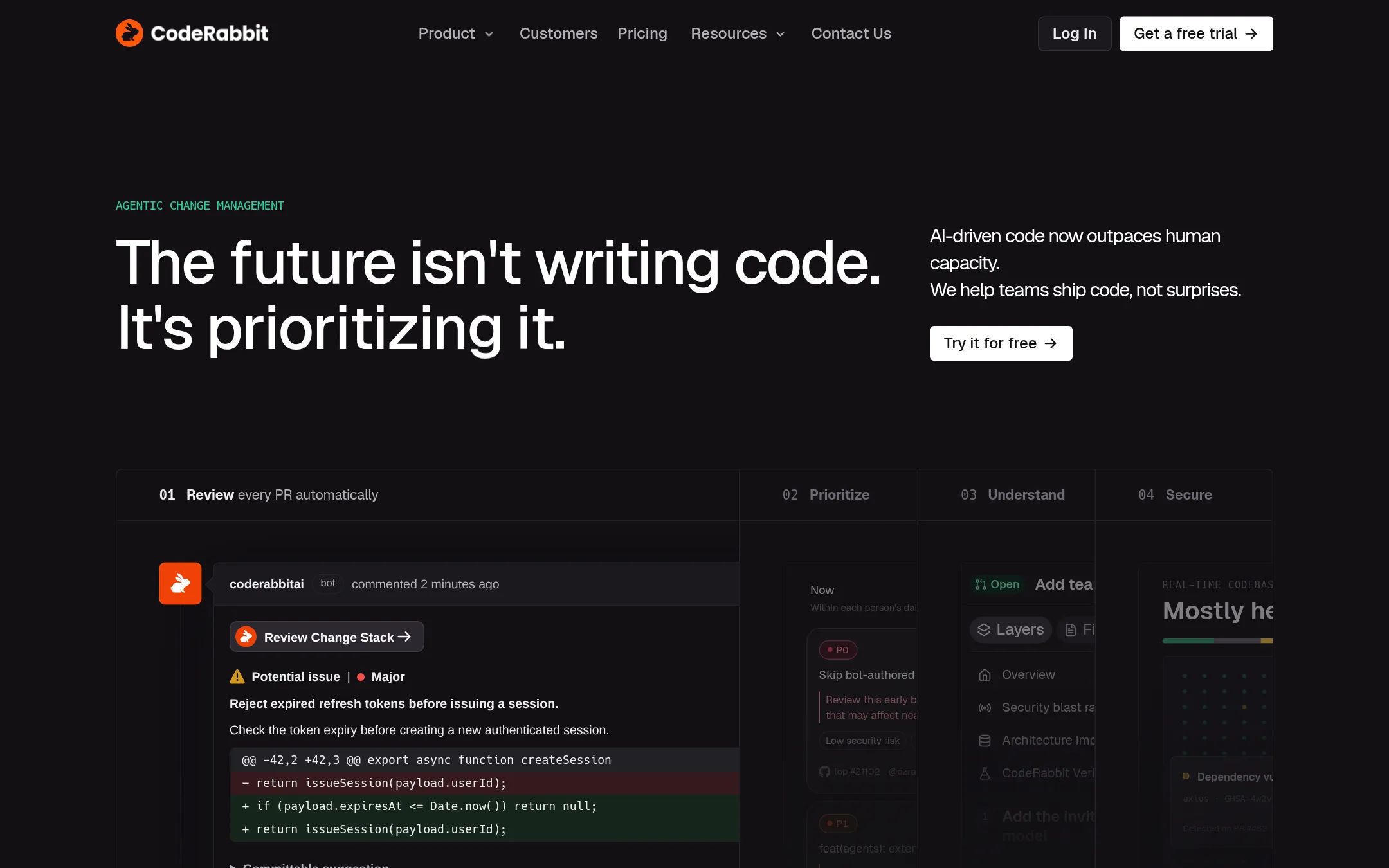
CodeRabbit is an AI code review tool that reviews pull requests, explains changes, runs pre-merge checks, and monitors repos for security issues. Teams pick it over Capy when the goal is independent review of code written by people or agents, not generating and shipping the code itself.
Where it is strong
- Reviews pull requests and explains each change with summaries, walkthroughs and diagrams
- Works in the PR, the CLI, the IDE and inside coding-agent loops
- Learns from feedback and prior PRs, and lets you edit what it has learned
Where it falls short
- It reviews and fixes code but does not run parallel agent swarms that build features from a roadmap, unlike Capy
- Cloud machines for testing, mobile QA and live previews are not part of what the site describes
- Pricing:
- Pricing is not published on the site.
- Q$30/mo + $0.015/credit
6.Qodo (formerly CodiumAI)
Best for: Engineering teams that want AI review of pull requests and enforced coding standards across several repositories
- Pricing
- $30/mo + $0.015/credit
- Category
- Other
Qodo is an AI code review and governance platform. It reviews pull requests with context from across your codebase, enforces coding standards, and offers IDE checks before a PR is opened. Choose Qodo over Capy when your main need is reviewing and governing code that humans or other agents write, rather than having agents build, test and ship the changes themselves.
Where it is strong
- Reviews every pull request with context from across the codebase and past PRs.
- Rules system turns coding standards into checks that run on every change.
- Offers zero data retention, SOC 2 Type II, and on-premises or single-tenant deployment.
Where it falls short
- Focused on review and governance, so it does not run browser or mobile QA or spin up agents to implement fixes the way Capy does.
- There is no permanent free tier, only a 14-day trial, and Enterprise pricing is custom.
- Pricing:
- Pro Team costs $30 per month for up to 30 users, with credits at $0.015 each, pooled across the team and paid monthly with no annual commitment on that plan.
- SNot published
7.Sweep
Best for: Developers who work mainly in JetBrains IDEs and want an assistant inside the editor

- Pricing
- Not published
- Category
- Developer Tools
Sweep is an AI coding assistant built for JetBrains IDEs, according to its tagline. Our copy of its site did not load, so the rest of its features are not confirmed here. A team would choose it over Capy if they work mainly inside JetBrains editors and want help while coding in the IDE, rather than delegating whole tasks to cloud agents.
Where it is strong
- Built specifically for JetBrains IDEs
- Targets in-editor coding help
- Narrow focus on one editor family
Where it falls short
- Our copy of the site did not load, so features are unverified
- Pricing is not published
- Pricing:
- Pricing is not published on the site.
See more comparisons in Developer Tools alternatives.
FAQ
Questions about Capy alternatives
What is Capy best known for?
According to its site, Capy is known for orchestrating agent swarms through long-lived Captain agents that handle tasks like QA, bug fixes, migrations and code review. Its homepage highlights Slack, Linear and GitHub integrations and cloud machines that can run a live app or mobile build.
Which alternative is closest to Capy's autonomous approach?
Devin is the closest match on the listed entries. It runs its own cloud environment, tests its work in a browser, and keeps going until a pull request is ready, with automations that respond to tickets and failed CI from Slack or Linear.
Should I choose Cursor if my engineers mainly want help inside their editor?
Yes, Cursor suits teams whose engineers want completions and agent edits inside the editor they already use. The site does not describe the long-running cloud orchestration that Capy offers, so it fits everyday coding help better than delegated engineering work.
What should I check before choosing a review-only tool like CodeRabbit or Qodo?
Check whether your main need is reviewing code that humans or agents already wrote. CodeRabbit and Qodo focus on pull request review and standards enforcement, while Capy also generates, tests and ships the changes, so a review tool will not replace it for building features.
How do the pricing models differ across these alternatives?
Capy uses monthly credits for models and machines, with Lite at $20 per month, Pro at $100 and Max from $200, and it lets you bring your own subscriptions. Cursor uses tiered plans with a Teams option at $30 per user, Devin uses quotas with a $20 Pro plan, and Qodo Pro Team is $30 per month for up to 30 users. Compare the total cost for your team size and expected usage.
Last updated November 12, 2026.