
Caretaker Medical alternatives
7 products to explore · 2026
Your shortlist, at a glance.
Read the comparisons ↓| Product | Pricing | Explore |
|---|---|---|
 Vena VitalsA small sticker that monitors blood pressure continuously Vena VitalsA small sticker that monitors blood pressure continuously | See website | Compare |
| BBiobeatWearable continuous vital signs monitoring platform | See website | Compare |
 CNSystems CNAPHealthcare & Medical CNSystems CNAPHealthcare & Medical | See website | Compare |
 Edwards Lifesciences ClearSightLeading global structural heart innovation company Edwards Lifesciences ClearSightLeading global structural heart innovation company | See website | Compare |
 Finapres NOVAContinuous non-invasive hemodynamics via finger cuff monitoring Finapres NOVAContinuous non-invasive hemodynamics via finger cuff monitoring | See website | Compare |
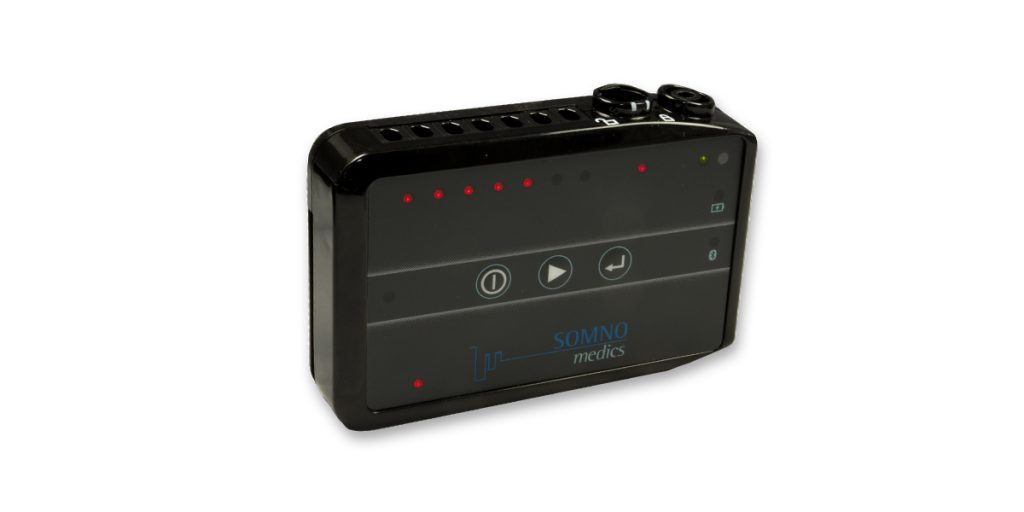 SOMNOmedicsInnovative and mobile diagnostics for PG, PSG, HST - Somnomedics SOMNOmedicsInnovative and mobile diagnostics for PG, PSG, HST - Somnomedics | See website | Compare |
 Withings ScanWatchHybrid smartwatch delivering clinical-grade health insights with extended battery life. Withings ScanWatchHybrid smartwatch delivering clinical-grade health insights with extended battery life. | See website | Compare |
Check each product’s website for current pricing and features. A verified badge indicates a verified listing, not a ranking.
About Caretaker Medical and its alternatives
Users searching for Caretaker Medical alternatives are typically evaluating wireless solutions that deliver ICU-grade continuous cardiac output and blood pressure data without locking clinicians into invasive arterial lines. Caretaker Medical’s VitalStream stands out by combining noninvasive finger-cuff monitoring with seamless docking to any existing a-line, 10-day sensor wear time, and direct EMR integration across the full perioperative journey. Alternatives often specialize in either fully invasive systems or spot-check wearables, forcing trade-offs in mobility, setup time, or data continuity. Decision makers compare validation study counts, hospital workflow fit, sensor longevity, and total cost of complications avoided when replacing intermittent NIBP or traditional a-line setups. This page examines established competitors on those exact criteria so clinical teams can match device capabilities to their specific OR, ICU, and step-down requirements.
Explore the alternatives
1.Vena Vitals
Healthcare & MedicalA small sticker that monitors blood pressure continuously
- B
2.Biobeat
Healthcare & MedicalWearable continuous vital signs monitoring platform
3.CNSystems CNAP
Healthcare & Medical4.Edwards Lifesciences ClearSight
Healthcare & MedicalLeading global structural heart innovation company
5.Finapres NOVA
Healthcare & MedicalContinuous non-invasive hemodynamics via finger cuff monitoring
6.SOMNOmedics
Healthcare & MedicalInnovative and mobile diagnostics for PG, PSG, HST - Somnomedics
7.Withings ScanWatch
Healthcare & MedicalHybrid smartwatch delivering clinical-grade health insights with extended battery life.
See more comparisons in Healthcare & Medical alternatives.
Questions about Caretaker Medical alternatives
What are the main differences between Caretaker Medical VitalStream and traditional invasive arterial line monitoring?
VitalStream allows clinicians to start with a noninvasive finger sensor and later dock into any standard arterial line without changing transducers or monitors, maintaining one continuous data record from pre-op through discharge while eliminating dedicated transducer kits and reducing infection risk associated with prolonged a-line use.
How does Caretaker Medical compare to other wireless hemodynamic monitors for length of stay reduction?
Caretaker’s 10-day single sensor and wire-free design support uninterrupted monitoring during transport and ambulation, which studies link to earlier detection of hypotension and fluid status changes that can shorten ICU and overall hospital stays compared with devices requiring frequent sensor changes or wired connections.
Is Caretaker Medical suitable for moderate-risk ambulatory surgery patients?
Yes. The platform’s noninvasive mode provides continuous cardiac output and blood pressure without an arterial line, making it practical for ASCs and ketamine clinics where traditional invasive monitoring is impractical yet post-op complications still need to be avoided.
Which hospitals currently use Caretaker Medical VitalStream?
The system is deployed in more than 20 hospitals across ICU, OR, and high-acuity floors, with over 150 clinical customers relying on its FDA-cleared accuracy validated in 20 peer-reviewed studies for both surgical and critical care populations.
Can VitalStream replace intermittent NIBP in step-down units?
VitalStream streams continuous data to existing GE and Philips monitors without manual charting, removing the blind spots of 15- or 30-minute NIBP cycles that studies show miss up to 27 % of hypotensive events in post-surgical patients.