
Celigo alternatives
11 products to explore · 2026
Your shortlist, at a glance.
Read the comparisons ↓

Check each product’s website for current pricing and features. A verified badge indicates a verified listing, not a ranking.
About Celigo and its alternatives
Businesses searching for Celigo alternatives often need an iPaaS that combines enterprise-grade integration with modern AI capabilities without requiring extensive developer resources. Celigo stands out with its 2025 Gartner Customers' Choice recognition, Celigo Ora natural language interface, and deep pre-built connectors for ERPs like NetSuite, marketplaces, and 3PLs. When evaluating replacements, teams typically compare automation depth, error handling, governance features, and the ability to let business users build flows while IT retains oversight. Alternatives range from low-code tools aimed at SMBs to heavy enterprise platforms focused on complex B2B or legacy system connectivity. Key decision factors include pricing transparency, AI agent support, real-time visibility, and how quickly teams can operationalize automations across finance, commerce, and supply chain processes.
Explore the alternatives

1.Alloy Automation
Developer ToolsAlloy is a platform for building and managing SaaS integrations
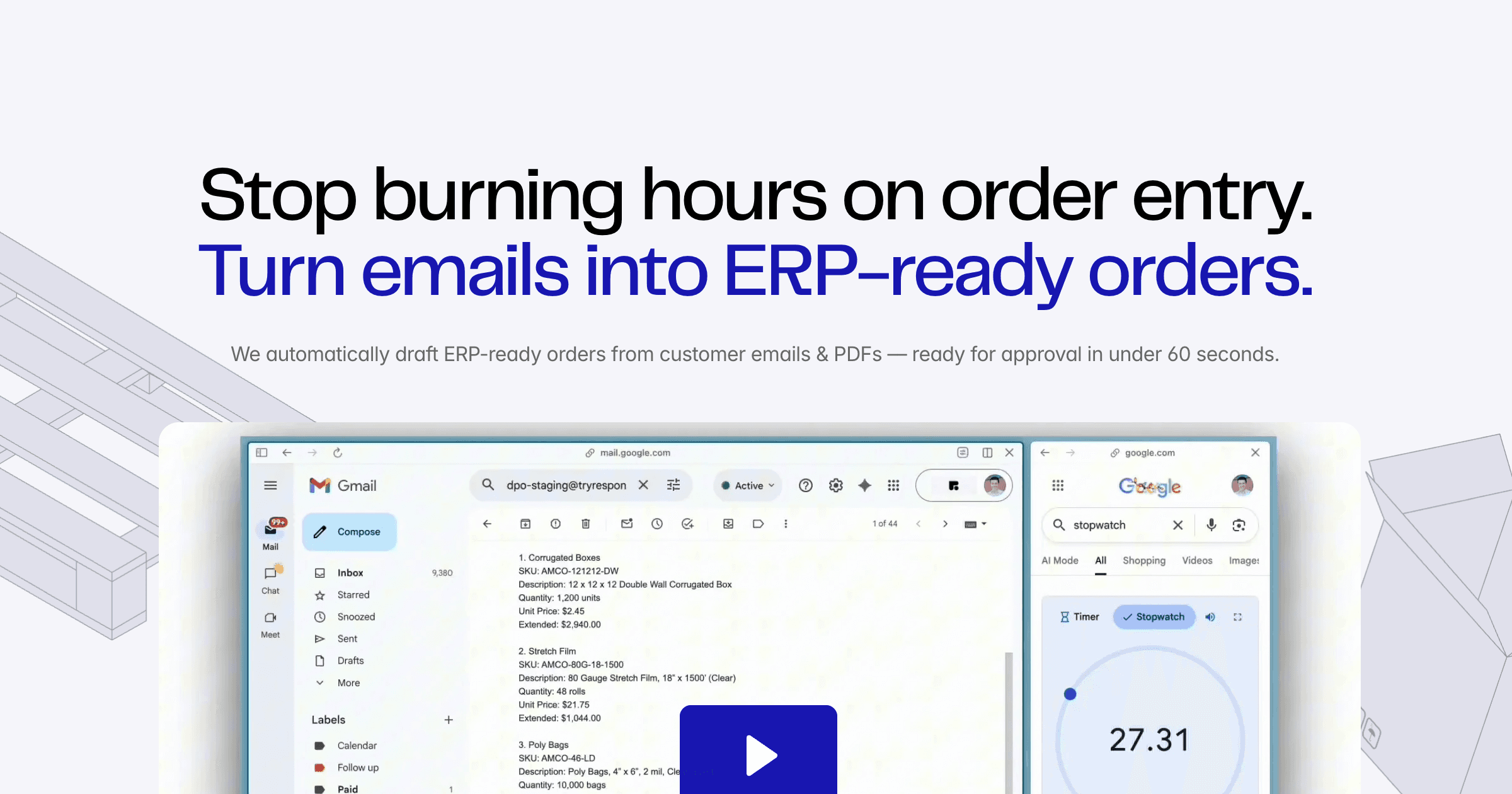
2.Response
Productivity & Project ManagementTurn customer emails into ERP-ready orders.
3.Zinc
Developer ToolsThe secret backbone of e-commerce.

4.Apache Airflow
Developer ToolsCommunity platform to programmatically author, schedule and monitor workflows.

5.Boomi
Developer ToolsSingle platform integrating applications, APIs, data, and AI agents for enterprise

6.Jitterbit
Developer ToolsAI-Powered Enterprise Automation & Integration Platform
7.Microsoft Azure CycleCloud
Developer ToolsAzure HPC orchestration for scalable cluster management
- M
8.MuleSoft
Developer ToolsEnterprise integration and API platform

9.Tray.io
Developer ToolsAI-ready enterprise iPaaS for agents, MCP governance, and 700+ integrations
10.Workato
Developer ToolsEnterprise MCP for Agentic AI built on the #1 iPaaS

11.n8n
Developer ToolsAI Workflow Automation Platform - n8n
See more comparisons in Developer Tools alternatives.
Questions about Celigo alternatives
What are the best Celigo alternatives for mid-market companies needing NetSuite integrations?
Mid-market teams often consider Workato or Boomi for similar NetSuite connectors and recipe-style automation, though Celigo's pre-built commerce and 3PL flows plus Ora natural language interface can reduce build time compared to more code-heavy options.
How does Celigo compare to Zapier for enterprise iPaaS requirements?
Zapier excels at quick app connections for smaller teams but lacks Celigo's enterprise governance, advanced error management, EDI/B2B capabilities, and deep ERP connectors required for complex order-to-cash or procure-to-pay processes.
Is there a Celigo alternative with stronger AI agent capabilities?
While several platforms are adding AI, Celigo Ora provides production-ready agents with full audit trails, human approval gates, and MCP policy enforcement across all integrations, which many competitors are still developing.
What Celigo alternatives offer better pricing transparency for growing SaaS companies?
Make and Tray.io publish clearer entry-level pricing than Celigo's contact-based model, but they typically require more custom work for the same depth of NetSuite, Salesforce, and marketplace automations Celigo delivers out of the box.
Which iPaaS is closest to Celigo for B2B and EDI automation?
Boomi and Jitterbit provide strong EDI tooling, yet Celigo's unified platform combines EDI with AI-driven error resolution and governance in a single interface that many operations teams find simpler to maintain.
Can I replace Celigo with an open-source integration tool?
Open-source options lack Celigo's managed connectors, enterprise security, scalability, and AI features; most companies needing reliable production automation ultimately choose managed platforms like Celigo or its established competitors.