Charm alternatives
6 products compared · Updated November 4, 2026
The short answer
Charm is a universal payments app, but the strongest alternatives are Bear for AI-driven marketing workflows, Notion for team knowledge management, and Obsidian for private, offline-first note-taking. Bear suits small businesses and enterprises automating content and outreach, Notion fits teams needing flexible docs and project tracking, and Obsidian is best for individuals and teams prioritizing data ownership and customization.
Your shortlist, at a glance
Read the comparisons ↓ NotionFrom $10/user/moTeams that need a flexible workspace for docs, databases, and project management, not payments.
 ObsidianFree. Sync $4/moTeams and individuals who want a private, offline-first note system with a plugin ecosystem and open file formats.
 Roam ResearchNot publishedResearchers, writers, and knowledge workers who want to organize thoughts associatively rather than hierarchically.
EvernoteNot publishedIndividuals and teams that need a central place for notes, tasks, and schedules, especially those who want AI-powered search and transcription.
 Bear$100/mo + customSmall businesses and enterprises that want to track AI usage and automate content and outreach
- CCraftFree. $6.4/mo. $5/userIndividuals and teams who want a flexible notes app with docs, tasks, and calendar features across devices.
About Charm and its alternatives
Charm is a universal payments app that lets you send money to anyone. Its site is currently paused, so we cannot confirm its features or pricing.
When comparing alternatives, weigh pricing structure, region availability, integrations, support, and contract terms. Each alternative here is a different category, so focus on what your team actually needs: payments, notes, or AI marketing.
Explore the alternatives
- From $10/user/mo
1.Notion
Best for: Teams that need a flexible workspace for docs, databases, and project management, not payments.
- Pricing
- From $10/user/mo
- Category
- Productivity & Project Management
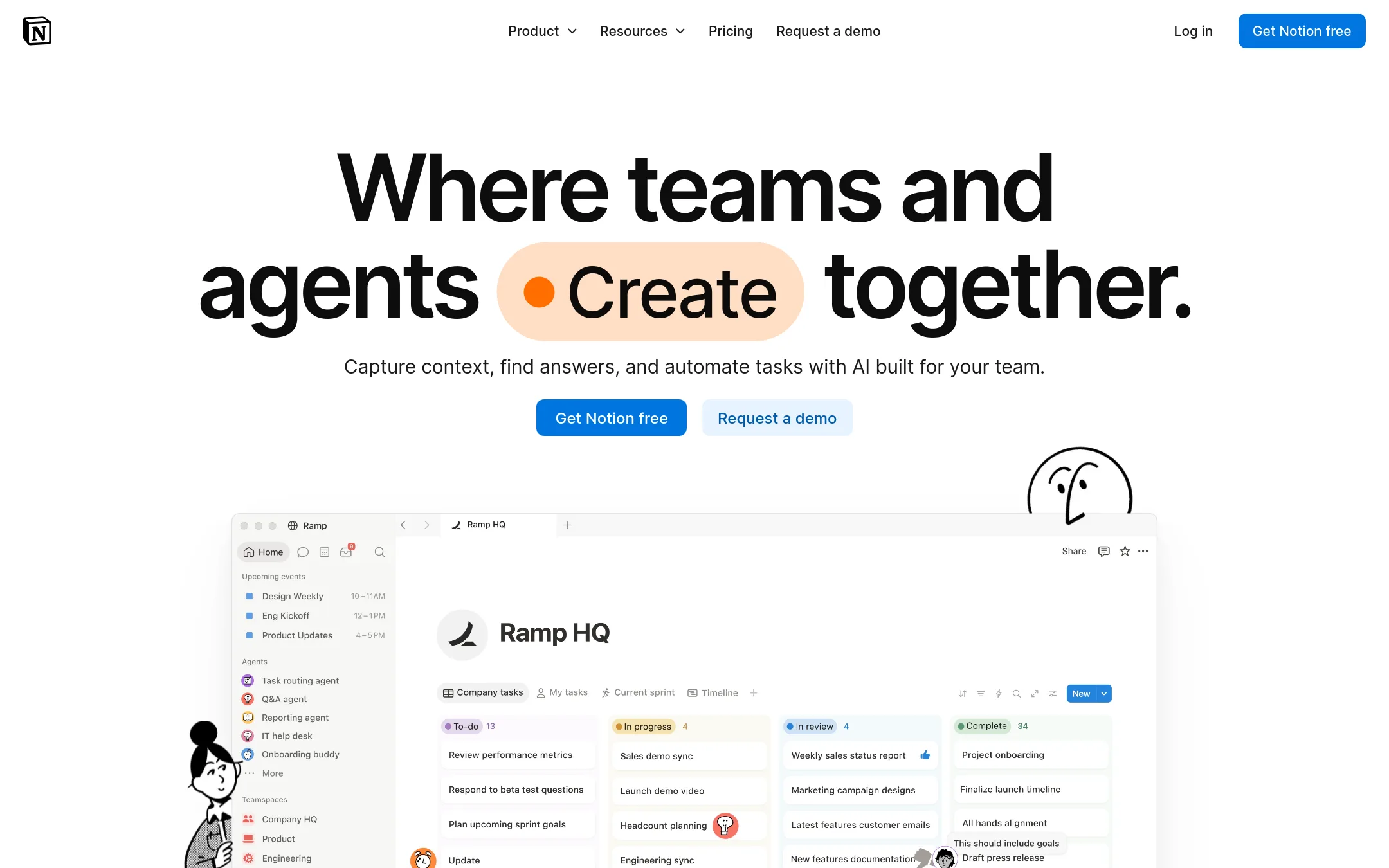
Notion is a workspace for notes, docs, wikis, and project tracking, not a payments app. Choose it when you need to organize team knowledge and workflows, not send money. Charm is for payments, so Notion is a different category entirely.
Where it is strong
- Free plan for individuals and small teams
- Flexible databases and pages for organizing work
- AI features included in paid plans
Where it falls short
- Not a payments app, so no money transfer capabilities
- Pricing per user can add up for large teams
- Pricing:
- In the United States, Notion's Free plan is $0, Plus starts at $10 per user per month, Business at $20 per user per month, and Enterprise is custom.
- Free. Sync $4/mo
2.Obsidian
Best for: Teams and individuals who want a private, offline-first note system with a plugin ecosystem and open file formats.
- Pricing
- Free. Sync $4/mo
- Category
- Productivity & Project Management
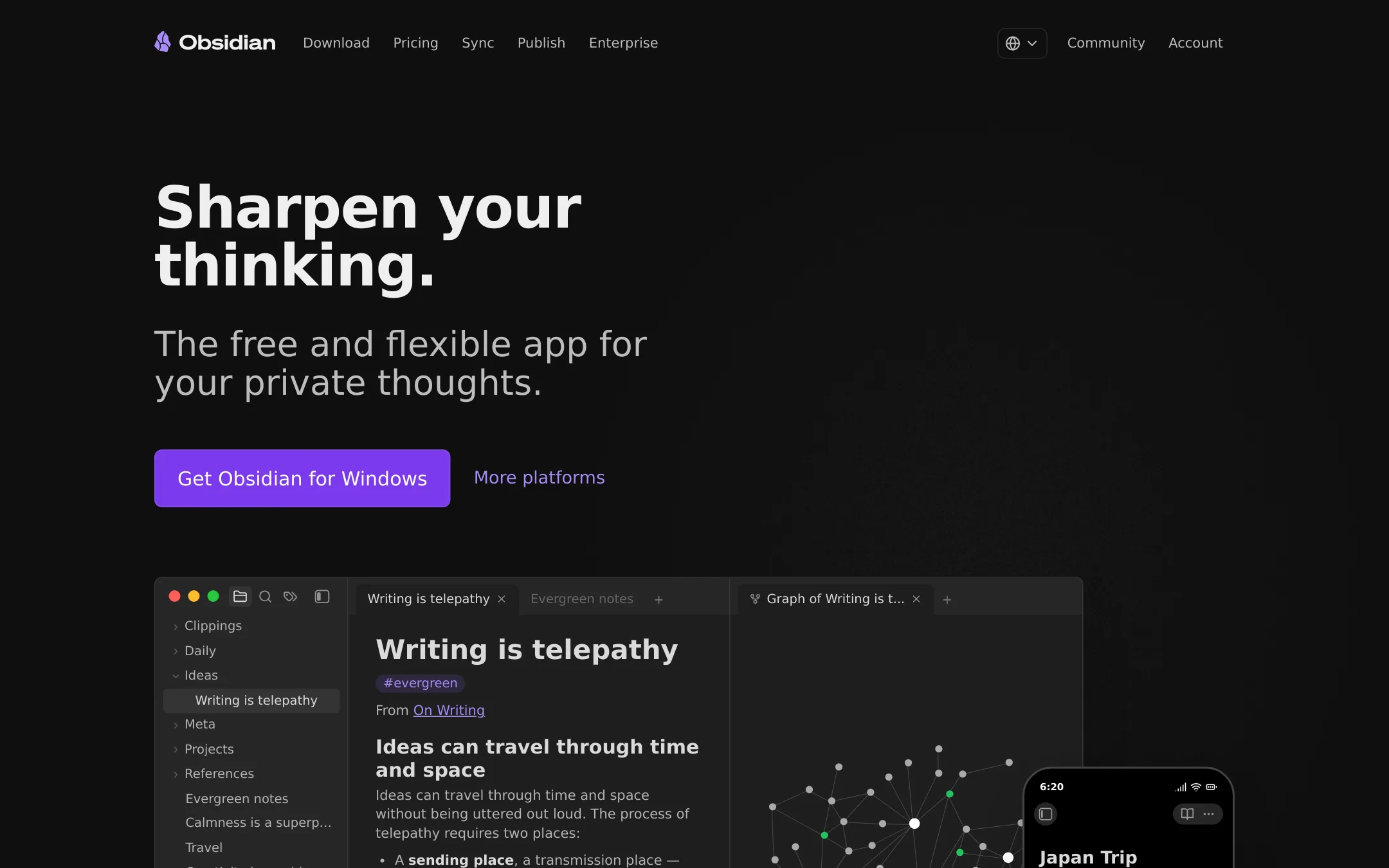
Obsidian is a local-first note-taking app that stores your notes as plain Markdown files on your device, with optional end-to-end encrypted sync and publishing. You would choose it over Charm if you need a private, plugin-extensible knowledge base rather than a payments app.
Where it is strong
- Notes stored locally in open Markdown files, so you own your data.
- Thousands of plugins and themes to customize the workflow.
- Sync is end-to-end encrypted with version history and collaboration.
Where it falls short
- Not a payments app, so it cannot send or receive money.
- Sync and Publish are paid add-ons. Core app is free but limited to local use.
- Pricing:
- The core app is free. Sync is $4/user/month billed annually or $5 monthly. Publish is $8/site/month billed annually or $10 monthly. Catalyst is a $25 one-time payment. Commercial is $50/user/year.
- Not published
3.Roam Research
Best for: Researchers, writers, and knowledge workers who want to organize thoughts associatively rather than hierarchically.
- Pricing
- Not published
- Category
- Productivity & Project Management
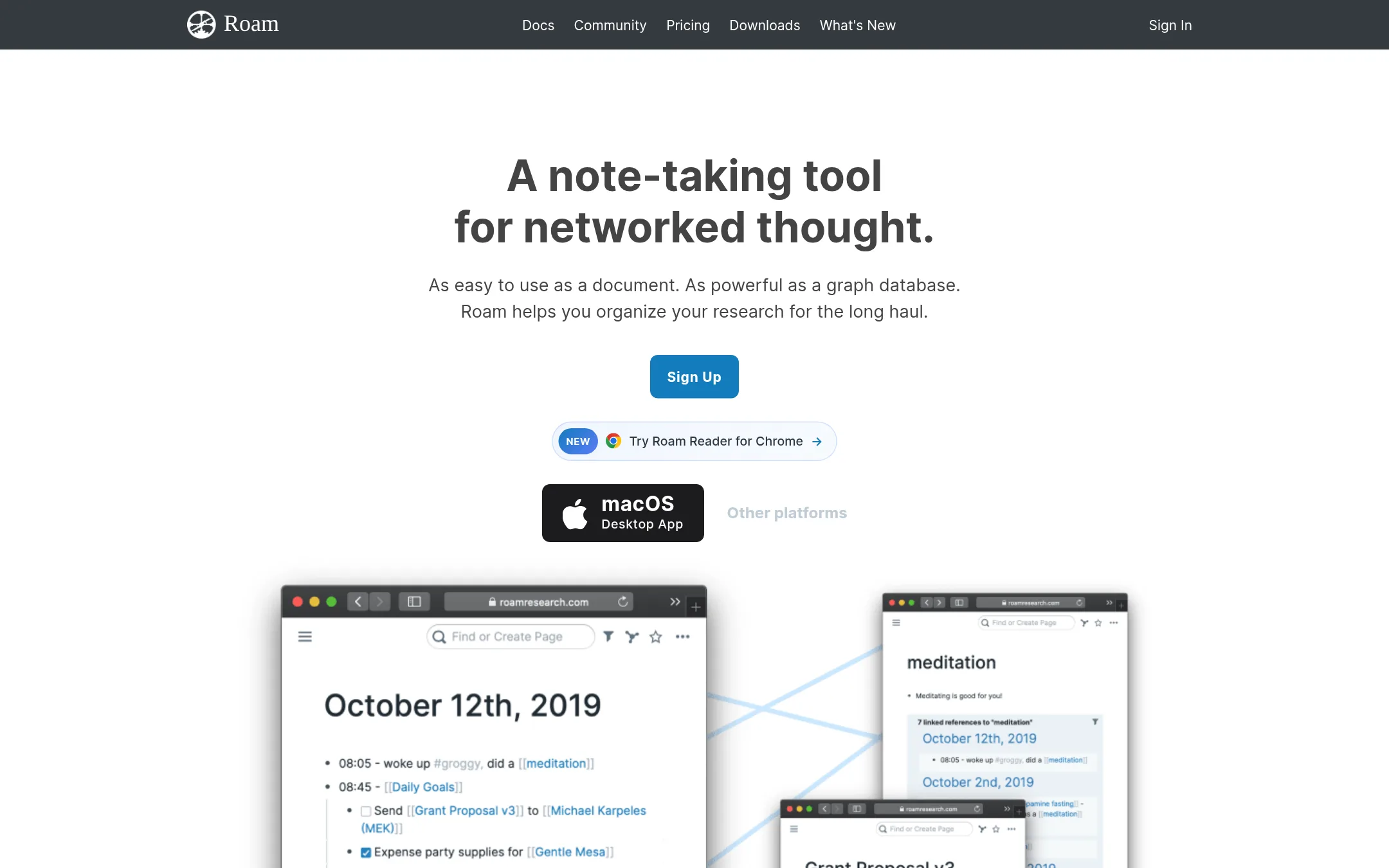
Roam Research is a networked note-taking tool that connects ideas through backlinks and a graph database. You would choose it over Charm if you need a thinking and writing workspace rather than a payments app.
Where it is strong
- Bi-directional links make connections between notes automatic.
- Daily notes encourage a frictionless capture workflow.
- Real-time collaboration and local data storage options are available.
Where it falls short
- Steep learning curve for new users unfamiliar with networked thought.
- No payment or money transfer capabilities, unlike Charm.
- Pricing:
- Pricing is not published on the site.
- Not published
4.Evernote
Best for: Individuals and teams that need a central place for notes, tasks, and schedules, especially those who want AI-powered search and transcription.
- Pricing
- Not published
- Category
- Productivity & Project Management
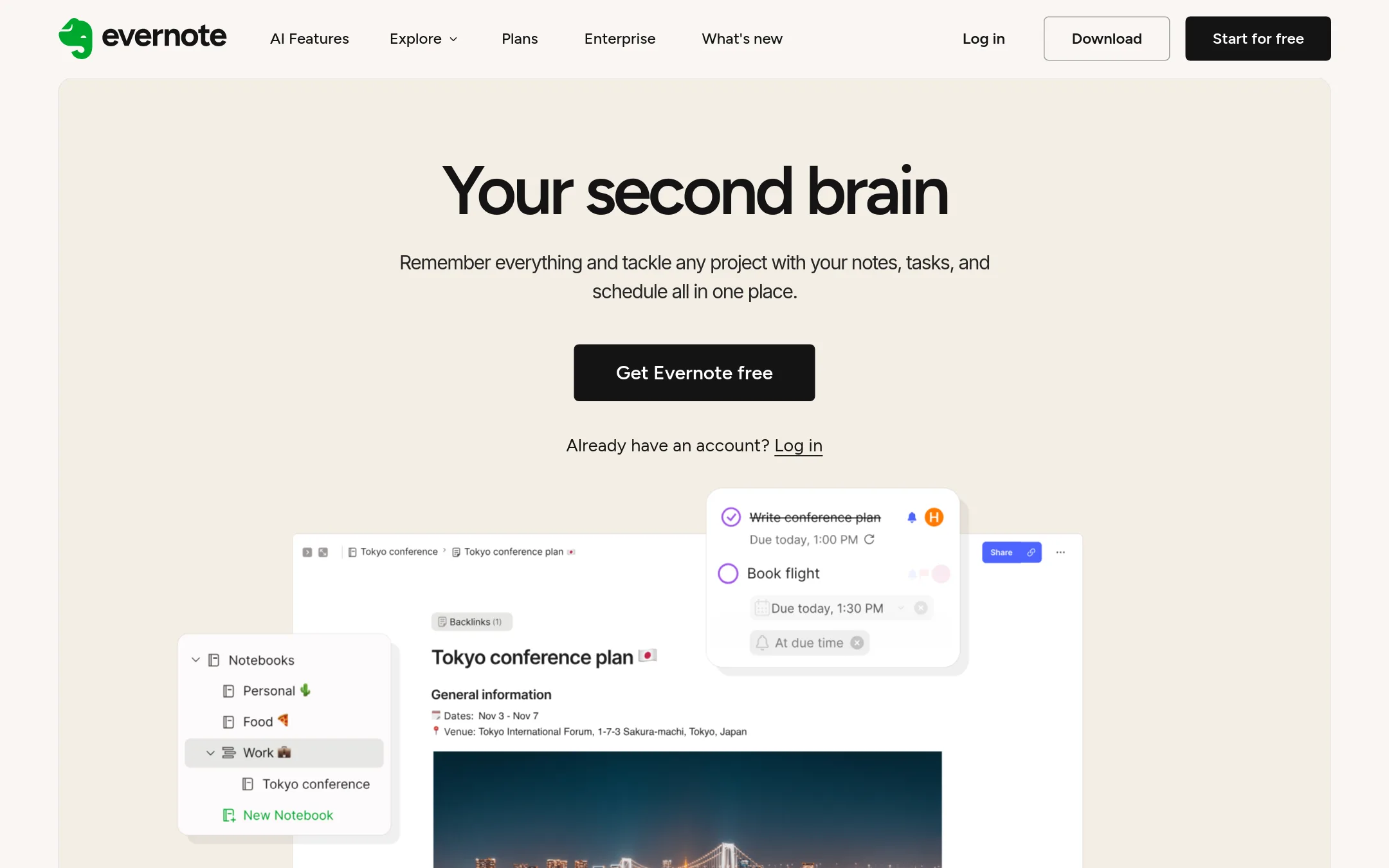
Evernote is a note-taking and productivity app that helps you capture ideas, organize notes, and manage tasks. You would choose it instead of Charm if you need a tool for personal or team knowledge management, not payments.
Where it is strong
- Syncs notes across all your devices
- Includes AI features like semantic search and transcription
- Offers real-time collaboration and task assignment
Where it falls short
- Free plan limits notes to 1000 and sync to 1 device
- Advanced features like SSO require an enterprise plan
- Pricing:
- Pricing is not published on the site.
- $100/mo + custom
5.Bear
Best for: Small businesses and enterprises that want to track AI usage and automate content and outreach
- Pricing
- $100/mo + custom
- Category
- Marketing & Sales
Bear is a marketing stack for AI agents, helping teams track AI prompts and generate blogs and outreach. Choose it over Charm if you need to manage AI-driven marketing workflows rather than send payments.
Where it is strong
- Tracks GPT-5 prompts and usage
- Generates blogs and email outreach automatically
- Enterprise tier adds lead generation and PR
Where it falls short
- Basic plan caps prompts and blogs
- No payment features at all
- Pricing:
- Basic plan is $100/mo, including GPT-5 tracking, up to 30 prompts, 2 blogs/month, and email outreach. Enterprise is custom-priced with unlimited tracking and integrations.
- CFree. $6.4/mo. $5/user
6.Craft
Best for: Individuals and teams who want a flexible notes app with docs, tasks, and calendar features across devices.

- Pricing
- Free. $6.4/mo. $5/user
- Category
- Other
Craft is a notes and productivity app for writing, tasks, and docs, not a payments tool. Choose it instead of Charm if you need a workspace for personal or team notes, not money transfers.
Where it is strong
- Free plan includes real-time sync and offline access
- Publishing with password protection and expiration dates
- Discounts for students, non-profits, and educators
Where it falls short
- Free plan limited to 1,500 blocks and 1 GB storage
- Not a payments app, so no money transfer features
- Pricing:
- Free plan with 1,500 blocks and 1 GB storage. Plus is $6.4/month, Family $12/month, Team $5/user/month (min 3 members), Enterprise custom.
See more comparisons in Finance & Accounting alternatives.
FAQ
Questions about Charm alternatives
What is Charm and why is it unavailable?
Charm is a universal payments app for sending money. Its website is currently paused by the owner, so we cannot access its features or pricing.
Which alternative is best for AI-driven marketing?
Bear is the strongest choice for AI-driven marketing. It tracks GPT-5 prompts, generates blogs and outreach, and offers an enterprise tier with lead generation and PR.
Which alternative is best for team knowledge management?
Notion is best for team knowledge management. It offers flexible docs, databases, and project tracking, with a free plan and per-user pricing starting at $10 per month.
Which alternative is best for private note-taking?
Obsidian is best for private note-taking. It stores notes locally in Markdown, offers end-to-end encrypted sync, and has a large plugin ecosystem.
Are there any alternatives that support payments?
None of the listed alternatives support payments. They are all note-taking, productivity, or AI marketing tools, so they do not replace Charm's core function.
Last updated November 4, 2026.