containerd alternatives
12 products compared · Updated November 1, 2026
The short answer
The strongest alternatives to containerd are Docker for development teams wanting a complete platform with GUI and security features, Podman for developers who prefer a daemonless, Docker-compatible CLI, and CRI-O for Kubernetes-focused teams needing a minimal, CRI-native runtime. Each suits different needs: Docker for integrated workflows, Podman for local development without a daemon, and CRI-O for tight Kubernetes integration.
Your shortlist, at a glance
Read the comparisons ↓ CRI-ONot publishedKubernetes-focused teams that want a minimal, CRI-native runtime without the overhead of a general-purpose container runtime.
 DockerFree, $9–$24/user/moDevelopment teams that want a complete container platform with a GUI, image management, and security features beyond the bare runtime.
PodmanNot publishedDevelopers and small teams who want a Docker-like CLI for building and running containers on Linux or macOS without a background daemon.
- rruncNot publishedTeams building custom container platforms or embedded systems that need a bare-bones OCI runtime and want to handle image pulling and orchestration themselves.
 LXDNot publishedTeams that want to run full Linux containers or VMs on Ubuntu infrastructure with Canonical support and long-term maintenance.
- KKata ContainersSee websiteOther
 BuildahNot publishedTeams that need to build OCI images in minimal or restricted environments, such as Kubernetes clusters, without a container daemon.
 HashiCorp NomadNot publishedTeams that need to orchestrate mixed workloads (containers, binaries, batch jobs) across multiple clouds or on-prem without the complexity of Kubernetes.
 KubernetesNot publishedTeams running containerized workloads at scale that need automated deployment, scaling, and self-healing across clusters.
 OpenShiftNot publishedEnterprises that want a supported Kubernetes platform with integrated developer and operations tooling across hybrid cloud.
 RancherCustom quoteTeams running multiple Kubernetes clusters who need centralized management, security, and operational control.
 SingularityNot publishedHPC and AI/ML teams that need secure, portable containers on shared or rootless infrastructure
About containerd and its alternatives
containerd is an industry-standard container runtime focused on simplicity, robustness, and portability. It is a CNCF graduated project that supports OCI image and runtime specs, image push/pull, and network primitives, making it a core component for running containers in production.
When comparing alternatives, consider the pricing structure, as some tools are free while others require per-user subscriptions or sales quotes. Also weigh the regions where the product is available, integrations with existing systems like Kubernetes, the level of support offered, and contract terms such as annual vs. monthly billing or enterprise agreements.
Explore the alternatives
- Not published
1.CRI-O
Best for: Kubernetes-focused teams that want a minimal, CRI-native runtime without the overhead of a general-purpose container runtime.
- Pricing
- Not published
- Category
- Developer Tools
CRI-O is a lightweight container runtime built specifically for Kubernetes, implementing the CRI to run OCI-compliant containers. Choose it over containerd when you want a runtime that is tightly integrated with Kubernetes and avoids the extra features of a general-purpose runtime.
Where it is strong
- Designed specifically for Kubernetes, passing all Kubernetes tests.
- Supports any OCI-compliant runtime, including runc and Kata Containers.
- Uses CNI for networking, so it works with Flannel, Weave, and OpenShift-SDN.
Where it falls short
- Not suitable for non-Kubernetes container use cases.
- Limited to OCI-compliant runtimes. No Docker-specific features.
- Pricing:
- Pricing is not published on the site.
- Free, $9–$24/user/mo
2.Docker
Best for: Development teams that want a complete container platform with a GUI, image management, and security features beyond the bare runtime.
- Pricing
- Free, $9–$24/user/mo
- Category
- Developer Tools
Docker is a full software development platform that includes a container runtime, build tools, and a desktop app. You would choose it over containerd when you want an integrated workflow for building, running, and managing containers, especially with AI agents and enterprise governance.
Where it is strong
- Includes Docker Desktop, CLI, Compose, and Kubernetes support out of the box.
- Offers Docker Scout for vulnerability analysis and image remediation.
- Provides enterprise features like SSO, SCIM, and audit logs on Business plans.
Where it falls short
- Heavier than containerd, which is a minimal runtime.
- Pricing is per user per month, which can add up for large teams.
- Pricing:
- Docker Personal is free, Pro is $9 per user/month (annual) or $11 monthly, Team is $15 per user/month (annual) or $16 monthly, and Business is $24 per user/month. Hardened Images start at $5k per repo.
- Switching from containerd:
- Moving from containerd to Docker is straightforward because Docker uses containerd as its runtime, so your existing OCI images and containers will work without changes.
- Not published
3.Podman
Best for: Developers and small teams who want a Docker-like CLI for building and running containers on Linux or macOS without a background daemon.
- Pricing
- Not published
- Category
- Developer Tools
Podman is a daemonless container runtime that runs containers as unprivileged users, which makes it a good fit for developers who want a Docker-compatible workflow without a central daemon. Choose it over containerd when you need a user-space tool for local development and testing, rather than a runtime embedded in an orchestration platform.
Where it is strong
- Daemonless architecture improves security and simplifies debugging
- Docker-compatible CLI eases migration from Docker
- Supports Kubernetes-style pods for local orchestration
Where it falls short
- Not a drop-in replacement for containerd in Kubernetes nodes
- Less mature than containerd for large-scale production runtimes
- Pricing:
- Pricing is not published on the site.
- Switching from containerd:
- Moving from containerd to Podman means adopting a different runtime model and CLI, so you will need to rewrite orchestration scripts and test container behavior.
- rNot published
4.runc
Best for: Teams building custom container platforms or embedded systems that need a bare-bones OCI runtime and want to handle image pulling and orchestration themselves.
- Pricing
- Not published
- Category
- Other
runc is the reference implementation of the OCI runtime specification, so it is the low-level tool that actually creates and runs containers. You would choose runc instead of containerd when you need a minimal, spec-compliant runtime without the higher-level image management, networking, and lifecycle features that containerd provides.
Where it is strong
- Directly implements the OCI runtime spec, so it is the standard for running containers.
- Very small and focused, with no extra features beyond running a container.
- Backed by the Open Container Initiative and used by containerd itself.
Where it falls short
- No image pull, push, or storage. You must manage images separately.
- No networking or multi-tenant features, so you need to build those yourself.
- Pricing:
- Pricing is not published on the site.
- Switching from containerd:
- Moving from containerd to runc means you lose image management and lifecycle tooling, so you would need to add your own image handling and orchestration on top.
- Not published
5.LXD
Best for: Teams that want to run full Linux containers or VMs on Ubuntu infrastructure with Canonical support and long-term maintenance.
- Pricing
- Not published
- Category
- Developer Tools
LXD is a system container and VM manager from Canonical, focused on running full Linux systems rather than individual application containers. You would choose it over containerd when you need lightweight virtual machines or system-level containers with a familiar management interface, not just a runtime for OCI images.
Where it is strong
- Runs both system containers and VMs from one tool
- Backed by Canonical with enterprise support options
- Integrates with Ubuntu's ecosystem and cloud tools
Where it falls short
- Heavier than containerd for simple OCI container workloads
- Tied closely to Ubuntu and Canonical's stack
- Pricing:
- Pricing is not published on the site.
- KSee website
6.Kata Containers
Other
A secure container runtime that uses lightweight VMs for isolation, an alternative when stronger security is needed.
- Not published
7.Buildah
Best for: Teams that need to build OCI images in minimal or restricted environments, such as Kubernetes clusters, without a container daemon.
- Pricing
- Not published
- Category
- Developer Tools
Buildah builds OCI container images without needing a full container runtime or daemon. Choose it when you want to create images directly from the command line or within CI pipelines, especially in environments where running a daemon is undesirable or restricted.
Where it is strong
- No daemon required for building images
- Supports OCI image spec
- Can build images without root privileges
Where it falls short
- Does not manage container runtime lifecycle like containerd
- Requires separate tools for running containers
- Pricing:
- Pricing is not published on the site.
- Not published
8.HashiCorp Nomad
Best for: Teams that need to orchestrate mixed workloads (containers, binaries, batch jobs) across multiple clouds or on-prem without the complexity of Kubernetes.
- Pricing
- Not published
- Category
- Developer Tools
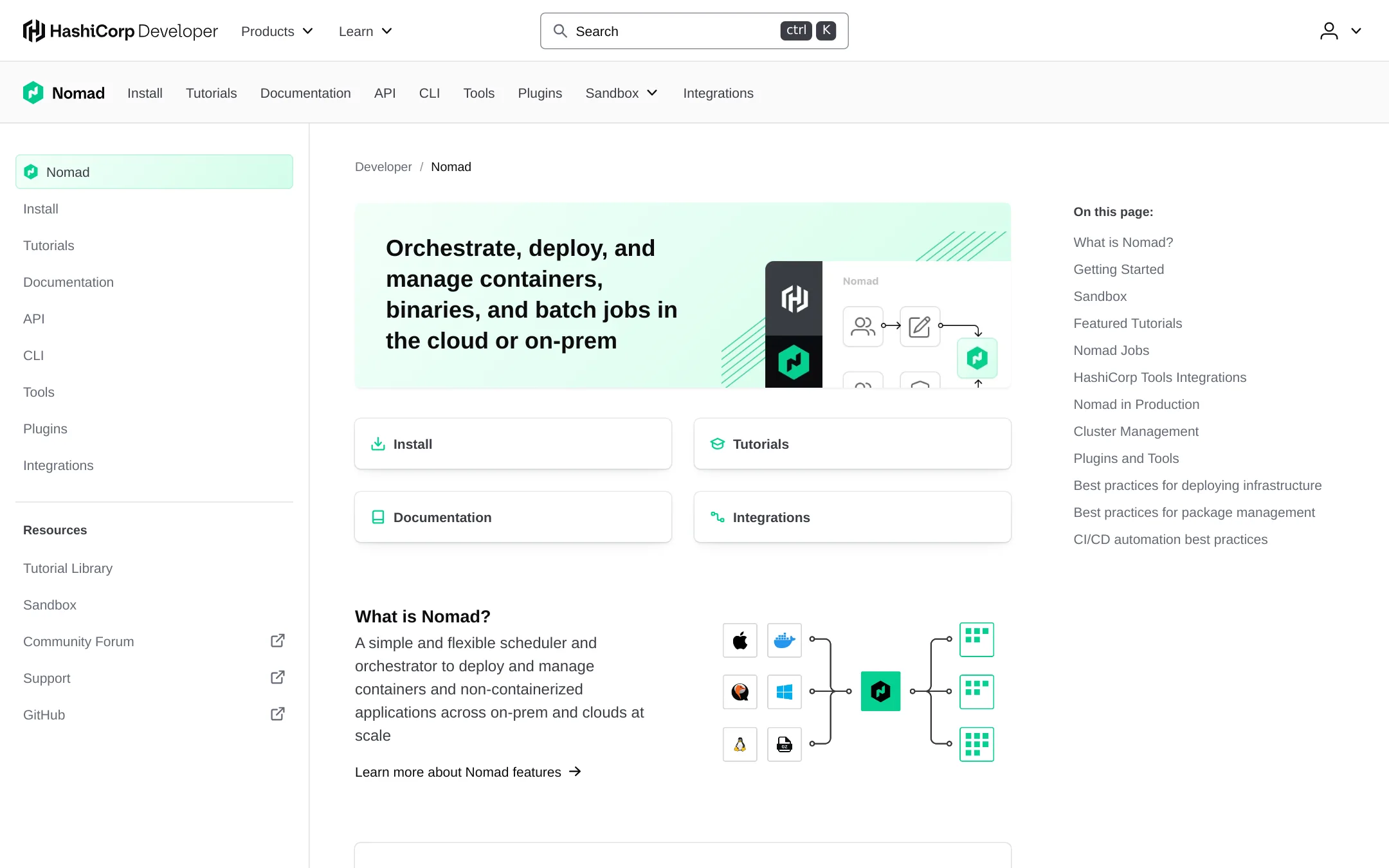
HashiCorp Nomad is a scheduler and orchestrator that deploys containers, binaries, and batch jobs across on-prem and cloud environments. You would choose it over containerd when you need to manage non-containerized workloads alongside containers, or want a simpler alternative to Kubernetes for scheduling.
Where it is strong
- Schedules containers and non-containerized applications
- Integrates with Consul and Vault for service discovery and secrets
- Supports batch jobs and parameterized jobs
Where it falls short
- No built-in image registry or runtime. Requires containerd or another runtime
- Enterprise features like Sentinel governance are not in the open source version
- Pricing:
- Pricing is not published on the site.
- Not published
9.Kubernetes
Best for: Teams running containerized workloads at scale that need automated deployment, scaling, and self-healing across clusters.
- Pricing
- Not published
- Category
- Developer Tools
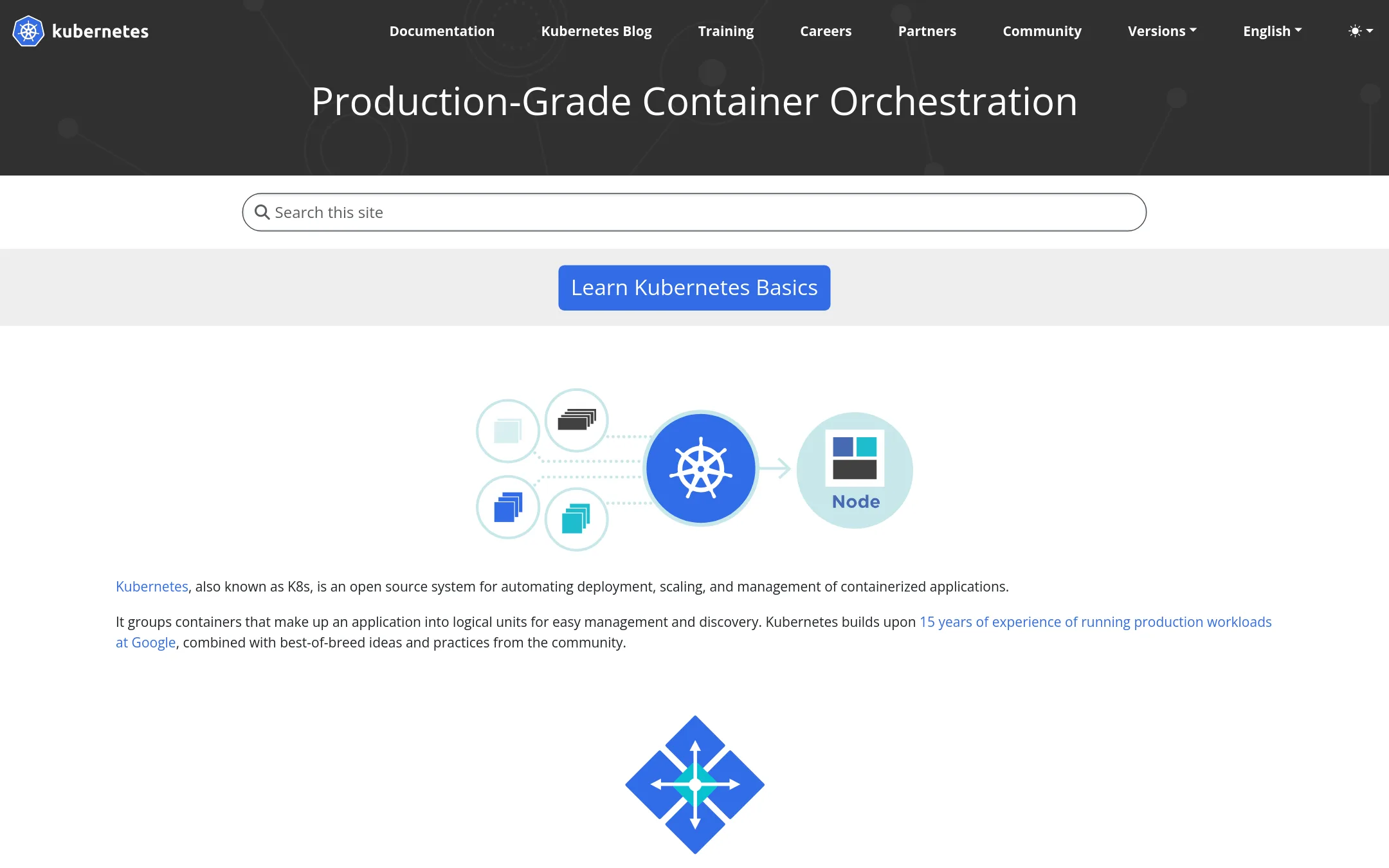
Kubernetes is a container orchestration platform that automates deployment, scaling, and management of containerized applications. You would choose it instead of containerd when you need to run and manage many containers across multiple hosts, because containerd is just the runtime that executes containers, not the orchestrator.
Where it is strong
- Automated rollouts and rollbacks for application updates.
- Built-in service discovery and load balancing.
- Self-healing and horizontal scaling capabilities.
Where it falls short
- Requires containerd or another runtime underneath, so it is not a direct replacement.
- Operational complexity is higher than using containerd alone.
- Pricing:
- Pricing is not published on the site.
- Switching from containerd:
- Moving from containerd to Kubernetes means adding an orchestration layer on top, so you would keep containerd as the runtime and manage it through Kubernetes.
- Not published
10.OpenShift
Best for: Enterprises that want a supported Kubernetes platform with integrated developer and operations tooling across hybrid cloud.
- Pricing
- Not published
- Category
- Developer Tools
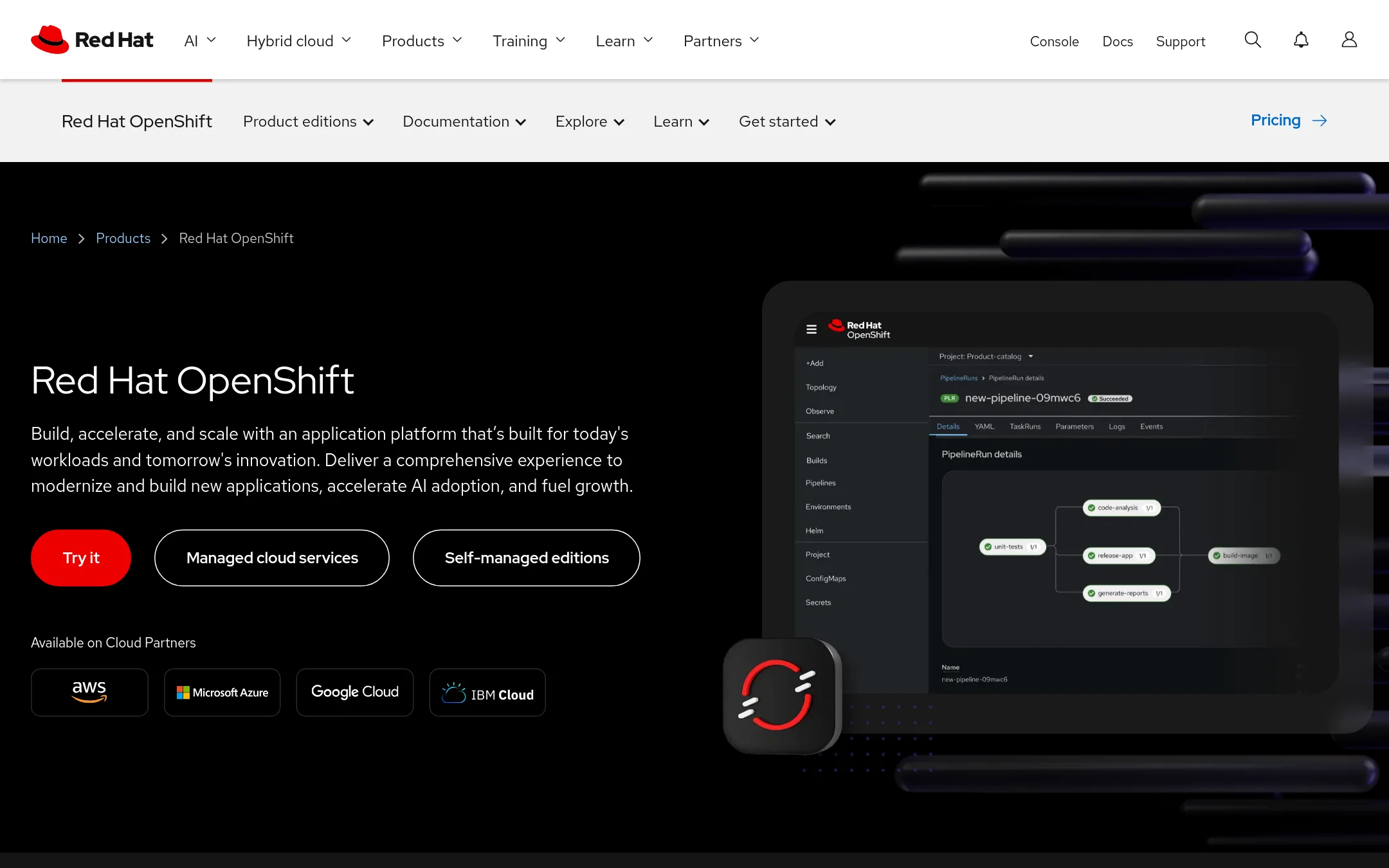
OpenShift is a full Kubernetes platform from Red Hat that bundles container orchestration, developer tooling, and enterprise support. Choose it instead of containerd when you need a managed or self-managed platform with built-in CI/CD, security, and hybrid cloud capabilities, rather than a low-level runtime.
Where it is strong
- Includes enterprise Kubernetes with built-in security and compliance features.
- Offers managed cloud editions on AWS, Azure, Google Cloud, and IBM Cloud.
- Provides developer sandbox and hands-on labs for quick testing.
Where it falls short
- Heavier and more complex than a standalone container runtime.
- Requires a Red Hat subscription for production use.
- Pricing:
- Pricing is not published on the site.
- Switching from containerd:
- Moving from containerd to OpenShift means adopting a full Kubernetes platform, so you would migrate workloads from a runtime-level setup to a cluster-based deployment model.
- Custom quote
11.Rancher
Best for: Teams running multiple Kubernetes clusters who need centralized management, security, and operational control.
- Pricing
- Custom quote
- Category
- Developer Tools
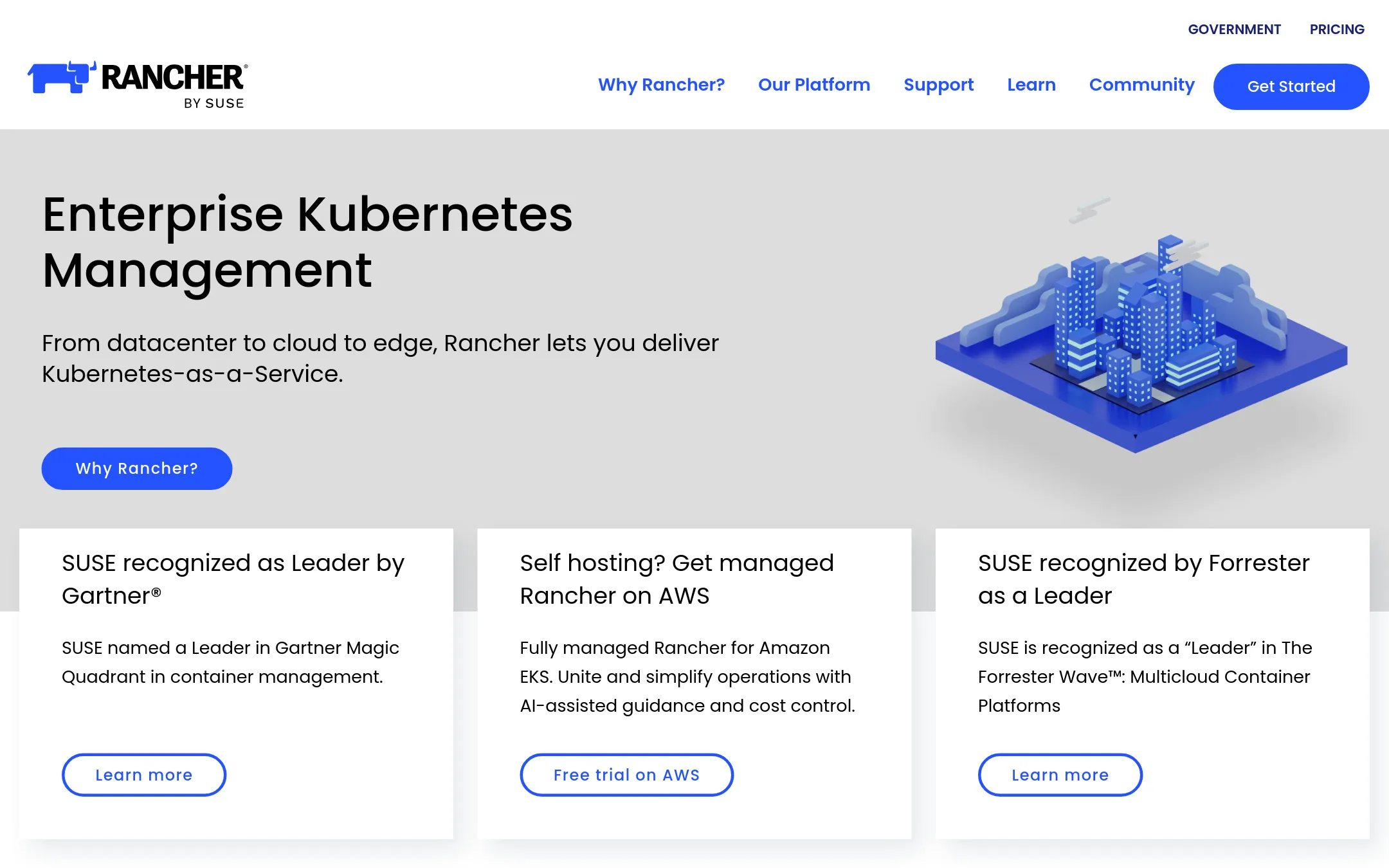
Rancher is a platform for managing multiple Kubernetes clusters across datacenter, cloud, and edge environments. You would choose it over containerd when you need a full Kubernetes management layer with security and operational tooling, not just a container runtime.
Where it is strong
- Manages multiple Kubernetes clusters from one platform
- Open source with a large community and enterprise support
- Provides integrated tools for DevOps teams running containerized workloads
Where it falls short
- Pricing requires contacting sales. No self-serve tiers
- Heavier than containerd if you only need a runtime, not full cluster management
- Pricing:
- Pricing is not published on the site. You must request a quote from the regional sales team.
- Not published
12.Singularity
Best for: HPC and AI/ML teams that need secure, portable containers on shared or rootless infrastructure

- Pricing
- Not published
- Category
- Developer Tools
Singularity is a container runtime built for high-performance computing, AI/ML, and edge workloads where security and portability matter. You would choose it over containerd when you need to run containers on shared HPC clusters or systems without root privileges, since it is designed for those environments.
Where it is strong
- Designed for HPC and edge workloads
- Supports rootless container execution
- Focus on security for shared systems
Where it falls short
- Site is currently unreachable, so details are limited
- Not a general-purpose runtime like containerd for Kubernetes
- Pricing:
- Pricing is not published on the site.
See more comparisons in Developer Tools alternatives.
FAQ
Questions about containerd alternatives
What is the main difference between containerd and Docker?
containerd is a minimal container runtime that handles the lifecycle of containers, while Docker is a full platform that includes a runtime, build tools, and a desktop app. You would choose Docker when you want an integrated workflow for building, running, and managing containers, especially with enterprise governance features.
Is Podman a good replacement for containerd in Kubernetes?
Podman is not a drop-in replacement for containerd in Kubernetes nodes. It is designed for local development and testing with a Docker-compatible CLI, but it lacks the maturity for large-scale production runtimes that containerd provides.
What are the pricing models for these alternatives?
Docker has clear pricing tiers: Personal is free, Pro is $9 per user/month (annual), Team is $15 per user/month (annual), and Business is $24 per user/month. Most other alternatives like Podman, Kubernetes, OpenShift, and Rancher do not publish pricing and require contacting sales or using open-source versions.
Which alternative is best for Kubernetes-focused teams?
CRI-O is the best choice for Kubernetes-focused teams because it is a lightweight runtime built specifically for Kubernetes, implementing the CRI and passing all Kubernetes tests. It supports any OCI-compliant runtime and uses CNI for networking, making it minimal and tightly integrated.
Can I use these alternatives without a container runtime like containerd?
Some alternatives like Kubernetes and Nomad require a runtime underneath, such as containerd or another OCI runtime, to actually run containers. Others like runc and Buildah are lower-level tools that either run containers or build images but do not manage the full lifecycle, so you may need to combine them.
Last updated November 1, 2026.