
Cradle alternatives
8 products compared · Updated October 19, 2026
The short answer
The strongest Cradle alternatives are Wave for consumer-facing mobile payments in Africa, QuickBooks Payroll for integrated US payroll and accounting, and Xero for small businesses needing accounting with tax compliance. Wave suits individuals and small businesses in Africa, QuickBooks Payroll suits US SMBs wanting payroll and accounting together, and Xero suits UK or US small businesses needing invoicing and payroll.
Your shortlist, at a glance
Read the comparisons ↓ QuickBooks PayrollNot publishedSmall to mid-sized businesses in the US that want payroll, tax filing, and accounting in one platform.
 XeroFrom $27/moSmall businesses in the UK or US that need integrated accounting, invoicing and payroll with tax compliance.
 FreshBooksFrom $4.60/mo (annual)Freelancers, solopreneurs, and small service businesses that want invoicing, expense tracking, and payments in one tool.
 WaveNot publishedIndividuals and small businesses in Africa that want free cash-in/cash-out and low-cost person-to-person transfers.
 Zoho MeetingNot publishedTeams that need a straightforward video conferencing and webinar solution integrated with the broader Zoho suite.
 Sage Business CloudNot publishedScaling and midsized teams that need automated accounting, payroll, and multi-entity financial management in one platform.
- NNetSuiteSee websiteCloud ERP and financial management platform
 ExpensifyNot publishedCompanies with employees traveling and submitting expenses who want automated receipt capture, reimbursement, and accounting sync across QuickBooks, NetSuite, Xero, and more.
About Cradle and its alternatives
Cradle is a B2B payments network in India, designed to facilitate business-to-business transactions. It is known for its focus on the Indian market, though its website is currently unreachable, so details are limited.
When comparing alternatives, weigh pricing structure (monthly vs annual, per-user vs flat), geographic focus (India vs US/UK/Africa), integrations with your existing tools, support options, and contract terms like free trials or annual discounts. Some products publish pricing openly, while others require contacting sales.
Explore the alternatives
- Not published
1.QuickBooks Payroll
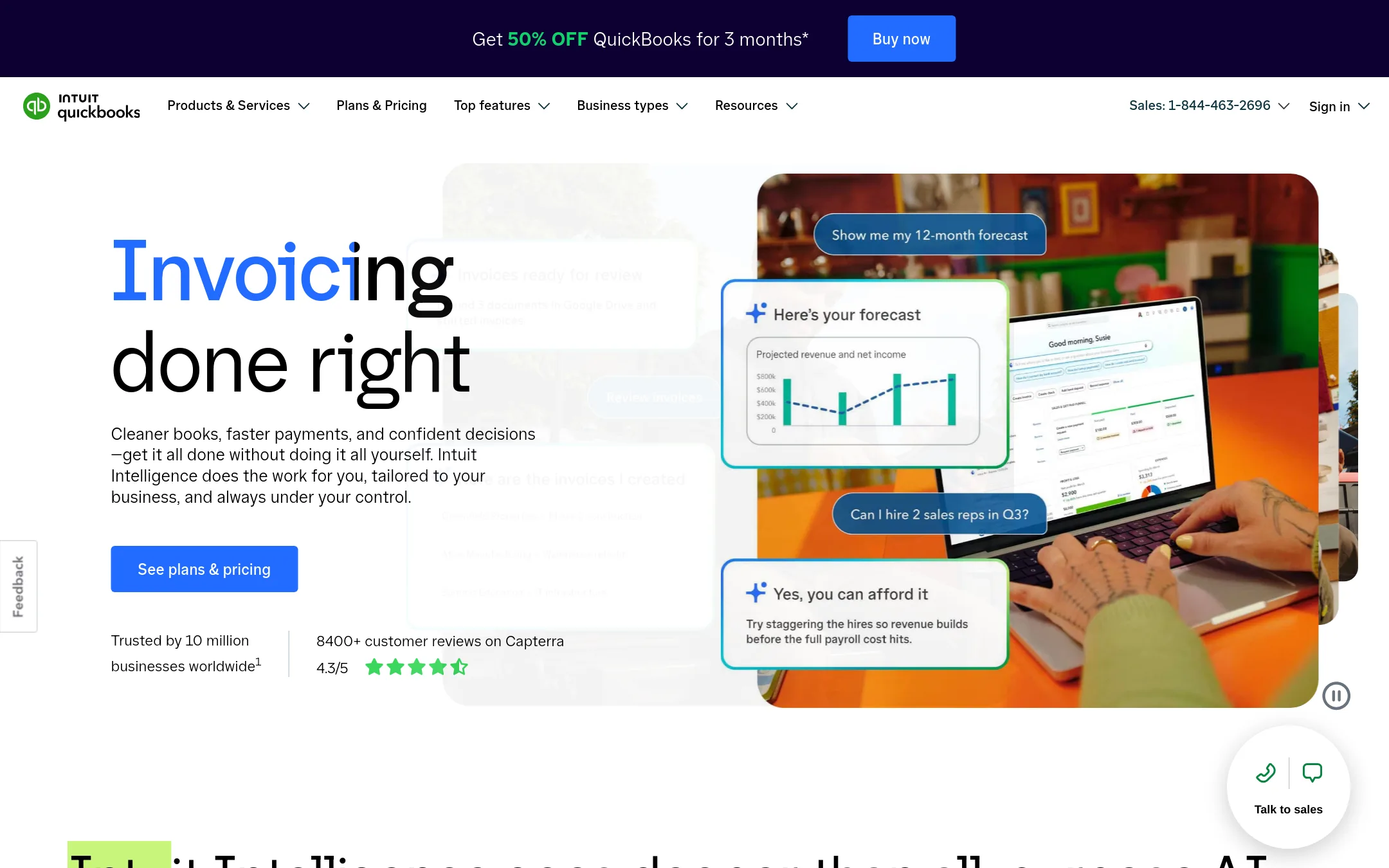
Best for: Small to mid-sized businesses in the US that want payroll, tax filing, and accounting in one platform.
- Pricing
- Not published
- Category
- Finance & Accounting
QuickBooks Payroll is a full-service payroll and accounting platform that handles payroll, tax filing, and team management alongside broader bookkeeping. You would choose it instead of Cradle if you need an integrated payroll solution with AI-driven automation and tax compliance, rather than a B2B payments network.
Where it is strong
- Full-service payroll with tax filing included
- AI-driven automation for recurring tasks and invoicing
- Over 800 integrations with popular business apps
Where it falls short
- Pricing not transparent on the site
- No mention of B2B payment network capabilities like Cradle
- Pricing:
- Pricing is not published on the site.
- From $27/mo
2.Xero
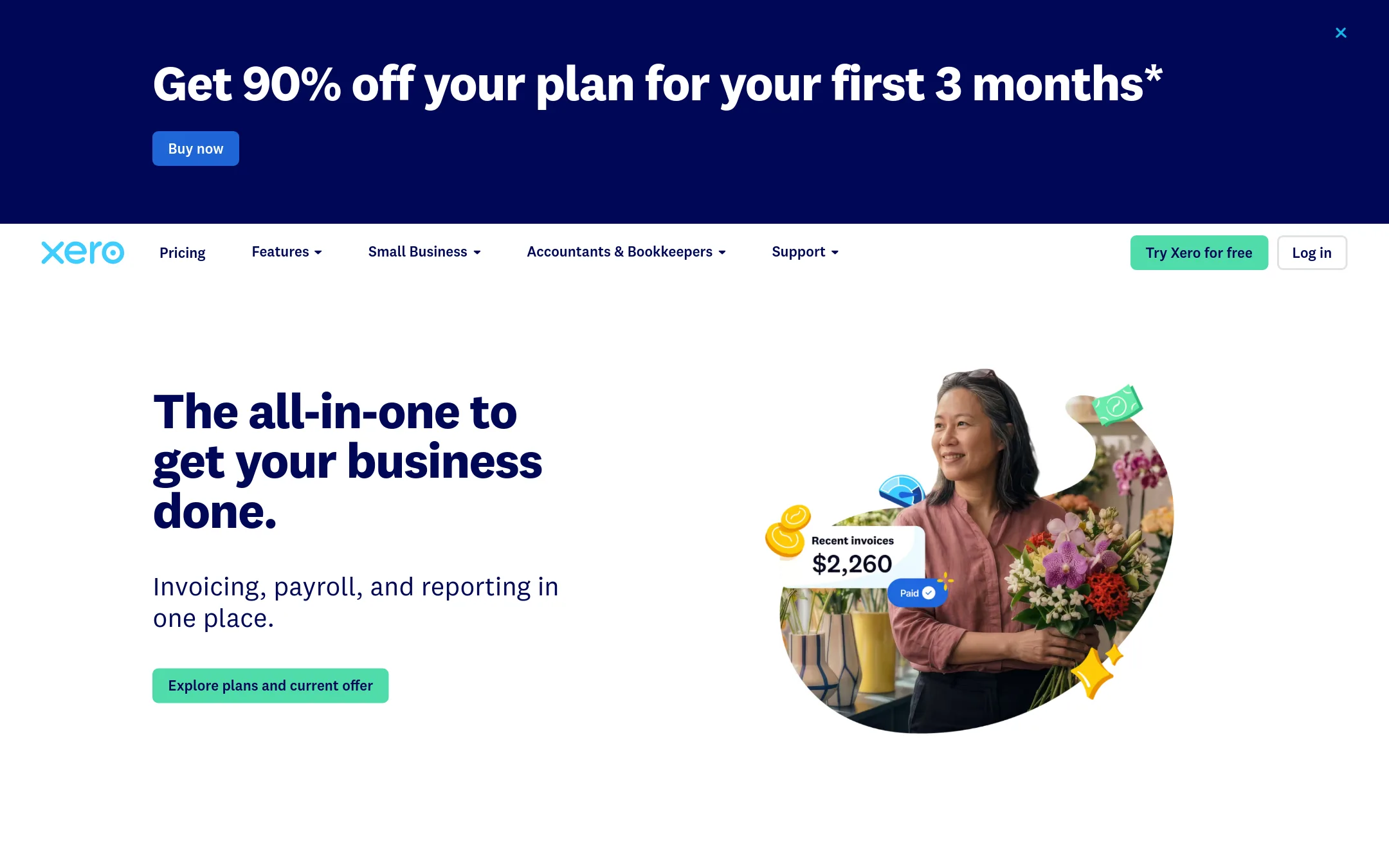
Best for: Small businesses in the UK or US that need integrated accounting, invoicing and payroll with tax compliance.
- Pricing
- From $27/mo
- Category
- Finance & Accounting
Xero is a full cloud accounting platform for small businesses, covering invoicing, payroll, VAT and reporting. Choose it instead of Cradle if you need a general-purpose accounting system with HMRC or IRS compliance, rather than a B2B payments network.
Where it is strong
- Smart document capture reads receipts and invoices automatically
- Built-in payroll and VAT or sales tax handling
- Online invoice payments via Stripe and GoCardless
Where it falls short
- Not a B2B payments network. Lacks Cradle's India-specific payment features
- Higher-tier features like multi-currency and project tracking cost more
- Pricing:
- In the United States, plans start at $27 per month (Early), $59 per month (Growing), and $97 per month (Established), with 80% off for the first 3 months.
- Switching from Cradle:
- Moving from Cradle means replacing a payments network with a broader accounting system, so you'll need to set up bank feeds and migrate your transaction history manually.
- From $4.60/mo (annual)
3.FreshBooks
Best for: Freelancers, solopreneurs, and small service businesses that want invoicing, expense tracking, and payments in one tool.
- Pricing
- From $4.60/mo (annual)
- Category
- Finance & Accounting
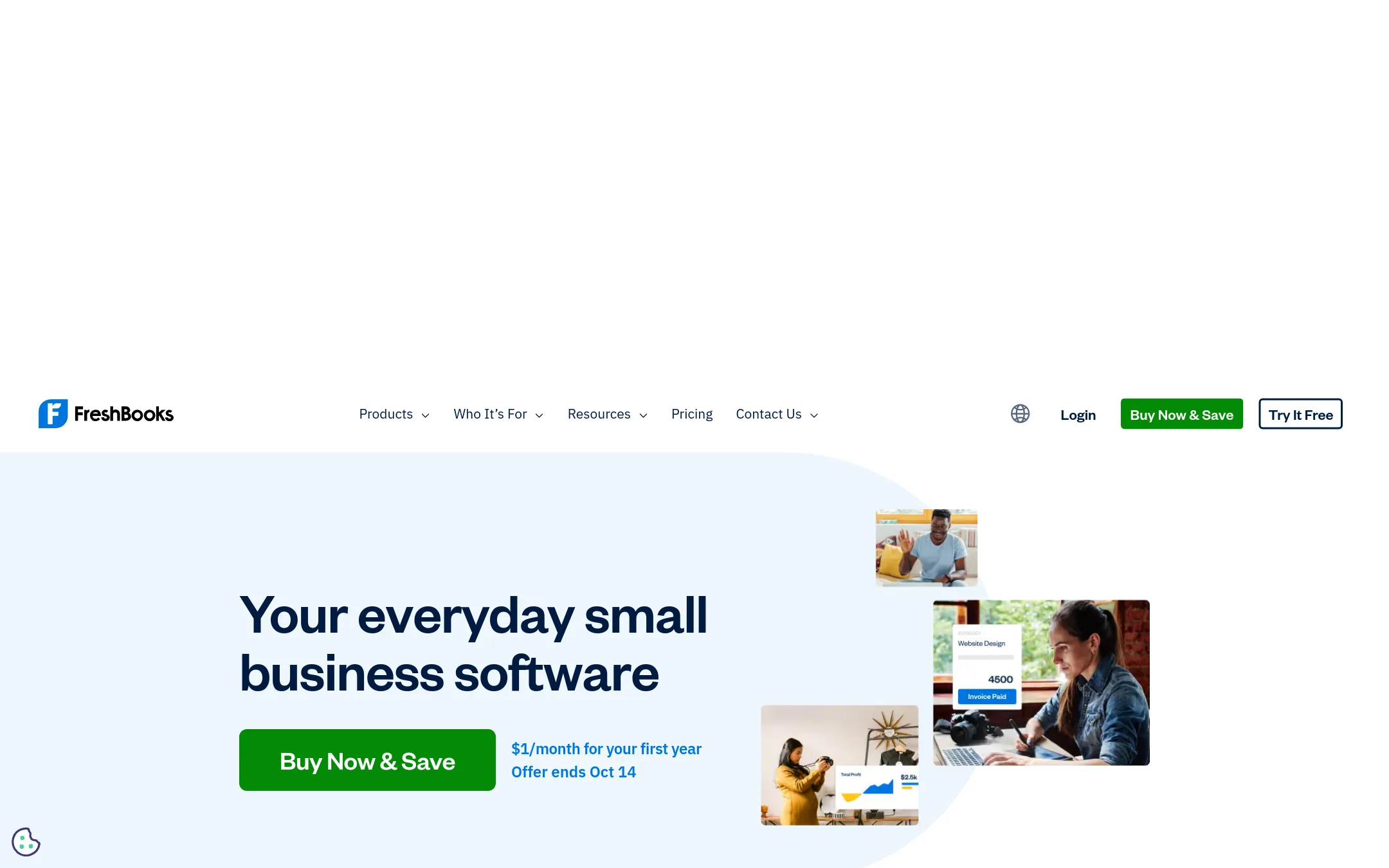
FreshBooks is a full invoicing and accounting suite for small businesses, with time tracking, expenses, payroll, and client management. Choose it over Cradle if you need a general-purpose accounting tool for a service-based business, not a B2B payments network focused on India.
Where it is strong
- Unlimited estimates, customized invoices, and e-signatures on paid plans.
- Built-in time tracking and expense receipt capture.
- 30-day free trial and money-back guarantee.
Where it falls short
- Lite plan caps at 5 billable clients. Plus caps at 50.
- Advanced Payments (recurring billing, ACH) costs extra on Lite and Premium plans.
- Pricing:
- Lite starts at $4.60/month (billed annually) or $23/month monthly. Plus at $8.60/month (annual) or $43/month. Premium at $14/month (annual) or $70/month. Select is custom quote. Advanced Payments add-on is $20/month.
- Not published
4.Wave
Best for: Individuals and small businesses in Africa that want free cash-in/cash-out and low-cost person-to-person transfers.
- Pricing
- Not published
- Category
- Finance & Accounting
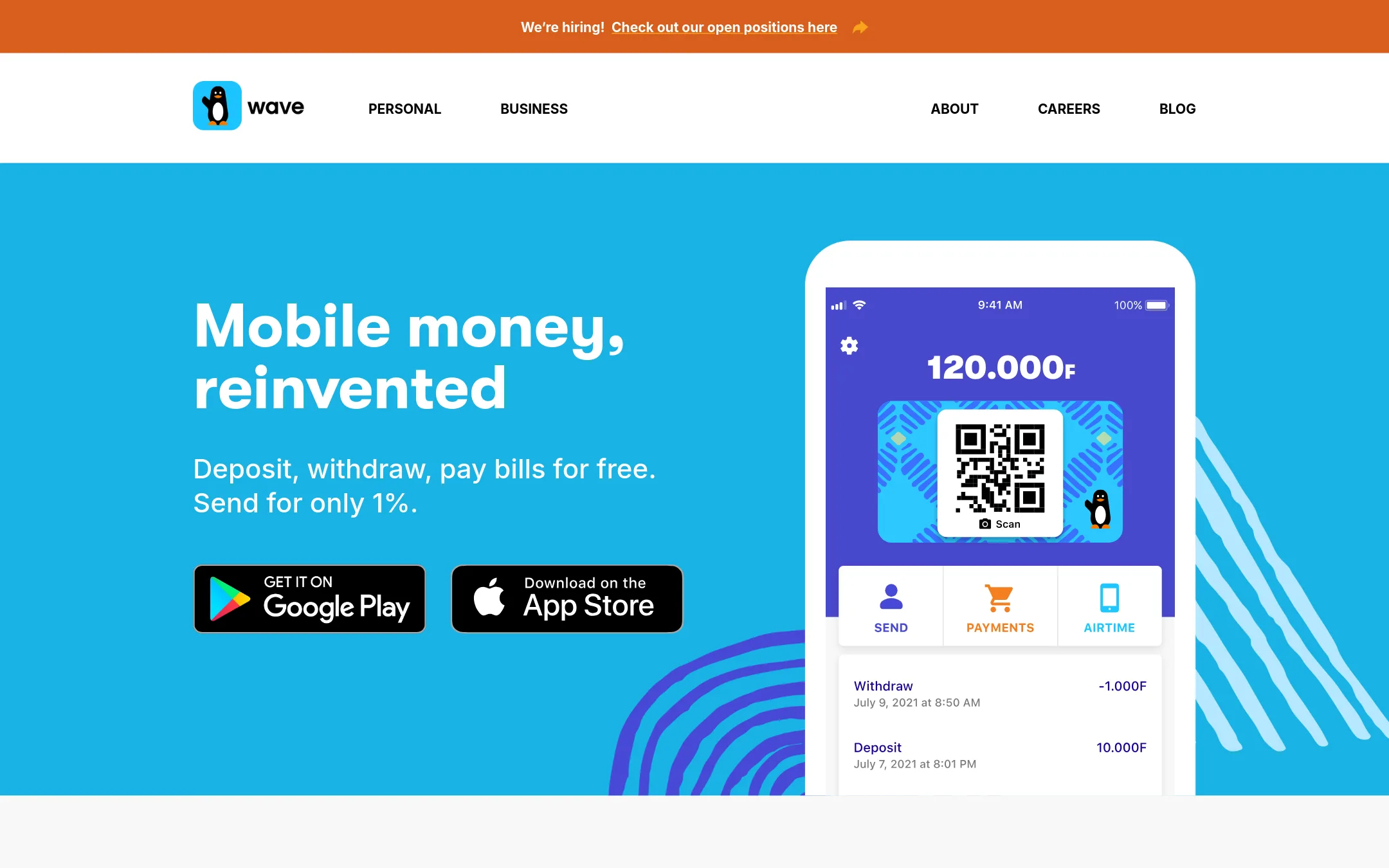
Wave is a mobile money app for Africa focused on free deposits, withdrawals, and bill payments, with a flat 1% fee on sends. Choose it over Cradle if you need a consumer-facing wallet for everyday payments in Africa rather than a B2B payments network.
Where it is strong
- Free deposits, withdrawals, and bill payments
- Flat 1% fee on sending money
- Toll-free customer support line
Where it falls short
- No B2B payment network features like invoicing or bulk payouts
- Limited to African markets
- Pricing:
- Pricing is not published on the site.
- Not published
5.Zoho Meeting
Best for: Teams that need a straightforward video conferencing and webinar solution integrated with the broader Zoho suite.
- Pricing
- Not published
- Category
- Communication & Collaboration
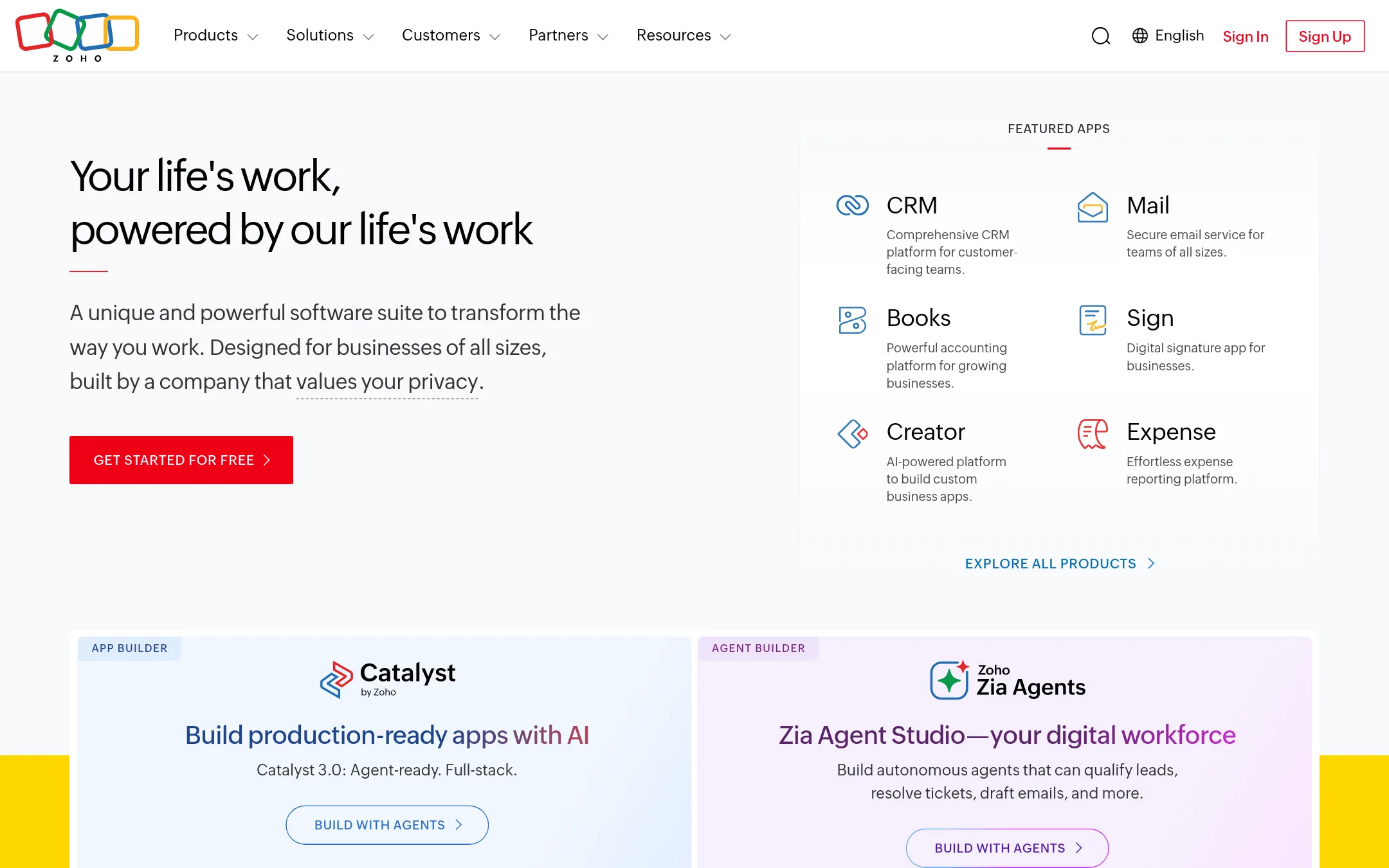
Zoho Meeting is a video conferencing and webinar tool, not a payments network. You would choose it instead of Cradle if you need reliable online meetings, screen sharing, and webinar hosting for your team, not B2B payments.
Where it is strong
- Part of a 50+ app suite, so it integrates with your existing Zoho tools.
- Built with a privacy-first approach, no ad-based business model.
- Suitable for businesses of all sizes, from startups to enterprises.
Where it falls short
- No payment or invoicing features, it's for meetings, not money movement.
- Pricing details are not shown on the homepage, so you'll need to dig deeper.
- Pricing:
- Pricing is not published on the site.
- Not published
6.Sage Business Cloud
Best for: Scaling and midsized teams that need automated accounting, payroll, and multi-entity financial management in one platform.

- Pricing
- Not published
- Category
- Finance & Accounting
Sage Business Cloud is a broad finance and accounting suite with AI automation, multi-entity accounting, and payroll/HR tools. Choose it over Cradle if you need a full back-office system for a scaling or midsized team, not just a B2B payments network.
Where it is strong
- Automates up to 90% of manual accounting tasks
- Built-in audit trails and controls
- Industry-specific solutions for construction, healthcare, retail, and more
Where it falls short
- Pricing is not public, so you must contact sales
- Broader scope than Cradle, so setup may be heavier for simple payment needs
- Pricing:
- Pricing is not published on the site.
- NSee website
7.NetSuite
Productivity & Project Management
NetSuite is Oracle's full ERP covering accounting, CRM, and e-commerce. It suits larger or rapidly scaling organizations. In comparison to Cradle, NetSuite offers far broader functionality but requires longer implementation and higher investment.
- Not published
8.Expensify
Best for: Companies with employees traveling and submitting expenses who want automated receipt capture, reimbursement, and accounting sync across QuickBooks, NetSuite, Xero, and more.
- Pricing
- Not published
- Category
- Finance & Accounting
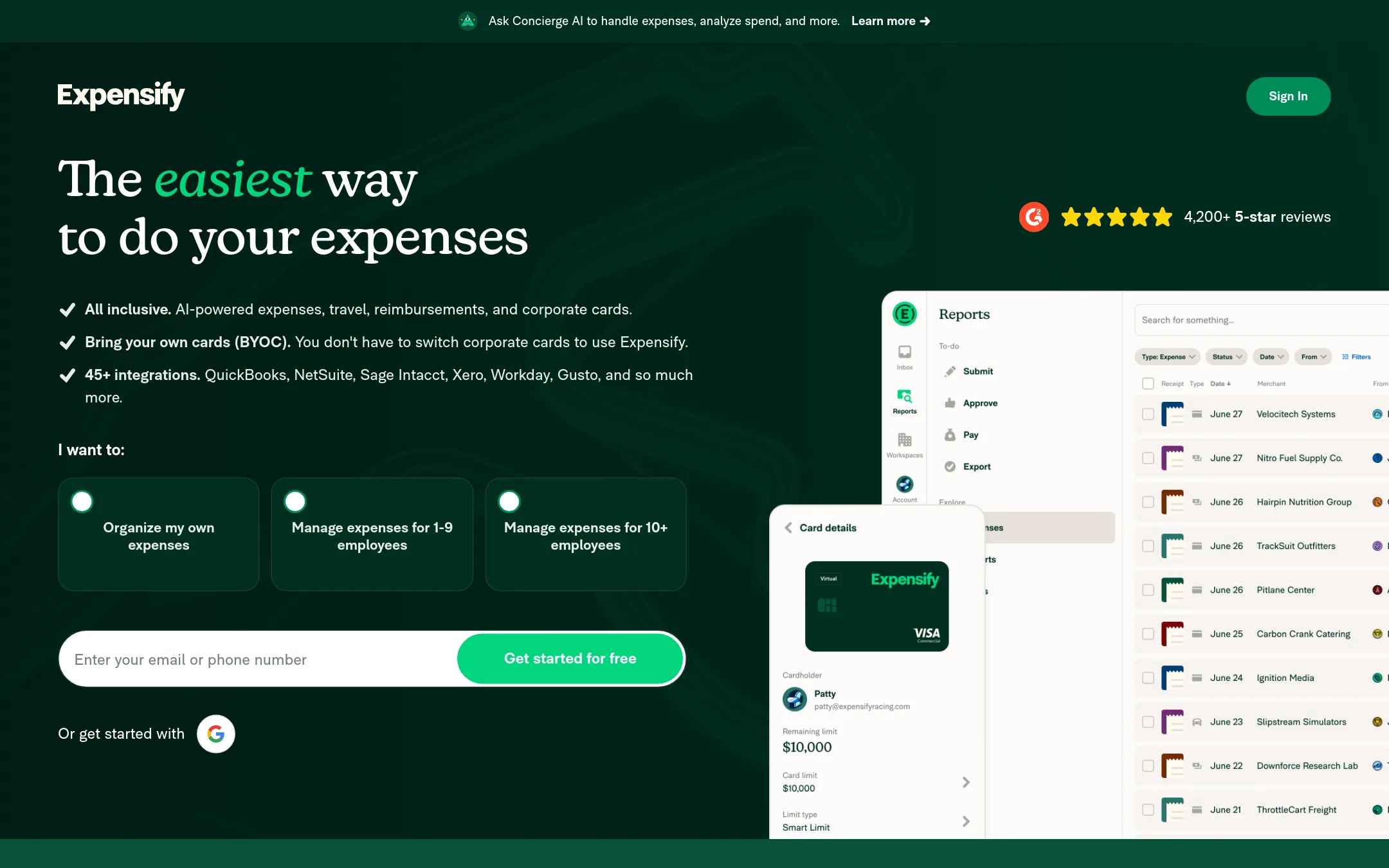
Expensify is a global spend management platform covering expenses, travel, reimbursements, and corporate cards, with AI-powered receipt scanning and 45+ accounting integrations. Choose it over Cradle if you need a full T&E tool for a distributed team, not just B2B payments in India.
Where it is strong
- AI Concierge automates categorization, policy checks, and report submission
- Bring your own cards with 10k+ banks supported globally
- Free unlimited virtual cards with the Expensify Card
Where it falls short
- No B2B payment network focus like Cradle's India-specific offering
- Pricing details are not publicly listed, requiring a sales conversation
- Pricing:
- Pricing is not published on the site.
See more comparisons in Finance & Accounting alternatives.
FAQ
Questions about Cradle alternatives
Which alternative is best for a small business in India needing B2B payments?
None of the listed alternatives are specifically designed for India's B2B payments. Wave focuses on Africa, QuickBooks Payroll and Xero target US/UK markets, and others are general accounting or expense tools. You may need to look beyond these options for India-specific needs.
What is the cheapest alternative for a freelancer?
FreshBooks Lite at $4.60/month (billed annually) is the lowest published price among the alternatives. It includes invoicing and expense tracking but caps at 5 billable clients, so it suits solo freelancers with a small client base.
Which alternative offers the most integrations?
QuickBooks Payroll lists over 800 integrations with popular business apps, making it the most connected option. Expensify also integrates with 45+ accounting tools, but QuickBooks has a broader ecosystem.
Are there any alternatives with transparent pricing?
Xero and FreshBooks publish their pricing. Xero starts at $27/month in the US, and FreshBooks starts at $4.60/month annually. Others like Wave, QuickBooks Payroll, Zoho Meeting, Sage, and Expensify do not show pricing publicly.
Which alternative is best for a US company needing payroll and tax filing?
QuickBooks Payroll is the strongest choice because it includes full-service payroll with tax filing, AI automation, and accounting in one platform. It suits small to mid-sized US businesses that want payroll and bookkeeping integrated.
Last updated October 19, 2026.