
DeepSim, Inc. alternatives
6 products compared · Updated November 26, 2026
The short answer
The three strongest alternatives to DeepSim, Inc. are COMSOL Multiphysics, Ansys Cloud and SimScale. COMSOL Multiphysics suits engineers and researchers across many industries who need to model multiple coupled physics in one tool. Ansys Cloud suits engineering teams in aerospace, automotive, energy or electronics that need broad multiphysics simulation. SimScale suits mechanical and thermal product teams that want browser-based CFD and FEA shared across design engineers.
Your shortlist, at a glance
Read the comparisons ↓ Ansys CloudNot publishedEngineering teams in aerospace, automotive, energy or electronics that need broad multiphysics simulation
 COMSOL MultiphysicsNot publishedEngineers and researchers across many industries who need to model multiple physics in one tool
- SSimScaleNot publishedMechanical and thermal product teams that want browser-based CFD and FEA shared across design engineers
 Altair PBS CloudNot publishedEngineering teams that already run large simulation workloads and need to manage HPC or cloud compute resources
- AAutodesk Construction CloudNot publishedGeneral contractors and owners who need one platform for documents, bids, BIM coordination and project management
- MMonolith AINot publishedAutomotive, aerospace and motorsport engineering teams that run physical tests and want to reduce test plans and catch data errors
About DeepSim, Inc. and its alternatives
DeepSim, Inc. is an AI physics simulator for AI chip design. Its site says it delivers multi-scale physics simulation from nano to macro scale, with speed gains of up to 1000X and an easy-to-use workflow for engineers.
When comparing alternatives in this category, weigh the physics domains each tool covers, whether it targets chip design or general engineering, and how it is deployed, such as cloud, browser or on-premise. Also check whether pricing is published, which regions and integrations are supported, what support and training are included, and what the contract terms are. Several of the products below do not publish pricing, so a direct quote is needed before comparing costs.
Explore the alternatives
- Not published
1.Ansys Cloud
Best for: Engineering teams in aerospace, automotive, energy or electronics that need broad multiphysics simulation
- Pricing
- Not published
- Category
- Developer Tools
Ansys Cloud is a simulation software suite for engineers who model physical behaviour such as fluids, structures, electronics and thermal effects. A team would pick it over DeepSim, Inc. if they need a broad multiphysics toolset across many engineering domains rather than an AI physics simulator aimed at chip design. The site lists products across electronics, fluids, materials and optics, plus a free student programme.
Where it is strong
- Covers many physics domains, including fluids, structures, electronics, optics and materials
- Offers free trials and a free student programme
- Has a training centre, consulting services and a partner network
Where it falls short
- Its homepage does not describe an AI-driven simulator for chip design, which is DeepSim's focus
- Pricing and deployment details are not published, so cost comparison needs a direct quote
- Pricing:
- Pricing is not published on the site.
- Not published
2.COMSOL Multiphysics
Best for: Engineers and researchers across many industries who need to model multiple physics in one tool
- Pricing
- Not published
- Category
- Design & Creative
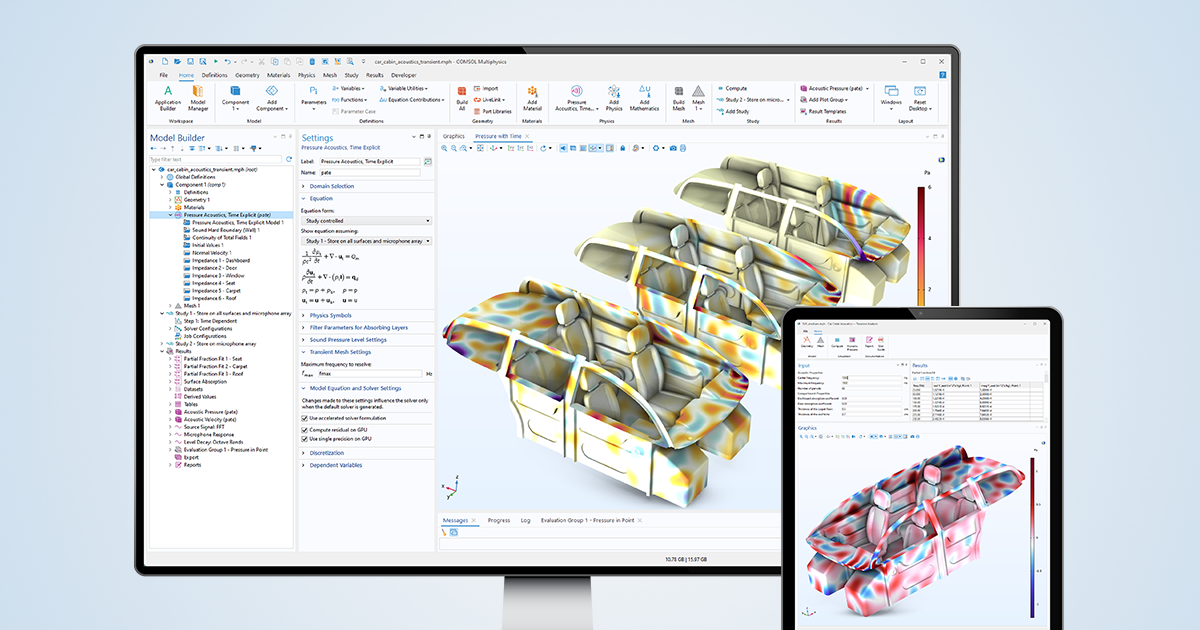
COMSOL Multiphysics is a general simulation platform for modeling the coupled physics behind devices, processes and systems across many industries. Someone would pick it over DeepSim, Inc. when they need broad multiphysics coverage across fields like electromagnetics, structural mechanics, fluid flow and heat transfer, rather than an AI physics simulator aimed at chip design.
Where it is strong
- Add-on modules cover electromagnetics, structural mechanics, acoustics, fluid flow, heat transfer and chemical engineering
- Same user interface regardless of the physics being modeled
- LiveLink products connect directly to CAD and other third-party software
Where it falls short
- Its site describes a general modeling platform, not AI chip design, so chip-specific workflows are not shown
- Some capabilities depend on separate add-on modules
- Pricing:
- Pricing is not published on the site.
- SNot published
3.SimScale
Best for: Mechanical and thermal product teams that want browser-based CFD and FEA shared across design engineers
- Pricing
- Not published
- Category
- Other
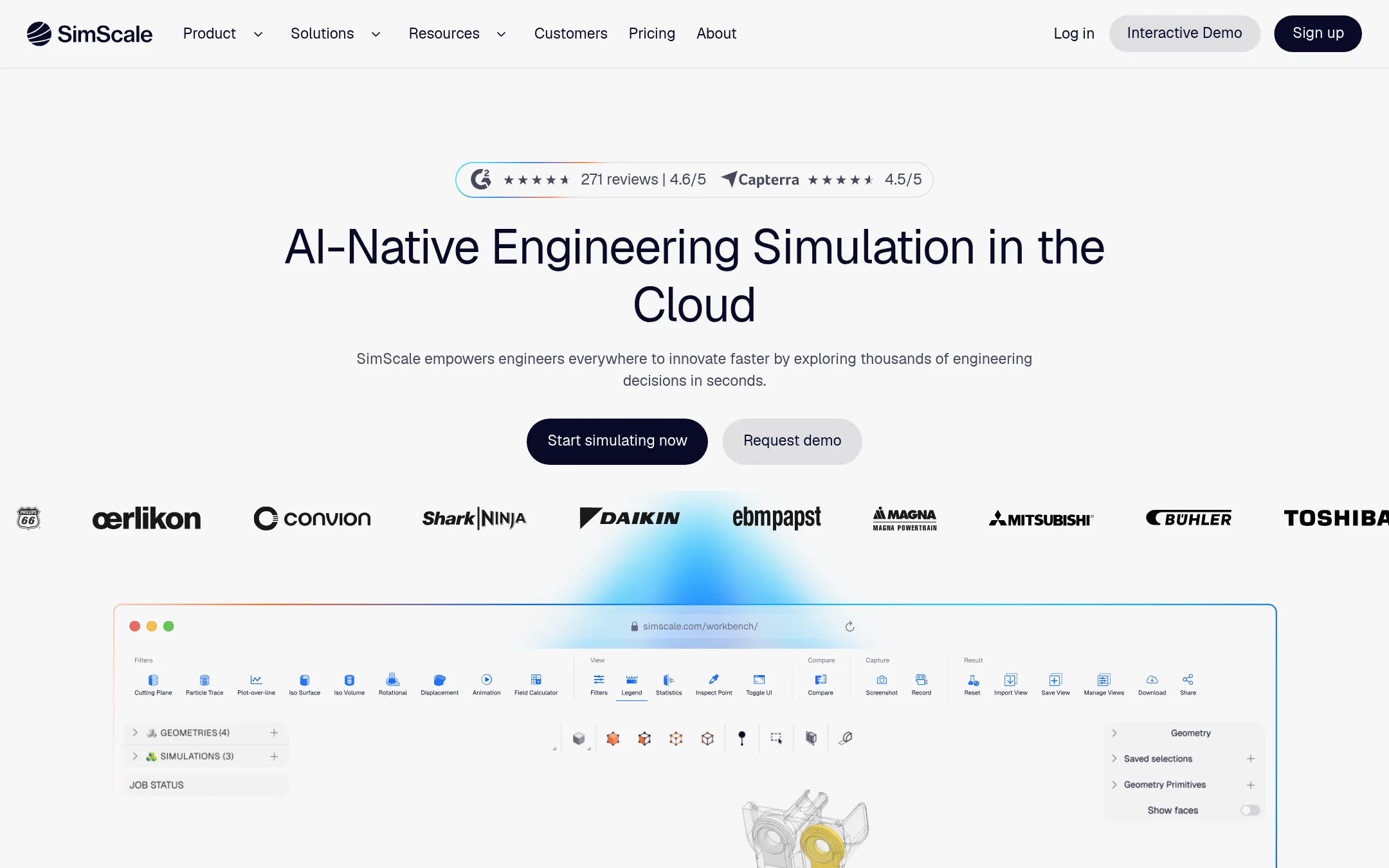
SimScale is a cloud-based engineering simulation platform covering CFD, FEA, thermal and electromagnetics, run from a browser with no local hardware. Choose it over DeepSim, Inc. if your work is general mechanical, thermal or fluid analysis across a product team and you want simulation for many design variants without buying compute. Its AI features are tied to structural, thermal and flow simulation rather than chip design.
Where it is strong
- Runs CFD, FEA, thermal and electromagnetic simulations in a browser with cloud compute
- Offers a free Community plan with up to 10 simulations for testing and learning
- Connects to many CAD systems, including SolidWorks, Fusion, Creo and Onshape
Where it falls short
- Quantitative results on the free Community plan are limited to the simulation cap
- Mechanical, Professional and Enterprise plans are custom-priced and need a quote
- Pricing:
- Pricing is not published on the site.
- Not published
4.Altair PBS Cloud
Best for: Engineering teams that already run large simulation workloads and need to manage HPC or cloud compute resources

- Pricing
- Not published
- Category
- Developer Tools
Altair PBS Cloud is a high-performance computing and cloud platform that handles workload management for simulation jobs, now part of Siemens' Xcelerator portfolio. Pick it over DeepSim, Inc. when your problem is running and scheduling many simulation workloads across HPC or cloud infrastructure, rather than getting fast multi-scale physics results for AI chip design.
Where it is strong
- Covers HPC and cloud workload management alongside simulation tooling
- Sits within the Siemens Xcelerator portfolio with integrated simulation products
- Offers free trials and a learning and training catalog
Where it falls short
- The site describes a broad platform, so it is less focused on AI chip physics than DeepSim, Inc.
- Support has moved to the Siemens Support Center, which may add migration steps for existing users
- Pricing:
- Pricing is not published on the site.
- Switching from DeepSim, Inc.:
- Existing Altair customers are being migrated to the Siemens Support Center and product lines are being folded into Siemens platforms, so moving from DeepSim, Inc. would involve onboarding to that setup.
- ANot published
5.Autodesk Construction Cloud
Best for: General contractors and owners who need one platform for documents, bids, BIM coordination and project management
- Pricing
- Not published
- Category
- Productivity & Project Management
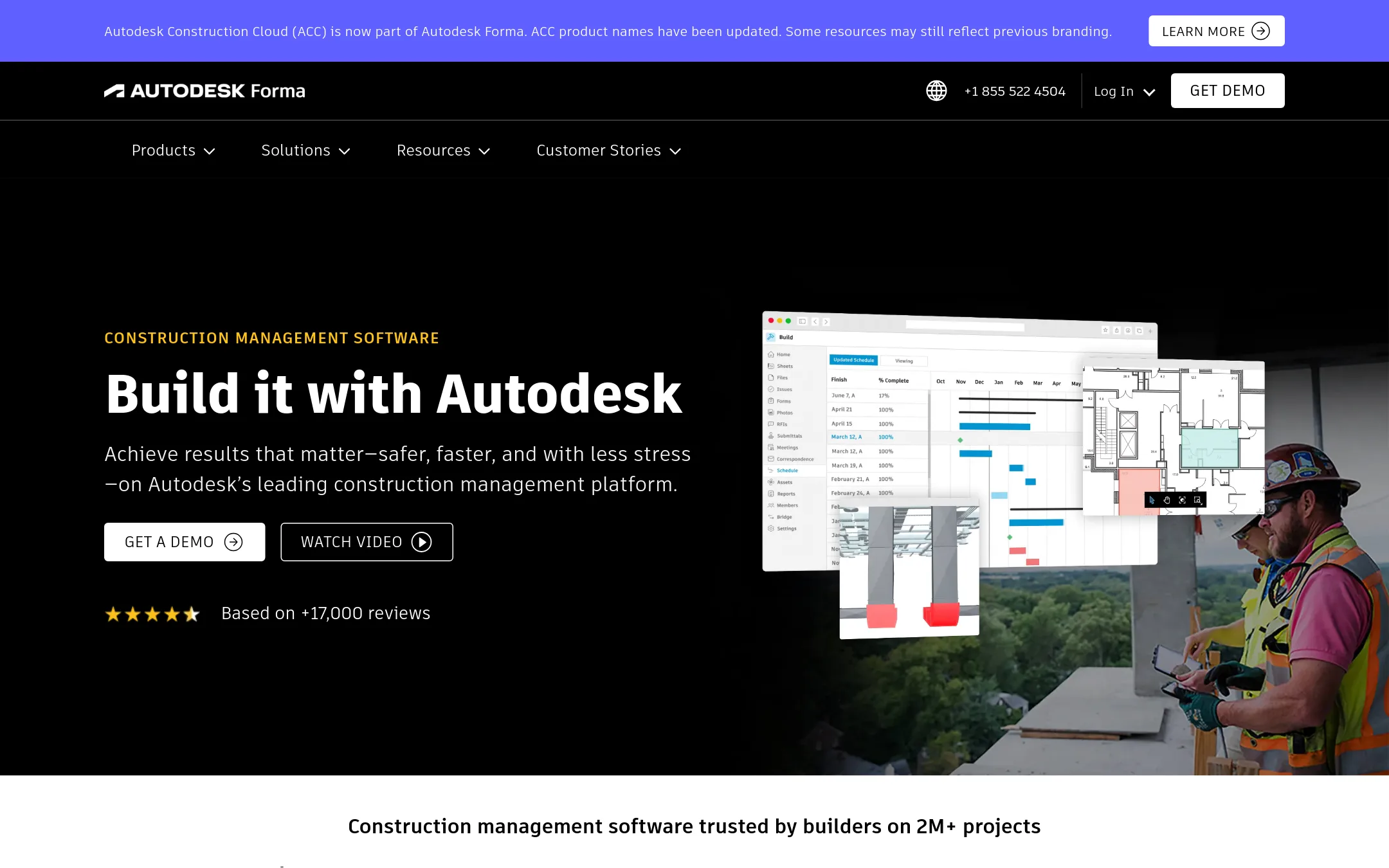
Autodesk Construction Cloud, now called Autodesk Forma, is a construction management platform for general contractors, specialty contractors and owners. It covers document management, bid management, model coordination and project management. A team would pick it over DeepSim, Inc. when the job is running a building project from design to closeout, not simulating chip or physics behavior.
Where it is strong
- Covers design, bidding, build and operations in one platform
- Over 400 pre-built integrations with ERPs, CRMs and document tools
- Mobile access and a 30-day money-back guarantee
Where it falls short
- Built for construction project management, not physics or chip simulation
- Pricing is not published, so a quote is needed before comparing costs
- Pricing:
- Pricing is not published on the site.
- MNot published
6.Monolith AI
Best for: Automotive, aerospace and motorsport engineering teams that run physical tests and want to reduce test plans and catch data errors

- Pricing
- Not published
- Category
- Other
Monolith builds notebook-style AI tools that learn from engineering test data, helping teams predict design performance and cut physical testing. Pick it over DeepSim, Inc. if your problem is test data itself, such as finding sensor errors across hundreds of channels or trimming a test plan, rather than simulating physics for chip design.
Where it is strong
- Notebook interface built for domain experts rather than data scientists
- Anomaly detector that flags errors across hundreds of test data channels
- Claims test plans can shrink by up to 70% by running only the most important tests
Where it falls short
- Built around test data, so it does not replace a physics simulator for chip design
- The site does not describe nano-scale or chip-level simulation capability
- Pricing:
- Pricing is not published on the site.
See more comparisons in AI & Machine Learning alternatives.
FAQ
Questions about DeepSim, Inc. alternatives
What is DeepSim, Inc.?
DeepSim, Inc. is an AI physics simulator for AI chip design. Its site says it offers multi-scale physics simulation from nano to macro scale, with speed gains of up to 1000X over conventional approaches.
Which alternative is best for broad multiphysics modeling?
COMSOL Multiphysics is built for modeling coupled physics such as electromagnetics, structural mechanics, fluid flow and heat transfer across many industries. Its add-on modules and shared interface suit teams that need more than one physics domain. Some capabilities depend on separate add-ons.
Which alternative works best for a team that runs simulations in the browser?
SimScale runs CFD, FEA, thermal and electromagnetic simulations in a browser with cloud compute, so no local hardware is needed. It offers a free Community plan with up to 10 simulations. Its higher plans are custom-priced.
Are prices published for these alternatives?
Most of the listed alternatives do not publish pricing on their sites, so a quote is needed to compare costs. SimScale's Community plan is free, but its other plans require a quote.
Do any alternatives focus on test data rather than physics simulation?
Monolith AI builds notebook-style AI tools that learn from engineering test data to predict design performance and reduce physical testing. It is a fit for automotive, aerospace and motorsport teams that want to catch data errors or trim test plans, rather than a replacement for a physics simulator.
Last updated November 26, 2026.