
Dime alternatives
6 products compared · Updated November 20, 2026
The short answer
The strongest alternatives to Dime are Luma Health, Phreesia and Notable Health. Luma Health suits health systems and large clinic groups that want AI to handle patient calls, outreach and payments alongside referral intake. Phreesia suits independent practices, specialty groups and health systems that need to fix check-in, copay collection and scheduling calls at the front desk. Notable Health suits health systems and provider groups that want AI agents across patient access, revenue cycle and care gap work.
Your shortlist, at a glance
Read the comparisons ↓ PhreesiaCustom quoteIndependent practices, specialty groups and health systems that want to fix check-in, copay collection and scheduling calls at the front desk
- NNotable HealthNot publishedHealth systems and provider groups that want AI agents across patient access, revenue cycle and care gap work, not only referral intake.
- IInfinitusCustom quotePharma and health teams that need AI agents to handle payor calls, patient copay questions and billing support at volume
 AvailityNot publishedHealth IT vendors and large providers that need one connection to payers for eligibility, authorizations and claims across the U.S.
- EExperitySee websiteOther
 Luma HealthNot publishedHealth systems and large clinic groups that want AI to handle patient calls, outreach and payments alongside referral intake
About Dime and its alternatives
Dime is a healthcare intake platform that automates administrative work at clinics. According to its site, it turns referrals into scheduled visits in about 20 minutes. It classifies inbound documents, creates orders, fulfills record requests, prepares and submits prior authorizations, and answers patient calls to book appointments.
When comparing alternatives in this category, weigh the scope of the product first. Some tools focus on referral and authorization workflows, while others focus on the front desk, patient calls or payor calls. Check how each vendor prices its product, since several do not publish prices and rely on quotes. Also check which regions and EHR or practice management systems each one integrates with, how long onboarding takes, and what the contract terms require.
Explore the alternatives
- Custom quote
1.Phreesia
Best for: Independent practices, specialty groups and health systems that want to fix check-in, copay collection and scheduling calls at the front desk
- Pricing
- Custom quote
- Category
- Healthcare
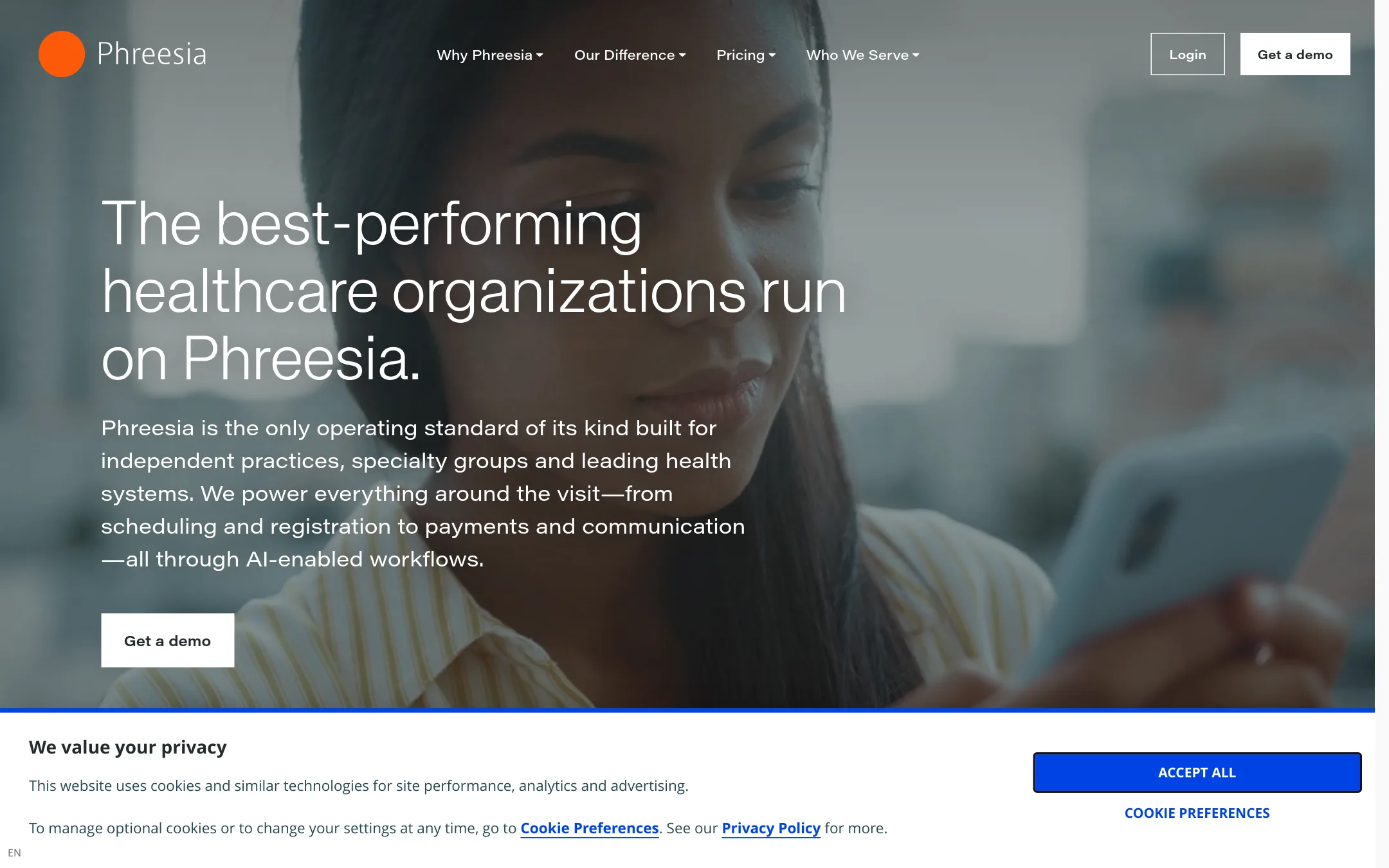
Phreesia is patient intake software for practices and health systems. It covers registration, eligibility checks, copay collection and patient self-check-in, and it has added a voice agent for inbound and outbound calls. A clinic would choose it over Dime when its main problem is at the front desk and the visit itself, rather than the referral and authorization work that comes before the visit.
Where it is strong
- Covers check-in, registration, eligibility and payments in one platform
- Lists integrations with many leading EHRs, with bidirectional links
- Includes a voice agent that handles calls and outbound tasks like recall and refills
Where it falls short
- Pricing depends on a custom quote, so you cannot compare costs before a sales conversation
- The site does not describe referral intake, document classification or prior authorization workflows the way Dime does
- Pricing:
- Pricing is not published on the site.
- NNot published
2.Notable Health
Best for: Health systems and provider groups that want AI agents across patient access, revenue cycle and care gap work, not only referral intake.
- Pricing
- Not published
- Category
- Other
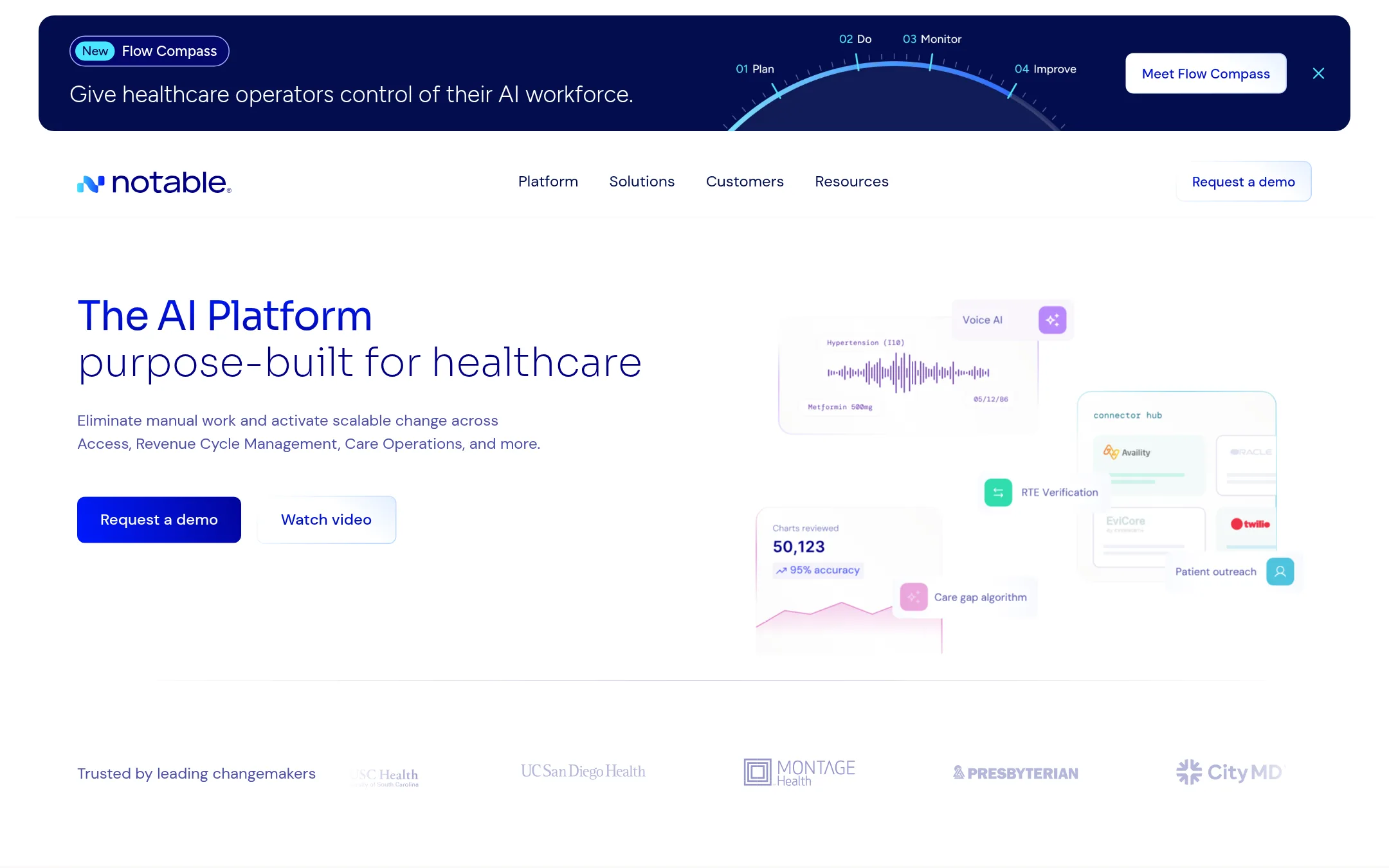
Notable Health is an AI platform built for healthcare operations, with AI agents covering patient access, revenue cycle work, and care operations. Teams choose it over Dime when the bigger pain is revenue leakage, copay collection, or care gap closure rather than referral intake alone. Its homepage leans heavily on contact center volume, prior authorizations, and risk adjustment.
Where it is strong
- Covers patient access, revenue cycle and care operations in one platform
- Publishes specific outcome figures such as a 57% containment rate and 25k+ calls handled since launch
- Includes automated copay estimation and collection with real-time eligibility verification
Where it falls short
- The homepage does not describe referral-to-visit intake in the detail Dime does
- Pricing and onboarding timelines are not published, so cost and setup effort are hard to judge from the site
- Pricing:
- Pricing is not published on the site.
- ICustom quote
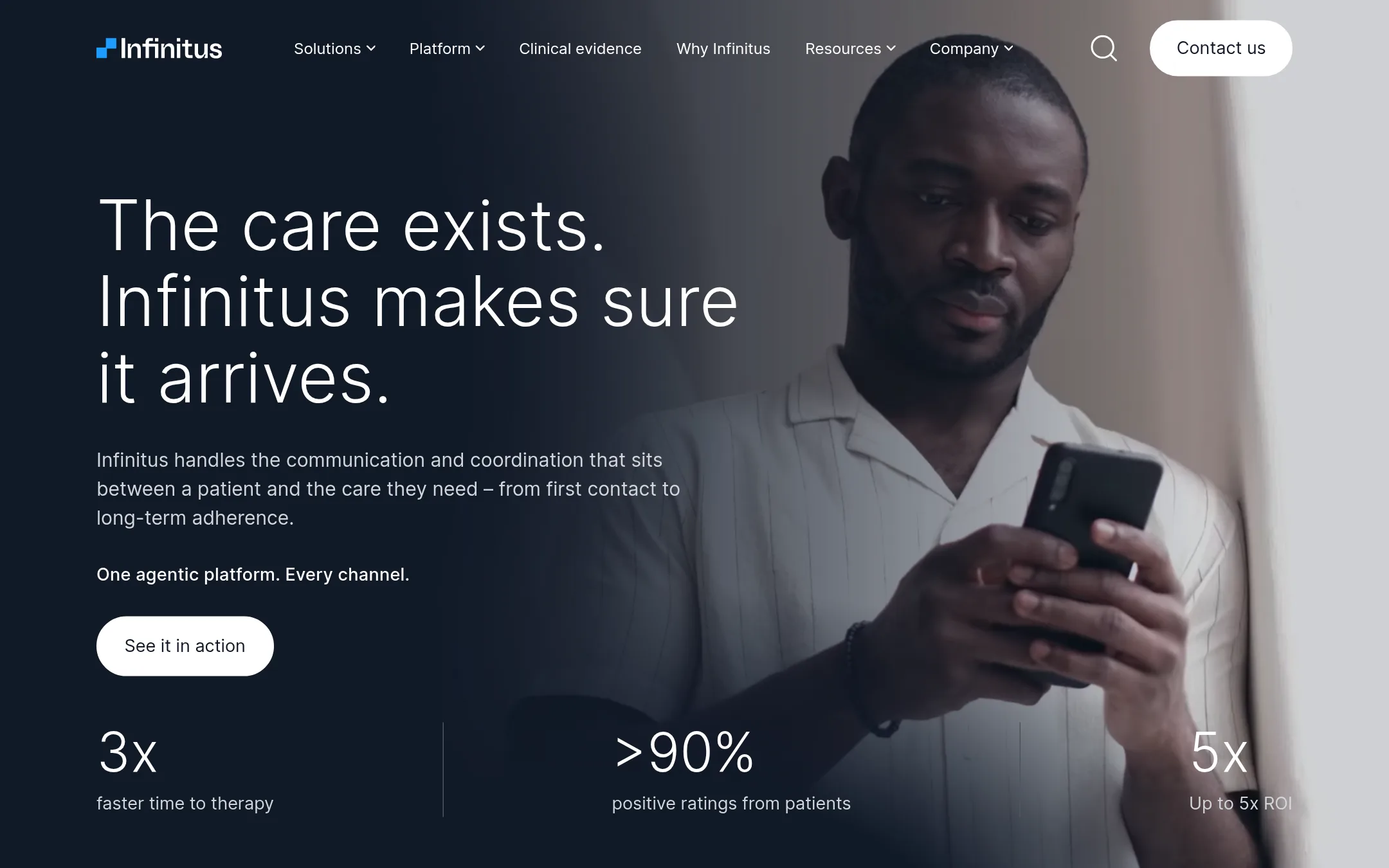
3.Infinitus
Best for: Pharma and health teams that need AI agents to handle payor calls, patient copay questions and billing support at volume
- Pricing
- Custom quote
- Category
- Other
Infinitus runs AI agents that make the phone calls and handle the coordination between patients, payors and providers, including inbound patient calls about copays and billing. A team would pick it over Dime when the bottleneck is voice work such as payor calls, benefits checks and patient support, rather than document intake and referral routing.
Where it is strong
- Handles outbound payor calls and inbound patient calls in one agentic platform
- Covers financial and copay support as well as member and billing questions
- Offers an AI copilot that helps staff get past IVR systems and hold times
Where it falls short
- Its focus is voice and coordination, so it does not match Dime's document intake and referral workflow
- Pricing depends on volume and contract terms, so costs are hard to estimate before a sales conversation
- Pricing:
- Pricing is not published as fixed figures. The site describes annual platform and license fees combined with per-task or per-minute usage, or a subscription, with quotes on request.
- Not published
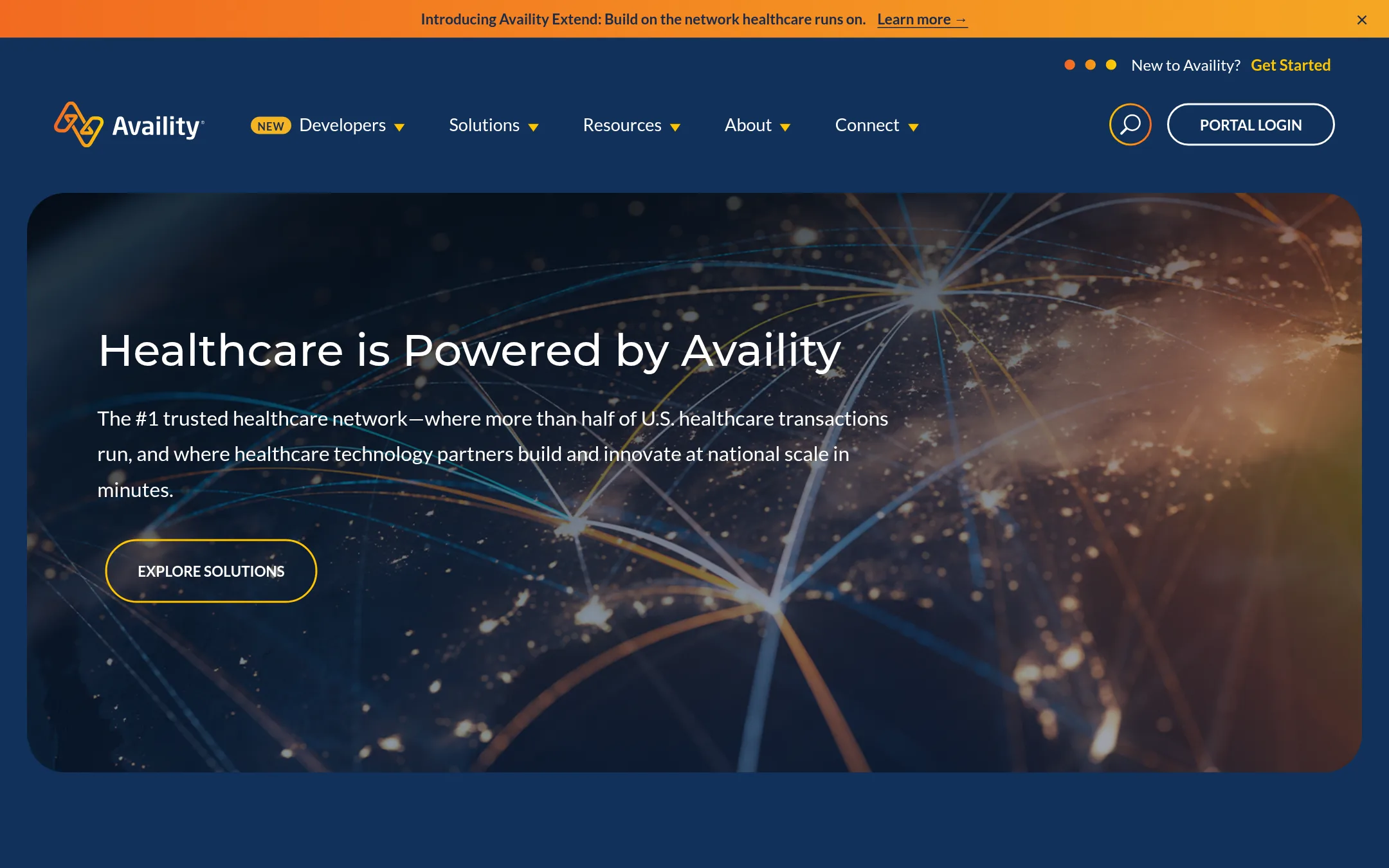
4.Availity
Best for: Health IT vendors and large providers that need one connection to payers for eligibility, authorizations and claims across the U.S.
- Pricing
- Not published
- Category
- Healthcare
Availity is a national healthcare transaction network where payers, providers and health IT vendors exchange eligibility, authorization, claims and payment data. A clinic would pick it over Dime when the main need is connectivity to payers at scale, or when a health IT vendor wants to build on a shared network rather than run a front-desk intake and scheduling platform.
Where it is strong
- Connects to a large share of U.S. healthcare transactions through one network
- Covers eligibility, authorizations, claims and payments in the same platform
- Offers APIs for healthcare technology companies to build on its network
Where it falls short
- Does not answer patient calls or book appointments the way Dime does
- Aimed at payers, providers and vendors, so a single small clinic may find it heavier than it needs
- Pricing:
- Pricing is not published on the site.
- ESee website
5.Experity
Other
Offers patient scheduling and front-office workflow tools for clinics, a fair alternative for practices seeking intake automation.
- Not published
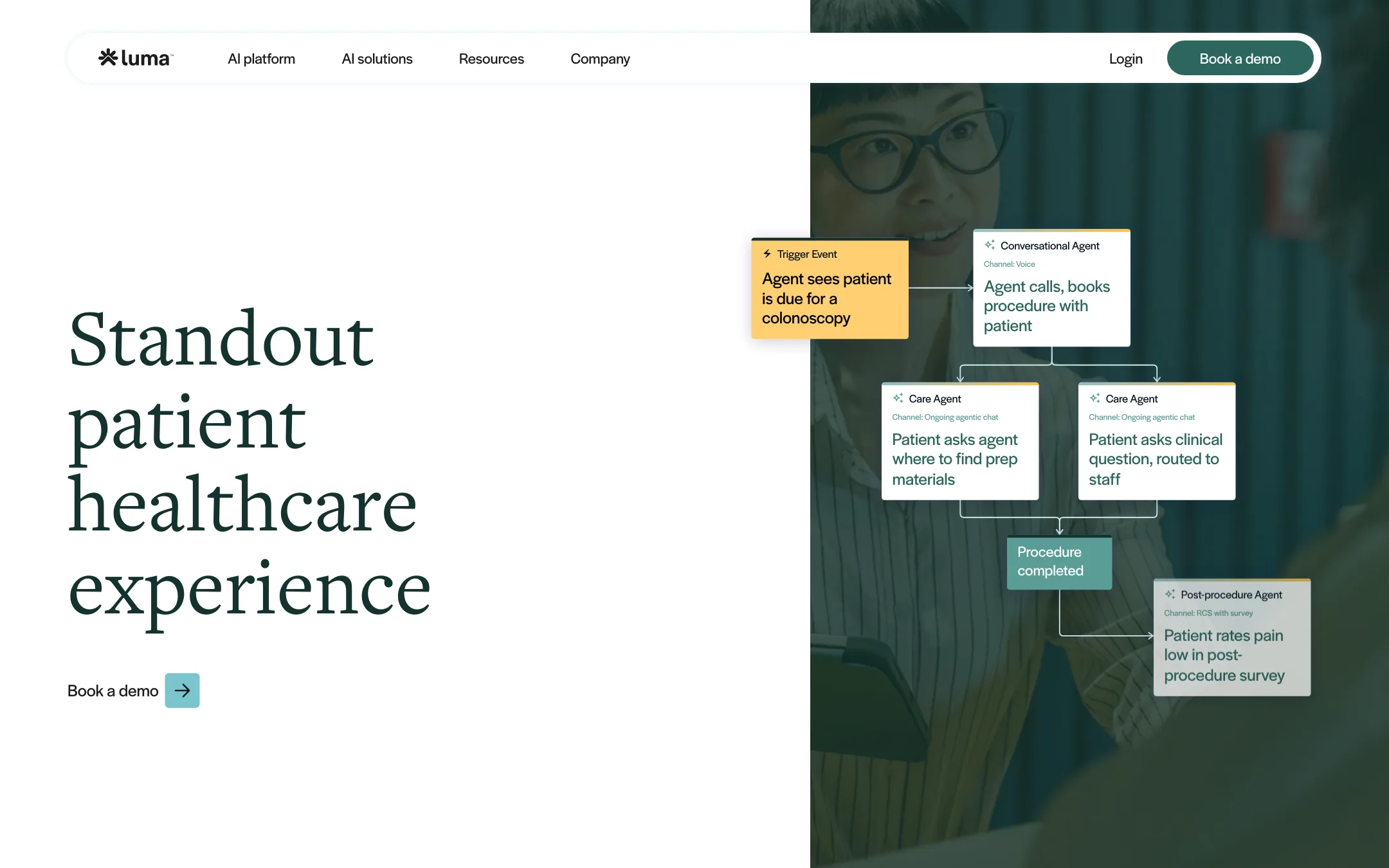
6.Luma Health
Best for: Health systems and large clinic groups that want AI to handle patient calls, outreach and payments alongside referral intake
- Pricing
- Not published
- Category
- Healthcare
Luma Health runs patient access for health systems. It uses AI agents for voice, SMS, web chat and Google to book visits, check eligibility, collect copays and work referrals and faxes, and it writes results back to the EHR. A health system with heavy call volume, fax backlogs and a need for patient-facing outreach, such as recalls and care-gap closure, would pick Luma over Dime, which focuses more narrowly on turning referrals into visits.
Where it is strong
- Native EHR partner integrations with NextGen, Nextech, Greenway and PCC
- Covers patient acquisition, scheduling, intake, payments and recalls in one platform
- Case studies from named health systems report staff time savings and reduced fax work
Where it falls short
- Broader scope than Dime, so it may be more than a team needs if the goal is only referral intake
- Pricing is not published, so cost has to come from a sales conversation
- Pricing:
- Pricing is not published on the site.
See more comparisons in Healthcare alternatives.
FAQ
Questions about Dime alternatives
What does Dime do?
According to its site, Dime automates administrative busywork at healthcare clinics. It processes inbound referrals, creates orders, prepares and submits prior authorizations, and answers patient calls to book visits. The site says it can turn a referral into a scheduled visit in about 20 minutes.
Which alternative is best for a health system with heavy call volume?
Luma Health is the best fit for a health system that wants AI to handle patient calls, outreach, payments and referral work together. Its platform covers scheduling, intake, recalls and payments, and it lists native integrations with several EHRs. Pricing is not published, so cost has to come from a sales conversation.
Which alternative focuses on the front desk and check-in?
Phreesia is built for patient intake, covering registration, eligibility checks, copay collection and self check-in. It also has a voice agent for inbound and outbound calls. It is a stronger match than Dime when the main problem is at the front desk and the visit itself, rather than the referral work that comes before it.
Are the prices for these tools published?
In most cases, no. Luma Health, Phreesia and Notable Health do not publish pricing on their sites, and Availity does not either. Infinitus describes a mix of platform fees, usage charges and subscriptions, with quotes on request. Expect to get pricing through a sales conversation for most options.
Which alternative is better for payor calls and billing support?
Infinitus is built for voice work, with AI agents that make outbound payor calls and handle inbound patient questions about copays and billing. It suits pharma and health teams that need call volume handled. Its focus is voice and coordination, so it does not replace Dime's document intake and referral routing.
Last updated November 20, 2026.