
Elasticsearch alternatives
12 products compared · 2026
Your shortlist, at a glance
Read the comparisons ↓ AlgoliaSee websiteA developer-friendly and enterprise-grade search API.
 InfluxDataSee websiteThe platform for building and operating time series applications.
 MezmoSee websiteObservability platform to control all of your log data
 SigNozSee websiteOpen source alternative to DataDog
  SwiftypeSee websiteAI & Machine Learning
 Apache DruidSee websiteHigh performance real-time analytics database for sub-second queries at scale.
 ClickHouseSee websiteFast open-source OLAP database for real-time analytics at petabyte scale.
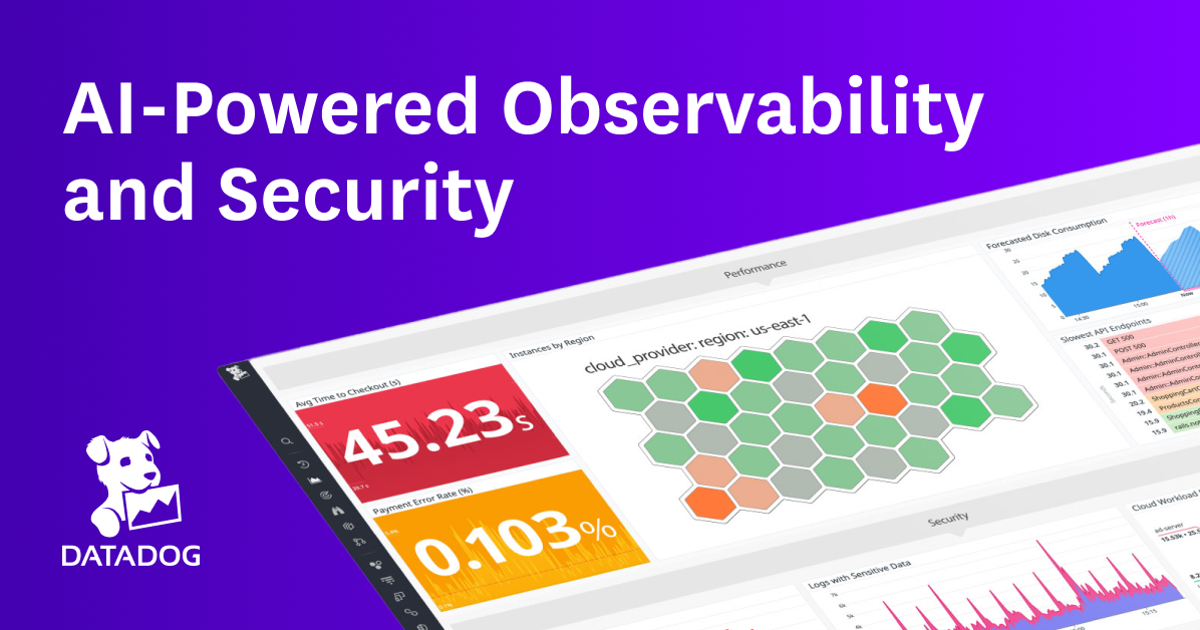 DatadogSee websiteAnalytics & Data
 DynatraceSee websiteObservability built for the age of AI with unified monitoring, security, and automation.
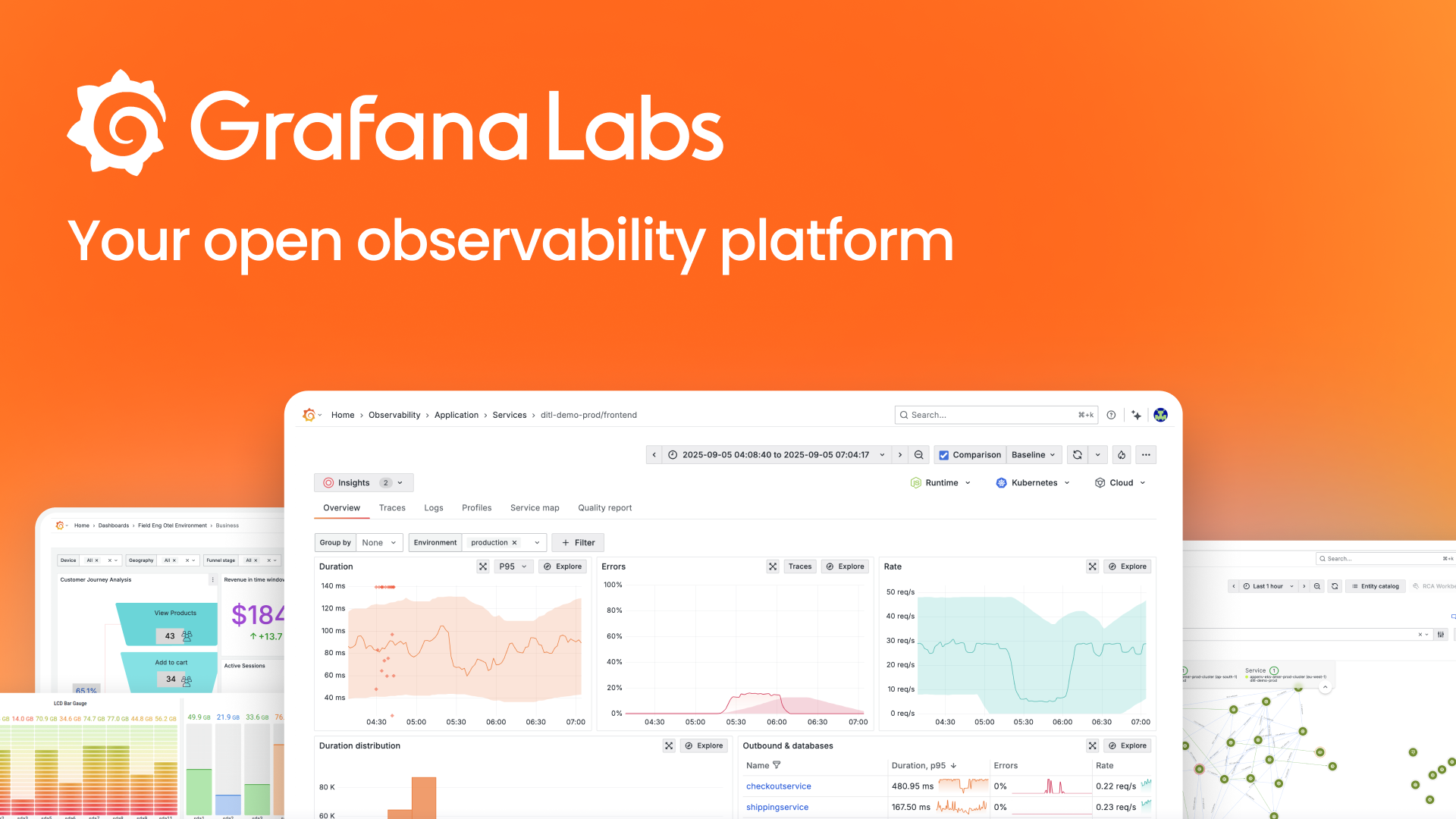 Grafana LabsSee websiteFull-stack observability with actually useful AI on open standards
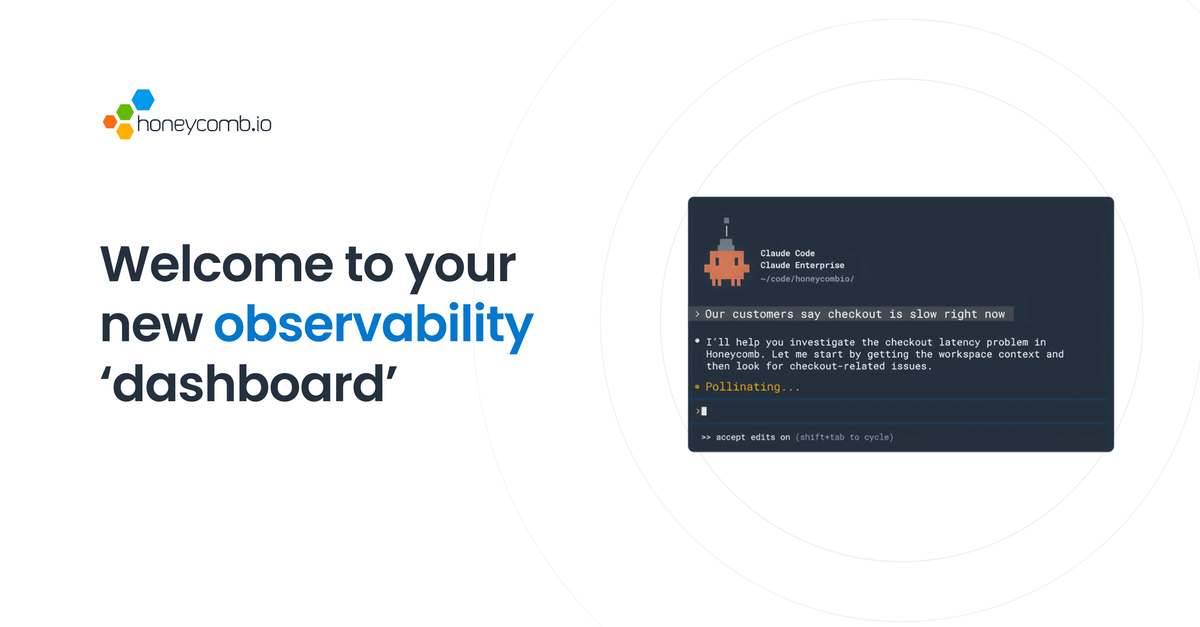 HoneycombSee websiteAnalytics & Data
 New RelicSee websiteAI-powered observability that predicts, protects, and resolves issues at scale.
About Elasticsearch and its alternatives
Users searching for Elasticsearch alternatives often need a search or analytics platform that handles large-scale data, vector embeddings, logs, and security use cases without the operational overhead of managing clusters. Elasticsearch excels at real-time search, AI context retrieval, and unified observability, but teams evaluate competitors when they want simpler managed services, different pricing structures, or specialized strengths in ecommerce relevance, endpoint security, or log analytics. Alternatives range from open-source forks and lightweight search engines to full-stack observability or SIEM platforms. Key decision factors include vector search quality, query speed at scale, integration with AI models, total cost of ownership, and whether a fully managed cloud or self-hosted deployment is preferred. This page compares popular options across features, pricing, and ideal use cases to help you choose the right fit.
Explore the alternatives
- See website
1.Algolia
AI & Machine Learning
A developer-friendly and enterprise-grade search API.
- See website
2.InfluxData
Analytics & Data
The platform for building and operating time series applications.
- See website
3.Mezmo
Analytics & Data
Observability platform to control all of your log data
- See website
4.SigNoz
Analytics & Data
Open source alternative to DataDog
- See website
5.Swiftype
AI & Machine Learning
- See website
6.Apache Druid
Analytics & Data
High performance real-time analytics database for sub-second queries at scale.
- See website
7.ClickHouse
Analytics & Data
Fast open-source OLAP database for real-time analytics at petabyte scale.
- See website
8.Datadog
Analytics & Data
- See website
9.Dynatrace
Analytics & Data
Observability built for the age of AI with unified monitoring, security, and automation.
- See website
10.Grafana Labs
Analytics & Data
Full-stack observability with actually useful AI on open standards
- See website
11.Honeycomb
Analytics & Data
- See website
12.New Relic
Analytics & Data
AI-powered observability that predicts, protects, and resolves issues at scale.
See more comparisons in Analytics & Data alternatives.
FAQ
Questions about Elasticsearch alternatives
What are the best Elasticsearch alternatives for vector search and RAG applications?
For vector search and retrieval-augmented generation, strong alternatives include OpenSearch with its neural search plugins, Pinecone for managed vector databases, and Weaviate or Qdrant when you need open-source options focused purely on embeddings and similarity search rather than full-text plus analytics.
How does Elasticsearch pricing compare to managed alternatives like Algolia or Typesense?
Elasticsearch offers a free self-managed tier and paid Elastic Cloud plans with usage-based serverless options. Algolia uses a subscription model based on records and operations, while Typesense provides simpler open-source or cloud hosting at lower cost for smaller teams that do not need the full observability and security stack.
Is OpenSearch a true drop-in replacement for Elasticsearch?
OpenSearch is a community-driven fork that maintains API compatibility for many search and analytics workloads. It lacks some Elastic-proprietary features like certain ML jobs, curated security analytics, and the latest Jina AI integrations, but offers similar core distributed search at no licensing cost for self-managed deployments.
Which Elasticsearch alternative is best for ecommerce search and relevance tuning?
Algolia and Search.io are frequently chosen for ecommerce because they provide out-of-the-box relevance controls, merchandising, and analytics dashboards. Elasticsearch can match or exceed them on scale and customization but requires more engineering effort to reach the same relevance and A/B testing experience.
Can I replace the Elastic Stack with Datadog or Splunk for observability?
Datadog and Splunk excel at metrics, APM, and log analytics with polished UIs and alerting. They integrate vector search less deeply than Elasticsearch and usually cost more at high ingest volumes, making them better when you prioritize ease of use over deep custom search and security analytics.
What are the top open-source alternatives to self-managed Elasticsearch?
OpenSearch, Apache Solr, and Meilisearch are the leading open-source choices. OpenSearch offers the closest feature parity for logs and vectors, Solr remains strong for complex full-text use cases, and Meilisearch provides simpler setup and excellent out-of-the-box relevance for smaller datasets.