
Keystone alternatives
6 products to explore · 2026
Your shortlist, at a glance.
Read the comparisons ↓| Product | Pricing | Explore |
|---|---|---|
 WebinyOpen-source framework for building serverless applications WebinyOpen-source framework for building serverless applications | See website | Compare |
 ContentfulContent that scales. Experiences that convert. ContentfulContent that scales. Experiences that convert. | See website | Compare |
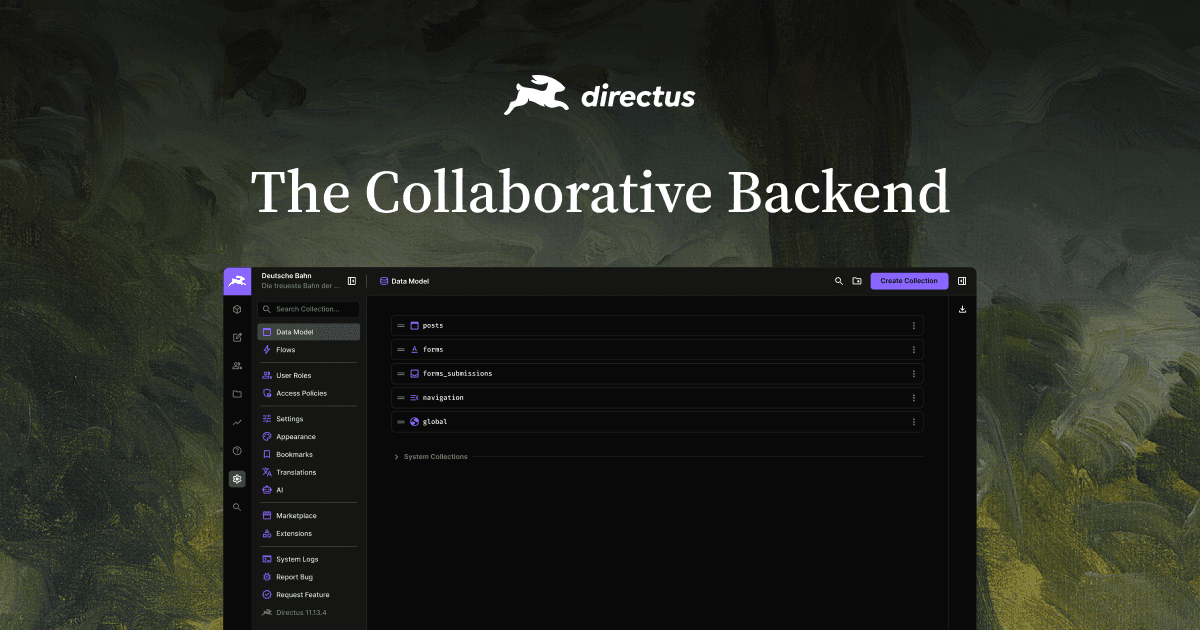 DirectusDevelopment & IT DirectusDevelopment & IT | See website | Compare |
 Payload CMSOpen-source Next.js headless CMS and app framework for developers and teams. Payload CMSOpen-source Next.js headless CMS and app framework for developers and teams. | See website | Compare |
 SanityThe Content Operating System for the AI era SanityThe Content Operating System for the AI era | See website | Compare |
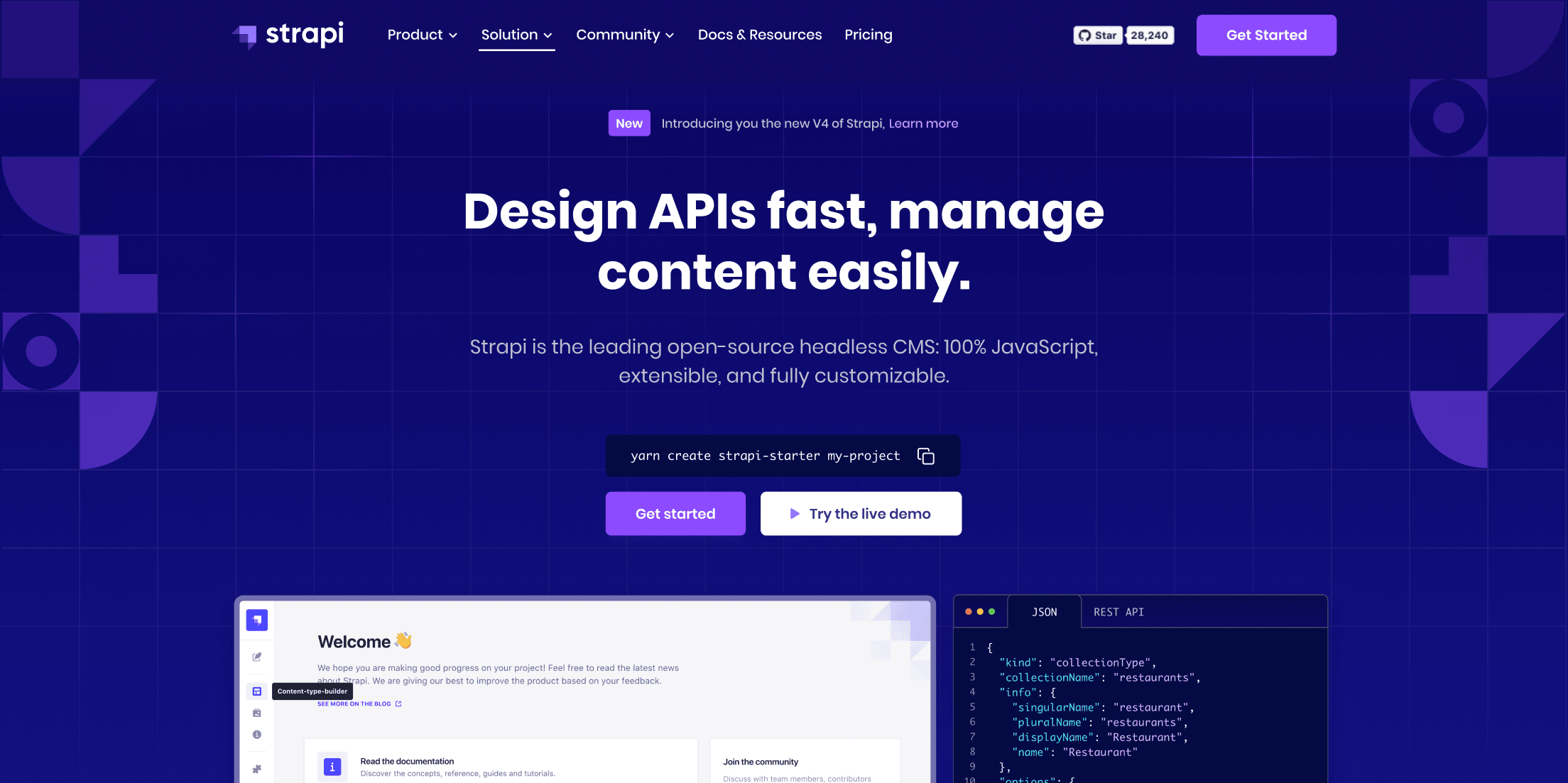 StrapiOpen-Source TypeScript Headless CMS for Next.js, Astro, Tanstack Start, and Nuxt.js StrapiOpen-Source TypeScript Headless CMS for Next.js, Astro, Tanstack Start, and Nuxt.js | See website | Compare |
Check each product’s website for current pricing and features. A verified badge indicates a verified listing, not a ranking.
About Keystone and its alternatives
Developers searching for Keystone alternatives often want an open source Node.js headless CMS that delivers a programmable GraphQL API without boilerplate or vendor lock-in. Keystone stands out by letting you define schema in code, instantly generating a typed API, admin UI, and migrations while supporting fine-grained access control and custom logic. If you need a backend that fits git workflows, deploys anywhere, and scales on your terms rather than forcing a hosted service or limited plugin ecosystem, Keystone remains a strong choice. Alternatives may offer different UI approaches or hosting models, but few match its seamless TypeScript integration and relational data handling for structured content projects.
Explore the alternatives
1.Webiny
Development & ITOpen-source framework for building serverless applications
2.Contentful
Development & ITContent that scales. Experiences that convert.
3.Directus
Development & IT4.Payload CMS
Development & ITOpen-source Next.js headless CMS and app framework for developers and teams.
5.Sanity
Development & ITThe Content Operating System for the AI era
6.Strapi
Development & ITOpen-Source TypeScript Headless CMS for Next.js, Astro, Tanstack Start, and Nuxt.js
See more comparisons in Development & IT alternatives.
Questions about Keystone alternatives
Is KeystoneJS completely free for commercial projects?
Yes, Keystone is fully open source under an MIT-style license with no usage fees, though enterprise support is available separately from the core team.
How does Keystone handle custom business logic compared to other headless CMS?
Keystone lets you add custom queries, mutations, access rules, and hooks directly in your schema code, keeping everything in TypeScript without leaving your codebase.
Can I migrate from Keystone to another CMS later?
Because Keystone stores data in your own database via Prisma and exposes standard GraphQL, migrating content is straightforward compared to proprietary platforms.
Does Keystone require a specific hosting provider?
No, Keystone deploys to any Node.js environment including Digital Ocean, Heroku, Render, or custom infrastructure since the source of truth is your git repository.
What makes Keystone better for developers than traditional CMS options?
It eliminates boilerplate by generating CRUD, filters, and auth from schema definitions while staying fully programmable, unlike rigid admin panels or plugin-heavy alternatives.
Is Keystone suitable for large enterprise content models?
Yes, its relational fields, access control, and TypeScript safety scale well for complex structured content used by organizations with custom requirements.