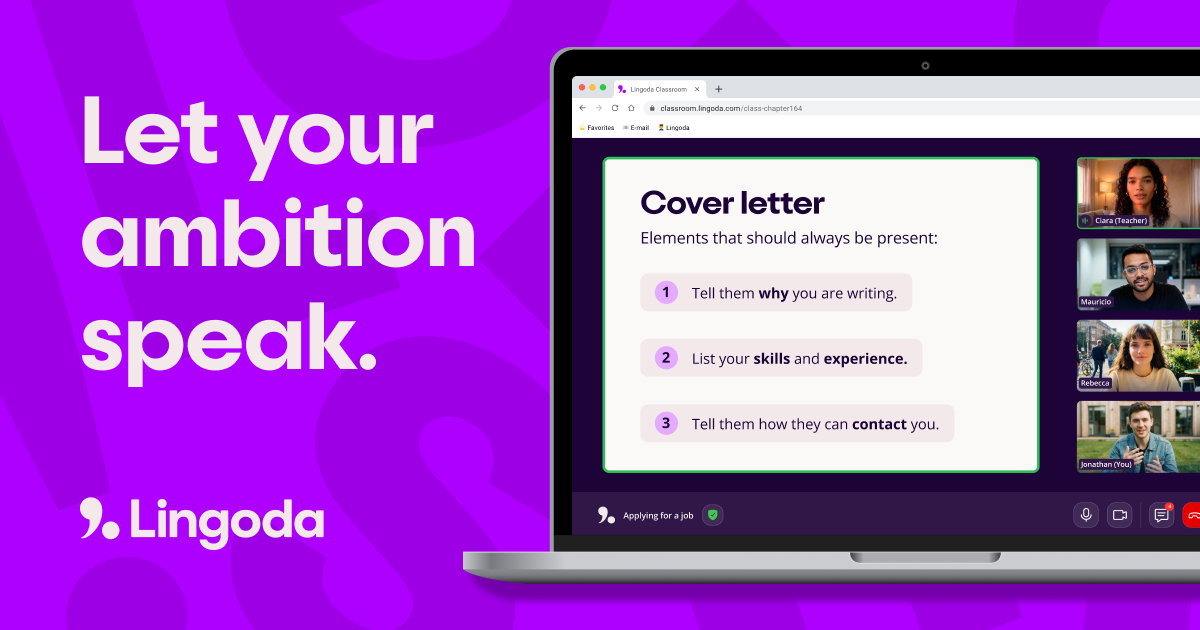
Lingoda alternatives
9 products to explore · 2026
Your shortlist, at a glance.
Read the comparisons ↓
Check each product’s website for current pricing and features. A verified badge indicates a verified listing, not a ranking.
About Lingoda and its alternatives
People searching for Lingoda alternatives usually want flexible live language instruction without high monthly fees or rigid schedules. Lingoda stands out for its certified teachers, small-group or private classes, and AI-enhanced reports that track progress against CEFR levels across German, French, Spanish, English and Italian. Alternatives range from fully self-paced apps to marketplace platforms connecting users with freelance tutors. Some focus on gamified vocabulary drills while others emphasize conversation practice or corporate training. When comparing options, consider whether you need structured curricula, live feedback, or simply affordable speaking time. Pricing models vary from free tiers with limited live access to subscription bundles or pay-per-lesson credits. Choosing the right platform depends on your target language, desired intensity, and whether you prefer fixed schedules or on-demand lessons that fit around work and travel.
Explore the alternatives

1.Cambly
EducationOn-demand access to English tutors over video chat.
2.Babbel
EducationLearn languages fast with practical conversation-focused lessons and proven methods.

3.Busuu
EducationLearn languages online with expert courses and a global speaking community.

4.Duolingo
EducationDuolingo is the world
5.HelloTalk
EducationLearn languages for free by chatting with native speakers worldwide

6.Preply
EducationLearn languages online with personalized 1-on-1 tutors and flexible scheduling.
7.Rosetta Stone
EducationLearn languages immersively with Dynamic Immersion and TruAccent speech feedback.

8.Verbling
EducationLanguage lessons with native teachers over video chat, anytime anywhere.

9.italki
EducationFlexible 1-on-1 language lessons with tutors worldwide, no subscriptions required.
See more comparisons in Education alternatives.
Questions about Lingoda alternatives
What is the best Lingoda alternative for learning German on a budget?
Budget-conscious learners often compare Lingoda with apps offering lower monthly fees or free tiers. Many alternatives provide self-paced lessons and basic speaking exercises but lack Lingoda’s live certified teachers and structured CEFR path, so progress may feel slower without scheduled accountability.
How does Lingoda compare to platforms with freelance tutors?
Unlike marketplaces where tutor quality varies, Lingoda employs only certified teachers and follows a single in-house curriculum. Freelance platforms may cost less per hour yet require more vetting time and offer fewer integrated progress reports than Lingoda’s AI tools.
Are there Lingoda alternatives focused on Business English?
Several competitors offer business-specific modules, but Lingoda’s Business English track aligns directly with CEFR levels up to B1 and includes live classes with workplace scenarios. Alternatives may emphasize self-study modules or generic conversation without the same level of teacher-led role-play.
Can I find a Lingoda alternative with unlimited live classes?
Lingoda caps classes according to subscription tier. Some competitors advertise unlimited group sessions or credit-based systems, yet these often involve larger classes or lower teacher certification standards compared with Lingoda’s small-group model.
Which Lingoda alternative works best for complete beginners?
Beginners benefit from Lingoda’s placement test and A1 start aligned to CEFR. Alternatives with heavy gamification can feel engaging initially but may skip foundational grammar that Lingoda’s curriculum covers systematically from day one.
Do any Lingoda alternatives combine live classes with strong mobile practice?
Lingoda pairs live lessons with an app containing tailored Lingobites and flashcards. A few competitors offer similar hybrid models, though their live components are usually smaller or less frequent than Lingoda’s weekly schedule.