
LogiSense alternatives
12 products compared · Updated November 1, 2026
The short answer
For most SaaS and digital businesses, Chargebee offers the best balance of flexible billing models and global payment integrations. If you need a full quote-to-cash suite with revenue recognition, Zuora is the strongest enterprise choice. For straightforward subscription billing with built-in dunning and revenue recognition, Fusebill (Stax Bill) is a solid, cost-effective option.
Your shortlist, at a glance
Read the comparisons ↓ StripeFrom 3.4% + $0.50Online businesses of any size that want payments, subscriptions, and payouts in one platform with global currency support.
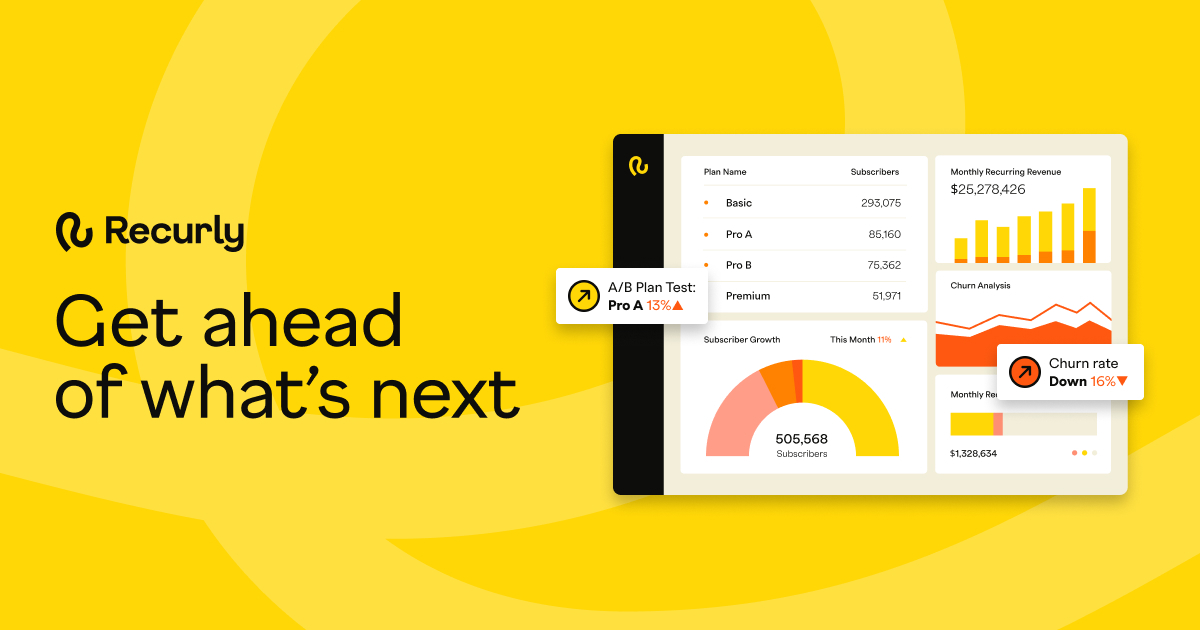 RecurlyFrom $249/mo + 0.9%Digital commerce and SaaS teams that run high-volume subscriptions and want a full-lifecycle platform with built-in retention and revenue recognition tools.
 ChargebeeNot publishedSaaS and AI companies that need flexible pricing models, global payments, and revenue recognition in one platform.
 ZuoraCustom quoteEnterprise SaaS and subscription businesses that need a full quote-to-cash suite with revenue recognition and AI-driven automation.
- SSAPNot publishedLarge enterprises already running SAP that need billing integrated with their broader ERP and AI-driven operations.
- OOracle Cloud HPCNot publishedTeams running HPC workloads on Oracle Cloud who need compute resources, not billing software.
- BBillforwardFrom 0.5% overageTeams that want API-first, headless subscription billing with usage-based pricing and no processor lock-in.
 BraintreeNot publishedOnline businesses that need a straightforward payment gateway with global reach and PayPal/Venmo support.
 ChargifyNot publishedB2B SaaS companies that need subscription billing plus revenue recognition and financial reporting in one platform.
 FusebillFrom $499/moSaaS and subscription businesses that want automated billing, dunning, and revenue recognition without complex usage-based pricing.
 Paddle5% + 50¢ per transactiSaaS companies selling globally that want a fully managed payment and tax solution without in-house billing complexity.
 SaaSOpticsFrom $599/moB2B SaaS companies that need strong revenue recognition and SaaS metrics reporting alongside subscription billing.
About LogiSense and its alternatives
LogiSense is a cloud-native billing platform for usage-based and subscription monetization. It is known for handling telecom-grade complexity, with contract-driven rating, real-time usage capture, and audit-ready invoices. The site emphasizes its ability to manage hybrid pricing models and enforce complex agreements without destabilizing revenue operations.
When comparing alternatives, weigh the pricing structure carefully. Some charge a percentage of billing volume, others a flat monthly fee, and some are transaction-based. Consider which regions and currencies you need, how deep the payment gateway integrations go, and whether the platform supports usage-based rating or only simple subscriptions. Also check contract terms, such as annual commitments and revenue caps, and whether support is included or sold separately.
Explore the alternatives
- From 3.4% + $0.50
1.Stripe
Best for: Online businesses of any size that want payments, subscriptions, and payouts in one platform with global currency support.
- Pricing
- From 3.4% + $0.50
- Category
- Finance & Accounting
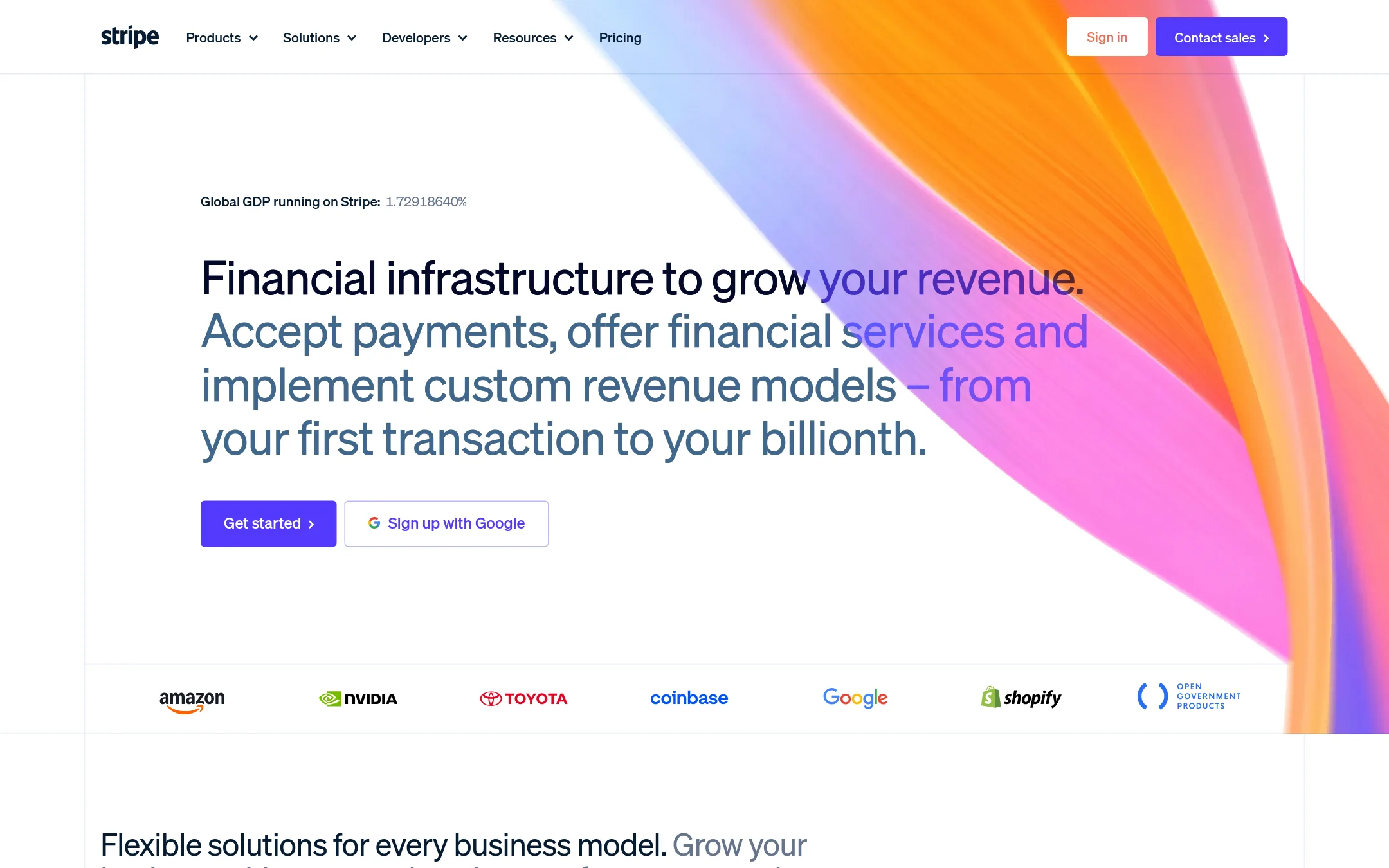
Stripe is a broad financial infrastructure platform that handles payments, billing, and money movement. You would choose it over LogiSense if you need a full payments stack with global reach and flexible billing models, rather than a specialized telecom-grade billing engine.
Where it is strong
- Handles payments, billing, and payouts in one platform.
- Supports 135+ currencies and payment methods globally.
- Strong uptime and scale, processing billions in transactions.
Where it falls short
- Pricing is transaction-based, which can get costly for high-volume usage billing.
- Less specialized for complex telecom-grade rating and contract enforcement than LogiSense.
- Pricing:
- In Singapore, standard card payments are 3.4% + $0.50 per successful transaction for domestic cards, with custom pricing available for higher volume.
- Switching from LogiSense:
- Moving from LogiSense to Stripe means rebuilding your billing logic around Stripe's subscription and usage APIs, which may require significant engineering effort.
- From $249/mo + 0.9%
2.Recurly
Best for: Digital commerce and SaaS teams that run high-volume subscriptions and want a full-lifecycle platform with built-in retention and revenue recognition tools.
- Pricing
- From $249/mo + 0.9%
- Category
- Finance & Accounting
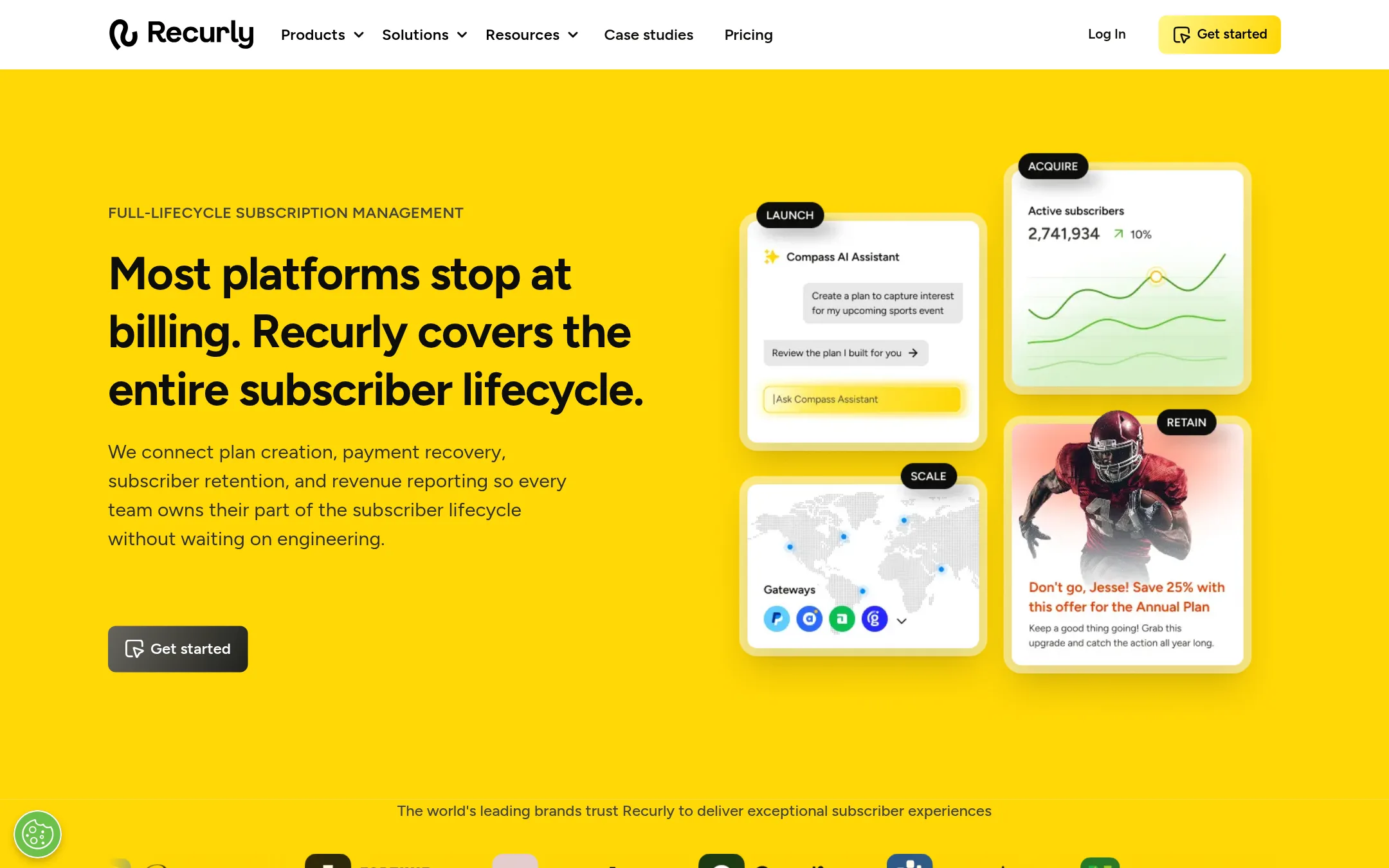
Recurly is a subscription management and recurring billing platform focused on high-volume digital commerce. It covers the full subscriber lifecycle, from plan creation to payment recovery and revenue reporting. Choose it over LogiSense if your business is primarily subscription-based and you need a platform that handles checkout, dunning, and retention without deep usage-based rating complexity.
Where it is strong
- Covers the entire subscriber lifecycle, not just billing.
- AI-powered insights and retention tools are built in.
- Supports 140+ currencies and multiple payment gateways.
Where it falls short
- Pricing requires a sales conversation for volume-based plans.
- Less suited for complex usage-based or hybrid monetization models.
- Pricing:
- Starter is $249 per month plus 0.9% of billing volume, with the first $40K of billings included each month. All-Access is as low as under 1% of billing volume, billed annually, with a $1M billing volume minimum. Engage is $1,600 per month billed annually, and
- Switching from LogiSense:
- Moving from LogiSense to Recurly would involve migrating subscription plans and customer data, but Recurly's focus on subscriptions means you may need to handle usage-based rating separately.
- Not published
3.Chargebee
Best for: SaaS and AI companies that need flexible pricing models, global payments, and revenue recognition in one platform.
- Pricing
- Not published
- Category
- Finance & Accounting
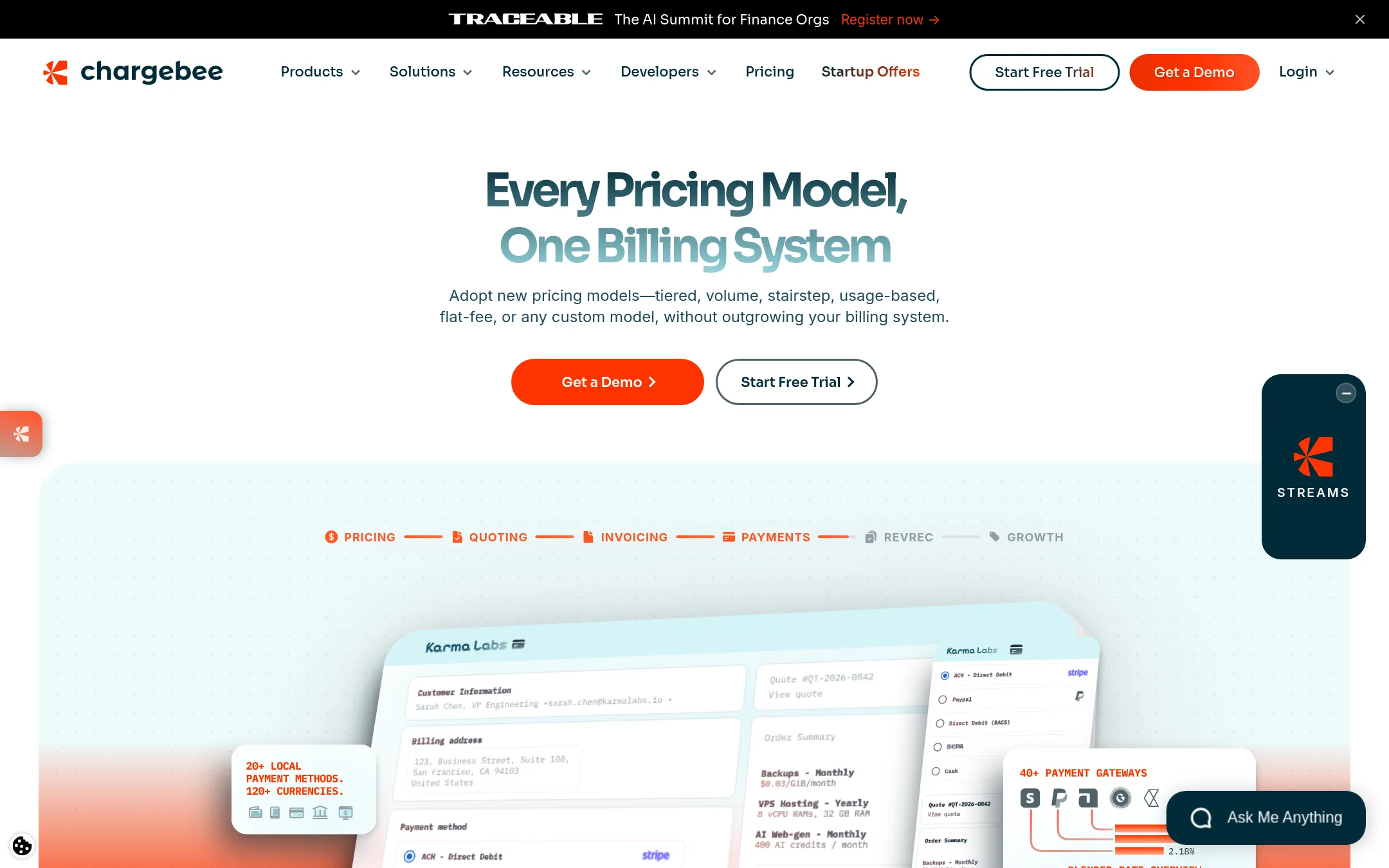
Chargebee is a billing and monetization platform for SaaS and AI companies, supporting subscription, usage-based, and hybrid models. You would choose it over LogiSense if you need a more product-led, self-serve billing system with strong payment integrations and revenue operations features, rather than LogiSense's telecom-grade contract-driven rating.
Where it is strong
- Supports subscription, usage-based, and hybrid billing models in one platform.
- Integrates with 40+ payment gateways and 50+ payment methods across 150+ countries.
- Includes revenue recognition, receivables, and CPQ tools for a complete revenue stack.
Where it falls short
- Pricing is not transparent. Requires contacting sales.
- May not handle telecom-grade complexity as deeply as LogiSense.
- Pricing:
- Pricing is not published on the site.
- Custom quote
4.Zuora
Best for: Enterprise SaaS and subscription businesses that need a full quote-to-cash suite with revenue recognition and AI-driven automation.
- Pricing
- Custom quote
- Category
- Finance & Accounting
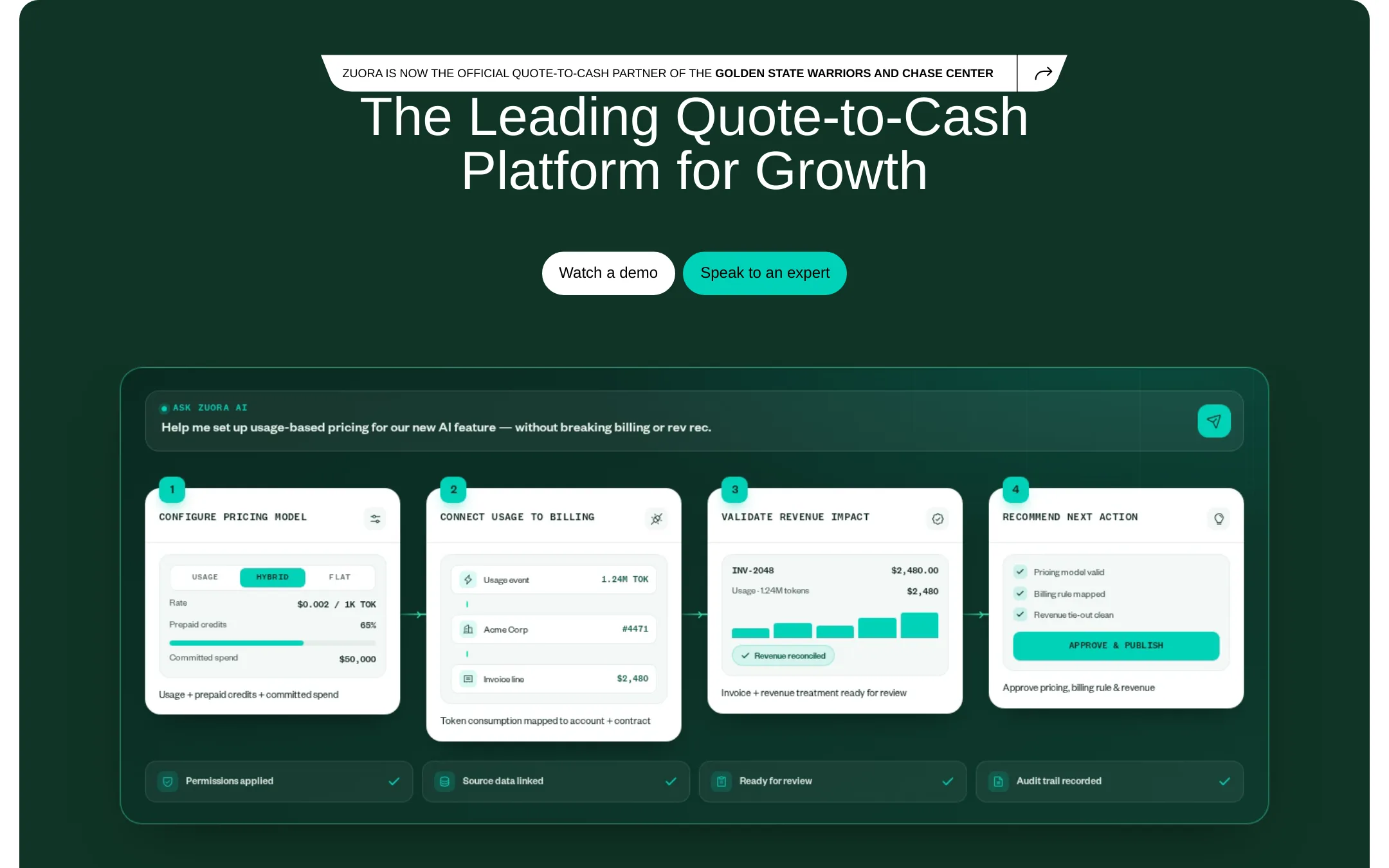
Zuora is a quote-to-cash platform that handles subscriptions, usage, and hybrid pricing, with billing, payments, revenue recognition, and collections in one system. You would choose it over LogiSense if you need a broader finance workflow, including CPQ and revenue automation, and you want a vendor with a large enterprise customer base and Gartner recognition.
Where it is strong
- Unifies billing, payments, revenue, and collections in one platform.
- Built for complex usage and AI token monetization at scale.
- Strong enterprise governance and audit-ready by default.
Where it falls short
- Pricing is not transparent, likely enterprise-level.
- May be overkill for smaller teams that only need usage-based billing.
- Pricing:
- Pricing is not published on the site.
- Switching from LogiSense:
- Moving from LogiSense to Zuora involves migrating your product catalog, rating logic, and historical invoices, and re-implementing integrations with your ERP and CRM.
- SNot published
5.SAP
Best for: Large enterprises already running SAP that need billing integrated with their broader ERP and AI-driven operations.
- Pricing
- Not published
- Category
- Productivity & Project Management
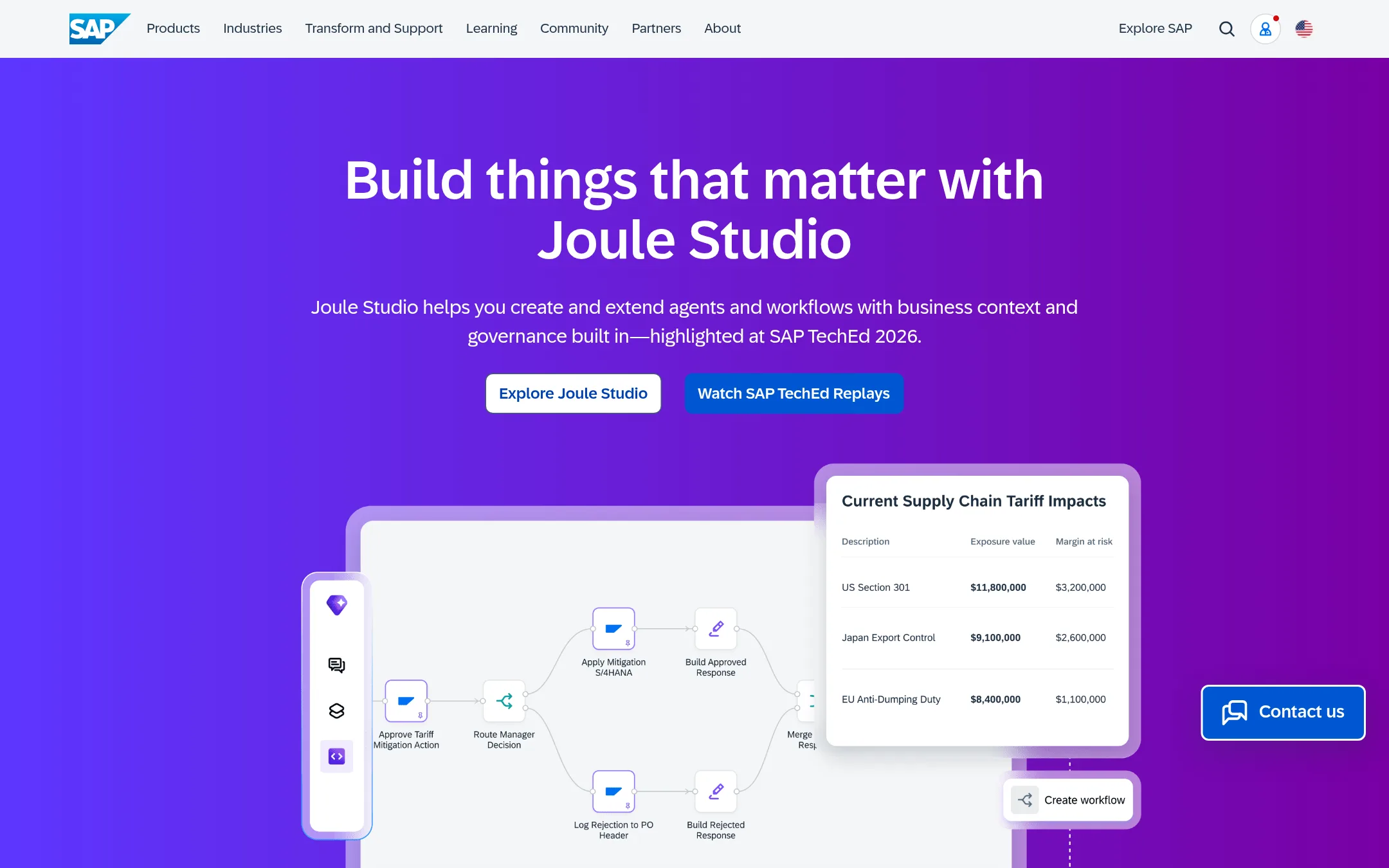
SAP is a broad enterprise resource planning suite that covers finance, supply chain, HR, and more. You would choose it instead of LogiSense if you need a full ERP backbone and are already standardized on SAP, rather than a dedicated usage-based billing engine. LogiSense is purpose-built for complex monetization, while SAP handles billing as one module within a larger operational system.
Where it is strong
- Covers finance, supply chain, HR, and customer experience in one platform
- Strong AI and automation capabilities embedded across modules
- Deep partner ecosystem for implementation and extensions
Where it falls short
- Not focused on usage-based or subscription billing specifically
- Heavyweight implementation typically requires significant IT resources
- Pricing:
- Pricing is not published on the site.
- ONot published
6.Oracle Cloud HPC
Best for: Teams running HPC workloads on Oracle Cloud who need compute resources, not billing software.
- Pricing
- Not published
- Category
- Developer Tools
Oracle Cloud HPC is a high-performance computing service for running compute-intensive workloads like simulations, rendering, and scientific research. You would choose it instead of LogiSense if your need is raw compute power rather than billing and monetization.
Where it is strong
- Designed for high-performance computing tasks.
- Runs on Oracle Cloud infrastructure.
- Can handle compute-intensive workloads.
Where it falls short
- No billing or subscription management features.
- Website was down at the time of review, so details are limited.
- Pricing:
- Pricing is not published on the site.
- BFrom 0.5% overage
7.Billforward
Best for: Teams that want API-first, headless subscription billing with usage-based pricing and no processor lock-in.
- Pricing
- From 0.5% overage
- Category
- Finance & Accounting
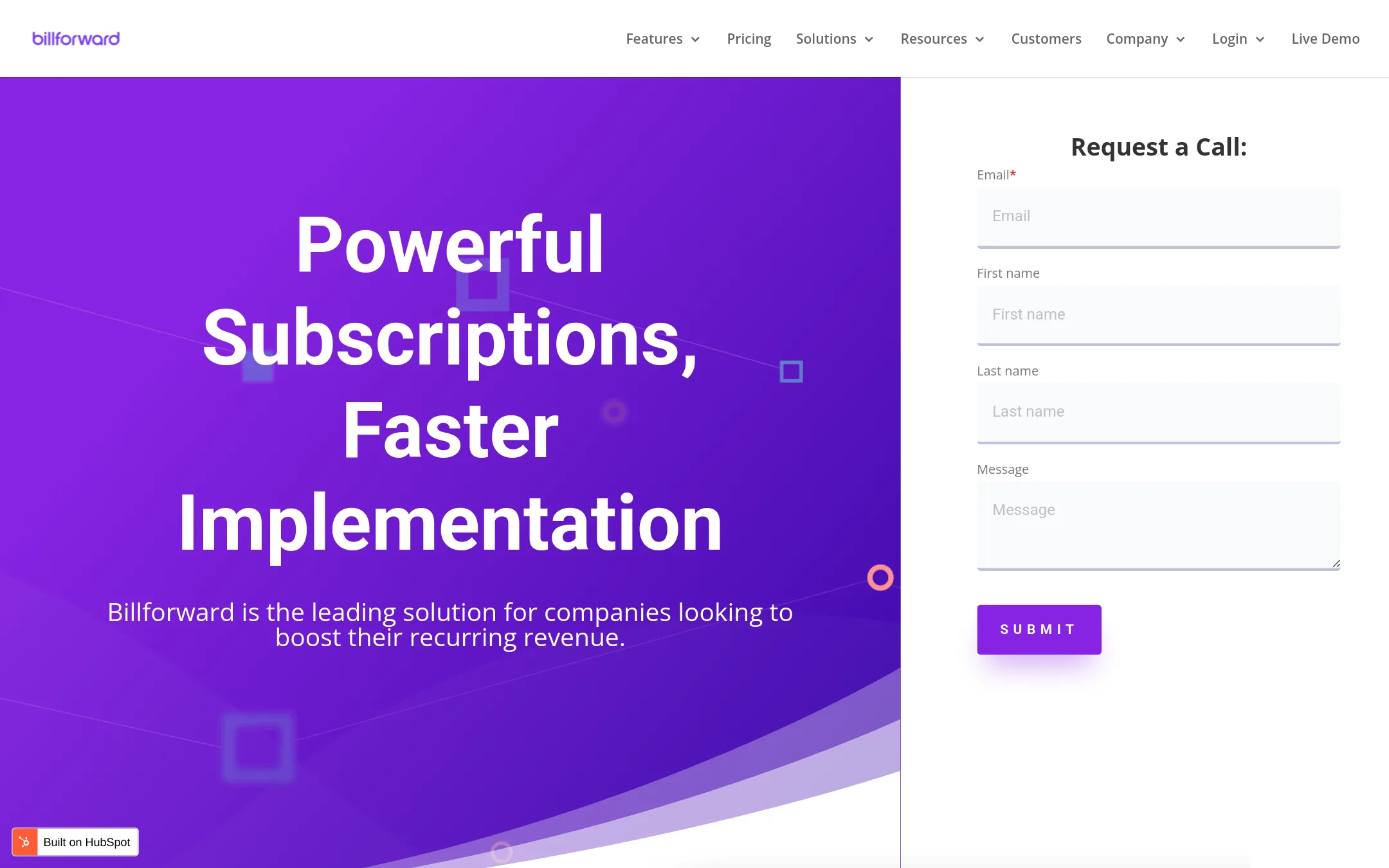
Billforward is an API-first subscription billing platform with usage-based metering, dunning, and integrations. Choose it over LogiSense if you want a developer-friendly, headless billing system with a migration tool and flexible payment gateway options.
Where it is strong
- API-first with full access and webhooks on Growth and above
- Works with any payment gateway to avoid processor lock-in
- Automated dunning and migration tool for switching providers
Where it falls short
- Lower tiers cap team members and monthly invoices
- Enterprise features like virtual currencies require a custom quote
- Pricing:
- Essentials includes $100k/year revenue processing free, then 0.5% overage. Growth includes $500k/year free, then 0.6% overage. Scale includes $750k/year free. Enterprise is custom quote.
- Switching from LogiSense:
- Billforward offers an automated switch facility to migrate from an existing subscription provider, which can ease the move from LogiSense.
- Not published
8.Braintree
Best for: Online businesses that need a straightforward payment gateway with global reach and PayPal/Venmo support.
- Pricing
- Not published
- Category
- Finance & Accounting
Braintree is a payment processing platform that handles checkout, global payouts, and fraud management. You would choose it instead of LogiSense if your main need is accepting payments and managing transactions, not complex usage-based or subscription billing.
Where it is strong
- Supports PayPal, Venmo, cards, and digital wallets in one integration.
- Payouts to 200+ markets in 50+ currencies.
- Level 1 PCI DSS compliant with built-in fraud tools.
Where it falls short
- No usage-based rating or contract-driven billing logic.
- Pricing details are not disclosed publicly.
- Pricing:
- Pricing is not published on the site.
- Switching from LogiSense:
- Moving from LogiSense means replacing billing logic with payment processing, so you would need to rebuild subscription and usage billing elsewhere.
- Not published
9.Chargify
Best for: B2B SaaS companies that need subscription billing plus revenue recognition and financial reporting in one platform.
- Pricing
- Not published
- Category
- Finance & Accounting
Chargify, now Maxio, is a billing and financial operations platform for B2B SaaS. It handles subscription management, usage-based pricing, invoicing, and revenue recognition. Choose it over LogiSense if you are a SaaS company that wants a broader financial operations suite, not just a billing engine.
Where it is strong
- Includes revenue recognition and A/R management, which LogiSense does not emphasize.
- Offers a customer billing portal and public signup pages with no-code customization.
- Supports over 20 payment gateways and Maxio Payments for in-house processing.
Where it falls short
- Pricing is not transparent. You must contact sales for the Scale plan.
- Positioned for B2B SaaS, so it may not handle telecom-grade complexity as well as LogiSense.
- Pricing:
- Pricing is not published on the site.
- Switching from LogiSense:
- Moving from LogiSense to Chargify/Maxio involves migrating your product catalog, pricing models, and historical billing data, and reconfiguring your payment gateway integrations.
- From $499/mo
10.Fusebill
Best for: SaaS and subscription businesses that want automated billing, dunning, and revenue recognition without complex usage-based pricing.
- Pricing
- From $499/mo
- Category
- Finance & Accounting
Fusebill (now Stax Bill) automates recurring billing, subscription management, and payment collection with dunning and revenue recognition. Choose it over LogiSense if you need a straightforward subscription billing tool with strong payment recovery features and don't require telecom-grade usage-based rating.
Where it is strong
- Automated dunning and payment retries cut late/failed payments significantly
- Built-in revenue recognition with ASC 606 milestone module
- Account hierarchy for managing parent-child billing relationships
Where it falls short
- Growth plan caps at $85k monthly billings, so larger businesses need Enterprise
- Less suited for high-volume usage-based or hybrid monetization compared to LogiSense
- Pricing:
- Growth plan starts at $499/month, billed annually, for businesses with up to $85k monthly billings. Enterprise pricing is custom.
- Switching from LogiSense:
- Moving from LogiSense to Stax Bill involves migrating subscription and usage data, but Stax Bill's focus is on recurring billing rather than complex usage rating, so you may need to simplify pricing models.
- 5% + 50¢ per transacti
11.Paddle
Best for: SaaS companies selling globally that want a fully managed payment and tax solution without in-house billing complexity.
- Pricing
- 5% + 50¢ per transacti
- Category
- Finance & Accounting
Paddle is a merchant of record that handles payments, tax compliance, and billing for SaaS and digital products across 300+ markets. You would choose it over LogiSense if you want to offload tax and compliance responsibilities and avoid building billing infrastructure, rather than managing complex usage-based rating yourself.
Where it is strong
- Acts as merchant of record, handling sales tax and VAT globally
- Includes fraud protection, chargebacks, and buyer support
- No monthly fees or hidden costs. Migration support included
Where it falls short
- Not designed for complex usage-based or hybrid billing scenarios
- Pricing is a flat percentage, which may be higher for low-value transactions
- Pricing:
- Pricing is pay-as-you-go at 5% + 50¢ per Checkout transaction, with custom pricing for high-volume businesses.
- Switching from LogiSense:
- Moving from LogiSense to Paddle means shifting from a self-managed billing engine to a merchant of record, so you would migrate subscription data and rely on Paddle for tax and compliance.
- From $599/mo
12.SaaSOptics
Best for: B2B SaaS companies that need strong revenue recognition and SaaS metrics reporting alongside subscription billing.
- Pricing
- From $599/mo
- Category
- Finance & Accounting
SaaSOptics, now Maxio, is a subscription management and revenue recognition platform built for B2B SaaS companies. It automates the order-to-cash process, handles revenue recognition, and provides SaaS metrics reporting. Choose it over LogiSense if your focus is on financial reporting and compliance rather than complex usage-based rating.
Where it is strong
- Built-in revenue recognition for GAAP/IFRS compliance
- Dozens of out-of-the-box SaaS metrics reports, including ARR/MRR and cohorts
- Integrates with CRM and GL/ERP systems to automate order-to-cash
Where it falls short
- Pricing tiers are based on monthly billings, which may get costly as you scale
- Usage-based billing is listed as a feature but may not match LogiSense's telecom-grade rating complexity
- Pricing:
- Pricing starts at $599 per month for the Grow plan, which covers up to $100k in monthly billings. The Scale plan for over $100k in monthly billings requires a quote.
- Switching from LogiSense:
- Moving from LogiSense to SaaSOptics involves reconfiguring your billing models and migrating historical subscription and revenue data, but the process is supported by Maxio's onboarding team.
See more comparisons in Finance & Accounting alternatives.
FAQ
Questions about LogiSense alternatives
What is the difference between LogiSense and Chargebee?
LogiSense is built for telecom-grade usage-based and hybrid billing with contract-driven rating and audit-ready invoices. Chargebee is a broader monetization platform for SaaS and AI companies, supporting subscription, usage-based, and hybrid models with 40+ payment gateway integrations and revenue recognition tools. Choose LogiSense for extreme complexity, Chargebee for a product-led, self-serve billing system.
Which alternative is best for a small SaaS company?
Fusebill (Stax Bill) is a strong choice for small SaaS businesses. Its Growth plan starts at $499 per month and covers up to $85k in monthly billings, with automated dunning and built-in revenue recognition. For slightly larger needs, SaaSOptics (Maxio) starts at $599 per month for up to $100k in monthly billings and includes SaaS metrics reporting.
Do any of these alternatives handle usage-based billing?
Yes. Chargebee, Zuora, and Billforward all support usage-based pricing. Chargebee and Zuora handle hybrid models combining subscriptions and usage. Billforward is API-first and designed for usage-based metering. LogiSense itself is specialized for usage-based billing, but these alternatives cover the use case for most businesses.
Which platform has the most transparent pricing?
Billforward and Fusebill publish clear pricing tiers. Billforward's Essentials plan includes $100k/year revenue processing free, then 0.5% overage. Fusebill's Growth plan is $499 per month for up to $85k monthly billings. Stripe also publishes per-transaction rates, but those are percentage-based and can vary by region.
What if I need a full quote-to-cash suite?
Zuora is the best fit for a full quote-to-cash workflow. It unifies billing, payments, revenue recognition, and collections in one platform, with CPQ and AI-driven automation. Chargebee also offers a complete revenue stack with revenue recognition, receivables, and CPQ tools. Both are enterprise-focused and require contacting sales for pricing.
Last updated November 1, 2026.