Miden alternatives
5 products compared · Updated November 11, 2026
The short answer
The three strongest alternatives to Miden on this list are Aleo, Aztec and zkSync. Aleo suits aid agencies and NGOs that need confidential stablecoin disbursements. Aztec suits developers and crypto-native teams building private onchain apps. zkSync suits banks and institutions that want to run tokenized deposits or onchain settlement on their own chain. None of the three offers the card issuing, collections, payouts and banking stack that Miden provides.
Your shortlist, at a glance
Read the comparisons ↓- AAleoNot publishedAid agencies and NGOs that need confidential stablecoin disbursements to recipients in fragile states
- AAztecNot publishedDevelopers and crypto-native teams building private onchain apps that must run without a central operator
- MMina ProtocolNot publishedDevelopers building privacy-preserving decentralized applications who want to write zero-knowledge apps in TypeScript
- SStarkWareNot publishedDevelopers building onchain apps on Starknet that need private transfers and DeFi flows
- zzkSyncNot publishedBanks and institutions building tokenized deposits or onchain settlement that need privacy and compliance
About Miden and its alternatives
Miden is an enterprise payments infrastructure platform, according to its website. It is known for card issuing, which lets businesses launch virtual and physical card programmes in USD, NGN and other currencies. It also offers accruals and disbursements, a core banking system and global treasury tools for businesses operating across Africa.
When comparing alternatives in this category, weigh the pricing structure, the regions a product serves, which integrations it supports, the level of support, and the contract terms. Many of the products listed here are blockchain infrastructure rather than managed payments services, so check whether a tool solves your payments problem or a different one. Pricing is not published for these entries, so ask vendors directly for quotes.
Explore the alternatives
- ANot published
1.Aleo
Best for: Aid agencies and NGOs that need confidential stablecoin disbursements to recipients in fragile states
- Pricing
- Not published
- Category
- Other
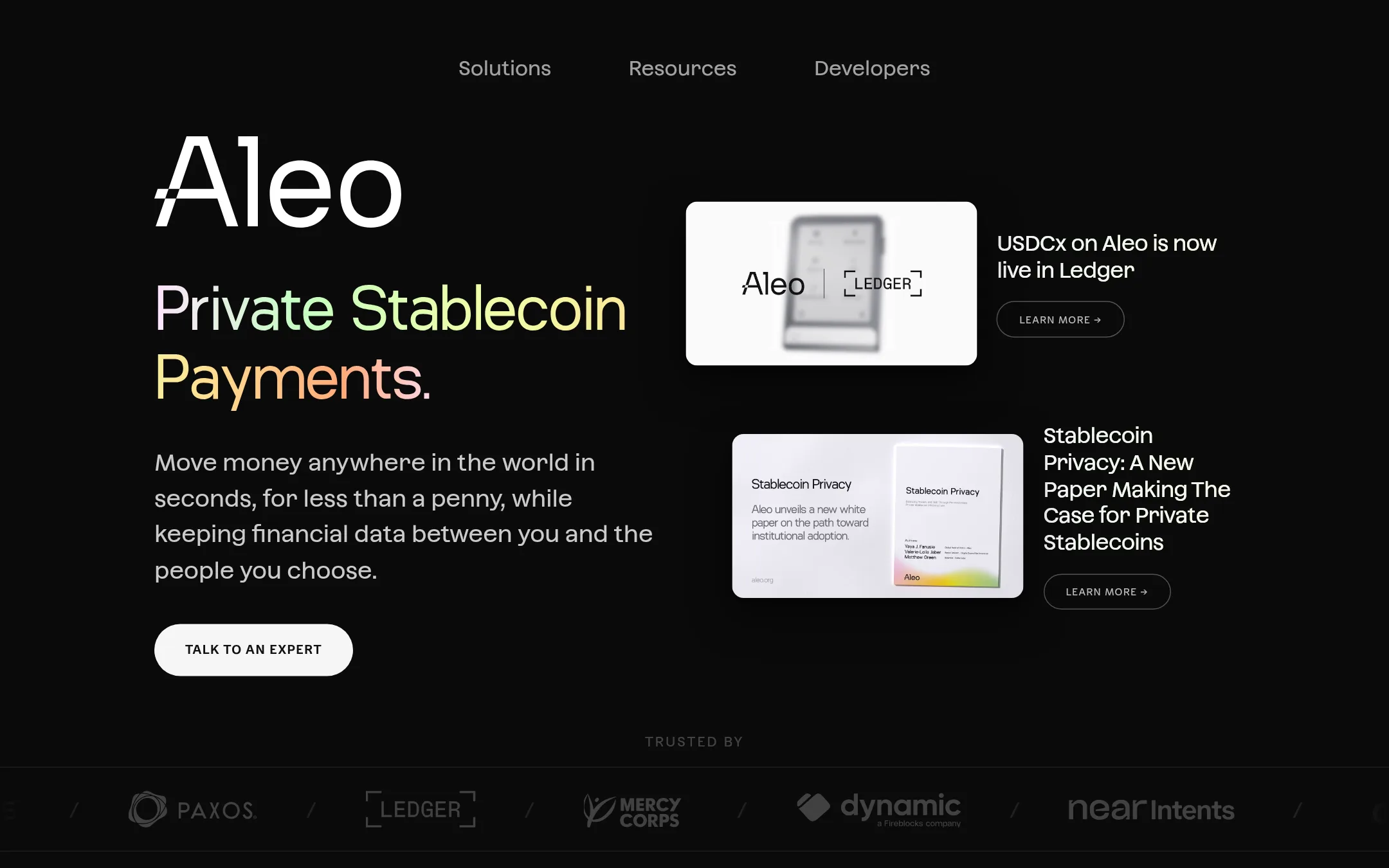
Aleo is a blockchain built for private stablecoin payments. It lets organisations send USDC-backed and USDG-backed dollars anywhere while controlling who can see the transaction details. Teams would pick Aleo over Miden when the priority is keeping payment data confidential on-chain, such as aid disbursements in conflict zones or payroll that should stay hidden from vendors and the public.
Where it is strong
- Transactions are private by default, with the user choosing what to share with auditors or regulators
- Supports USDCx, a private dollar backed 1:1 by USDC through Circle's xReserve, and a USDG-backed option
- Works with Ledger hardware wallets for shielded transactions with cold-storage signing
Where it falls short
- Its focus is on stablecoin payments and privacy, so it does not offer the card issuing or banking stack that Miden provides
- The site shows no African-market card or local banking products like Miden's NGN cards
- Pricing:
- Pricing is not published on the site.
- Switching from Miden:
- Moving from Miden to Aleo would mean rebuilding card programmes and treasury flows on a blockchain rail, since Aleo does not offer Miden's card issuing or core banking services.
- ANot published
2.Aztec
Best for: Developers and crypto-native teams building private onchain apps that must run without a central operator
- Pricing
- Not published
- Category
- Other
Aztec is a decentralized Ethereum Layer 2 for private apps, where developers build contracts with built-in privacy and users can pay, trade, and use AI without exposing amounts, counterparties, or positions. Someone would pick it over Miden when they want permissionless, unstoppable infrastructure for onchain privacy rather than a payments operating system for enterprise card issuing, collections, and treasury.
Where it is strong
- Privacy is built into smart contracts, and developers choose which functions stay private
- No centralized sequencer, and it settles on Ethereum
- Uses Noir, a Rust-like language for zero-knowledge programs, which runs on Aztec or elsewhere
Where it falls short
- Aimed at onchain developers and crypto users, not enterprise card issuing or banking
- The site lists no fiat collections, payouts, or treasury products like Miden offers
- Pricing:
- Pricing is not published on the site.
- MNot published
3.Mina Protocol
Best for: Developers building privacy-preserving decentralized applications who want to write zero-knowledge apps in TypeScript
- Pricing
- Not published
- Category
- Other
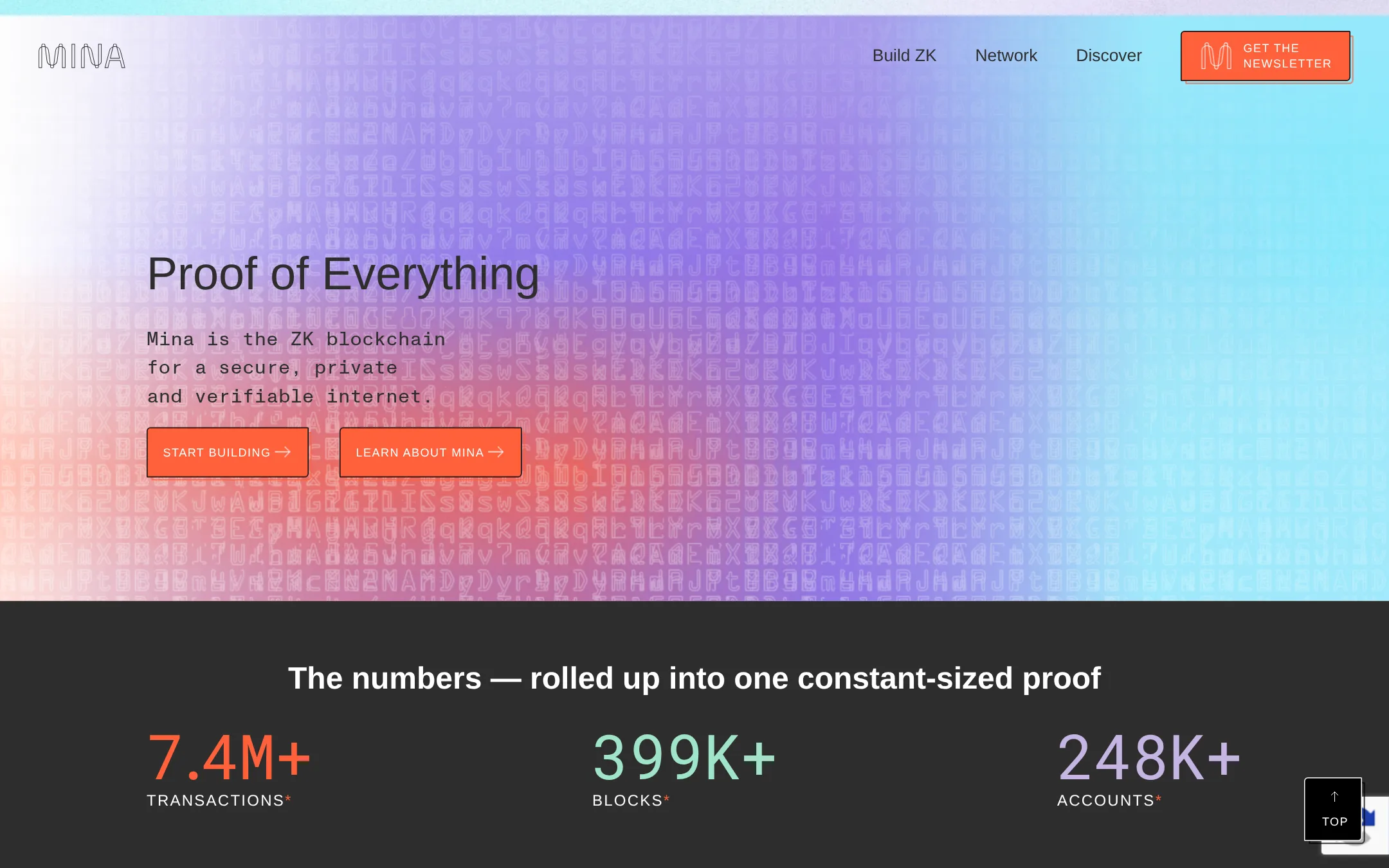
Mina Protocol is a blockchain built around zero-knowledge proofs, letting apps verify computation without exposing the underlying data. Developers write zkApps in TypeScript and can keep user data on their own device. A team would pick Mina over Miden when it wants on-chain privacy and verifiable computation for decentralized apps, not a payments and banking stack.
Where it is strong
- Programmable privacy: zkApps keep user data on the local device and submit only proofs to the chain
- Fixed-size proofs of about 22 KB, so verifying the whole chain stays light on any device
- Composable proofs that can be reused across app-chains, roll-ups and L2s
Where it falls short
- It is a blockchain for decentralized apps, not a card issuing, collections or payouts product like Miden
- The site does not describe fiat banking, treasury or regional payment rails
- Pricing:
- Pricing is not published on the site.
- SNot published
4.StarkWare
Best for: Developers building onchain apps on Starknet that need private transfers and DeFi flows
- Pricing
- Not published
- Category
- Other
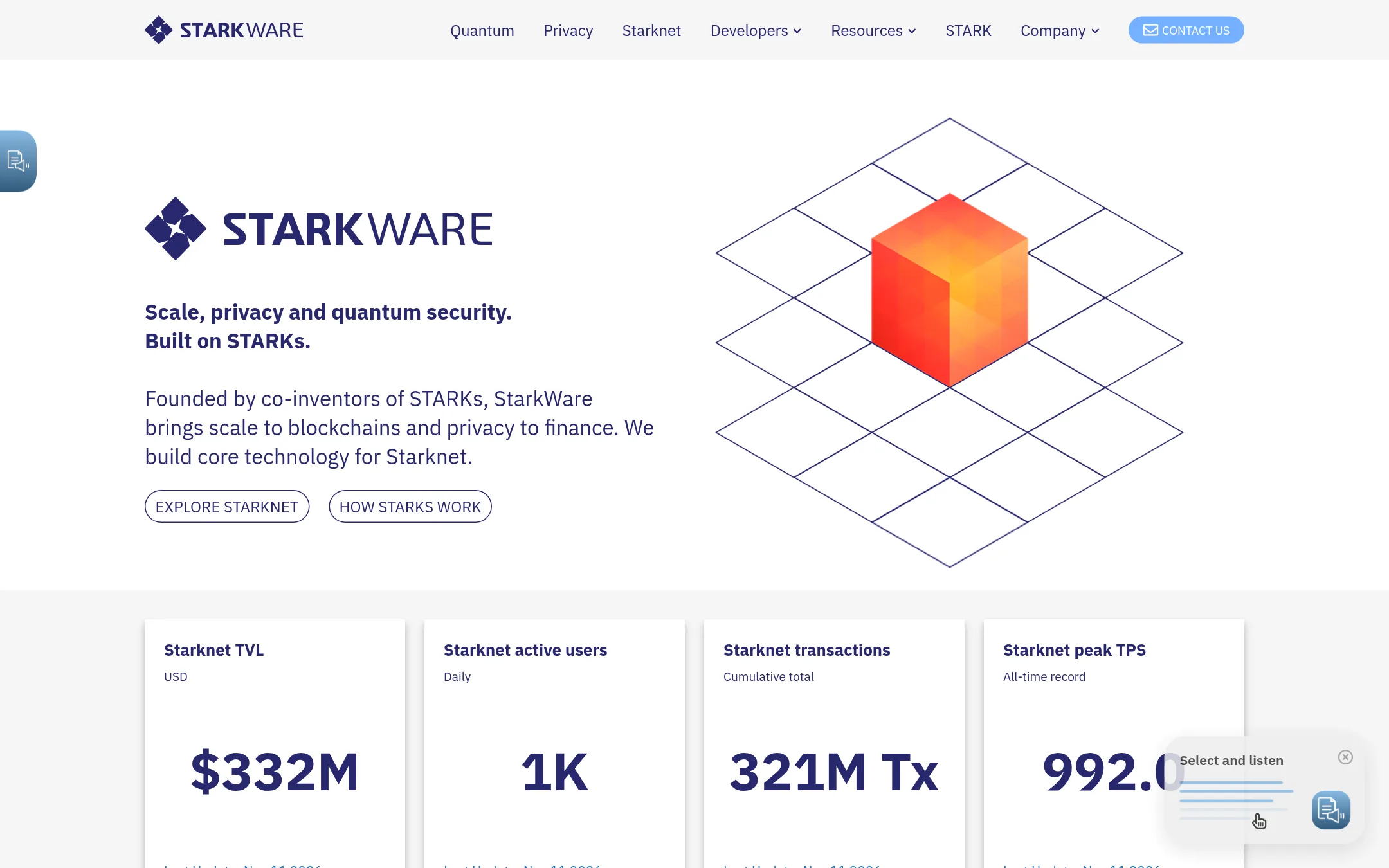
StarkWare builds STARK proof technology and the Starknet blockchain, which lets applications prove results and keep sensitive data private. It is a blockchain and cryptography stack, not a payments product. A team would pick it over Miden only if they want onchain applications with private transfers and DeFi flows, rather than card issuing, payouts and a banking stack.
Where it is strong
- Built by the co-inventors of STARK proofs
- Starknet is a permissionless blockchain aimed at high throughput and low transaction costs
- Cairo and STRK20 give developers tools for private transfers and DeFi
Where it falls short
- It does not offer card issuing, payouts or treasury tools like Miden does
- Its focus is blockchain infrastructure, so it suits crypto-native builders more than enterprise finance teams
- Pricing:
- Pricing is not published on the site.
- zNot published
5.zkSync
Best for: Banks and institutions building tokenized deposits or onchain settlement that need privacy and compliance
- Pricing
- Not published
- Category
- Other
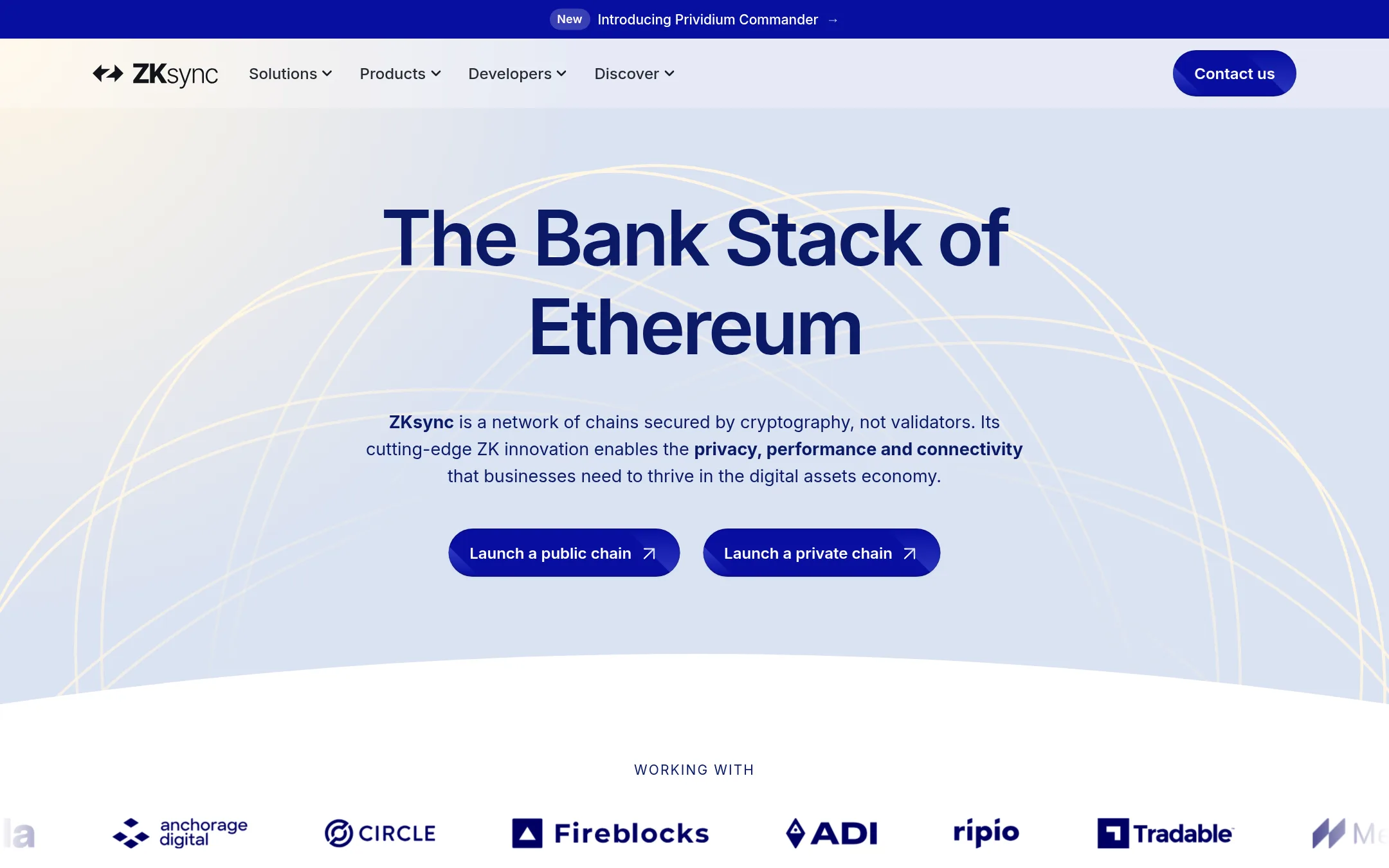
ZKsync builds blockchain infrastructure for banks and companies, including its ZK Stack framework for custom chains and Prividium for private, compliant deployments on Ethereum. Someone would pick it over Miden if they want to run tokenized deposits, tokenized assets or onchain settlement on their own chain rather than buy a card-issuing and banking service.
Where it is strong
- Prividium gives private execution with public verifiability through zero-knowledge proofs
- ZK Stack is open-source and lets a company run its own chain
- Built on EVM, so Ethereum developers can work with it without changing their code
Where it falls short
- It is blockchain infrastructure, so it does not offer card issuing or payouts as Miden does
- Setting up and running a chain takes engineering work that a managed payments product would handle for you
- Pricing:
- Pricing is not published on the site.
See more comparisons in Finance & Accounting alternatives.
FAQ
Questions about Miden alternatives
What is the best alternative to Miden for card issuing?
None of the alternatives listed here offers card issuing as Miden does. Aleo, Aztec, Mina Protocol, StarkWare and zkSync are all blockchain or privacy infrastructure, and their sites list no card programme. If card issuing is your main need, you will have to look beyond this list.
Which alternative is best for aid disbursements?
Aleo suits aid agencies and NGOs that need confidential stablecoin disbursements to recipients in fragile states. It keeps transaction details private by default and lets the user choose what to share with auditors or regulators. Its focus is stablecoin payments, so it does not offer the local banking products that Miden does.
Which alternative should a developer building private apps consider?
Aztec and Mina Protocol are built for developers who want privacy inside their applications. Aztec is a decentralized Ethereum Layer 2 where developers choose which functions stay private, and Mina lets developers write zero-knowledge apps in TypeScript. Both are blockchains rather than payments operating systems.
Are these alternatives suitable for a bank building tokenized deposits?
zkSync is the entry aimed at banks and institutions. Its ZK Stack lets a company run its own chain, and Prividium supports private, compliant deployments on Ethereum. Setting up and running a chain takes engineering work that a managed payments product would handle for you.
How do I compare pricing across these alternatives?
Pricing is not published on the sites for any of the five alternatives, so you will need to request quotes from each vendor. Ask about fees, the costs of running infrastructure, and what engineering effort your team would need. Compare those totals against what you would pay for a managed service.
Last updated November 11, 2026.