
Modelence alternatives
6 products compared · Updated November 24, 2026
The short answer
The three strongest alternatives to Modelence are Railway, Render and Fly.io. Railway suits engineering teams that want to run their own services and cron jobs with per-PR preview environments and usage-based compute. Render suits small teams with their own DevOps habits that want managed Postgres, Redis and background workers in one dashboard. Fly.io suits teams building agent products or sandboxes that need per-user computers which sleep when idle.
Your shortlist, at a glance
Read the comparisons ↓ RenderFrom $7/mo per serviceSmall teams with their own DevOps habits that want managed Postgres, Redis and background workers in one dashboard
 HerokuNot publishedStartups and agencies that want a mature, widely used platform with a large add-on ecosystem and support for many languages
 Railway$5/mo + usageEngineering teams that want to run their own services and cron jobs with per-PR preview environments and usage-based compute.
 Fly.ioFrom $2.19/mo + usageTeams building agent products or sandboxes that need per-user computers which sleep when idle
- RRecordBookNot publishedSmall businesses that want to organise records and simple workflows without writing code or running any infrastructure
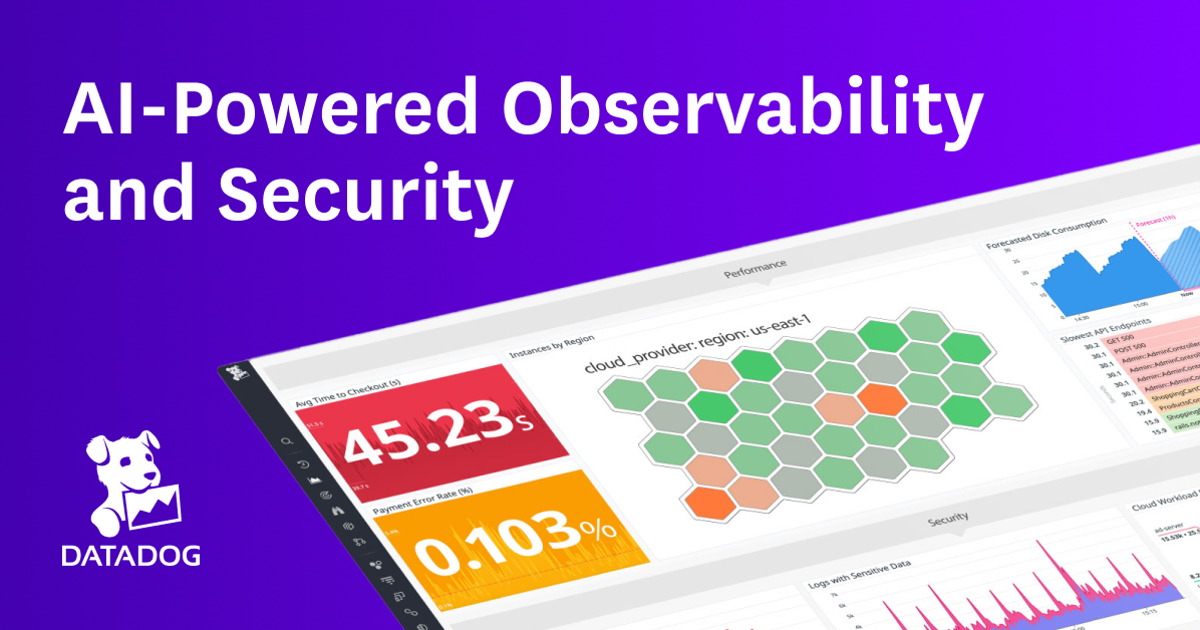 DatadogNot publishedEngineering teams with existing cloud infrastructure that need deep monitoring, logs and security analysis across many services
About Modelence and its alternatives
Modelence is a TypeScript cloud for production AI apps. According to its site, it runs backend processes, managed databases, scheduled jobs and monitoring on AWS, and its autopilot restarts crashed processes, reroutes traffic and adds capacity under load.
When comparing alternatives, weigh how much of production the platform operates for you versus how much your team runs itself. Check the pricing structure, including included usage, per-hour compute sizing and vCPU limits. Look at which regions are available, what integrations and add-ons come with the platform, how support is delivered, and what the contract terms are, including whether there is a yearly commitment.
Explore the alternatives
- From $7/mo per service
1.Render
Best for: Small teams with their own DevOps habits that want managed Postgres, Redis and background workers in one dashboard
- Pricing
- From $7/mo per service
- Category
- Other
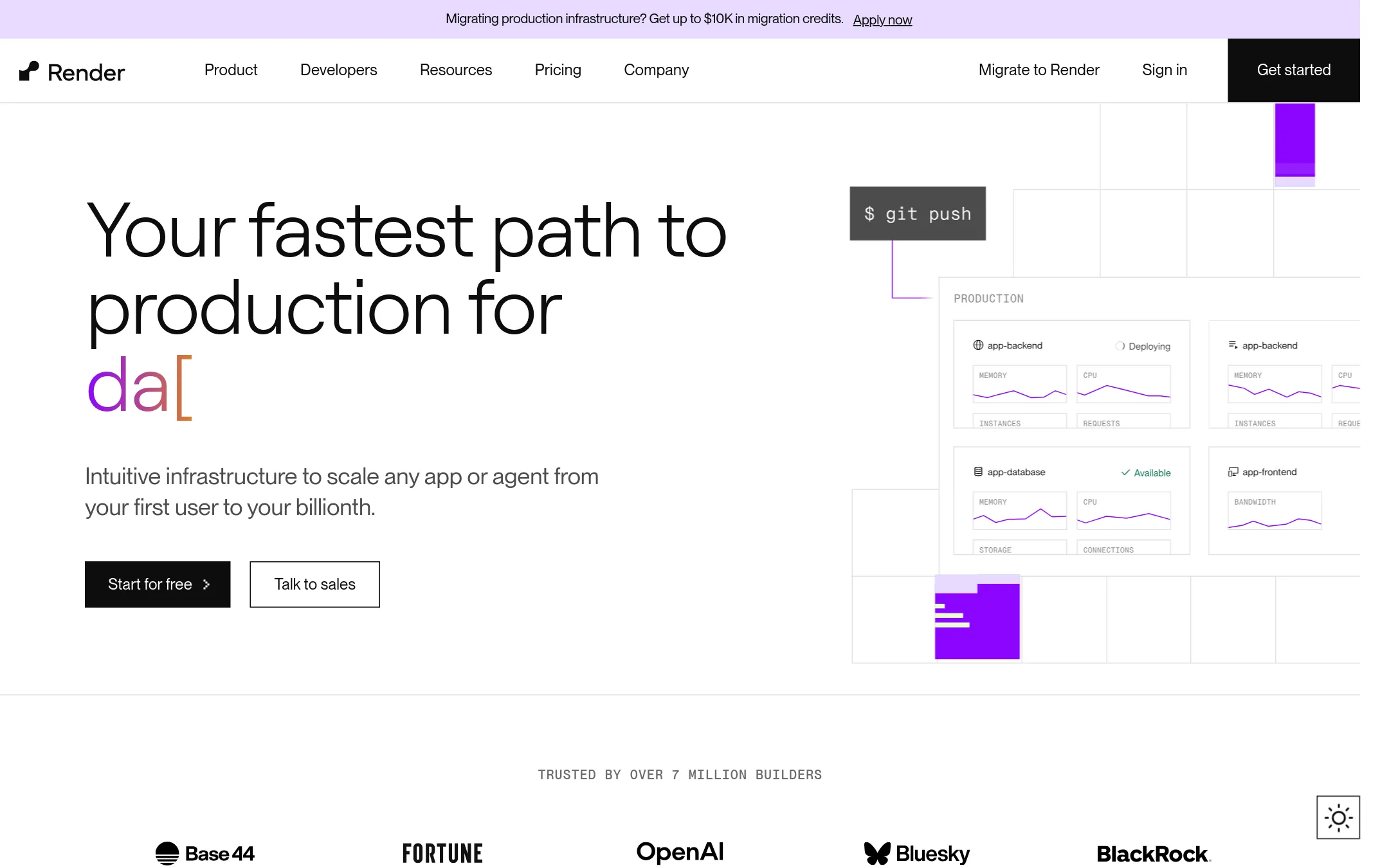
Render is a general cloud for web services, Postgres, Redis-compatible storage, cron jobs, workflows and sandboxes, deployed from a connected repo. Choose it over Modelence if you want to run your own deploy, scaling and rollout process on a platform with a long list of managed primitives, and you are fine with an ops-facing model rather than having the platform watch and fix production for you.
Where it is strong
- Managed Postgres, Redis-compatible storage, cron jobs and workflows all sit in one platform
- Pull requests get full-stack preview environments
- Infrastructure can be defined in a single YAML file, and compliance options such as HIPAA-compliant workspaces are listed
Where it falls short
- The page describes a platform you operate, not one that watches and fixes production on your behalf the way Modelence's autopilot does
- Price tiers are a long list of instance sizes, so cost estimation takes more work than Modelence's per-hour sizing
- Pricing:
- Render lists a free tier, a $7/month web instance with 0.5 CPU and 512 MB RAM, managed Postgres from $6/month, and Redis from $10/month, with Pro and Scale plans for team features and custom Enterprise pricing.
- Switching from Modelence:
- Moving from Modelence means recreating your apps, databases and secrets as Render services and connecting your repo, since Modelence's config file does not map to Render's YAML automatically.
- Not published
2.Heroku
Best for: Startups and agencies that want a mature, widely used platform with a large add-on ecosystem and support for many languages
- Pricing
- Not published
- Category
- Developer Tools
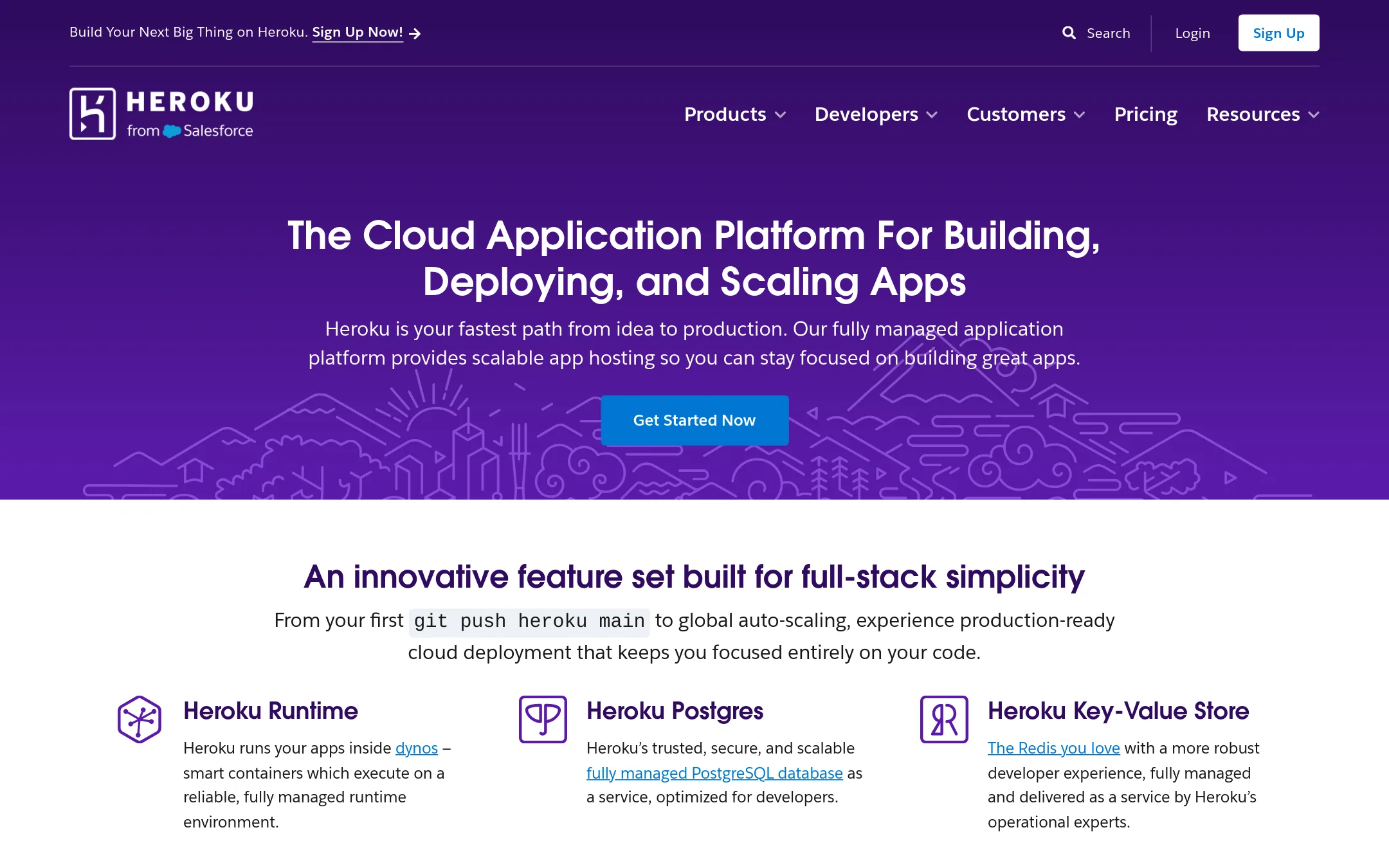
Heroku is a managed platform for deploying web apps, workers and databases, with a long history and a large add-on ecosystem. Teams pick it over Modelence when they want their stack on a widely known platform, need many third-party add-ons or language buildpacks, or want Private Spaces and compliance options for regulated work.
Where it is strong
- Long track record and a large set of third-party add-ons and buildpacks
- Supports many languages through buildpacks, including any language that runs on Linux
- Offers Private Spaces, Shield and enterprise SSO for higher compliance needs
Where it falls short
- Dyno pricing on the page is tiered by size and rises quickly for performance and private tiers
- Heroku does not describe the same automated incident response that Modelence advertises, so more operations work stays with your team
- Pricing:
- Pricing is not published on the site.
- $5/mo + usage
3.Railway
Best for: Engineering teams that want to run their own services and cron jobs with per-PR preview environments and usage-based compute.
- Pricing
- $5/mo + usage
- Category
- Developer Tools
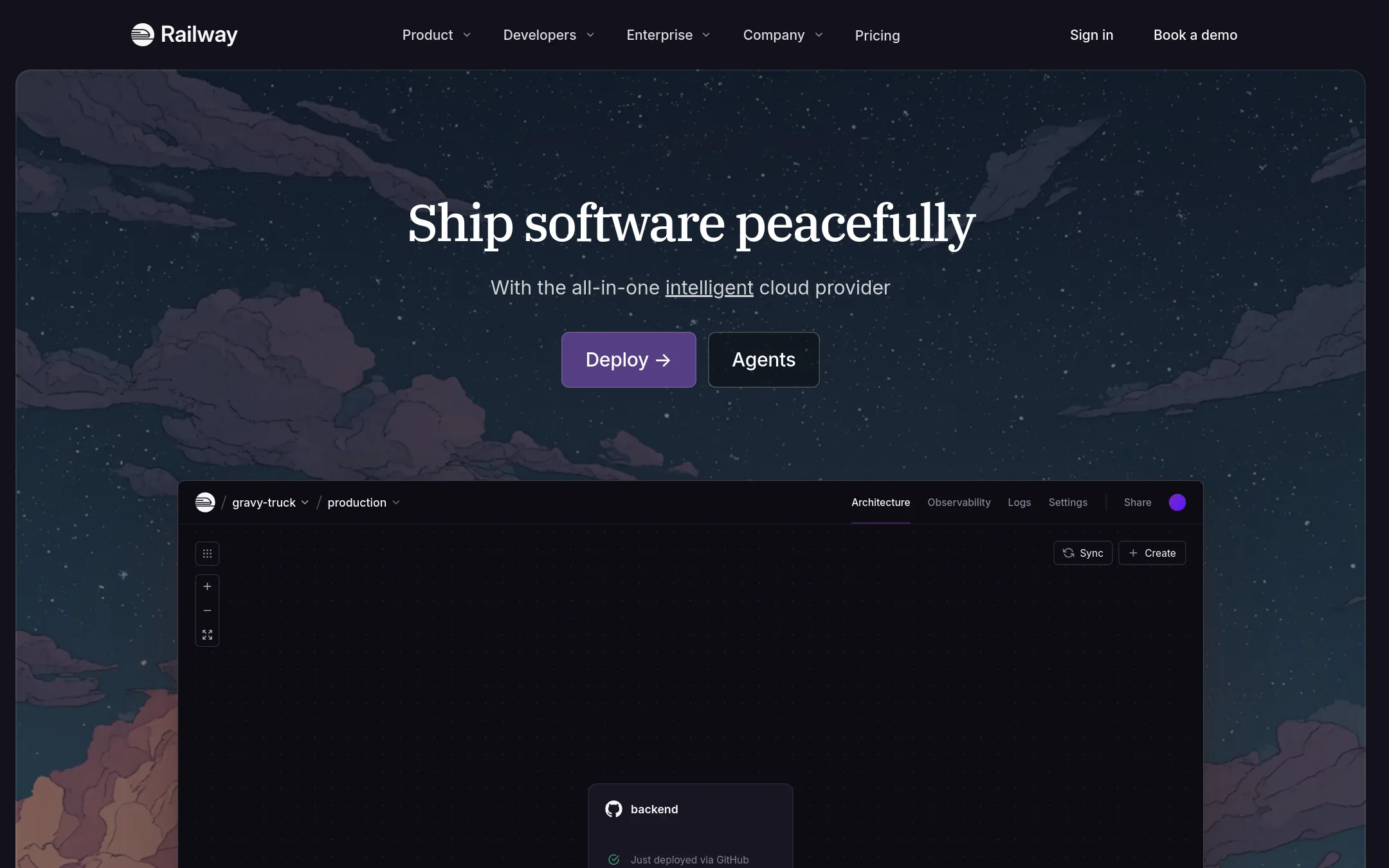
Railway is a general cloud for deploying services, databases, workers and cron jobs, with agent-readable logs and isolated preview environments per PR. Teams pick it over Modelence when they want to set up and operate their own infrastructure but skip the networking and config work, or when they need bring-your-own-cloud and fine-grained control over compute sizes.
Where it is strong
- Services, databases, workers and cron jobs sit on one canvas, with config and builds handled from a connected repo.
- Pay only for the CPU and RAM your code uses, with hard spending limits.
- Isolated environments per PR or agent task, cloned from production, with one-click rollback.
Where it falls short
- Free plan services sleep after a few minutes without outbound traffic, so they are not suited to always-on work.
- Operating production is left to you: alerts and responses are set up by your team, where Modelence's autopilot acts on incidents for you.
- Pricing:
- Railway's Free plan includes $1 of monthly usage credits, the Hobby plan includes $5 of usage per month, and Pro includes $20 of monthly usage credits, with compute billed per vCPU and GB-second beyond that.
- Switching from Modelence:
- Moving from Modelence means recreating your services, databases and scheduled jobs on Railway and reconfiguring alerting and failover yourself, since Modelence runs on standard AWS primitives you can replicate.
- From $2.19/mo + usage
4.Fly.io
Best for: Teams building agent products or sandboxes that need per-user computers which sleep when idle
- Pricing
- From $2.19/mo + usage
- Category
- Developer Tools
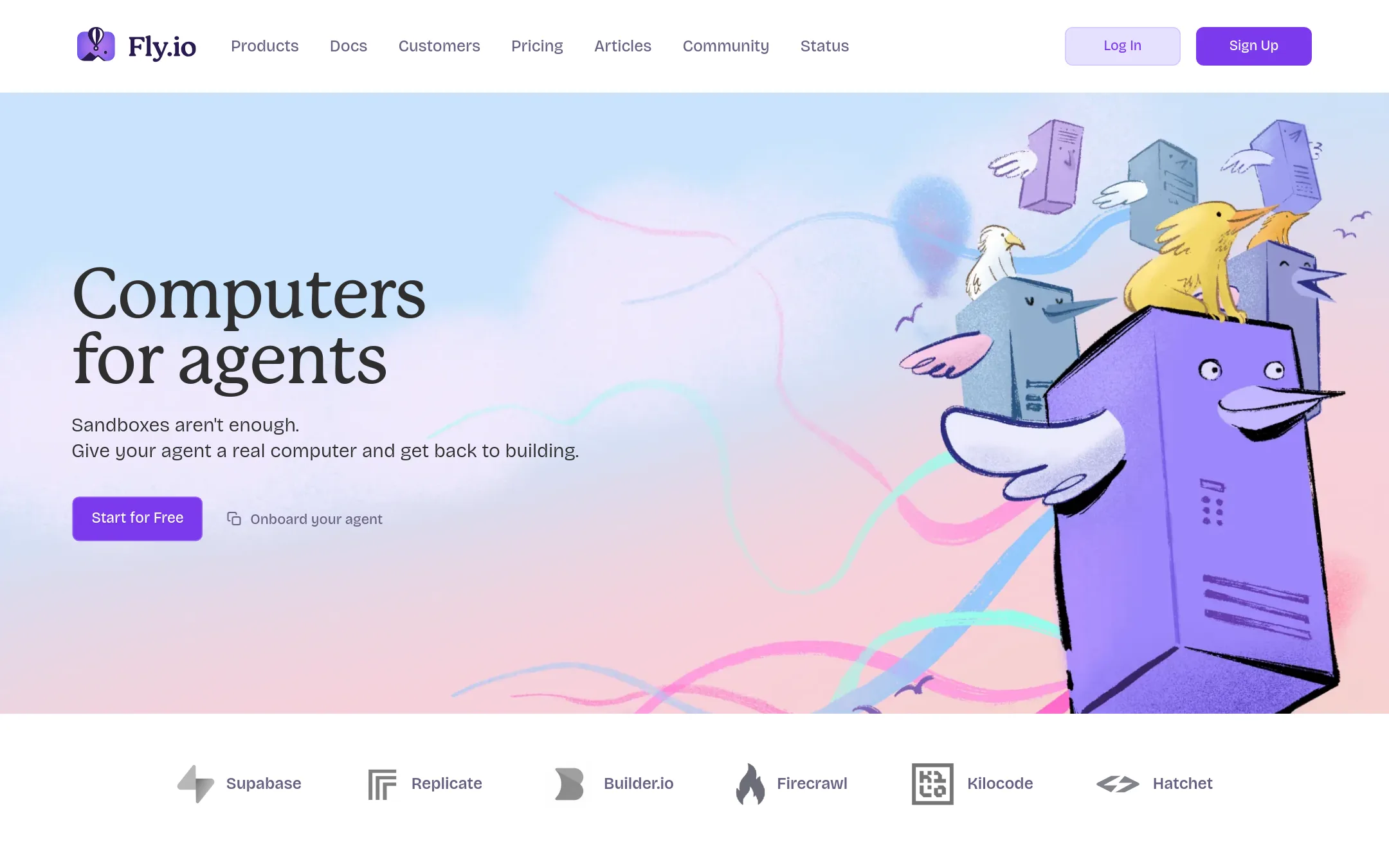
Fly.io runs apps, agents and databases on hardware-isolated Firecracker VMs in 18 regions, and you pay only for the seconds they run. Pick it over Modelence when you want to manage your own infrastructure at the VM level and need sleep-when-idle compute for things like per-customer agent sandboxes. Modelence is the better fit if you want the platform to operate and repair your app for you.
Where it is strong
- Every computer is its own Firecracker microVM, so workloads are hardware isolated.
- Machines bill by the second and can be stopped, so idle apps cost little.
- Runs in 18 regions, including Europe, Asia Pacific and South America.
Where it falls short
- You operate the app yourself: Fly.io does not restart crashed processes or reroute traffic on your behalf the way Modelence's autopilot does
- Managed Postgres and storage are billed as separate line items, so the total bill takes more work to predict.
- Pricing:
- Pricing is published: the Free plan gives $5 of usage each month with up to 3 Machines, and Pay As You Go has no minimum spend, with a shared-cpu-1x Machine at $2.19 per month.
- Switching from Modelence:
- Moving from Modelence means taking on the operations Modelence handles for you, including monitoring, alerts, backups and failover, and rebuilding the config for Fly's Machines and managed Postgres.
- RNot published
5.RecordBook
Best for: Small businesses that want to organise records and simple workflows without writing code or running any infrastructure
- Pricing
- Not published
- Category
- Productivity & Project Management
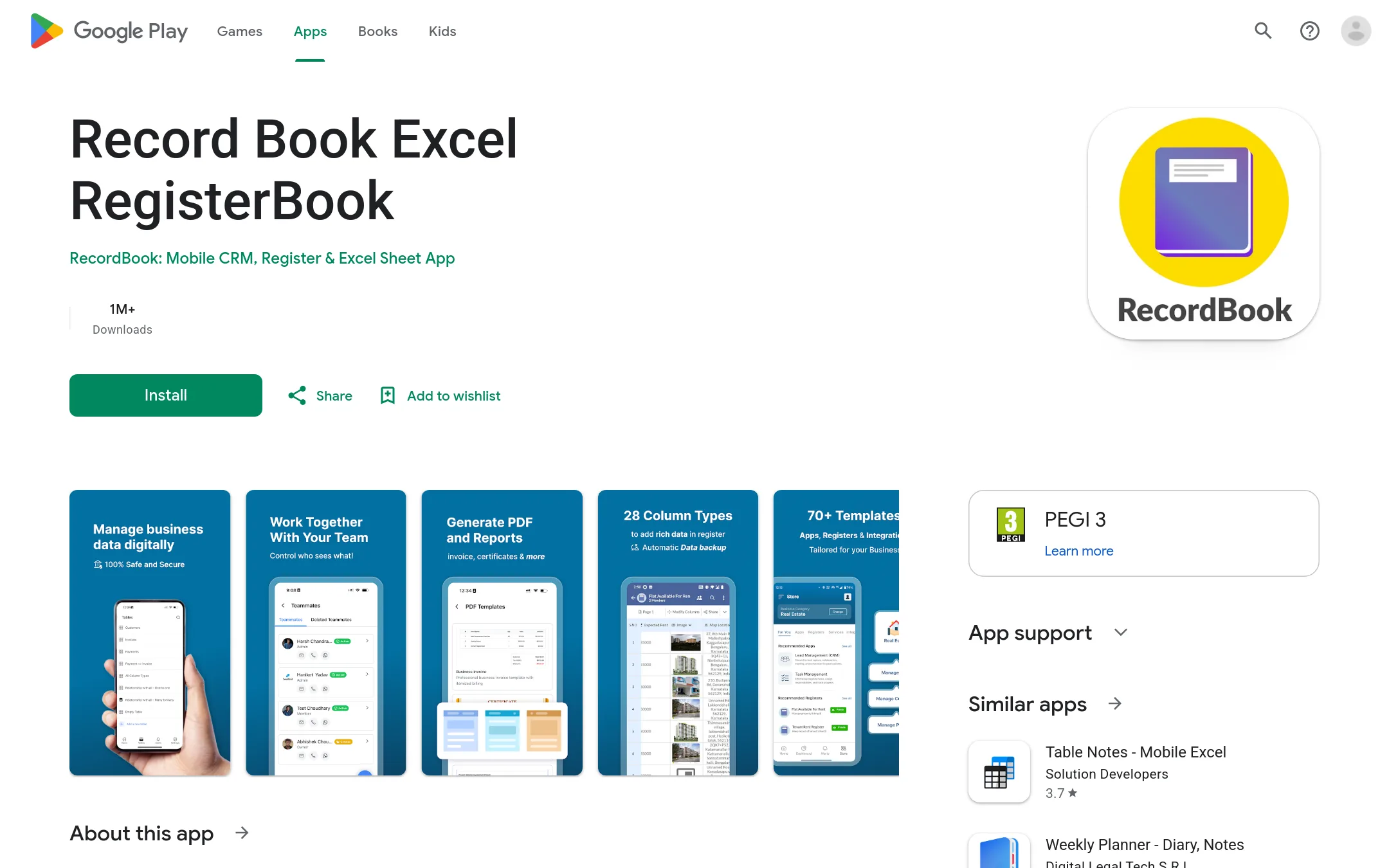
RecordBook is a no-code app for small businesses that want to track records in a spreadsheet-like database, styled as an Airtable alternative for SMBs. Choose it over Modelence when you want to build simple internal records or workflows yourself without deploying a backend, databases and scheduled jobs.
Where it is strong
- Built for non-technical owners of small businesses
- No code or deployment setup needed to get started
- Available as a mobile app from the Google Play listing
Where it falls short
- Does not offer a deployable backend, scheduled jobs or production monitoring like Modelence
- Listing details offer no public information on regions, compliance or uptime
- Pricing:
- Pricing is not published on the site.
- Not published
6.Datadog
Best for: Engineering teams with existing cloud infrastructure that need deep monitoring, logs and security analysis across many services
- Pricing
- Not published
- Category
- Analytics & Data
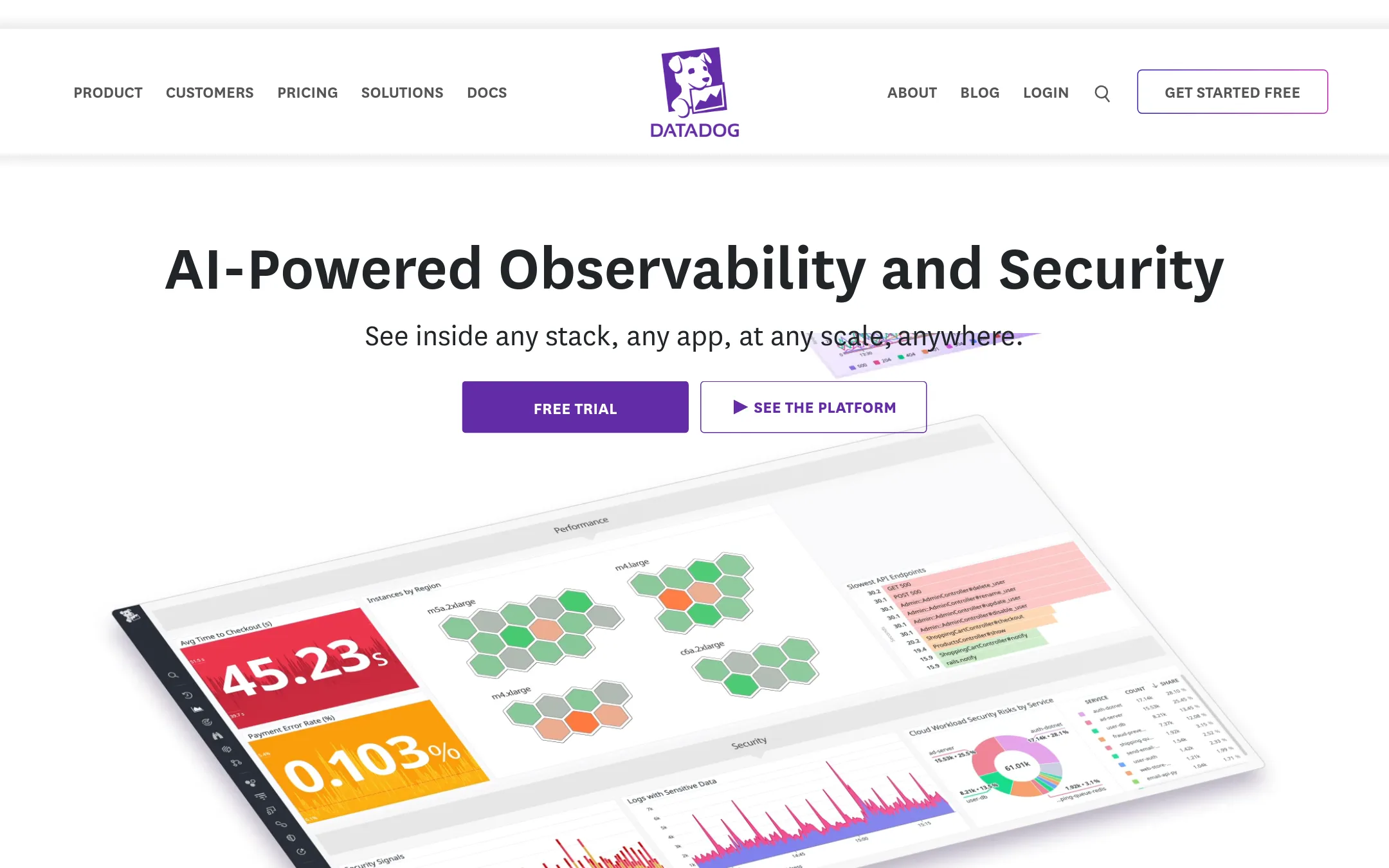
Datadog is a monitoring and observability platform covering infrastructure, APM, logs, security and digital experience. Teams pick it over Modelence when they already run their own cloud infrastructure and want a dedicated observability layer across many tools, rather than a hosted cloud that also runs the app for them.
Where it is strong
- Covers infrastructure, application, log and security monitoring in one product
- Broad integrations with cloud providers and third-party tools
- Pricing page lists many product lines, so teams can add only what they need
Where it falls short
- Monitors your infrastructure but does not host or deploy your backend, databases or jobs
- Some products are listed as unavailable on the US-FED site
- Pricing:
- Pricing is not published on the site.
- Switching from Modelence:
- Datadog does not host your app, so moving from Modelence means setting up your own hosting and then connecting Datadog to it.
See more comparisons in AI & Machine Learning alternatives.
FAQ
Questions about Modelence alternatives
Which Modelence alternative is best for running your own services and cron jobs?
Railway is the closest fit for that. It lets teams deploy services, databases, workers and cron jobs on one canvas, and it bills compute per vCPU and GB-second. Your team sets up and operates alerts and responses itself, which is the main difference from Modelence's autopilot.
Does any alternative watch and fix production automatically like Modelence's autopilot?
The entries do not describe that behaviour for the alternatives. Railway, Render and Heroku all leave alerting and incident response with your team. Modelence is the only one of these listings that says it restarts crashed processes and reroutes traffic on your behalf.
Which alternative is best for agent products that need per-user sandboxes?
Fly.io is designed for that case. Each computer runs as its own hardware-isolated Firecracker microVM across 18 regions, and machines bill by the second and can be stopped when idle. You operate the app yourself, so you will manage restarts and traffic handling.
Are there options for teams that only want a simple records tool without deployment?
RecordBook is aimed at small businesses that want to track records and simple workflows without writing code or running infrastructure. It is a different category from Modelence, which deploys backends, databases and scheduled jobs. Pricing for RecordBook is not published on its site.
How do the prices compare across these alternatives?
Each vendor structures pricing differently, so direct comparison takes some calculation. Render lists a $7 per month web instance and managed Postgres from $6 per month. Railway includes monthly usage credits on each plan and bills beyond that. Fly.io bills per second with a shared-cpu-1x Machine at $2.19 per month. Modelence lists a Starter plan with $20 of usage included and per-hour container pricing from $9 per month.
Last updated November 24, 2026.