Multifactor alternatives
6 products compared · Updated November 13, 2026
The short answer
For sharing account access without handing over passwords, Okta suits companies that need centralized single sign-on and MFA across many apps and users. Duo Security suits growing companies that want phishing-resistant MFA and single sign-on for employees, with a free tier for up to 10 users. Auth0 suits software teams building login, SSO, and agent authorization into their own products.
Your shortlist, at a glance
Read the comparisons ↓ OktaFrom $6/user/moCompanies with a workforce or customer base that need centralized single sign-on, MFA, and governance across many apps
 Duo SecurityFrom $0 per user/moGrowing companies and enterprises that need phishing-resistant MFA and single sign-on for employees across many internal apps
Microsoft Azure CycleCloudConsumption-basedResearch and engineering teams running HPC or batch compute clusters on Azure
 Auth0Not publishedSoftware teams building their own apps or B2B products that need SSO, passwordless login, and agent authorization
 TwilioFrom $0.0083 per SMSProduct teams that need to send SMS, WhatsApp, voice, or email from their own application, with pay-as-you-go pricing
- AAuthyNot publishedIndividuals and small teams who want free two-factor codes for their own logins across phones and computers
About Multifactor and its alternatives
Multifactor is a service for sharing online accounts with people and AI agents without sharing the underlying password. According to its site, you set what a shared link can do, see every action in a live log, and can end access at any time. Its homepage also describes a post-quantum, zero-trust design where its servers only ever see ciphertext.
When comparing alternatives in this category, weigh the pricing structure first, since some tools charge per user, some per usage, and some only on request. Check which regions and currencies a vendor publishes prices for, which integrations it supports, how much support is included, and what the contract terms require. Also check whether the tool is built to share existing accounts or to build login into your own software, because those are different jobs.
Explore the alternatives
- From $6/user/mo
1.Okta
Best for: Companies with a workforce or customer base that need centralized single sign-on, MFA, and governance across many apps
- Pricing
- From $6/user/mo
- Category
- Security & Privacy
Okta is an identity platform for employees, customers, and AI agents, covering single sign-on, multi-factor authentication, and lifecycle management. Teams choose it over Multifactor when they need to manage workforce or customer logins across many apps and directories, not share individual account access.
Where it is strong
- Single sign-on and MFA across cloud and on-prem apps
- Covers workforce, customer, and AI agent identity in one platform
- Recognized as a Leader in Gartner's 2025 Magic Quadrant for Access Management
Where it falls short
- Built for organizations managing identity at scale, which is more than a founder sharing one bank login needs
- Advanced tiers require talking to sales, and Professional and Enterprise pricing is not published
- Pricing:
- Starter is $6 per user per month, Core Essentials is $14 per user per month, Essentials is $17 per user per month, and Professional and Enterprise are quoted on request.
- From $0 per user/mo
2.Duo Security
Best for: Growing companies and enterprises that need phishing-resistant MFA and single sign-on for employees across many internal apps
- Pricing
- From $0 per user/mo
- Category
- Security & Privacy
Duo Security is an identity and access management platform built around multifactor authentication, single sign-on and device checks, mainly to protect employee logins to company apps. Teams choose it over Multifactor when their core need is controlling workforce access to internal systems rather than sharing individual online accounts with other people or AI agents.
Where it is strong
- Free tier covers up to 10 users
- Phishing-resistant MFA and passwordless login are available from the Essentials edition
- Includes a directory, single sign-on and analytics as one IAM stack
Where it falls short
- Built for workforce access to company apps, not for sharing a single account with outside people or AI agents
- Advanced features such as Identity Intelligence and Premier device trust are only in higher-priced editions
- Pricing:
- Duo Free covers up to 10 users at $0 per user per month, Essentials is $3, Advantage is $6 and Premier is $9 per user per month, with a 30-day free trial.
- Switching from Multifactor:
- Moving from Multifactor would mean changing from account sharing to managing employee identities and app logins, so it is a different workflow rather than a direct replacement.
- Consumption-based
3.Microsoft Azure CycleCloud
Best for: Research and engineering teams running HPC or batch compute clusters on Azure
- Pricing
- Consumption-based
- Category
- Developer Tools
Azure CycleCloud is an HPC orchestration tool for building and managing scalable compute clusters on Azure. Someone would pick it over Multifactor if they run batch or scientific workloads that need cluster schedulers and autoscaling, rather than sharing logins to online accounts with people or AI agents.
Where it is strong
- Manages scalable HPC cluster deployments on Azure
- Pay-as-you-go pricing with commitment-based savings options
- Part of the broad Azure platform with established cloud governance tools
Where it falls short
- Solves cluster orchestration, not account sharing or credential security
- Pricing depends on the underlying Azure compute and storage you consume
- Pricing:
- In the United States, pricing is consumption-based with commitment discounts such as Azure reservations and savings plans, but the page does not state a per-unit CycleCloud price.
- Not published
4.Auth0
Best for: Software teams building their own apps or B2B products that need SSO, passwordless login, and agent authorization
- Pricing
- Not published
- Category
- Security & Privacy
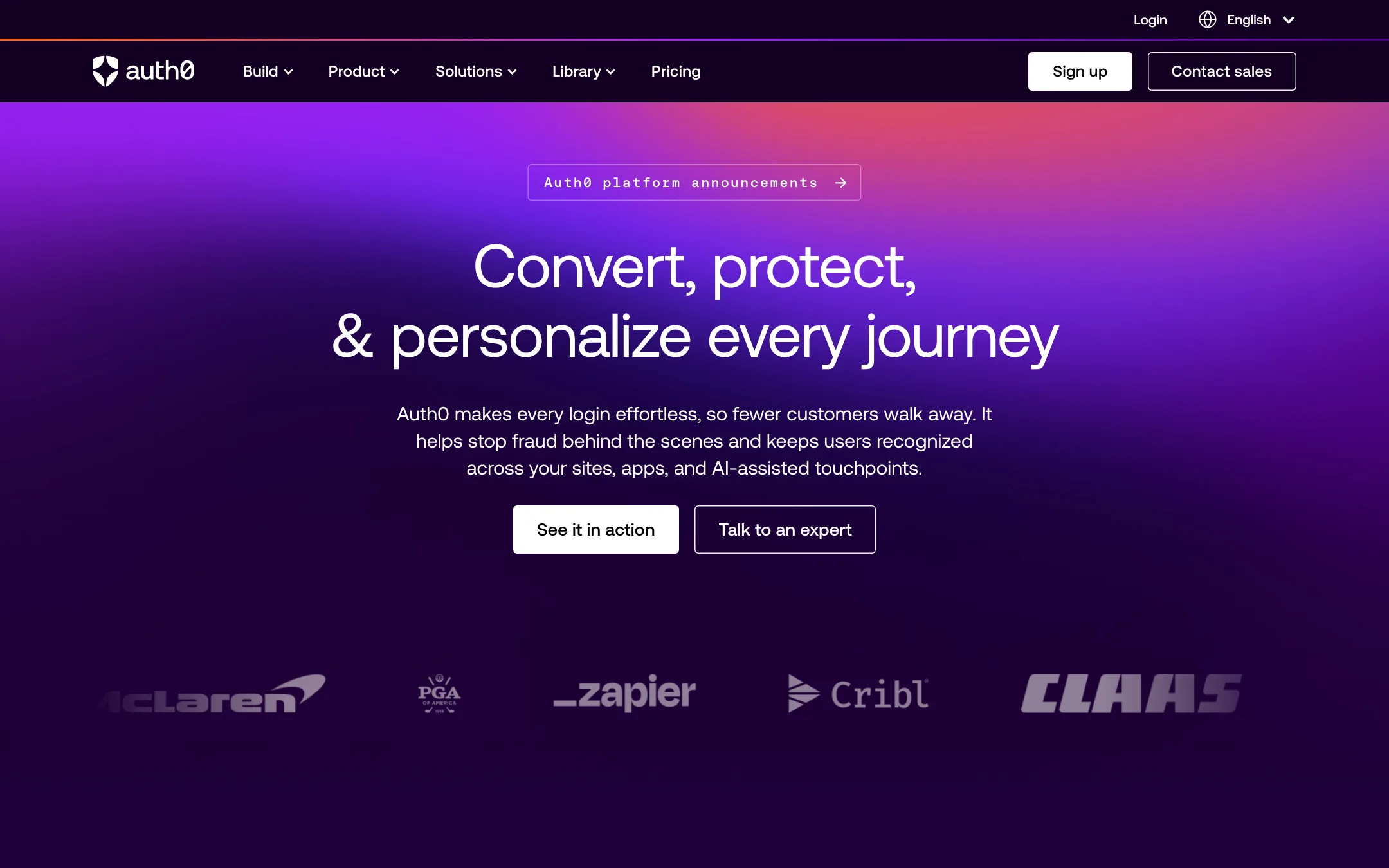
Auth0 is a full authentication and authorization platform for apps, APIs, and AI agents. Teams pick it when they need to add login, SSO, MFA, and fine-grained permissions to their own products, or to give AI agents controlled access to tools and data. Multifactor is aimed at sharing existing accounts with people and agents without handing over passwords, so teams that want to build identity into their own software tend to choose Auth0 instead.
Where it is strong
- Pre-built SDKs for 30+ languages and frameworks
- Enterprise SSO, SCIM, and organizations for B2B products
- Fine-grained authorization and controls for AI agents and MCP tools
Where it falls short
- Built for developers integrating identity into their own software, not for sharing existing accounts with people
- Enterprise features such as private cloud and advanced security are add-ons or enterprise-only
- Pricing:
- Pricing is not published on the site.
- From $0.0083 per SMS
5.Twilio
Best for: Product teams that need to send SMS, WhatsApp, voice, or email from their own application, with pay-as-you-go pricing
- Pricing
- From $0.0083 per SMS
- Category
- Communication & Collaboration
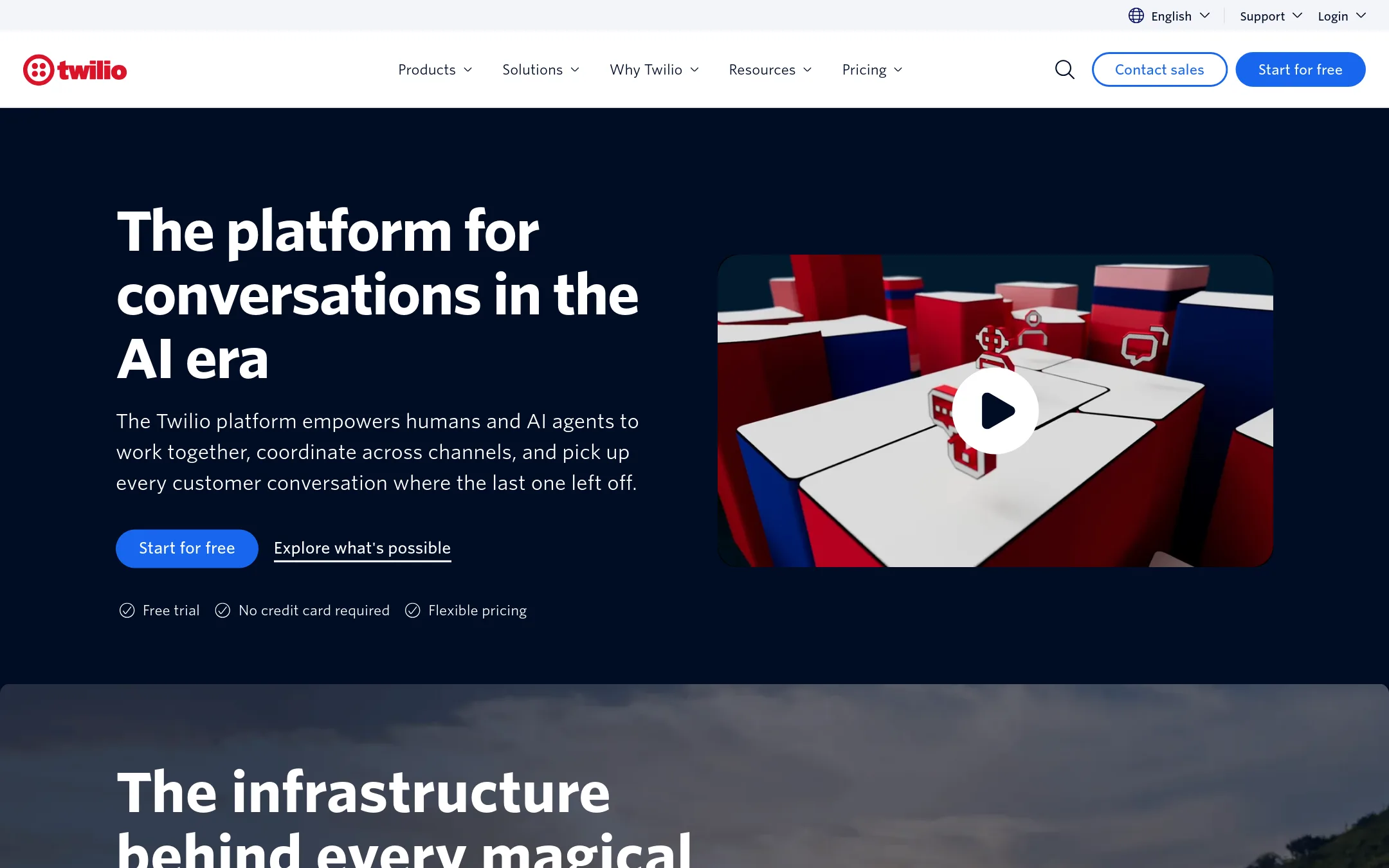
Twilio is a communications platform for building SMS, voice, email, and messaging features into your own product through APIs. Teams pick it over Multifactor when they need to send messages, run calls, or verify phone numbers as part of their app rather than share logins with people or AI agents.
Where it is strong
- Covers SMS, RCS, WhatsApp, voice, and email on one platform
- Pay-as-you-go pricing with a free trial and no credit card needed to start
- Offers identity verification and phone number lookup for fraud control
Where it falls short
- It is built for developers and does not share account access with people or AI agents the way Multifactor does
- Several products, such as Segment CDP and Protocols, are priced only on request
- Pricing:
- In the United States, pay-as-you-go pricing starts at $0.0083 per SMS sent or received, $0.05 per Verify check, and $0.05 per active user per month for the Conversations API, with a free trial that needs no credit card.
- ANot published
6.Authy
Best for: Individuals and small teams who want free two-factor codes for their own logins across phones and computers
- Pricing
- Not published
- Category
- Other
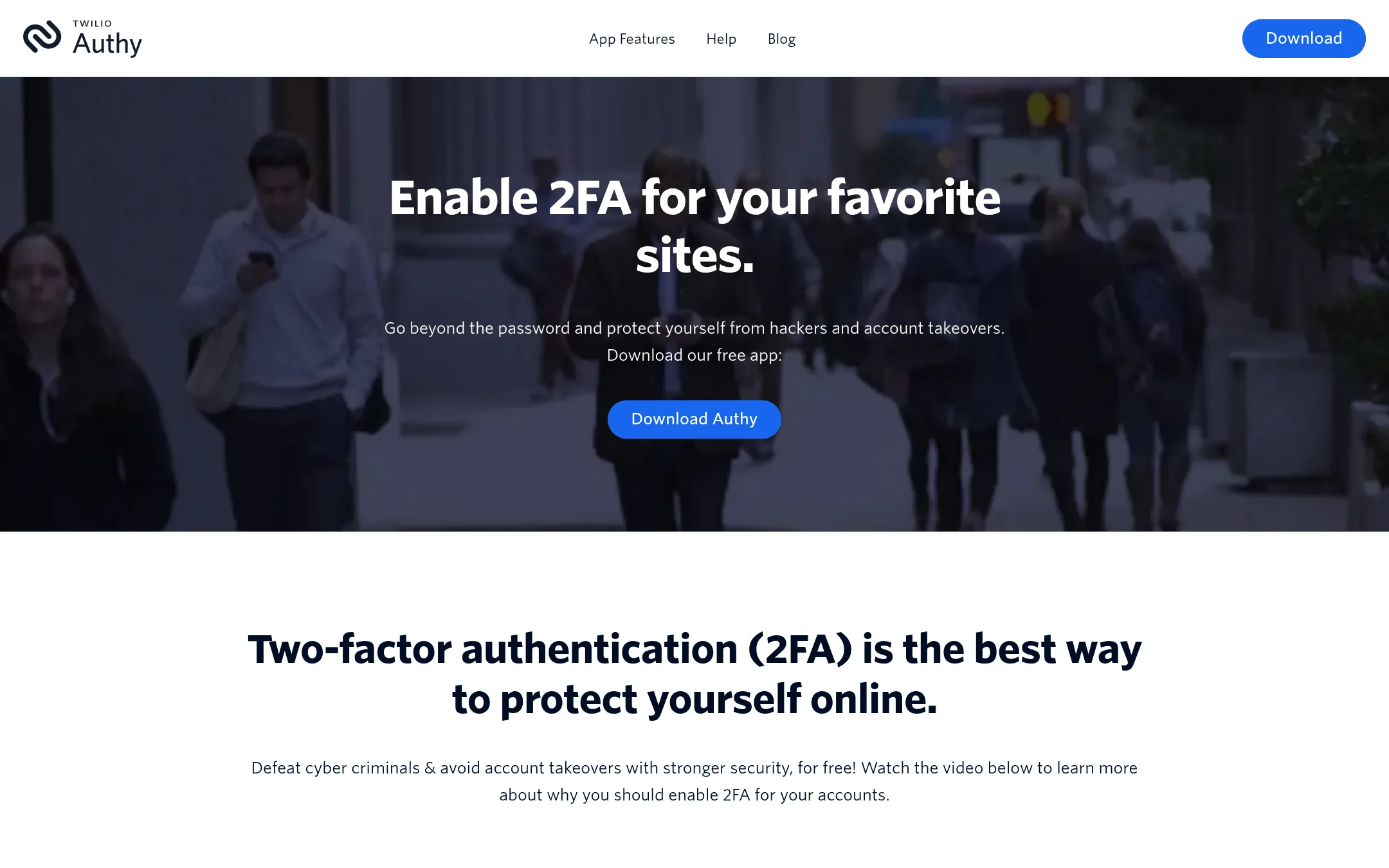
Authy is a free two-factor authentication app that generates one-time codes for logins and backs them up to the cloud across devices. Someone would choose it over Multifactor when the goal is simply adding a second login step to their own accounts, not sharing access to those accounts with other people or AI agents.
Where it is strong
- Free to download and use, with no pricing page on the site
- Simple setup with cloud backup so codes survive a lost phone
- Works across multiple devices
Where it falls short
- Built for verifying your own identity, not for sharing account access with others or AI agents
- The site describes no auditing or enterprise controls, unlike Multifactor's enterprise plans
- Pricing:
- Pricing is not published on the site.
See more comparisons in Security & Privacy alternatives.
FAQ
Questions about Multifactor alternatives
What is the best alternative if I mainly need to share one account with my team?
The entries in this list focus on different jobs, so none is a direct substitute for sharing a single login. Okta and Duo Security manage workforce logins across many company apps, which is broader than one shared account. Teams that only need to add a second login step to their own accounts can look at Authy, which is free.
Which alternative has a free option?
Duo Security has a free tier that covers up to 10 users at $0 per user per month, plus a 30-day free trial of its paid editions. Authy is free to download and use, and the site does not publish a pricing page. Twilio offers a free trial that needs no credit card to start.
Which alternative is best for AI agents?
Auth0 describes controls for AI agents and MCP tools, including fine-grained authorization, so it is the entry most focused on agent access. Okta also lists AI agent identity alongside workforce and customer identity. Both are aimed at developers and organizations managing identity at scale.
How do the prices compare?
Okta lists Starter at $6, Core Essentials at $14, and Essentials at $17 per user per month, with higher tiers quoted on request. Duo lists Essentials at $3, Advantage at $6, and Premier at $9 per user per month. Auth0 and Authy do not publish pricing on their sites, and Azure CycleCloud charges on consumption, so its cost depends on the compute you use.
Do these alternatives support enterprise compliance and single sign-on?
Okta and Duo Security both offer single sign-on and centralized access controls for companies. Auth0 offers enterprise SSO, SCIM, and organization support for B2B products. Multifactor's site lists advanced auditing, SSO, and dedicated support on its Enterprise plan, so compare those specific features against the entries before deciding.
Last updated November 13, 2026.