
NuCypher (aka Threshold Network) alternatives
5 products compared · Updated November 14, 2026
The short answer
The three strongest alternatives to NuCypher (aka Threshold Network) are Coinbase, Lombard and tBTC. Coinbase suits individuals and businesses that want one regulated account for trading crypto and U.S. stocks. Lombard suits Bitcoin holders who want yield, borrowing or Bitcoin asset integration, and tBTC suits DeFi users and treasuries that want to move native Bitcoin onto other chains and use it as collateral.
Your shortlist, at a glance
Read the comparisons ↓- WWrapped Bitcoin (WBTC)Not publishedDeFi protocols and users who need Bitcoin liquidity on Ethereum, Solana or TRON as collateral or for yield strategies
- CCoinbaseNot publishedIndividuals and businesses that want one account to trade crypto and U.S. stocks instead of running threshold cryptography in their own product
- LLombardNot publishedBitcoin holders and exchanges or wallets that want yield, borrowing or Bitcoin asset integration without building the infrastructure themselves.
- BBabylonNot publishedBitcoin holders who want to borrow stablecoins on Ethereum using native BTC as collateral, starting with Aave V4.
- BBitfinex tBTCNot publishedDeFi users and treasuries that want to move native Bitcoin onto other chains and put it to work as collateral.
About NuCypher (aka Threshold Network) and its alternatives
NuCypher (aka Threshold Network) describes itself as a network for decentralized threshold cryptography. Its homepage now centers on Bitcoin, saying Threshold makes Bitcoin usable in DeFi through tBTC, with lending, staking, trading and yield. The site says the network has used threshold cryptography to safeguard Bitcoin since 2020.
When comparing alternatives in this category, weigh the pricing structure, which regions a product serves, which integrations it supports, the quality of support, and the contract terms. Also check whether the product solves the same problem. Some options are trading platforms, some are wrapped tokens, and some are Bitcoin yield or borrowing products, so the fit depends on what you need to build or use.
Explore the alternatives
- WNot published
1.Wrapped Bitcoin (WBTC)
Best for: DeFi protocols and users who need Bitcoin liquidity on Ethereum, Solana or TRON as collateral or for yield strategies

- Pricing
- Not published
- Category
- Other
Wrapped Bitcoin (WBTC) is a token that represents Bitcoin on Ethereum and other chains, backed 1:1 by BTC held in custody. Teams would pick it over NuCypher (aka Threshold Network) when they want simple, widely used Bitcoin liquidity inside DeFi, such as using BTC as loan collateral, rather than a threshold-cryptography network built for privacy and encryption.
Where it is strong
- Every token is backed 1:1 by Bitcoin in custody, with on-chain proof of reserves
- Usable as collateral on DeFi platforms to borrow stablecoins such as USDT
- Available across multiple chains, including Ethereum, Solana and TRON
Where it falls short
- Minting and burning are limited to identity-verified institutions approved through DAO governance
- It is a wrapped asset with custodial trust, so it does not offer the threshold-cryptography encryption tools NuCypher provides
- Pricing:
- Pricing is not published on the site.
- CNot published
2.Coinbase
Best for: Individuals and businesses that want one account to trade crypto and U.S. stocks instead of running threshold cryptography in their own product
- Pricing
- Not published
- Category
- Other
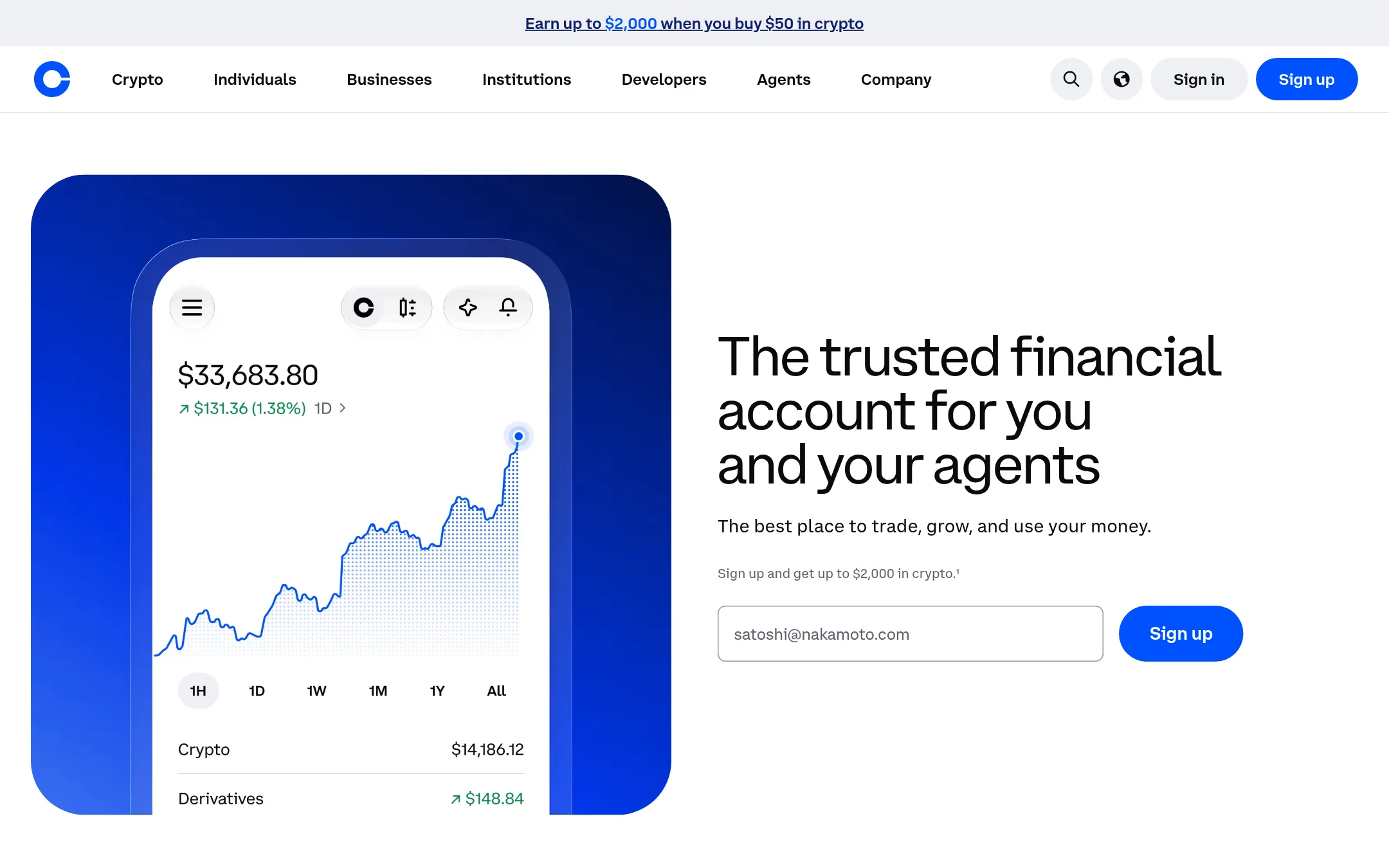
Coinbase is a consumer and business platform for buying, selling, and storing crypto, and it now also offers stock trading and futures and perpetuals. Someone would choose it over NuCypher (aka Threshold Network) if they want a regulated, mainstream place to trade assets and hold them in one account, rather than building or using a decentralized cryptography network for encrypted data access and Bitcoin-backed tokens.
Where it is strong
- Buy, sell, and hold a wide range of tokens and stocks in one account
- Trade U.S. stocks 24/5 with zero commission, according to the site
- Offers futures and perpetuals trading for users who want more exposure
Where it falls short
- It is a trading and custody platform, not a cryptography network for building encrypted or threshold-secured features
- Stock trading is listed as available to U.S. traders, so access depends on where you live
- Pricing:
- Pricing is not published on the site.
- LNot published
3.Lombard
Best for: Bitcoin holders and exchanges or wallets that want yield, borrowing or Bitcoin asset integration without building the infrastructure themselves.
- Pricing
- Not published
- Category
- Other
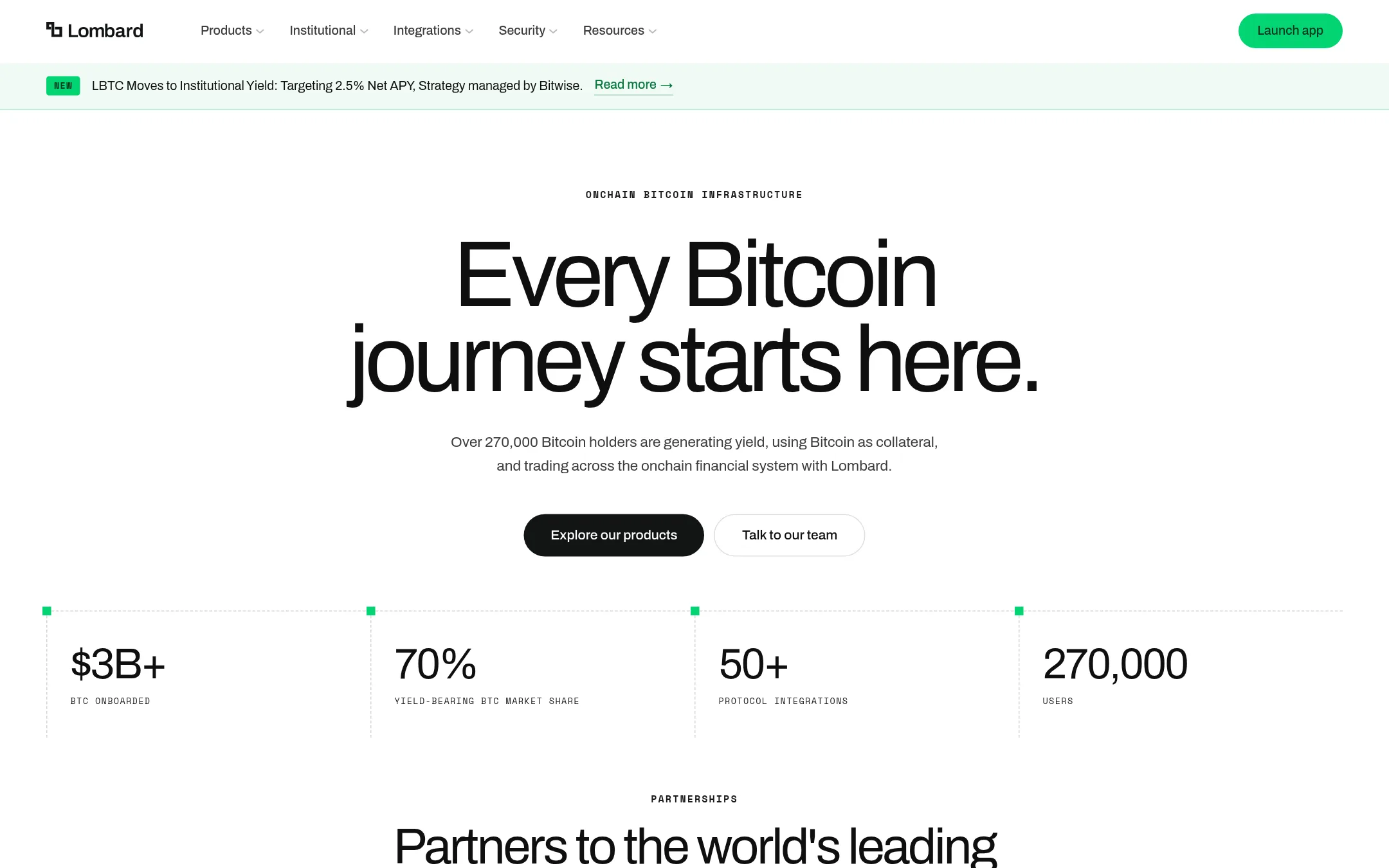
Lombard is a Bitcoin yield and liquidity platform built around LBTC, a yield-bearing liquid BTC token, plus products for borrowing stablecoins against BTC and for integrating Bitcoin assets through a TypeScript SDK. Someone would pick it over NuCypher (aka Threshold Network) if they want to earn yield on Bitcoin or borrow against it rather than mainly use Bitcoin as a bridged asset for DeFi.
Where it is strong
- Covers yield, borrowing and asset issuance in one product family, with LBTC and BTC.b.
- Offers a single TypeScript SDK for wallets, exchanges and protocols.
- Lists named integrations such as Ledger, Binance and Bybit on its site.
Where it falls short
- Mint, burn and bridge rely on a 12-member Security Consortium with a 10-of-14 approval threshold, a different trust model from Threshold's t
- The site describes a broader yield and lending product set, so it is less focused on the privacy and threshold cryptography use cases NuCyph
- Pricing:
- Pricing is not published on the site.
- BNot published
4.Babylon
Best for: Bitcoin holders who want to borrow stablecoins on Ethereum using native BTC as collateral, starting with Aave V4.
- Pricing
- Not published
- Category
- Other
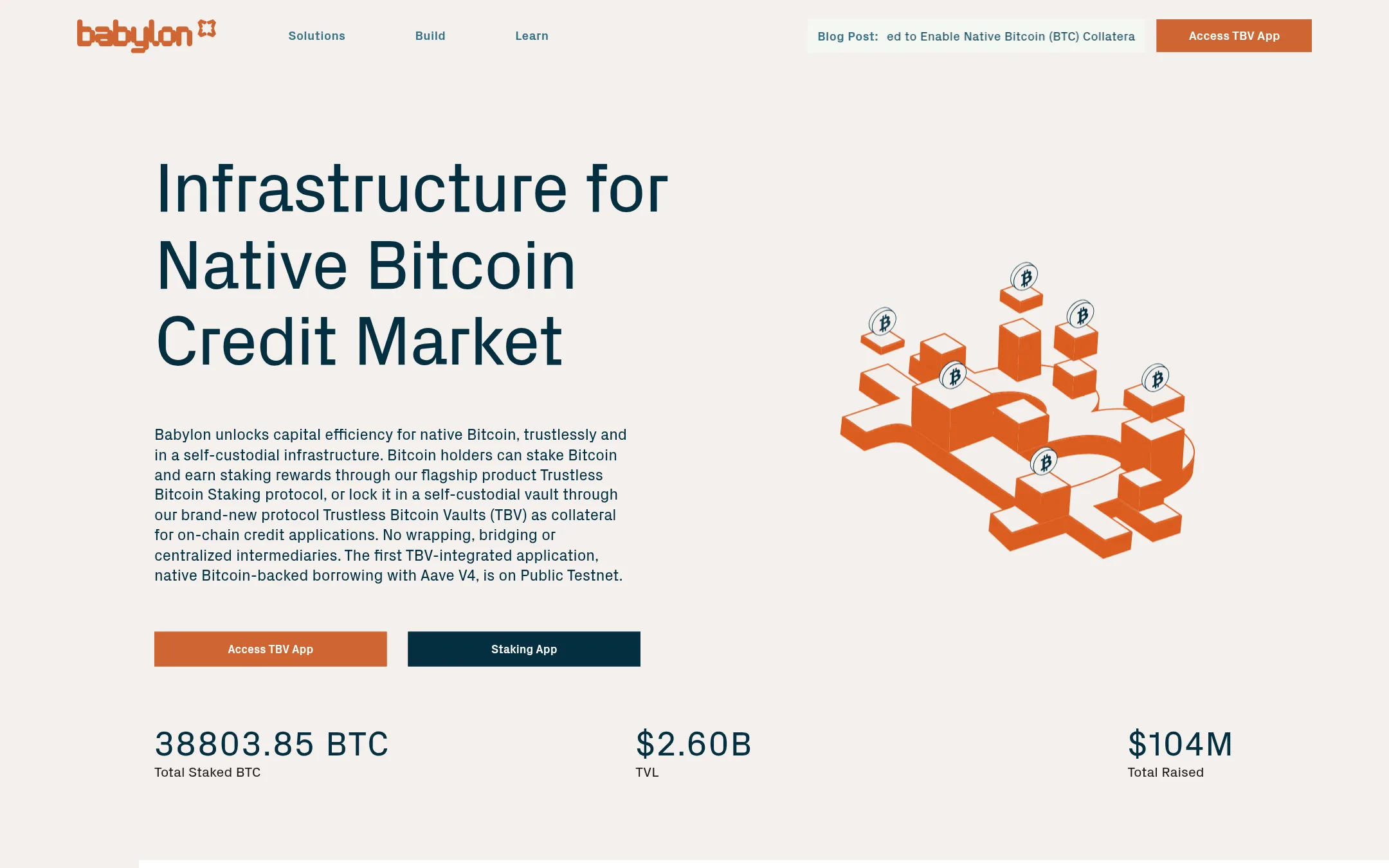
Babylon is an infrastructure project that lets native Bitcoin serve as collateral without wrapping or bridging. The Bitcoin stays locked on the Bitcoin network in a self-custodial vault the holder creates. Someone would pick Babylon over NuCypher (aka Threshold Network) if the goal is to borrow against BTC held directly, not to hold a bridged token like tBTC.
Where it is strong
- Bitcoin stays on the Bitcoin network in a self-custodial vault, with no wrapping or bridging.
- Native Bitcoin-backed borrowing on Aave V4 is the first use case.
- Also offers Bitcoin staking to help validate other blockchains.
Where it falls short
- Borrowing is on a public testnet, so the live product is not yet confirmed here.
- The site does not say which chains beyond Ethereum are supported.
- Pricing:
- Pricing is not published on the site.
- Switching from NuCypher (aka Threshold Network):
- Moving from NuCypher (aka Threshold Network) would mean creating and activating a BTCVault, since the site describes the Bitcoin as locked in a vault the holder sets up.
- BNot published
5.Bitfinex tBTC
Best for: DeFi users and treasuries that want to move native Bitcoin onto other chains and put it to work as collateral.
- Pricing
- Not published
- Category
- Other
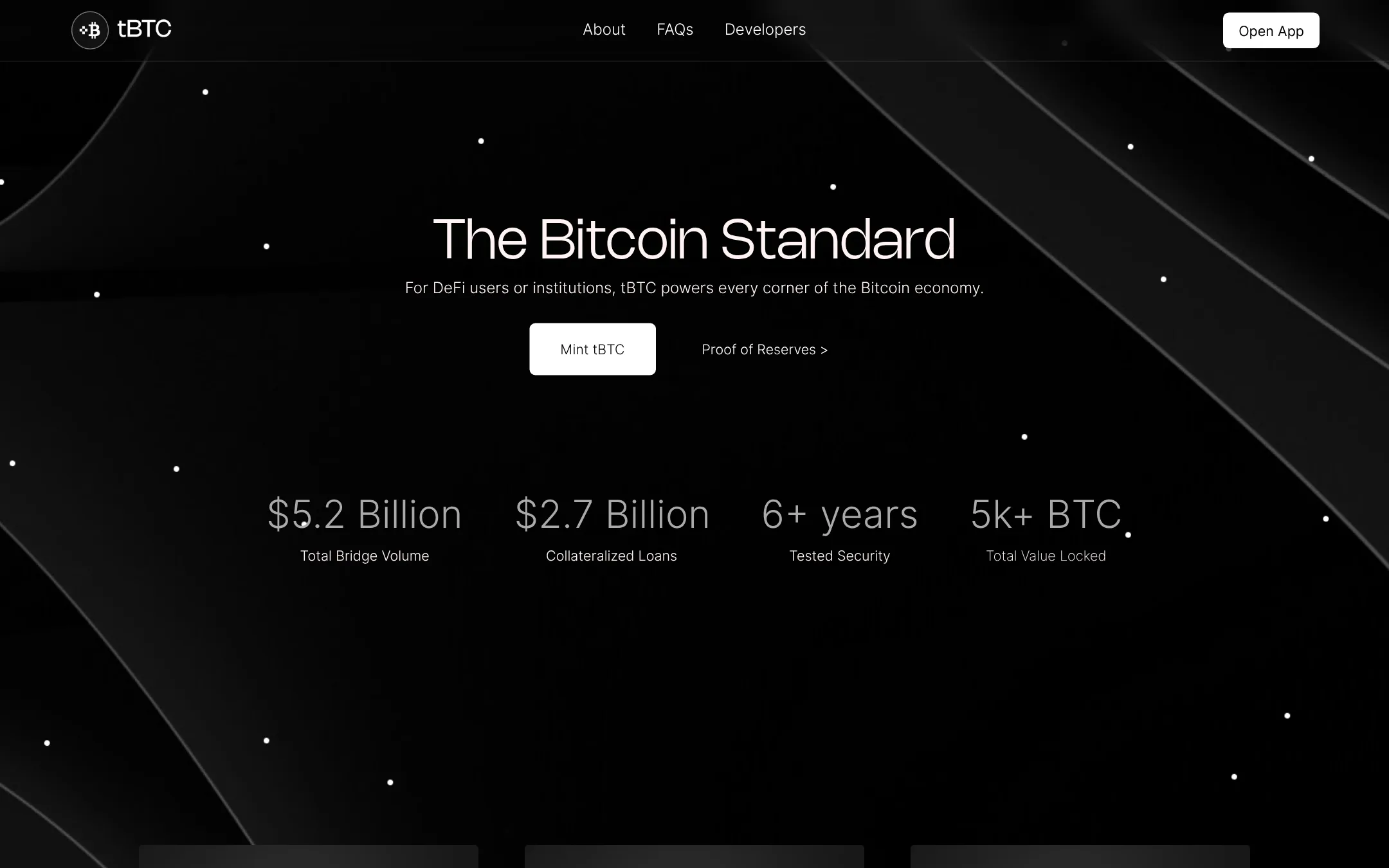
tBTC is a way to bring native Bitcoin onto Ethereum, Arbitrum, Base, Starknet and Sui, and use it in DeFi. Someone would pick it over NuCypher (aka Threshold Network) when the goal is holding and using Bitcoin onchain rather than running threshold cryptography for privacy or encryption. The site describes bridging, swapping and lending tBTC as collateral on Aave.
Where it is strong
- Mints from native BTC to five chains: Ethereum, Arbitrum, Base, Starknet and Sui.
- Burns tBTC back to native BTC 1:1 to an address you control.
- Audited by five firms and has a bug bounty on Immunefi.
Where it falls short
- Built for moving and using Bitcoin, so it does not offer the privacy or encryption features that NuCypher is known for.
- Minting needs at least 0.01 BTC and usually takes one to two hours.
- Pricing:
- Pricing is not published on the site.
See more comparisons in Security & Privacy alternatives.
FAQ
Questions about NuCypher (aka Threshold Network) alternatives
What is NuCypher (aka Threshold Network) best known for?
According to its site, Threshold is known for threshold cryptography and for tBTC, a way to use Bitcoin in DeFi. The site says it has safeguarded Bitcoin through threshold cryptography since 2020. Its homepage focuses on lending, staking, trading and yield for Bitcoin.
Which alternative should I choose if I want to trade crypto and stocks in one account?
Coinbase is built for that. It lets you buy, sell and hold a wide range of tokens and trade U.S. stocks 24/5 with zero commission, according to the site. Stock trading is listed for U.S. traders, so check whether it is available where you live.
How do I earn yield or borrow against Bitcoin?
Lombard offers LBTC, a yield-bearing liquid BTC token, along with products for borrowing stablecoins against BTC. Its mint, burn and bridge rely on a 12-member Security Consortium with a 10-of-14 approval threshold. Babylon is another option, letting you borrow against native Bitcoin held in a self-custodial vault, though its borrowing is on a public testnet.
What should I know before minting tBTC?
Minting requires at least 0.01 BTC and usually takes one to two hours, according to the site. tBTC can be minted to Ethereum, Arbitrum, Base, Starknet and Sui, and it can be burned back to native BTC 1:1. The product is built for moving and using Bitcoin, not for the privacy or encryption features NuCypher is known for.
Do any of these alternatives offer the threshold cryptography NuCypher provides?
Not as a general tool for building encrypted or threshold-secured features. Coinbase is a trading and custody platform, while Wrapped Bitcoin, Lombard, Babylon and tBTC are Bitcoin assets or products for using BTC in DeFi. If your need is encryption or privacy infrastructure, compare the technical scope of each option before choosing.
Last updated November 14, 2026.