Oda alternatives
8 products compared · Updated October 18, 2026
The short answer
For teams already on Microsoft 365, Microsoft Power BI is the strongest alternative for interactive dashboards and reports. Looker suits organizations on Google Cloud that need governed BI with a semantic layer and embedded analytics. Domo is best for enterprises that want a governed, AI-assisted analytics platform with unlimited users, though its pricing is opaque.
Your shortlist, at a glance
Read the comparisons ↓- TTableauSee websiteData visualization and analytics platform
 Microsoft Power BINot publishedTeams already using Microsoft 365 that need interactive dashboards and reports from structured business data.
 LookerNot publishedTeams already on Google Cloud that need governed BI, embedded dashboards, and AI-assisted analytics with a trusted metric layer.
 ThoughtSpotFrom $25/user/moMid-size to enterprise teams that want governed, AI-driven analytics and embedded dashboards across their existing data stack.
 SisenseNot publishedB2B SaaS companies that need to embed analytics into their product with row-level security and white-labeling.
DomoCustom quoteTeams that need a governed, enterprise-grade analytics platform with AI-assisted workflows and unlimited users.
 Qlik SenseNot publishedTeams that need on-prem analytics with broad data integration across ERP, databases, and spreadsheets.
 DataRobotNot publishedEnterprise teams that need to build, deploy, and govern AI agents at scale across multiple departments.
About Oda and its alternatives
Oda is an AI solutions company that builds custom pipelines for complex, unstructured data in construction, finance, and media. It is known for extracting insights from architectural drawings, SEC filings, and financial statements using vision-language models and knowledge graphs, and for offering end-to-end development from data annotation to model deployment.
When comparing alternatives, weigh pricing structure (per-user vs. credit-based vs. custom quotes), regional availability, integrations with your existing stack (Microsoft 365, Google Cloud, etc.), support for unstructured vs. structured data, and contract terms like free trials or annual billing. Most alternatives focus on structured business data and may not handle drawings or filings the way Oda does.
Explore the alternatives
- TSee website
1.Tableau
Analytics & Data
Tableau is a leading analytics platform renowned for its powerful data visualization and dashboarding capabilities. It supports complex data sources with drag-and-drop ease and extensive AI integrations via Tableau AI. Compared to Oda Studio's focused AI solutions for complex data, Tableau offers superior visual storytelling and broader ecosystem connectivity but can involve steeper learning curves and higher costs for full features.
- Not published
2.Microsoft Power BI
Best for: Teams already using Microsoft 365 that need interactive dashboards and reports from structured business data.
- Pricing
- Not published
- Category
- Analytics & Data
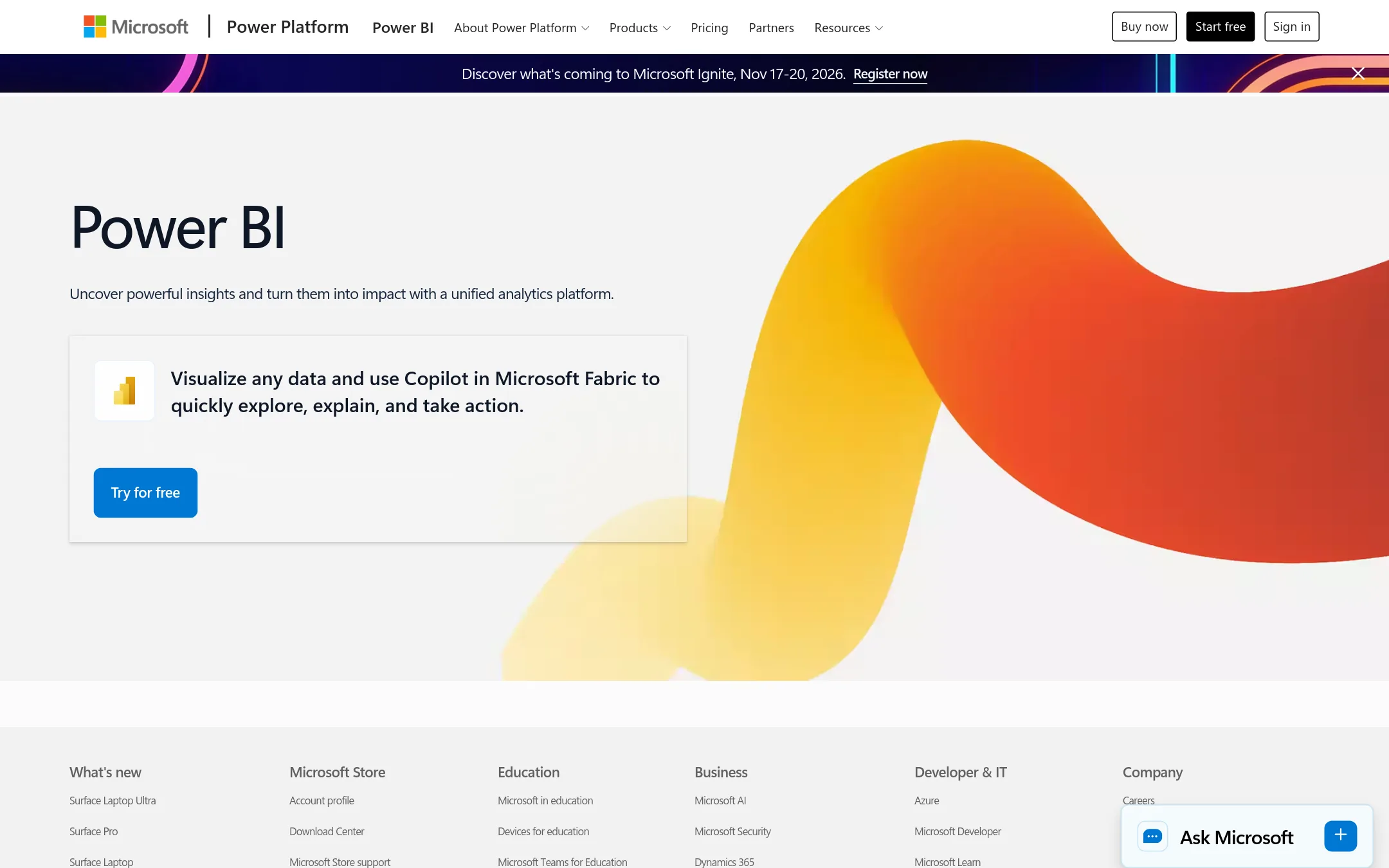
Microsoft Power BI is a self-serve business intelligence platform for visualizing data and sharing insights across an organization. Choose it over Oda when you need a mainstream analytics tool with broad integration into Microsoft 365, rather than custom AI pipelines for unstructured data.
Where it is strong
- Native integration with Microsoft 365 apps
- Interactive dashboards and reports
- Copilot in Microsoft Fabric for data exploration
Where it falls short
- No specialized handling of architectural drawings or financial filings
- Requires structured data, not raw unstructured documents
- Pricing:
- Pricing is not published on the site.
- Not published
3.Looker
Best for: Teams already on Google Cloud that need governed BI, embedded dashboards, and AI-assisted analytics with a trusted metric layer.
- Pricing
- Not published
- Category
- Analytics & Data
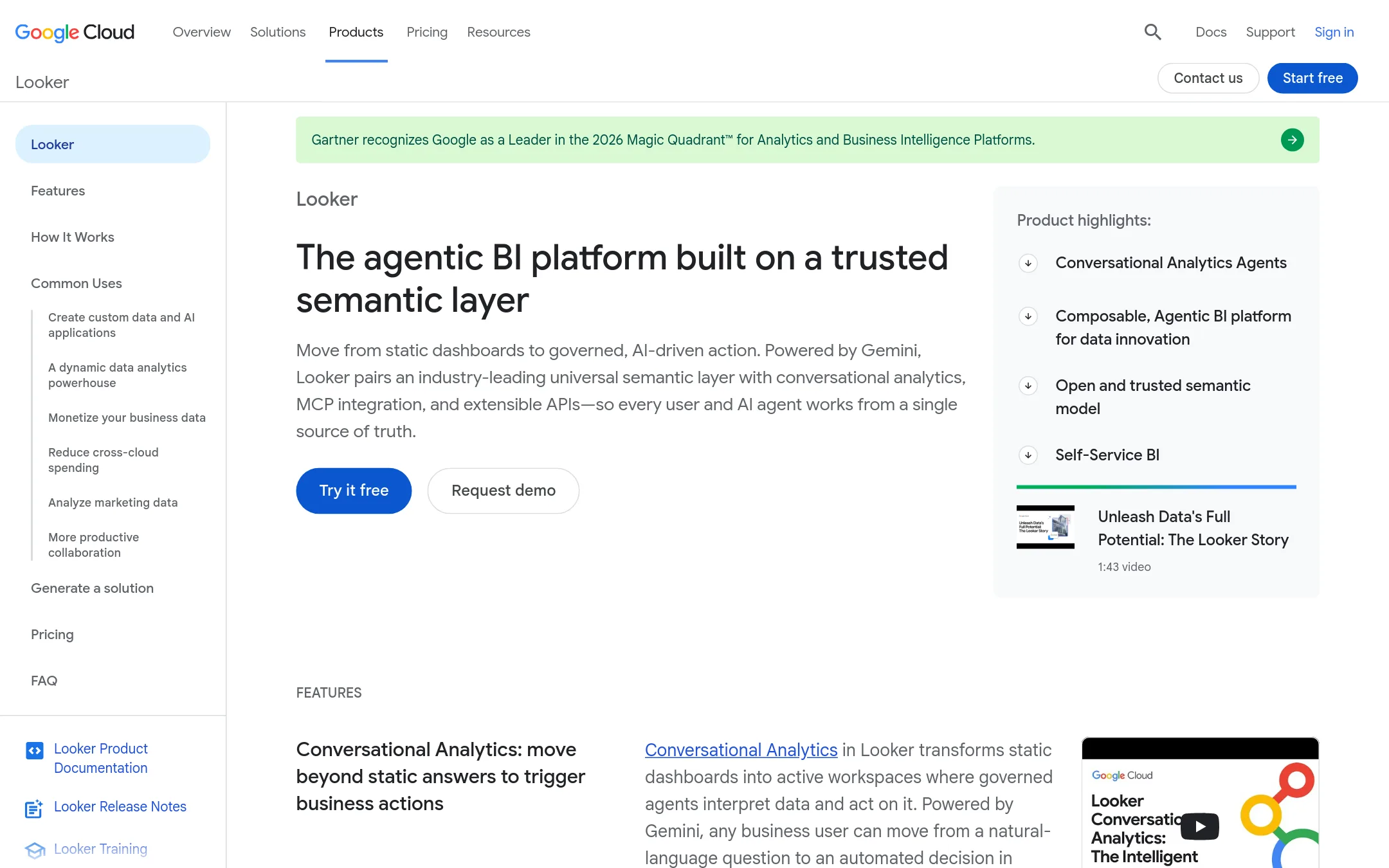
Looker is an enterprise BI platform that unifies metrics through a semantic layer and supports embedded analytics and Gemini-powered conversational agents. Choose it instead of Oda when your team needs governed, self-service analytics across business data, not custom AI pipelines for unstructured documents.
Where it is strong
- Semantic layer keeps metrics consistent across reports and tools
- Embedded analytics lets you put dashboards inside your own product
- Gemini agents answer questions conversationally on top of your data
Where it falls short
- Pricing is not public. You must contact Google Cloud for a quote
- Requires Google Cloud infrastructure and expertise to deploy and manage
- Pricing:
- Pricing is not published on the site.
- From $25/user/mo
4.ThoughtSpot
Best for: Mid-size to enterprise teams that want governed, AI-driven analytics and embedded dashboards across their existing data stack.
- Pricing
- From $25/user/mo
- Category
- Analytics & Data
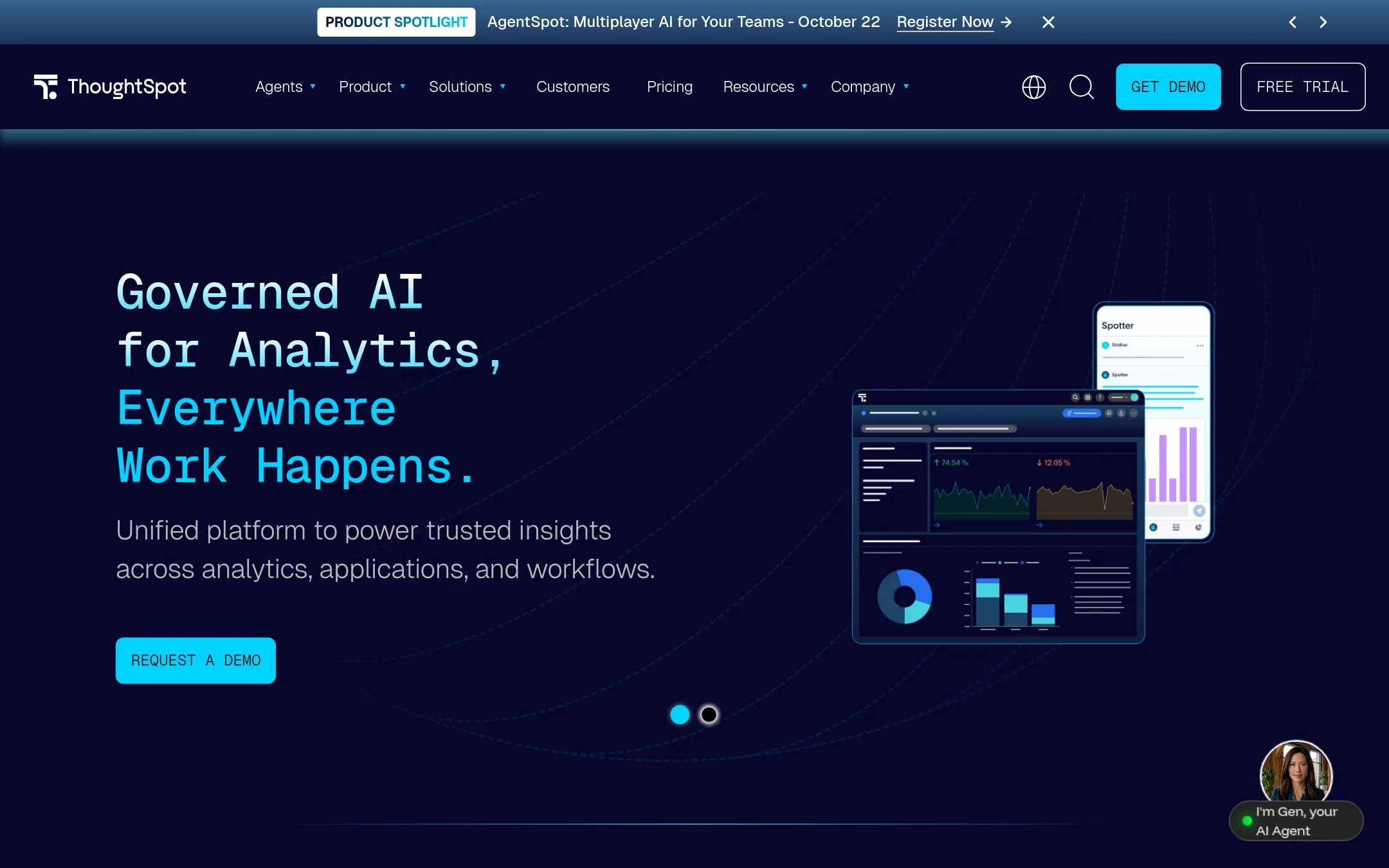
ThoughtSpot is an agentic analytics platform that gives business teams natural-language answers and dashboards on governed data. Choose it instead of Oda when your need is self-service BI and embedded analytics, not custom AI data pipelines for construction or finance documents.
Where it is strong
- Natural-language search and AI agents with unlimited LLM tokens on Pro.
- Embedded analytics via API and SDK for product teams.
- Governed semantic layer keeps definitions and security consistent.
Where it falls short
- Essentials caps at 50 users and 25M rows. Larger needs require Pro or Enterprise.
- No mention of custom AI pipeline development like Oda offers for complex documents.
- Pricing:
- Essentials is $25 per user per month billed annually, Pro is $50 per user per month billed annually, and Enterprise and Developer plans have custom pricing.
- Switching from Oda:
- Moving from Oda means shifting from custom AI pipeline work to a governed analytics platform, so you would need to connect your data sources and define metrics in ThoughtSpot's semantic layer.
- Not published
5.Sisense
Best for: B2B SaaS companies that need to embed analytics into their product with row-level security and white-labeling.
- Pricing
- Not published
- Category
- Analytics & Data
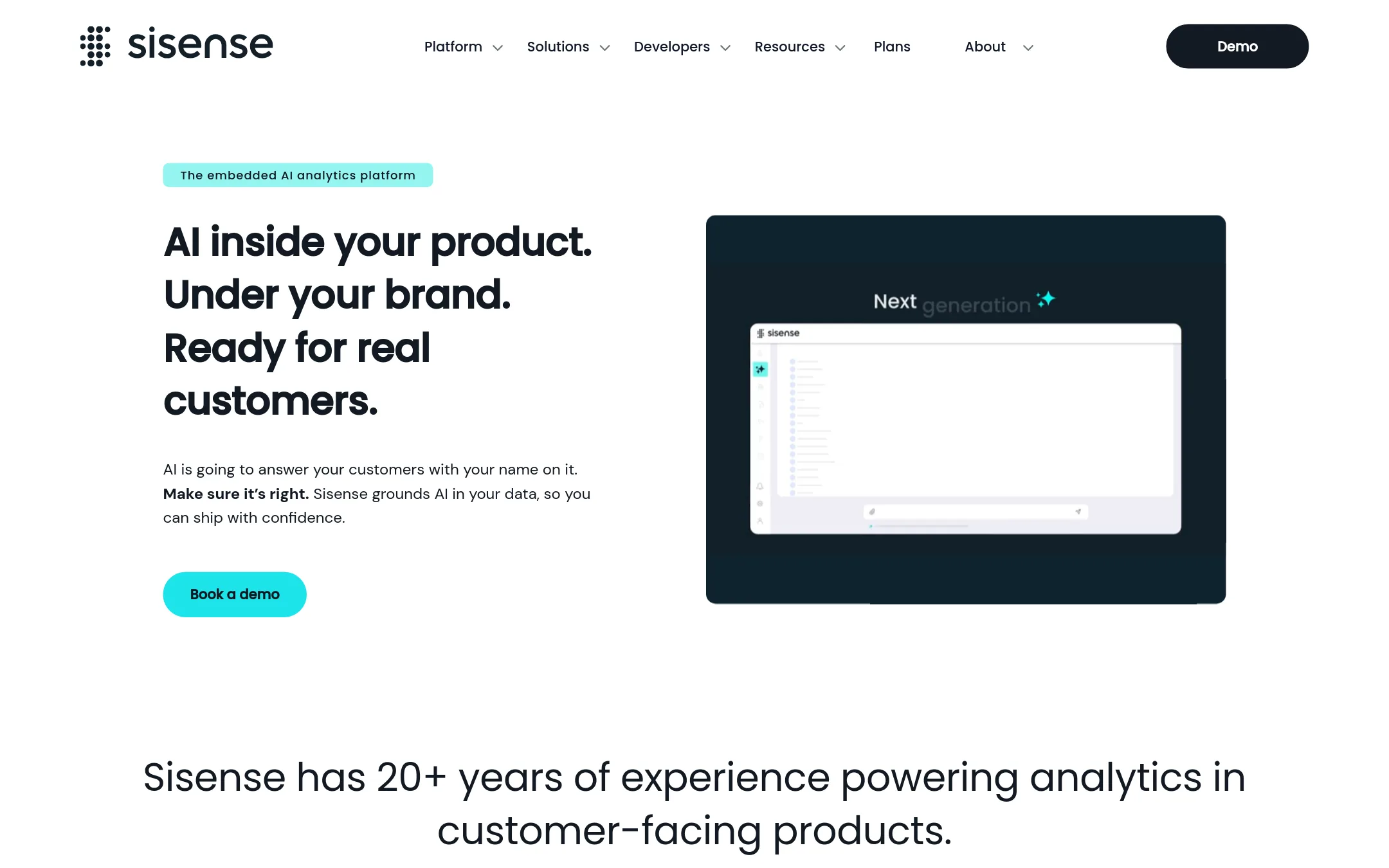
Sisense is an embedded analytics platform for product teams that want to put dashboards and AI-driven insights inside their own software. Choose it over Oda when you need a governed, white-labeled analytics layer with multi-tenant security, not custom AI pipelines for unstructured data.
Where it is strong
- Embed via iframe or Compose SDK with any tech stack
- Multi-tenant architecture isolates each customer's data
- Bring your own LLM for governed AI features
Where it falls short
- Pricing is not public, likely enterprise-focused
- No focus on construction or finance document extraction like Oda
- Pricing:
- Pricing is not published on the site.
- Custom quote
6.Domo
Best for: Teams that need a governed, enterprise-grade analytics platform with AI-assisted workflows and unlimited users.
- Pricing
- Custom quote
- Category
- Analytics & Data
Domo is a governed data platform that connects, prepares, and visualizes data from 1,000+ sources, with built-in AI agents and automation. Choose it over Oda when you need a self-serve BI and analytics platform with enterprise security and governance, rather than custom AI pipelines for unstructured data.
Where it is strong
- Unlimited users with no per-seat fees
- Built-in AI agents and conversational AI on your data
- Strong governance, security, and compliance features
Where it falls short
- Pricing is opaque and credit-based, so costs are hard to estimate upfront
- Focused on structured business data, not unstructured documents or drawings
- Pricing:
- Pricing is not published on the site. It uses a credit-based model with custom pricing and a 30-day free trial.
- Switching from Oda:
- Moving from Oda means shifting from custom AI pipeline development to a self-service platform, so you'll need to rebuild your data workflows in Domo's environment.
- Not published
7.Qlik Sense
Best for: Teams that need on-prem analytics with broad data integration across ERP, databases, and spreadsheets.
- Pricing
- Not published
- Category
- Analytics & Data
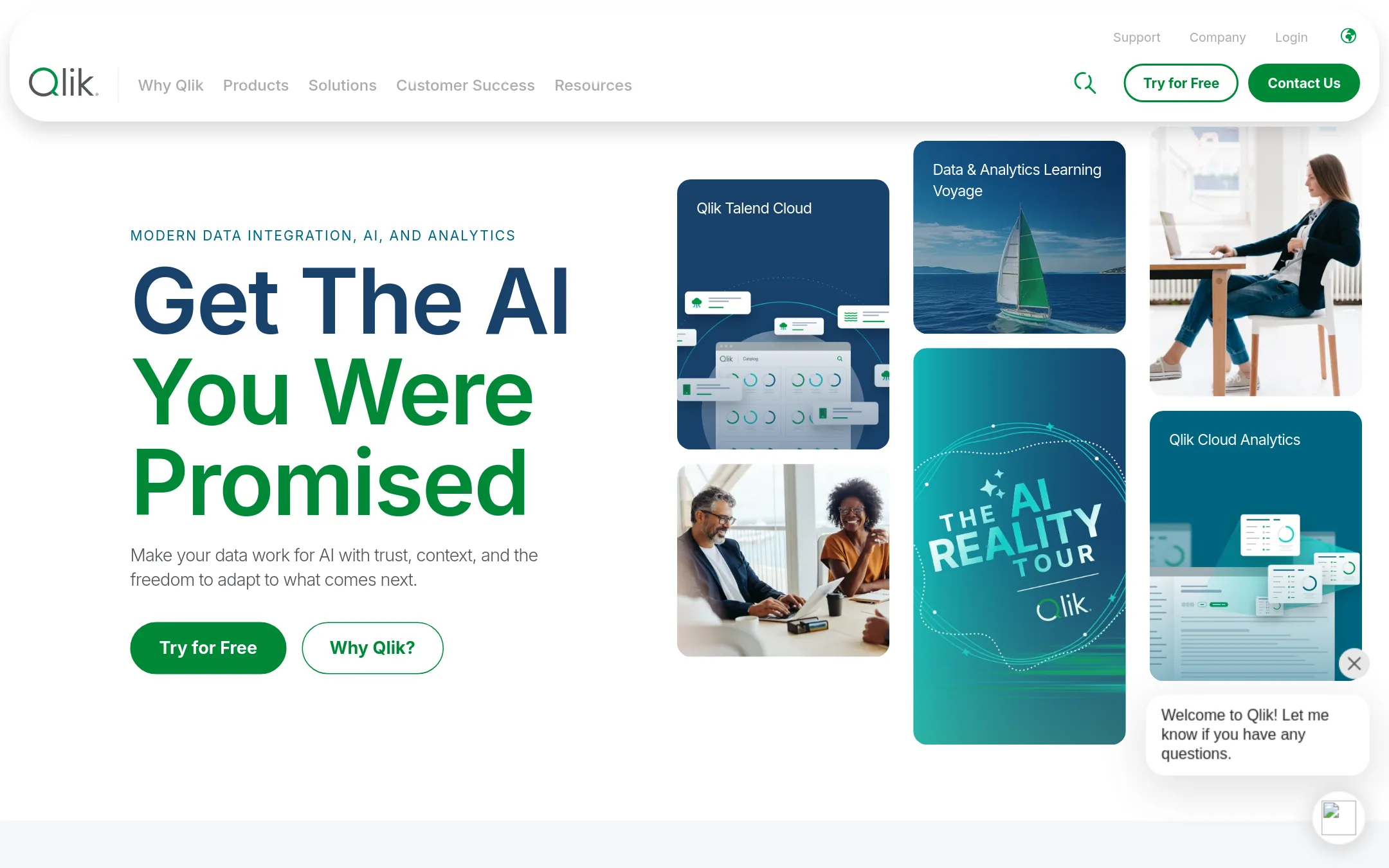
Qlik Sense is an on-prem analytics platform that connects data from multiple systems into a single view. Choose it over Oda when you need a self-serve BI tool for dashboards and reporting, not custom AI pipelines for unstructured data.
Where it is strong
- Associative model lets you explore data freely without predefined queries
- Strong data integration with Talend for end-to-end pipelines
- On-prem deployment fits security and compliance requirements
Where it falls short
- No built-in AI agents for extracting insights from drawings or documents
- Requires dedicated infrastructure and admin effort for on-prem setup
- Pricing:
- Pricing is not published on the site.
- Not published
8.DataRobot
Best for: Enterprise teams that need to build, deploy, and govern AI agents at scale across multiple departments.
- Pricing
- Not published
- Category
- AI & Machine Learning
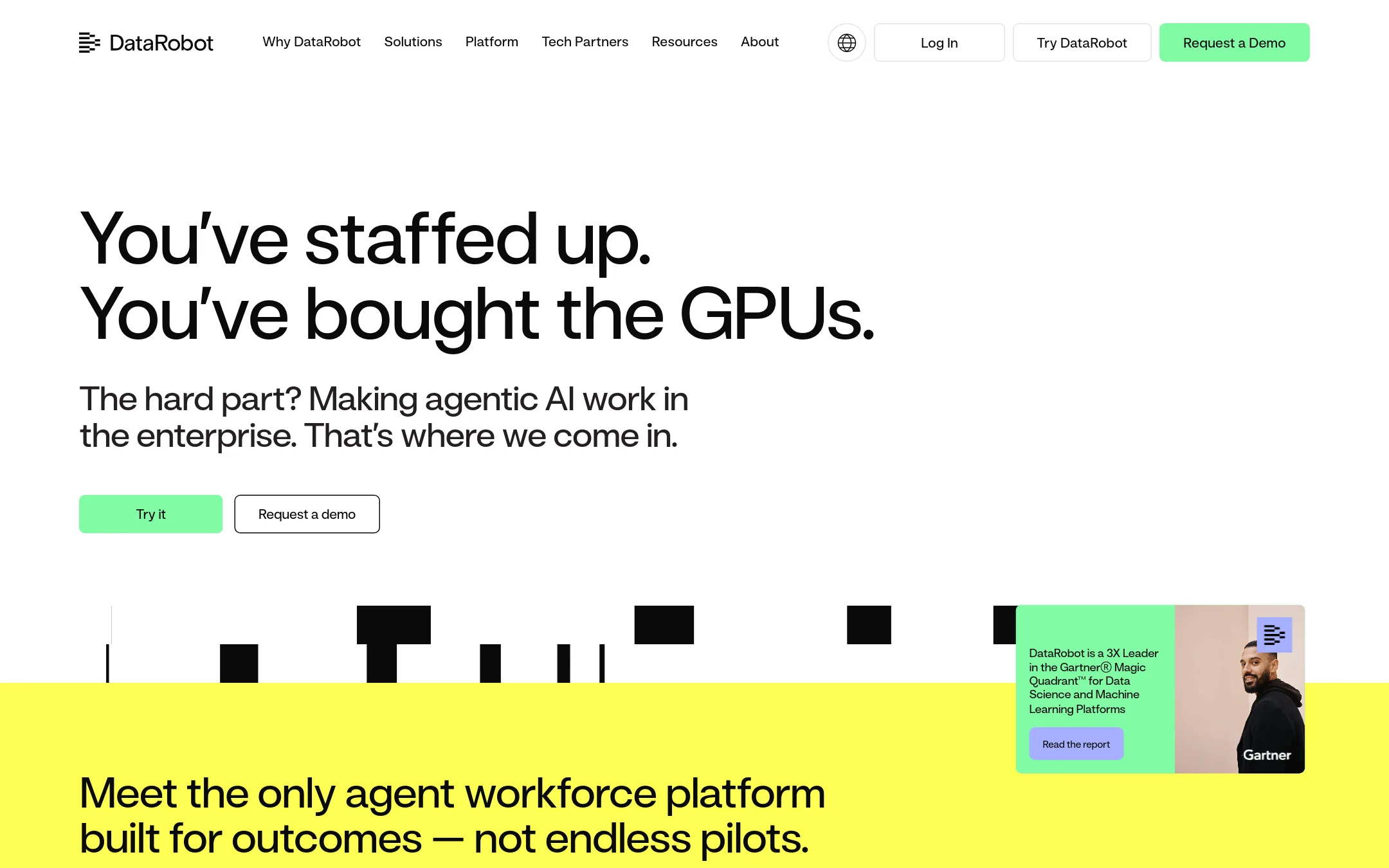
DataRobot is a platform for building, operating, and governing AI agents across an enterprise. Choose it over Oda when you need a managed environment to deploy and monitor many agents in production, rather than custom data pipelines for specific industries like construction or finance. Oda focuses on bespoke AI solutions for complex data, while DataRobot provides a broader platform for teams to build and run their own agents.
Where it is strong
- Platform covers the full agent lifecycle: build, operate, and govern.
- Deploy agents to edge, cloud, or on-premises environments.
- Includes monitoring, guardrails, and audit documentation for compliance.
Where it falls short
- Pricing is not public, likely requiring a sales conversation.
- Platform is enterprise-focused, which may be overkill for smaller teams or single-use projects.
- Pricing:
- Pricing is not published on the site.
See more comparisons in Other alternatives.
FAQ
Questions about Oda alternatives
Which alternative is best for a team already using Microsoft 365?
Microsoft Power BI is the strongest choice because it natively integrates with Microsoft 365 apps and offers interactive dashboards and reports. It requires structured data, so it won't handle architectural drawings or financial filings like Oda does. Pricing is not published, so you'll need to contact Microsoft.
Which alternative has the most transparent pricing?
ThoughtSpot is the only one with published pricing: Essentials at $25 per user per month and Pro at $50 per user per month, both billed annually. Other platforms like Power BI, Looker, Domo, Sisense, Qlik, and DataRobot do not list prices publicly.
Can any of these alternatives handle unstructured data like drawings or filings?
No. All the alternatives focus on structured business data and do not mention specialized handling of architectural drawings or financial filings. Oda is unique in that regard. If you need that capability, you may need to stick with Oda or seek a custom solution.
Which alternative is best for embedding analytics into a SaaS product?
Sisense is built for embedding dashboards and AI insights into your own software, with multi-tenant security and white-labeling. Looker also supports embedded analytics and is good if you're on Google Cloud. Both have unpublished pricing and require sales contact.
Which alternative offers unlimited users?
Domo offers unlimited users with no per-seat fees, but its pricing is credit-based and custom. ThoughtSpot's Essentials plan caps at 50 users, so for larger teams you'd need Pro or Enterprise. Other platforms do not specify user limits in their public information.
Last updated October 18, 2026.