
Preply alternatives
9 products to explore · 2026
Your shortlist, at a glance.
Read the comparisons ↓
Check each product’s website for current pricing and features. A verified badge indicates a verified listing, not a ranking.
About Preply and its alternatives
Users searching for Preply alternatives often want platforms that match its scale of 100,000+ tutors, 120+ subjects, and flexible per-lesson booking without long-term lock-in. Many compare options based on tutor verification, ability to switch instructors easily, corporate training features, and transparent pricing for languages like English, Spanish, French, and Chinese. Preply stands out for its proven progress tracking, free tutor switch guarantee, and support for both individual learners and business teams. Alternatives may differ in tutor pool size, specialization in certain languages, or focus on group classes versus strictly private lessons. Searchers typically evaluate review volume, app ratings, and whether the platform offers native-speaker tutors or structured curricula alongside live sessions. Choosing the right fit depends on goals such as conversational practice, exam prep like IELTS, or employee language programs.
Explore the alternatives

1.Cambly
EducationOn-demand access to English tutors over video chat.
2.Babbel
EducationLearn languages fast with practical conversation-focused lessons and proven methods.

3.Busuu
EducationLearn languages online with expert courses and a global speaking community.
4.Duolingo
EducationDuolingo is the world
5.HelloTalk
EducationLearn languages for free by chatting with native speakers worldwide
6.Lingoda
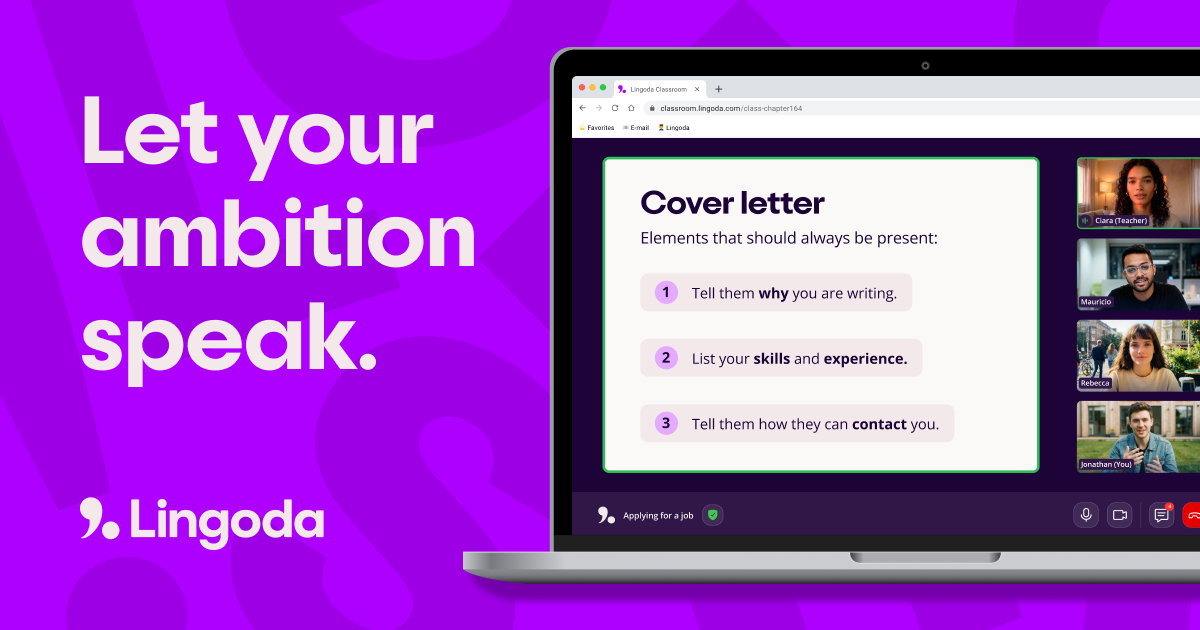
EducationLive online language classes with certified teachers and AI tools
7.Rosetta Stone
EducationLearn languages immersively with Dynamic Immersion and TruAccent speech feedback.

8.Verbling
EducationLanguage lessons with native teachers over video chat, anytime anywhere.

9.italki
EducationFlexible 1-on-1 language lessons with tutors worldwide, no subscriptions required.
See more comparisons in Education alternatives.
Questions about Preply alternatives
What are the best Preply alternatives for corporate language training?
Companies seeking alternatives often compare platforms offering team dashboards, progress reporting, and bulk lesson packages similar to Preply's corporate offering. Look for services with dedicated business support and flexible scheduling for employees across multiple languages.
How does Preply compare to italki on tutor numbers and pricing flexibility?
Preply lists over 100,000 tutors while italki has a large but smaller verified pool. Both use pay-per-lesson models, yet Preply emphasizes a free switch guarantee and corporate plans that italki does not highlight as prominently.
Are there Preply alternatives focused only on English conversation practice?
Some platforms specialize in casual English chats with native speakers and shorter sessions, differing from Preply's broader subject range and structured progress tracking across many languages.
Which Preply alternatives offer the strongest refund or satisfaction guarantees?
Preply allows switching tutors for free if unsatisfied. Competing services may provide lesson credits or money-back windows, so users should check trial policies and review volumes before committing.
Do any Preply alternatives support both kids and adult language learners?
Preply covers English classes for kids and adult courses. Alternatives vary in age-specific tutor filters and curriculum, with some focusing more on adults or exam prep rather than young learners.
What Preply alternatives work best for business English and relocation training?
Teams needing relocation support or professional English look for platforms with corporate reporting and specialized business tutors, similar to Preply's offering but sometimes with different pricing tiers or language emphasis.