
Pythagora alternatives
6 products compared · Updated November 20, 2026
The short answer
The three strongest alternatives to Pythagora are Replit, Framer and Bolt.new. Replit suits founders who want a working app with hosting and a database built in. Framer suits designers and marketers who need a polished marketing site with a CMS. Bolt.new suits product managers and founders who want to turn an idea into a hosted web app by chatting with an AI builder.
Your shortlist, at a glance
Read the comparisons ↓- LLovableNot publishedNon-technical founders and internal teams who want to ship a custom app or internal tool without writing infrastructure code
- BBolt.newFree. Teams per memberProduct managers, founders and agencies who want to turn an idea into a hosted web app or prototype by chatting with an AI builder.
 ReplitNot publishedFounders and product teams who want to build and publish a custom app or website from a text description, with hosting and a database included.
 FramerFrom $10/moFounders and designers who need a professional marketing site or landing page with a CMS and no coding
 CarrdFree plan. Pro not pubSolo creators and small teams who need a one-page site, waitlist or portfolio without building a full business around it.
- TTypeformNot publishedTeams that need to gather leads, feedback or research responses through conversational forms and follow up with automated emails or texts.
About Pythagora and its alternatives
Pythagora, now listed on its site as Pazi, is an AI platform that says it helps people build and run a business. According to its site, it plans and executes work through an AI team, sets up a storefront and payments, and helps with social media and ads, all from one dashboard.
When comparing alternatives in this category, look at how pricing is structured, such as flat plans, usage credits or per-seat fees. Check which regions a tool supports, which integrations it connects to, how support is provided, and what the contract terms require. The right choice depends on whether you need software built, a website published, or a business run end to end.
Explore the alternatives
- LNot published
1.Lovable
Best for: Non-technical founders and internal teams who want to ship a custom app or internal tool without writing infrastructure code
- Pricing
- Not published
- Category
- Other
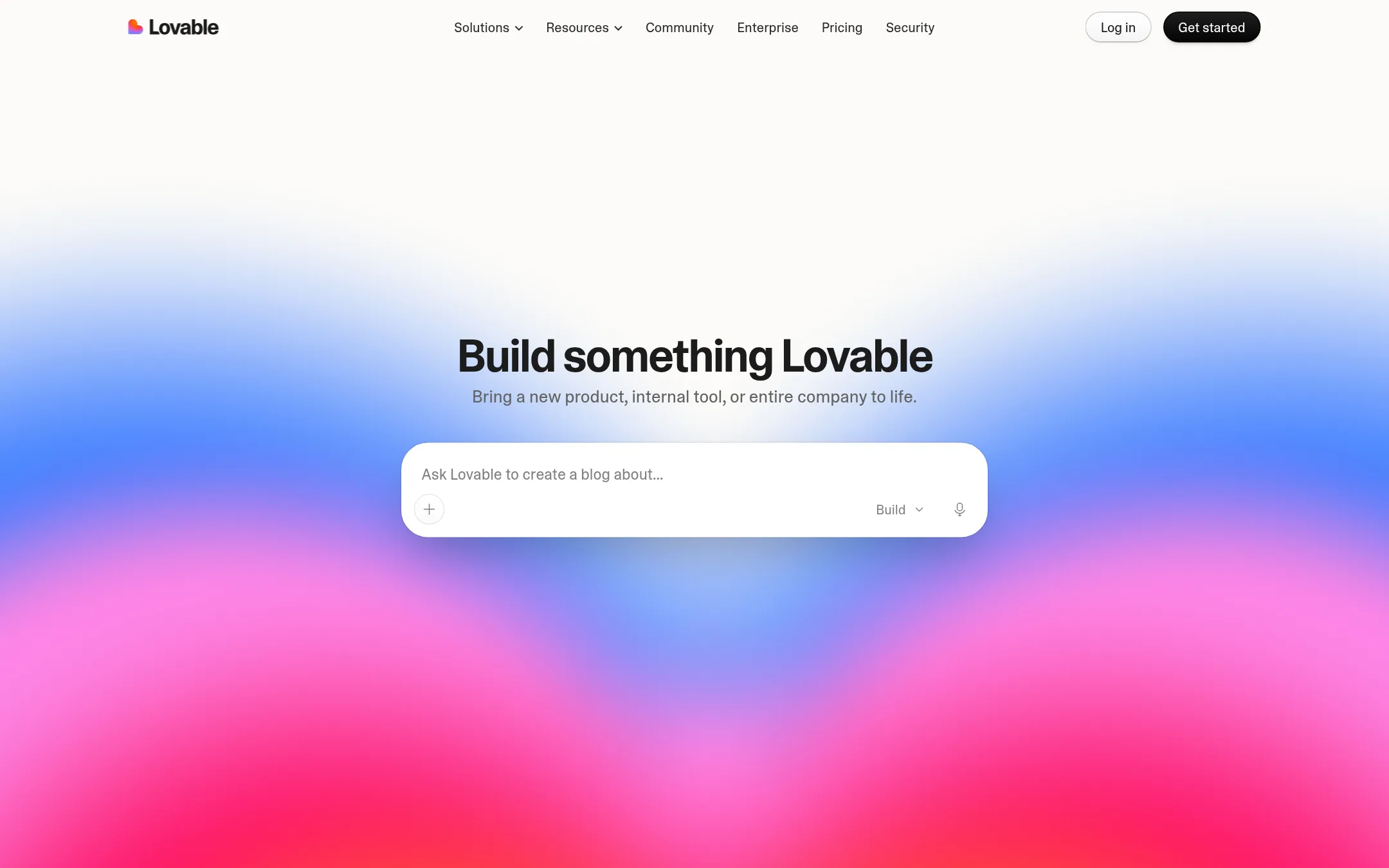
Lovable turns a plain-language description into a working full-stack app, website, or internal tool. It handles hosting, SSL, authentication, payments and integrations, so you do not write that plumbing yourself. Choose it over Pythagora when your goal is a live product you can deploy and run without managing infrastructure, rather than a business-building workflow that also covers selling and marketing.
Where it is strong
- Builds full-stack apps from plain-language descriptions in real time
- Handles hosting, SSL, authentication and backend infrastructure for you
- Connects to your existing tools and processes payments with tax handling in 200+ countries and territories
Where it falls short
- It focuses on building software, so it does not plan or run the sales and marketing side the way Pazi does
- Pricing is not published on the site, so you cannot compare costs before signing up
- Pricing:
- Pricing is not published on the site.
- BFree. Teams per member
2.Bolt.new
Best for: Product managers, founders and agencies who want to turn an idea into a hosted web app or prototype by chatting with an AI builder.

- Pricing
- Free. Teams per member
- Category
- Other
Bolt.new is an AI builder where you describe an app or website in chat and it writes, tests and hosts the code. Choose it over Pythagora when you want to build and host a working app yourself, with databases and hosting included in one interface.
Where it is strong
- Build, test and host a working app from one chat interface
- Includes unlimited databases and hosting with custom domains on paid plans
- Team plans add centralized billing and shared workspaces
Where it falls short
- Usage is metered in tokens, so heavy building can run into daily or monthly limits
- Free plan sites carry Bolt branding and have a small file upload limit
- Pricing:
- The free plan includes 1 million tokens per month with a 300,000 daily limit, Pro offers custom domains and no Bolt branding, and Teams charges per member per month.
- Not published
3.Replit
Best for: Founders and product teams who want to build and publish a custom app or website from a text description, with hosting and a database included.
- Pricing
- Not published
- Category
- Developer Tools
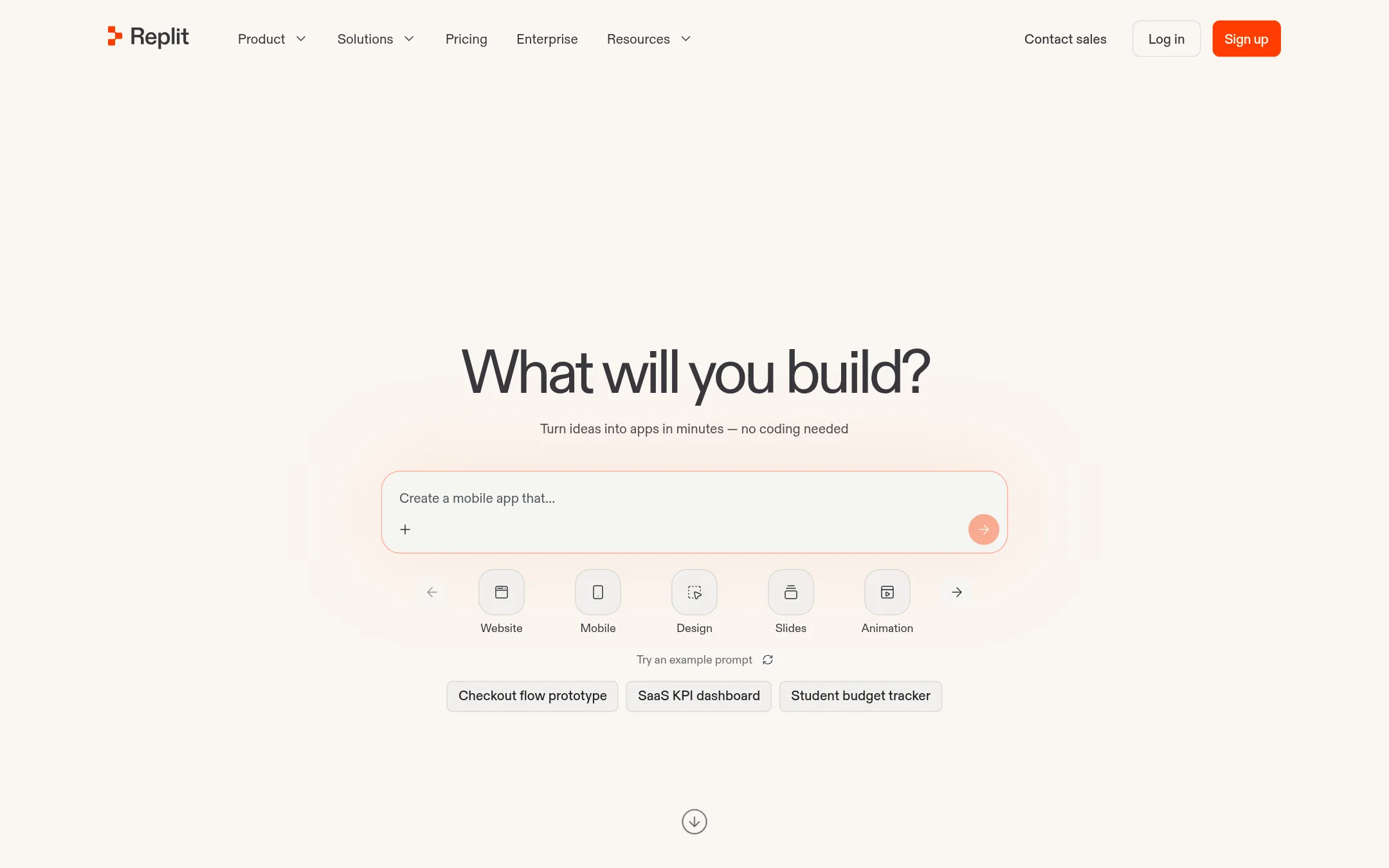
Replit is a browser-based builder where you describe an app or website and it writes, runs and hosts the code. It suits people who want a working app with built-in auth, database and hosting, and who may later need team features or enterprise controls such as SSO and SOC 2. Pick it over Pythagora if your goal is a shipped software product rather than a full business plan with sales, marketing and storefront work.
Where it is strong
- Describe an app in plain language and get a working project with code.
- Authentication, database, hosting and monitoring are built in, with no setup needed.
- Offers a free mode for brainstorming and creating without token costs, plus over 100 integrations.
Where it falls short
- Its focus is building software, so it does not cover selling, marketing or running a business the way Pythagora's scope does.
- Enterprise controls such as SSO/SAML and SOC 2 point to a product aimed at larger teams, which may be more than a solo founder needs.
- Pricing:
- Pricing is not published on the site.
- From $10/mo
4.Framer
Best for: Founders and designers who need a professional marketing site or landing page with a CMS and no coding
- Pricing
- From $10/mo
- Category
- Design & Creative
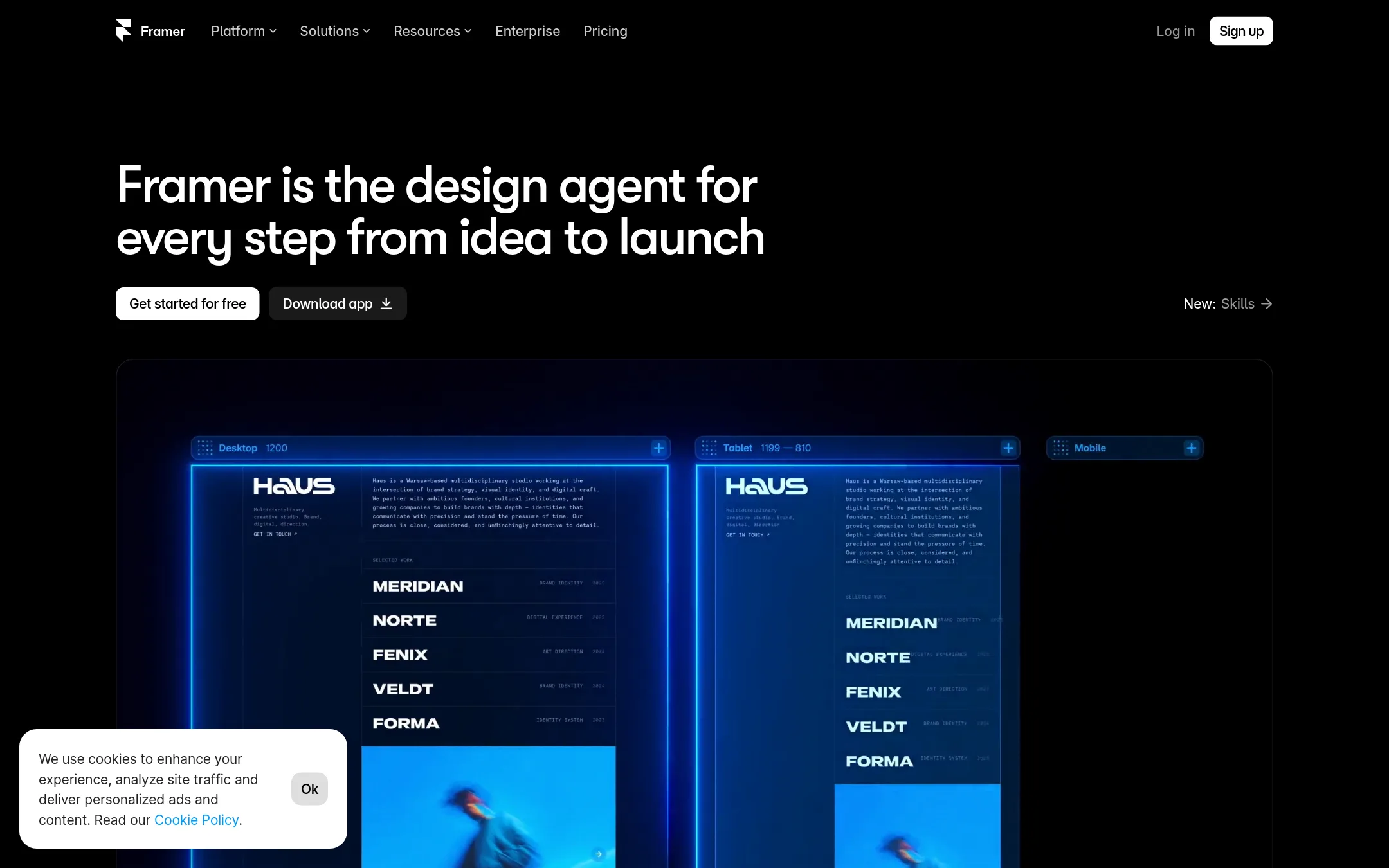
Framer is a website builder for designers and marketers who want a polished marketing site, landing page, or portfolio without writing code. Choose it instead of Pythagora if your main need is a public-facing site with design control, CMS, and built-in SEO rather than an AI platform that plans and runs a business.
Where it is strong
- Free plan with 500 AI credits a month and a free Framer domain
- Built-in CMS, hosting, analytics, and SEO in one tool
- Editable designs, so you keep control of the final look
Where it falls short
- Its focus is websites, so it lacks the business-running and agent features Pythagora is built around
- Enterprise pricing is custom and requires a trial request
- Pricing:
- Pricing is not published in the same plan structure as Pythagora's credits, but Framer lists a free plan with 500 AI credits a month, a Basic plan at $10 per month, a Pro plan at $30 per month, and custom Enterprise pricing.
- Free plan. Pro not pub
5.Carrd
Best for: Solo creators and small teams who need a one-page site, waitlist or portfolio without building a full business around it.
- Pricing
- Free plan. Pro not pub
- Category
- Design & Creative
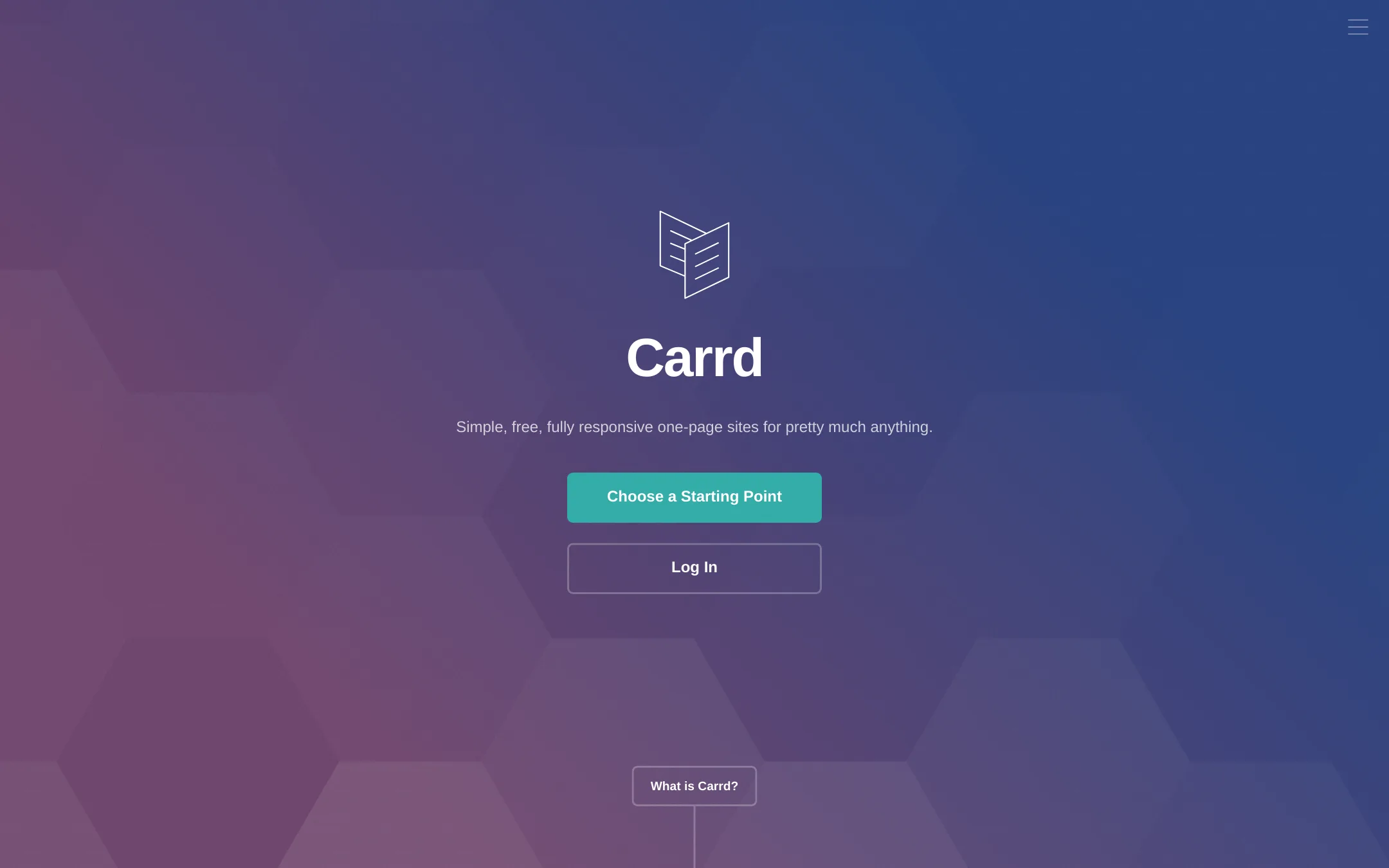
Carrd builds simple one-page sites that look good on phones, tablets and desktops. Someone would choose it over Pythagora when they only need a single landing page or small site, not an AI system that plans and runs a whole business.
Where it is strong
- Free plan covers up to three sites with core features.
- Pages are responsive on phones, tablets and desktops by default.
- Forms connect to services like Mailchimp, Kit and Stripe.
Where it falls short
- It builds one-page sites, not an AI team that plans and runs a business.
- Custom domains and removal of the Carrd branding sit behind the Pro upgrade.
- Pricing:
- Carrd's free plan lets you build up to three sites, and Pro adds custom domains, more sites, forms, embeds and removal of the Carrd footer branding, but pricing is not published in the text available to us.
- TNot published
6.Typeform
Best for: Teams that need to gather leads, feedback or research responses through conversational forms and follow up with automated emails or texts.
- Pricing
- Not published
- Category
- Other
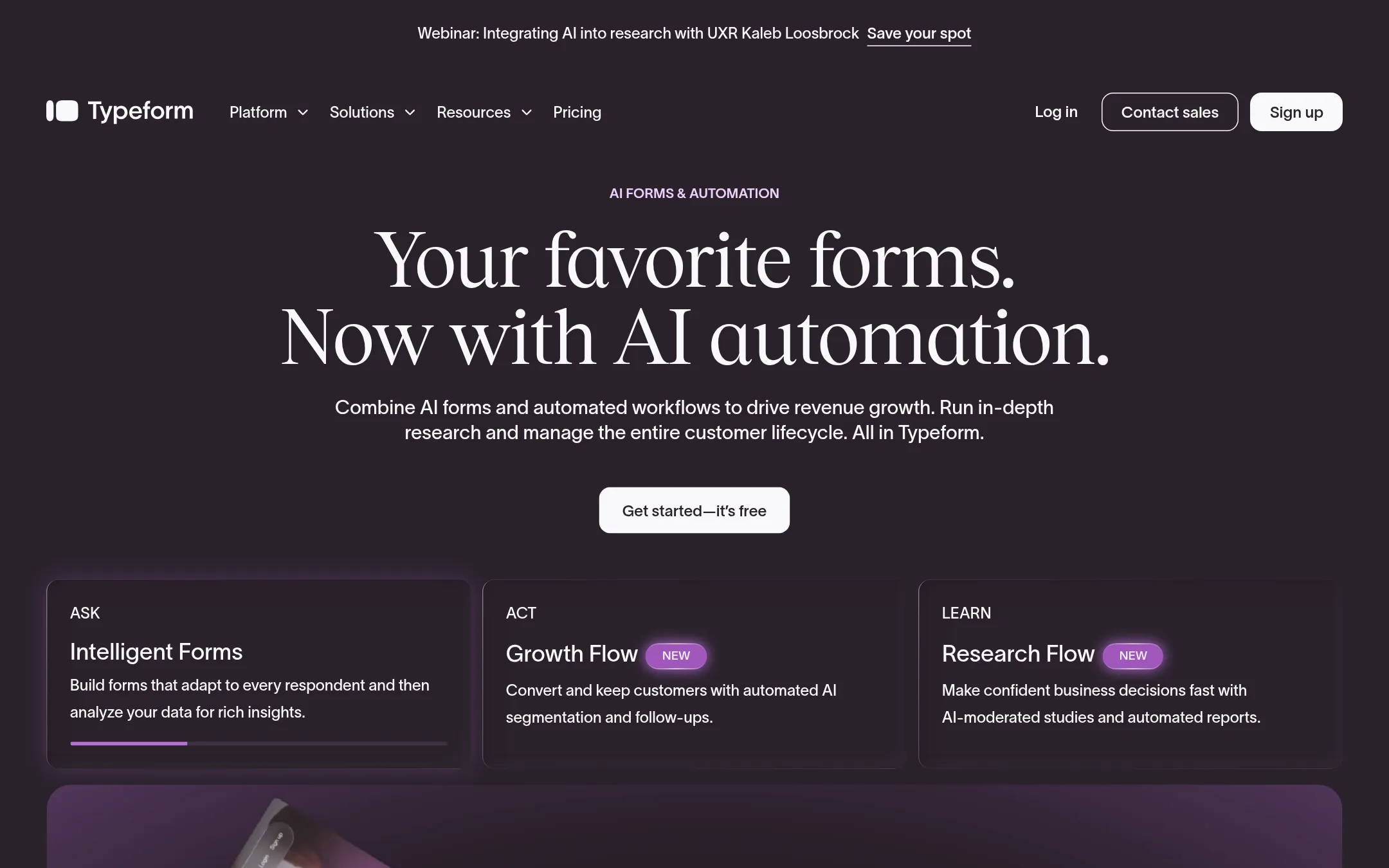
Typeform is a form and survey builder with AI form creation, conditional logic, and automated follow-up workflows. Someone would pick it over Pythagora when the job is collecting structured customer input, running surveys or user research, and then routing that data into emails or CRM steps, rather than generating and running a software business end to end.
Where it is strong
- Builds forms from a prompt and adapts questions based on earlier answers.
- Includes AI-moderated research interviews and panel recruitment for user research.
- Connects to Stripe, PayPal, Google Calendar and Calendly from within a form.
Where it falls short
- It is a form and research tool, so it does not plan, build or launch a product or storefront the way Pazi does.
- The pricing page shows plan prices without publishing a clear table in the supplied text, so costs need checking on the site.
- Pricing:
- Pricing is not published on the site.
See more comparisons in AI & Machine Learning alternatives.
FAQ
Questions about Pythagora alternatives
Which alternative is best if I mainly need to ship a custom app?
Replit and Bolt.new are built for turning a description into a working app. Replit includes authentication, a database and hosting, and Bolt.new includes a database and hosting in one chat-based interface. Both focus on building software rather than selling or marketing a business.
What should I use if I only need a marketing site or landing page?
Framer is the closest fit. It offers a CMS, hosting, analytics and SEO in one tool, and a free plan with 500 AI credits a month. Carrd is a simpler option for a single one-page site or waitlist.
Do any of these alternatives cover sales and marketing like Pythagora does?
Typeform is the closest on the data side, since it collects structured customer input and follows up with automated emails or texts. None of the listed alternatives plans and runs a full business the way Pythagora's site describes. Lovable and Replit focus on building software instead.
How do the pricing models differ from Pythagora's?
Pythagora uses monthly credits with optional top-ups, and its site says hosting is free and credits are only spent on agent work. Bolt.new meters usage in tokens with daily and monthly limits. Framer and Carrd publish free tiers, while Replit, Lovable and Typeform do not publish full pricing in the text available, so check their sites before comparing costs.
How should I compare these tools before choosing one?
Start with the outcome you need, whether that is a live app, a marketing site, a form or a full business plan. Then check how each tool prices usage, whether it connects to the integrations you rely on, and what support and contract terms it offers. Entries on this page are based on published site information, so confirm current details directly with each vendor.
Last updated November 20, 2026.