
ResearchGate alternatives
12 products compared · Updated October 15, 2026
The short answer
For academics and researchers, Academia.edu is the strongest alternative to ResearchGate for discovery and analytics, while Semantic Scholar suits developers needing a free AI search API. For managing personal libraries and citations, Zotero is the best free, open-source choice. Each serves a distinct need: sharing, searching, or organizing research.
Your shortlist, at a glance
Read the comparisons ↓- RRecordBookNot publishedSmall and medium businesses that want a simple, mobile-friendly way to organize records and processes without building custom software
 Academia.eduNot publishedAcademics and researchers who want advanced discovery tools like full-text search and citation alerts, and who value detailed impact analytics.
 Semantic ScholarNot publishedDevelopers and researchers who want a free, AI-driven literature search engine with an API for building scholarly applications.
ORCIDNot publishedResearchers and institutions that need a persistent, portable identifier to track publications and careers across systems, not a social network for sharing research.
 MendeleyNot publishedResearchers and students who need a free tool to organize PDFs, generate citations, and get AI-assisted reading insights.
ZoteroNot publishedResearchers and students who need a free, offline-capable citation manager with collaborative library sharing.
DimensionsNot publishedResearch institutions, publishers, and corporate R&D teams that need data-driven analysis across the full research lifecycle.
- SScopusNot publishedUniversities and research organizations that need a reliable citation database for discovery, evaluation, and bibliometric analysis.
 Web of ScienceSee websiteOther
PublonsNot publishedResearchers and institutions that need formal peer review and citation records integrated with Web of Science.
- SSSRNNot publishedScholars in law, finance, and social sciences who want to share preprints quickly and get citations before journal publication.
 arXivNot publishedResearchers in physics, mathematics, and computer science who want to share preprints quickly and openly without peer review or social features.
About ResearchGate and its alternatives
ResearchGate is a free platform where 25+ million scientists share and discover research, access 160+ million publication pages, and connect with peers. It is known for researcher profiles, citation tracking, and business solutions like recruitment and marketing.
When comparing alternatives, weigh pricing structure, since many tools are free but premium features may be paywalled. Consider regional availability, integrations with existing systems, support options, and contract terms, especially for institutional tools like Scopus or Dimensions.
Explore the alternatives
- RNot published
1.RecordBook
Best for: Small and medium businesses that want a simple, mobile-friendly way to organize records and processes without building custom software
- Pricing
- Not published
- Category
- Productivity & Project Management
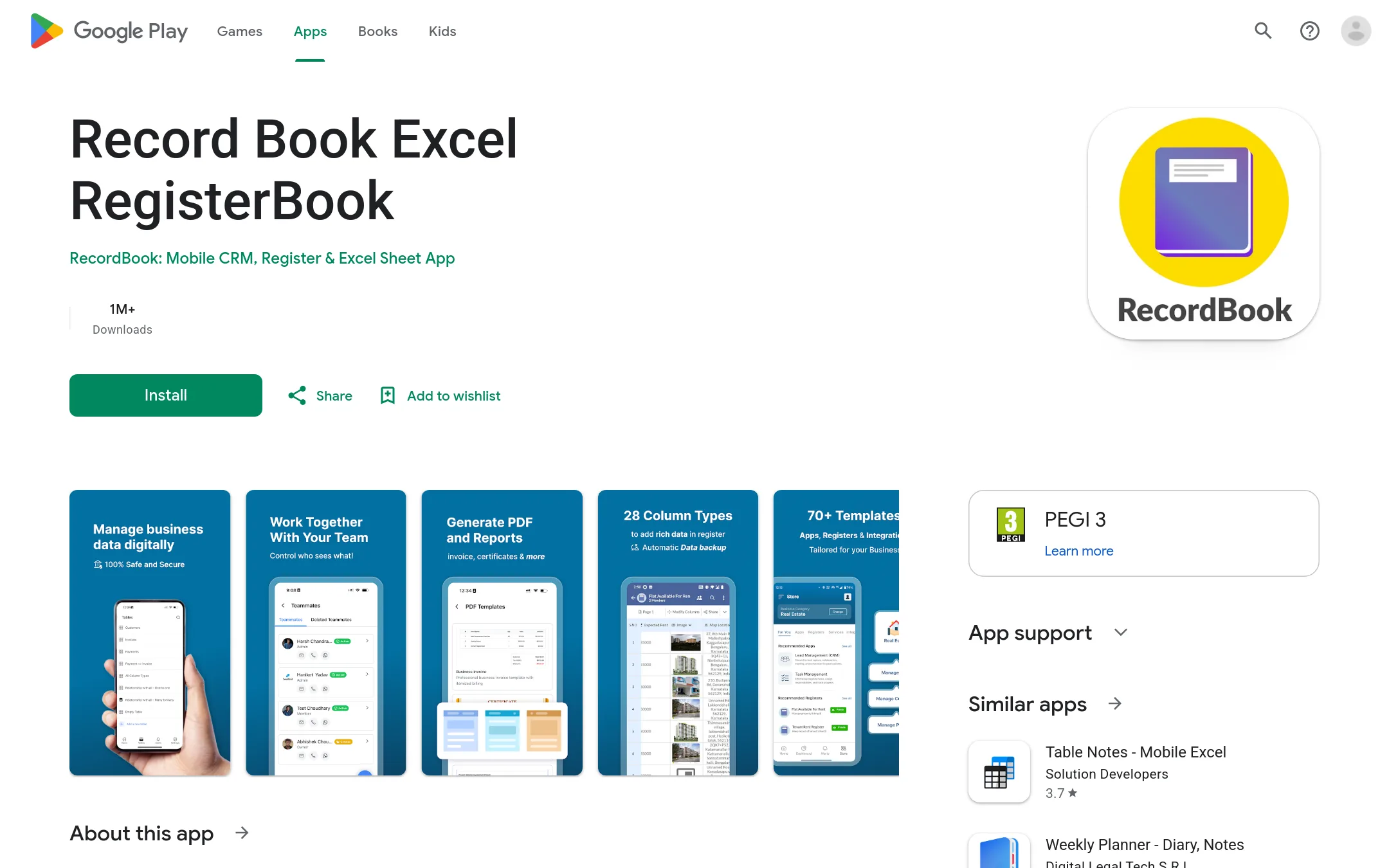
RecordBook is a mobile-first database tool that lets small businesses build custom tables and workflows without code, similar to Airtable. You would choose it over ResearchGate when you need a practical operational tool for managing business data, not a platform for sharing scientific publications.
Where it is strong
- Mobile app available on Google Play for on-the-go access
- No-code approach suits non-technical users
- Positioned for a large global SMB market
Where it falls short
- No web-based interface mentioned, only an Android app
- No pricing details or business model disclosed
- Pricing:
- Pricing is not published on the site.
- Not published
2.Academia.edu
Best for: Academics and researchers who want advanced discovery tools like full-text search and citation alerts, and who value detailed impact analytics.

- Pricing
- Not published
- Category
- Education
Academia.edu is a research sharing and discovery platform with 65 million papers, aimed at academics who want to publish, track mentions and citations, and grow their audience. You would choose it over ResearchGate if you want full-text search, paper summaries, and premium analytics tools, or if your field is better represented there.
Where it is strong
- Full-text and citation search across millions of papers
- Mention and citation notifications
- In-depth analytics and PDF packages for research
Where it falls short
- Premium features are paywalled, but pricing isn't public
- No clear business solutions for recruitment or marketing like ResearchGate offers
- Pricing:
- Pricing is not published on the site.
- Not published
3.Semantic Scholar
Best for: Developers and researchers who want a free, AI-driven literature search engine with an API for building scholarly applications.
- Pricing
- Not published
- Category
- Other
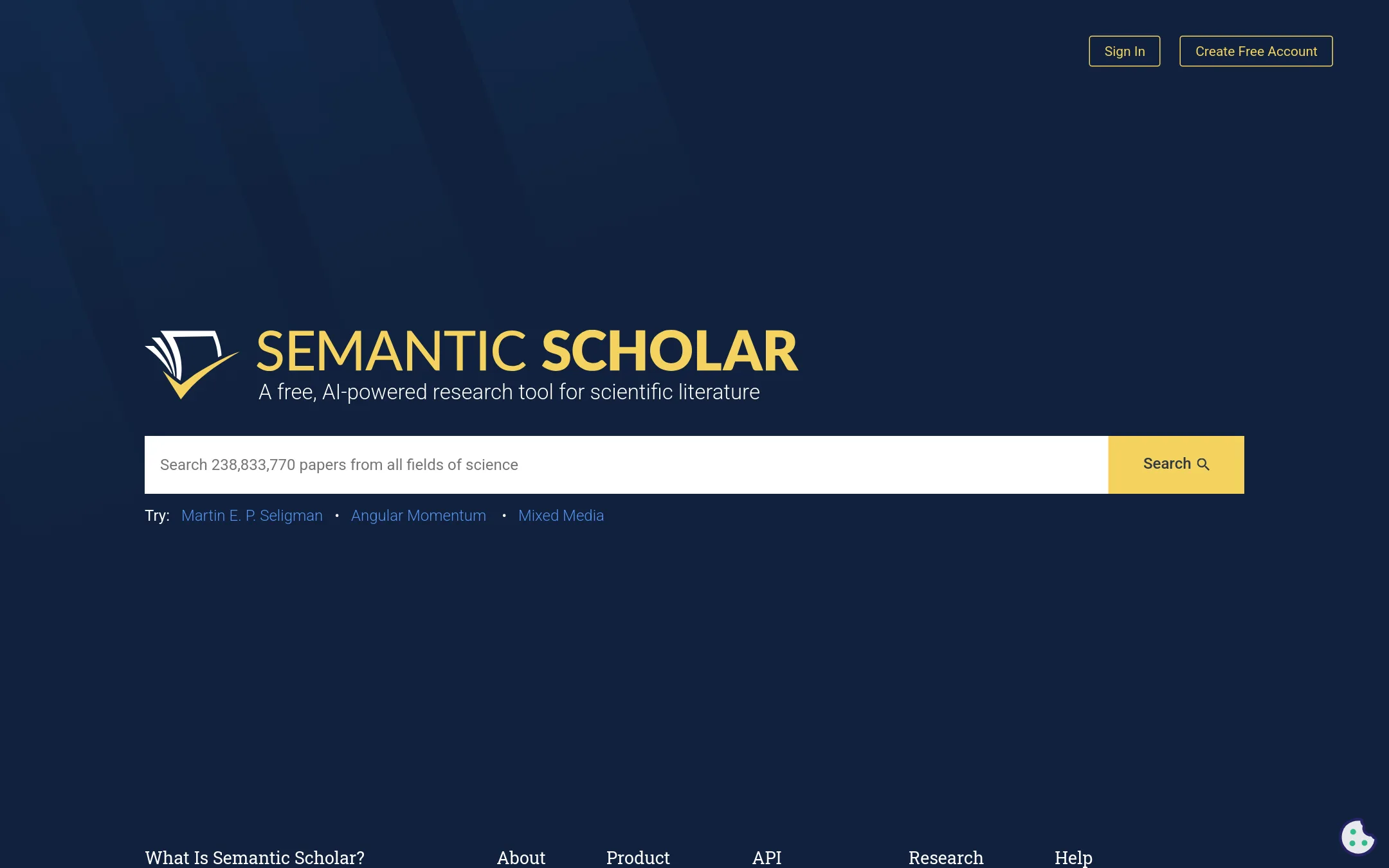
Semantic Scholar is a free AI-powered search tool for scientific literature, covering over 238 million papers. Choose it instead of ResearchGate when you need fast, semantic paper discovery and an API for building scholarly apps, not a social network for researchers.
Where it is strong
- Free access to 238+ million papers across all fields
- AI-powered search understands semantics, not just keywords
- Public API for developers to integrate paper search
Where it falls short
- No researcher profiles or networking features like ResearchGate
- No citation tracking or impact stats for your own work
- Pricing:
- Pricing is not published on the site.
- Not published
4.ORCID
Best for: Researchers and institutions that need a persistent, portable identifier to track publications and careers across systems, not a social network for sharing research.
- Pricing
- Not published
- Category
- Other
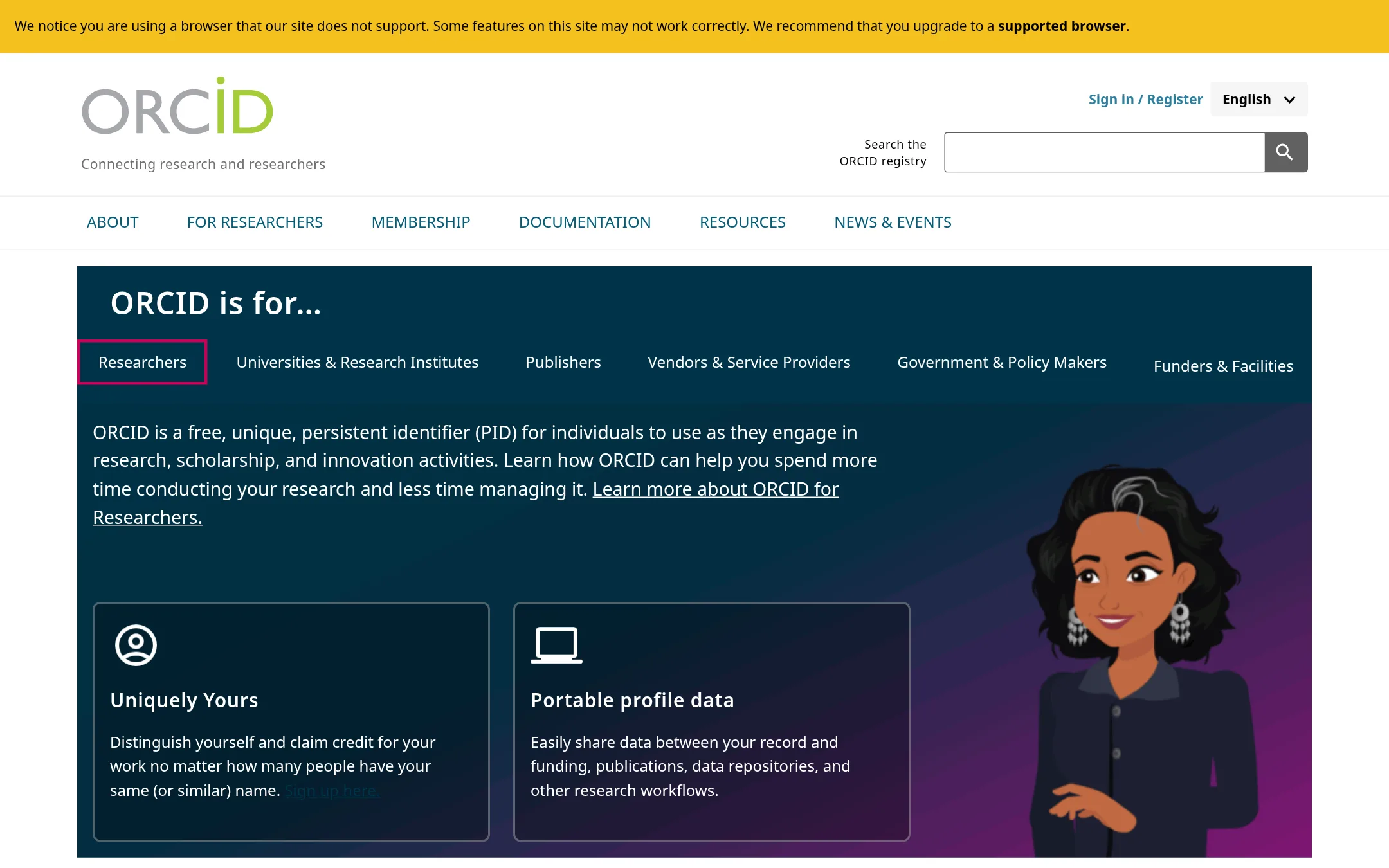
ORCID gives every researcher a free, unique identifier so their work is always attributed to them, even with common names. It is not a discovery or networking platform like ResearchGate. It is a persistent ID and profile system that integrates with publishers, funders, and institutions. Choose ORCID when you need a stable, portable scholarly identity rather than a place to share papers and follow peers.
Where it is strong
- Free persistent ID that works across many research systems
- Portable profile data you can share with publishers and funders
- Helps institutions track researcher outputs and careers after they leave
Where it falls short
- No built-in social features or community discussion like ResearchGate
- No publication page access or citation stats. It is an identifier, not a repository
- Pricing:
- Pricing is not published on the site.
- Not published
5.Mendeley
Best for: Researchers and students who need a free tool to organize PDFs, generate citations, and get AI-assisted reading insights.

- Pricing
- Not published
- Category
- Education
Mendeley is a reference manager that helps you organize, annotate, and cite research papers, with AI tools to find patterns across your references. Choose it over ResearchGate when your main need is managing your personal library and preparing manuscripts, not discovering or sharing publications with a broad scientific community.
Where it is strong
- Free 2GB storage for your reference library
- AI features help uncover patterns and relationships across documents
- Read, highlight, and annotate PDFs in one place
Where it falls short
- No public pricing details, so costs for premium plans are unclear
- Lacks the large researcher network and publication pages that ResearchGate offers
- Pricing:
- Pricing is not published on the site.
- Not published
6.Zotero
Best for: Researchers and students who need a free, offline-capable citation manager with collaborative library sharing.
- Pricing
- Not published
- Category
- Other
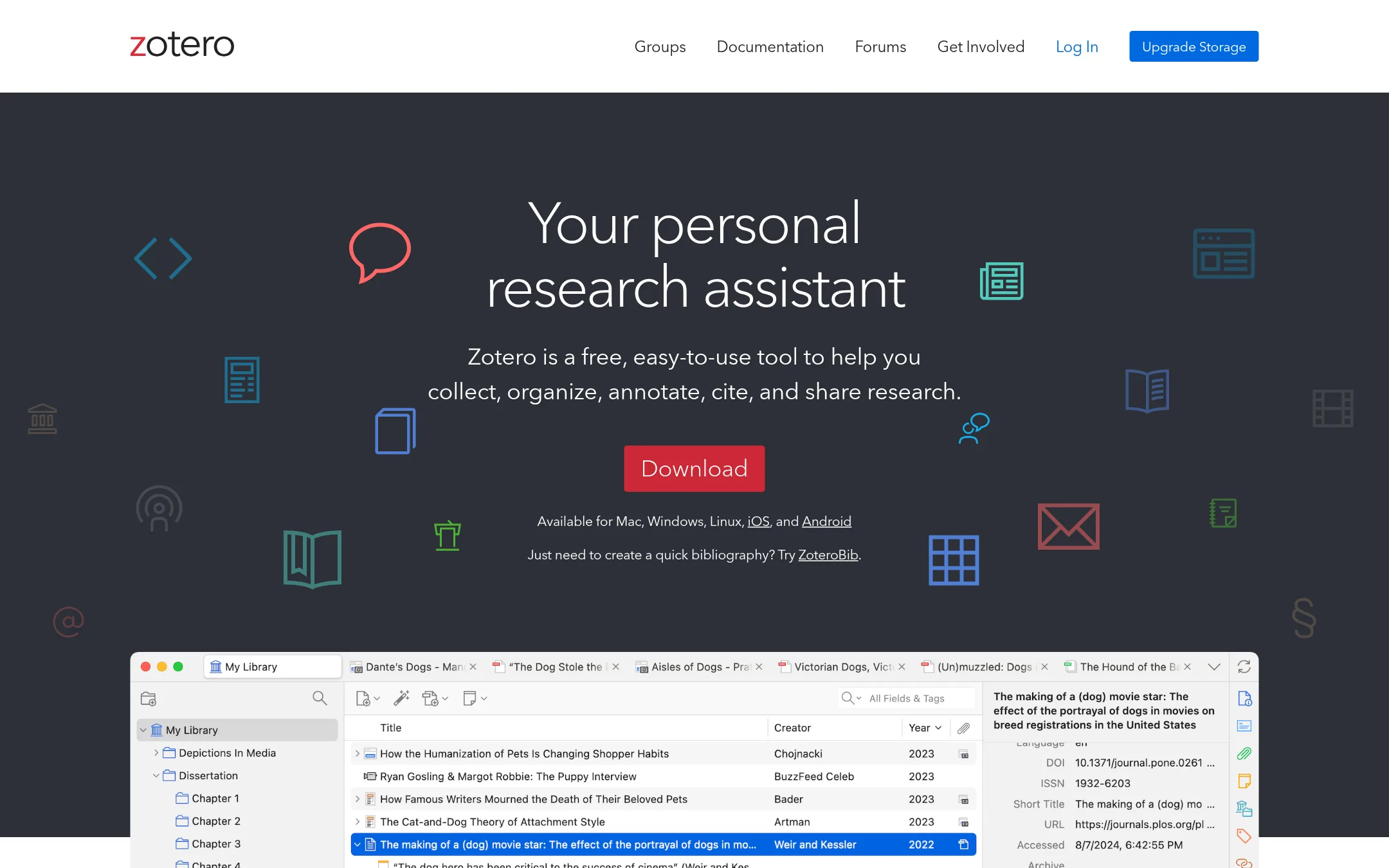
Zotero is a free, open-source reference manager that helps you collect, organize, cite, and share research. Choose it over ResearchGate when you need a personal research workflow tool rather than a social network for scientists, especially for managing citations and collaborating on libraries.
Where it is strong
- Free to use with unlimited local storage
- Supports over 9,000 citation styles
- Open source and nonprofit, so your data stays private
Where it falls short
- No built-in social networking or researcher discovery features
- Sync and collaboration require creating an account and may have storage limits
- Pricing:
- Pricing is not published on the site.
- Not published
7.Dimensions
Best for: Research institutions, publishers, and corporate R&D teams that need data-driven analysis across the full research lifecycle.
- Pricing
- Not published
- Category
- Other
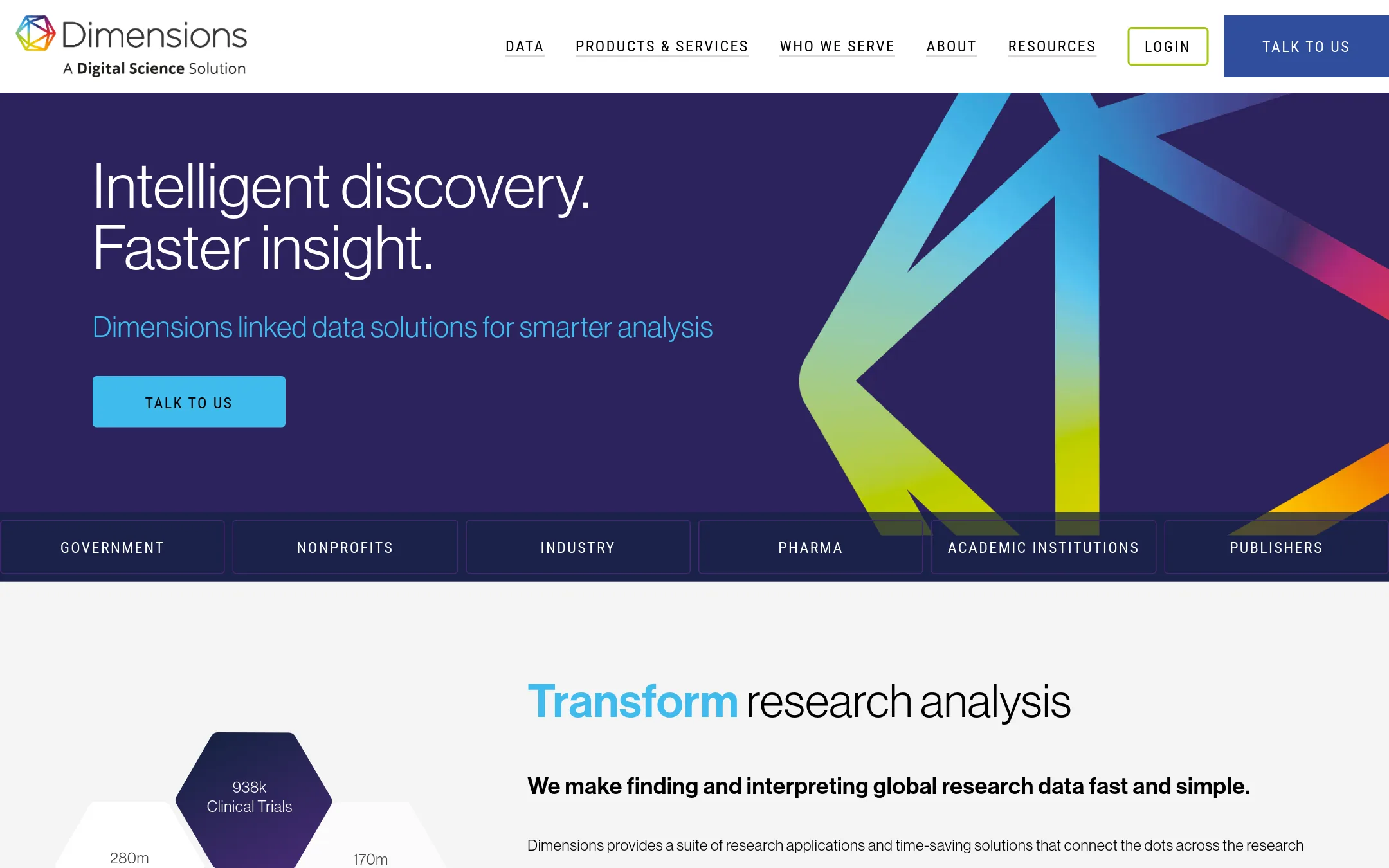
Dimensions is a research intelligence platform that links publications, grants, patents, clinical trials, and policy documents in one database. Choose it over ResearchGate when you need analytical tools for horizon scanning, reviewer matching, or research security, not just a place to share papers.
Where it is strong
- Covers 70% of publications with full-text indexing
- Purpose-built apps for reviewer finding and research security
- Integrates with your own data via API or BigQuery
Where it falls short
- No free public profile for individual researchers
- Designed for organizations, not for personal networking
- Pricing:
- Pricing is not published on the site.
- SNot published
8.Scopus
Best for: Universities and research organizations that need a reliable citation database for discovery, evaluation, and bibliometric analysis.
- Pricing
- Not published
- Category
- Other
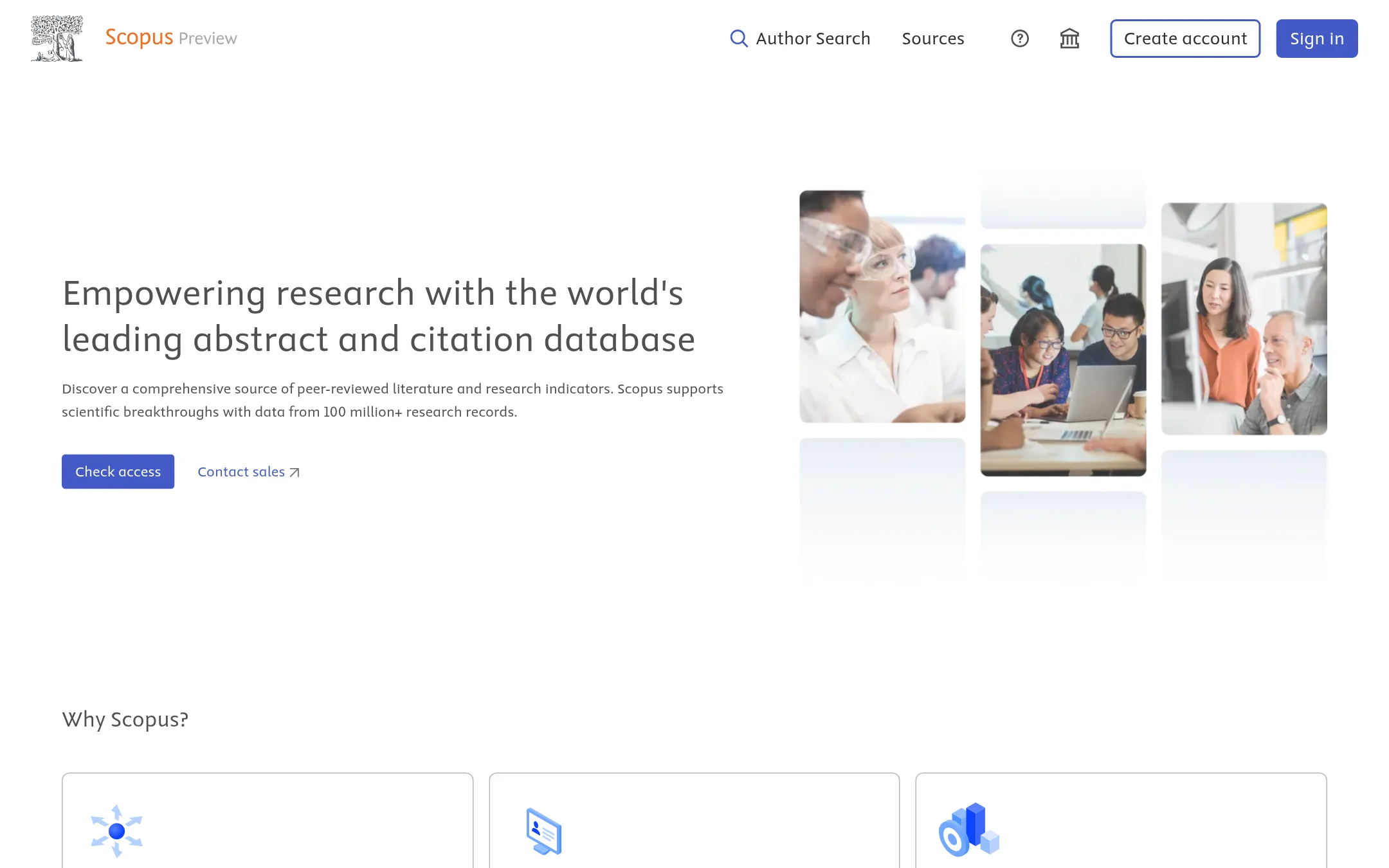
Scopus is a large abstract and citation database covering over 100 million research records. You would choose it instead of ResearchGate when your institution needs a curated, index-based source for literature discovery and citation metrics, not a social network for sharing research.
Where it is strong
- Curated content by an independent advisory board.
- Covers 100+ million research records.
- Provides citation metrics and output indicators.
Where it falls short
- No free public access. Typically institutional subscription.
- Does not offer researcher networking or profile sharing like ResearchGate.
- Pricing:
- Pricing is not published on the site.
- See website
9.Web of Science
Other
A citation indexing service that provides comprehensive research metrics, a key alternative for impact assessment.
- Not published
10.Publons
Best for: Researchers and institutions that need formal peer review and citation records integrated with Web of Science.
- Pricing
- Not published
- Category
- Other
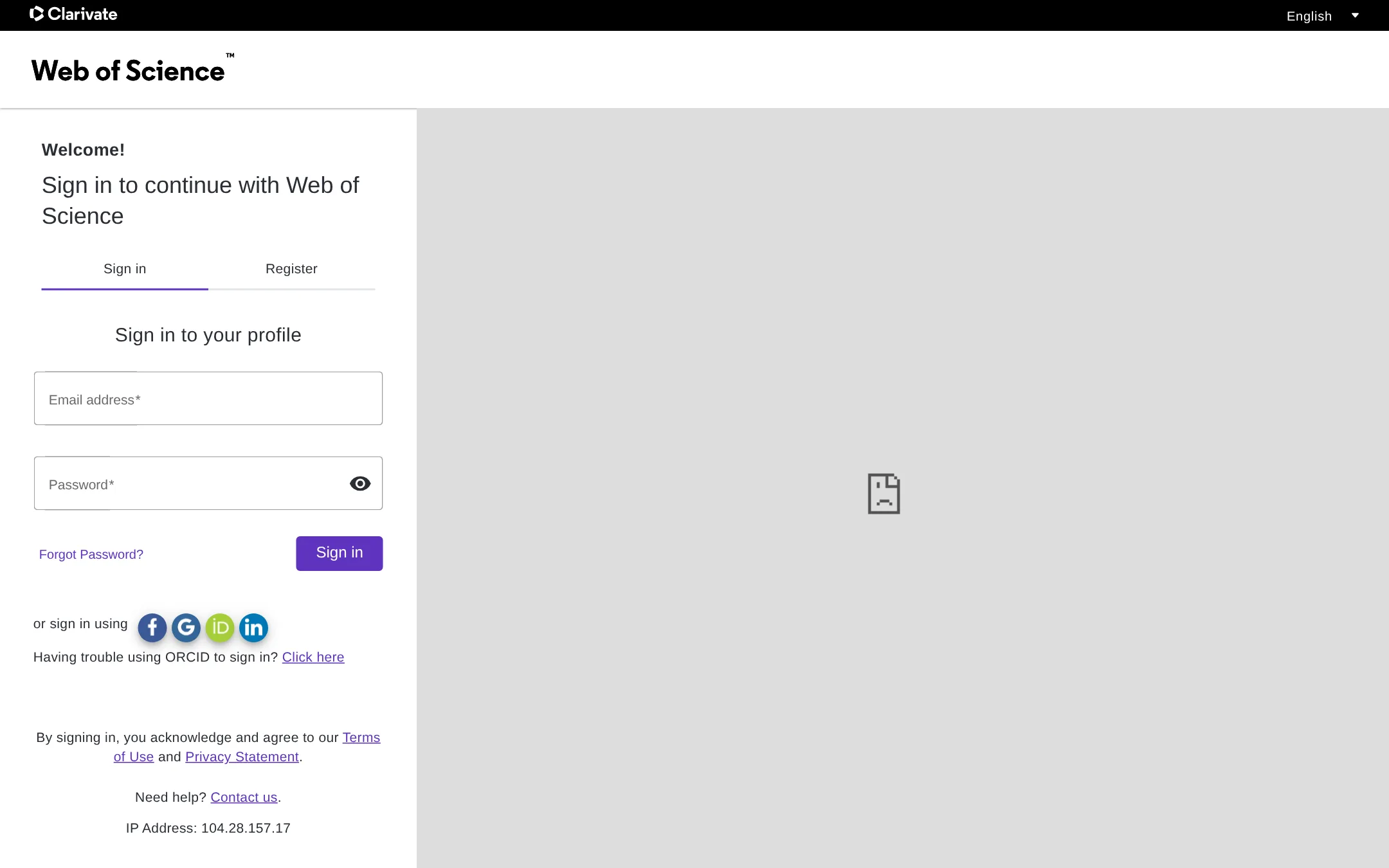
Publons is a researcher profile and peer review tracking service owned by Clarivate, now accessed through the Web of Science login. You would choose it over ResearchGate if your priority is documenting peer review activity and citations for institutional reporting, rather than sharing papers and networking.
Where it is strong
- Tracks peer review contributions and verifies them with journals
- Integrates with Web of Science for citation metrics
- Free to create a profile and claim publications
Where it falls short
- Requires a Clarivate account to access, no standalone public site
- No community feed or collaboration features like ResearchGate
- Pricing:
- Pricing is not published on the site.
- SNot published
11.SSRN
Best for: Scholars in law, finance, and social sciences who want to share preprints quickly and get citations before journal publication.
- Pricing
- Not published
- Category
- Other
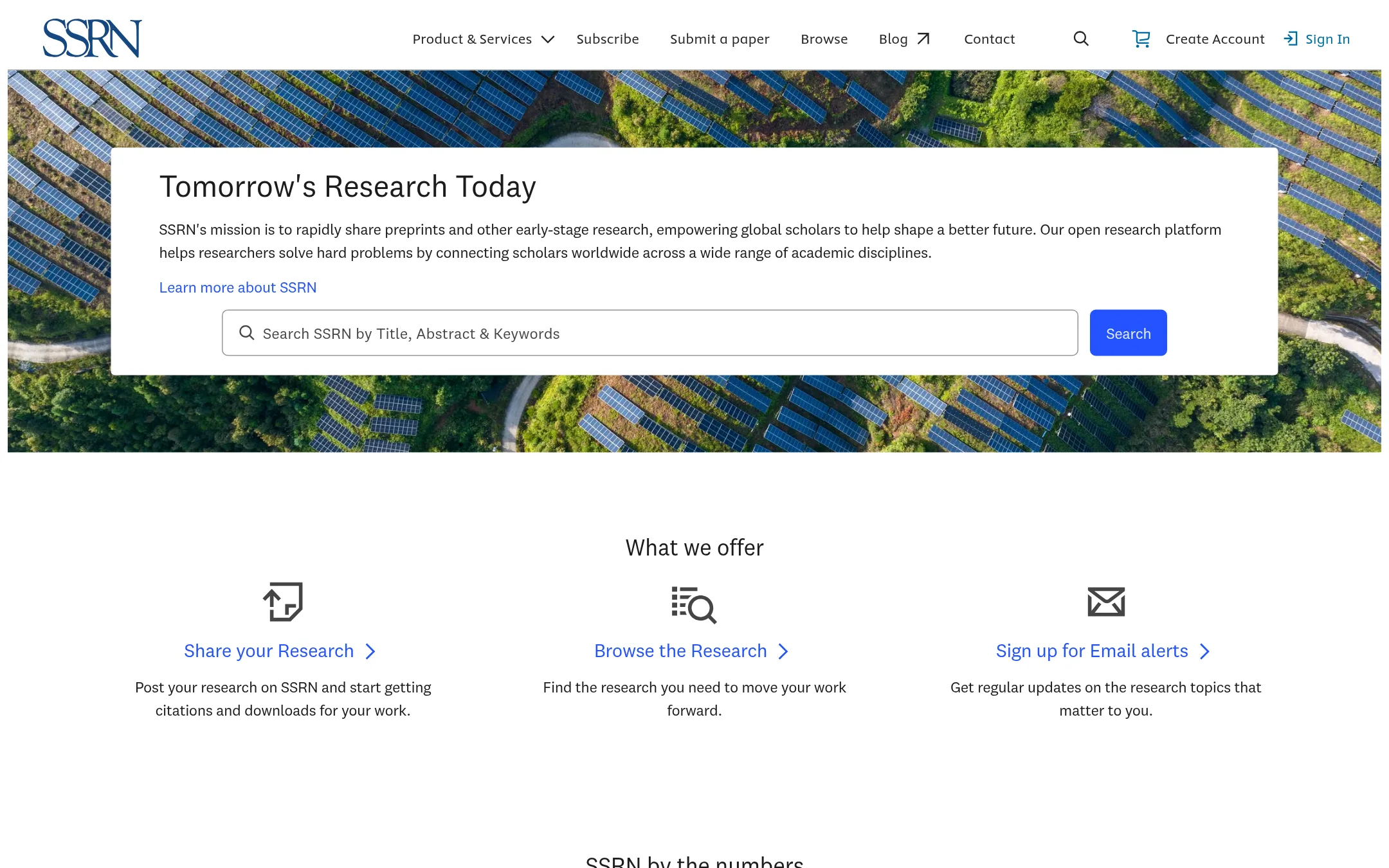
SSRN is a preprint and early-stage research sharing platform focused on rapid dissemination across many disciplines. Choose it over ResearchGate if you want to post working papers before formal publication and reach a broad, interdisciplinary audience without the social networking features.
Where it is strong
- Fast sharing of preprints and working papers
- Broad interdisciplinary reach across 69 disciplines
- Free to post and access papers
Where it falls short
- No researcher profiles or networking features
- Limited to preprints, not final published versions
- Pricing:
- Pricing is not published on the site.
- Not published
12.arXiv
Best for: Researchers in physics, mathematics, and computer science who want to share preprints quickly and openly without peer review or social features.
- Pricing
- Not published
- Category
- Other
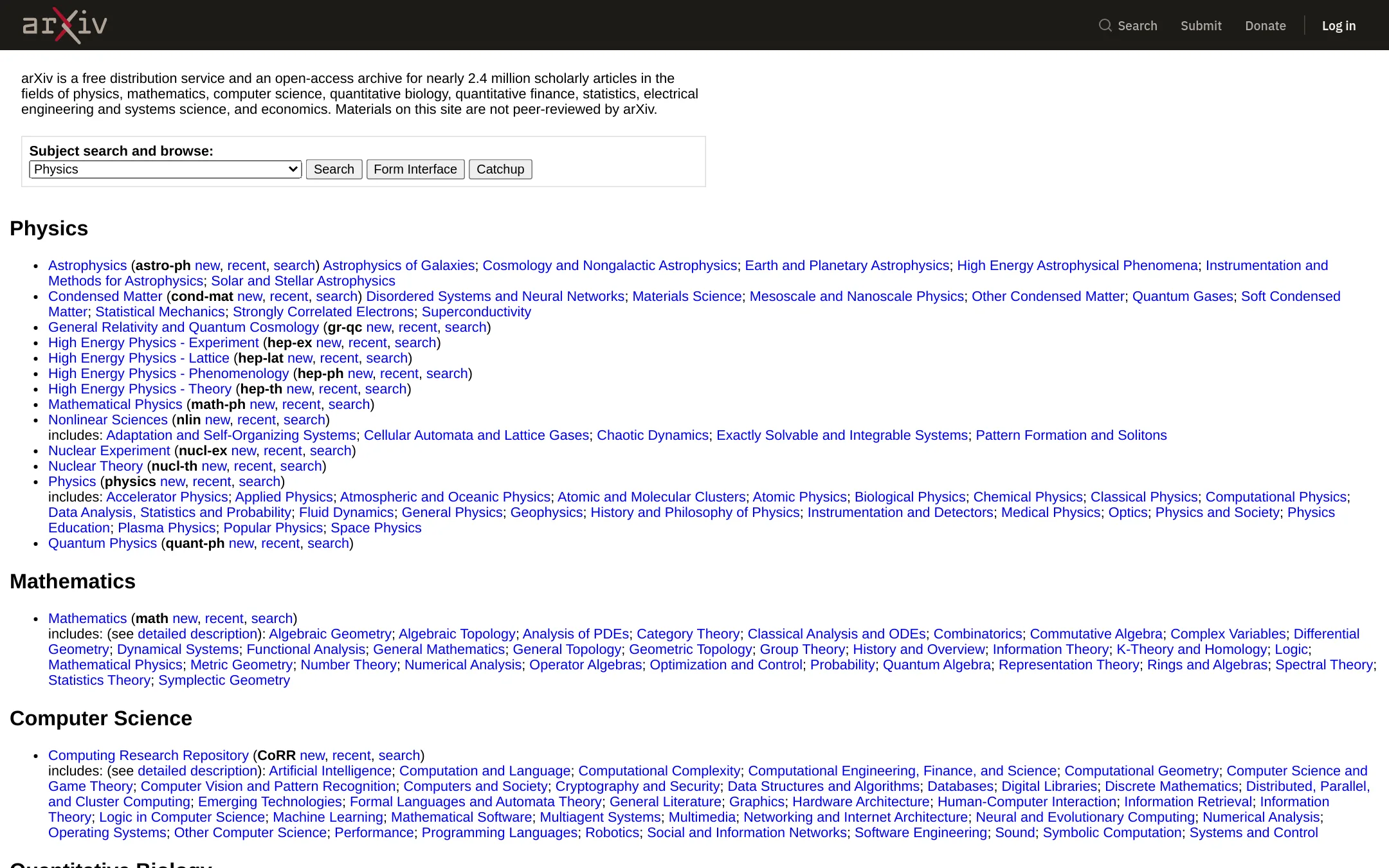
arXiv is a free, open-access preprint server where researchers post papers before peer review, covering physics, math, computer science, and related fields. Choose it over ResearchGate when you want immediate, unrestricted sharing of your work and don't need the social networking, citation tracking, or recruitment features ResearchGate offers.
Where it is strong
- Free to submit and access all papers
- Widely used in physics, math, and CS communities
- Open-access archive with nearly 2.4 million articles
Where it falls short
- No peer review or citation tracking
- Limited to specific fields. No biology or medicine
- Pricing:
- Pricing is not published on the site.
See more comparisons in Education alternatives.
FAQ
Questions about ResearchGate alternatives
What is the best free alternative to ResearchGate for sharing research?
Academia.edu is a strong free option for sharing papers and tracking citations, with 65 million papers and full-text search. SSRN and arXiv are also free but focus on preprints in specific fields.
Which alternative is best for managing citations and references?
Zotero is a free, open-source reference manager with unlimited local storage and support for 9,000 citation styles. Mendeley is another free option with 2GB storage and AI features for reading insights.
Are there alternatives with APIs for building scholarly applications?
Semantic Scholar offers a free public API for searching over 238 million papers, ideal for developers. Dimensions also provides API and BigQuery integration, but it is designed for organizations, not individuals.
Which alternative is best for institutions needing citation metrics?
Scopus is a curated database with 100+ million records and citation metrics, typically accessed via institutional subscription. Dimensions offers broader coverage including grants and patents, also for organizations.
How do these alternatives handle researcher identity and networking?
ORCID provides a persistent, portable identifier for tracking publications across systems, but lacks social features. Publons tracks peer review and integrates with Web of Science, but requires a Clarivate account. None offer the community networking of ResearchGate.
Last updated October 15, 2026.