
Rosetta Stone alternatives
12 products to explore · 2026
Your shortlist, at a glance.
Read the comparisons ↓
Check each product’s website for current pricing and features. A verified badge indicates a verified listing, not a ranking.
About Rosetta Stone and its alternatives
People searching for Rosetta Stone alternatives often want flexible language apps that match its immersive approach without the same commitment to a full subscription. Rosetta Stone stands out for its research-backed Dynamic Immersion method, realistic conversation practice through Chat Missions, and precise TruAccent pronunciation feedback that prepares learners for actual travel and social situations. Alternatives range from gamified mobile apps ideal for casual daily practice to platforms offering live tutors or industry-specific vocabulary for professionals. Some focus on bite-sized lessons and stories while others emphasize community interaction or custom content creation. Comparing options helps users find the right balance of structured curriculum, speech tools, pricing, and mobile accessibility based on whether they are learning for travel, career advancement, school requirements, or personal enrichment. Many alternatives provide free tiers or lower-cost entry points compared to Rosetta Stone's membership model.
Explore the alternatives

1.Cambly
EducationOn-demand access to English tutors over video chat.
2.CleverDeck
Productivity & Project ManagementCollaborate with an artist to commission original artwork you'll live…
3.Babbel
EducationLearn languages fast with practical conversation-focused lessons and proven methods.

4.Busuu
EducationLearn languages online with expert courses and a global speaking community.

5.Drops
EducationLearn 55+ languages with fun 5-minute visual vocabulary games
6.Duolingo
EducationDuolingo is the world
7.HelloTalk
EducationLearn languages for free by chatting with native speakers worldwide

8.LingQ
EducationLearn languages from real podcasts, books and shows with AI-powered vocabulary tracking.
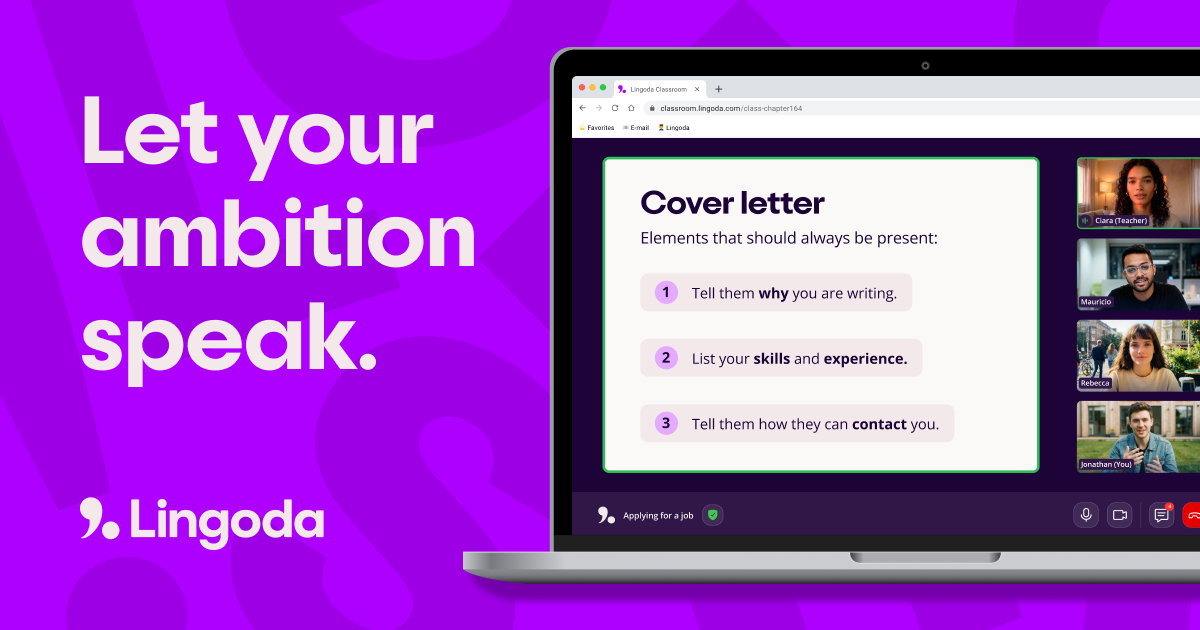
9.Lingoda
EducationLive online language classes with certified teachers and AI tools

10.Memrise
EducationLearn languages with real native videos and personalized practice

11.Preply
EducationLearn languages online with personalized 1-on-1 tutors and flexible scheduling.

12.Verbling
EducationLanguage lessons with native teachers over video chat, anytime anywhere.
See more comparisons in Education alternatives.
Questions about Rosetta Stone alternatives
What are the best Rosetta Stone alternatives for travel language learning?
Travel-focused alternatives like Babbel and Pimsleur emphasize practical phrases and audio lessons that can be completed during commutes, often at lower monthly prices than Rosetta Stone while still covering key scenarios such as ordering food or asking directions.
How does Duolingo compare to Rosetta Stone for serious learners?
Duolingo offers gamified bite-sized lessons and a large free tier but lacks the depth of Rosetta Stone's Dynamic Immersion method and TruAccent speech analysis, making it better for beginners or casual users rather than those seeking structured real-world readiness.
Are there Rosetta Stone alternatives with live tutoring included?
Platforms such as italki and Preply provide on-demand native tutors at per-lesson rates, allowing more flexible scheduling than Rosetta Stone's tutoring add-on while focusing heavily on conversational practice over self-paced modules.
Which Rosetta Stone alternative is best for kids or schools?
ABCmouse or Fluenz offer age-appropriate curricula and classroom management tools; they provide similar structured progression to Rosetta Stone for Schools but often include more visual rewards and parent dashboards at competitive institutional pricing.
Do any Rosetta Stone alternatives support offline learning?
Babbel and Drops allow full offline access after downloading lessons, giving users the same portability as Rosetta Stone's mobile app without requiring constant internet for core practice.
What is the cheapest Rosetta Stone alternative with speech recognition?
Memrise and Busuu include community-recorded pronunciation feedback and spaced repetition at significantly lower subscription costs than Rosetta Stone while still covering dozens of languages with user-generated content.