
Simetrik alternatives
6 products compared · Updated November 14, 2026
The short answer
The three strongest Simetrik alternatives depend on the job. FloQast suits enterprise accounting teams that need a tighter month-end close and audit-ready controls. Tesorio suits B2B finance teams whose collections and cash application are still manual. Stripe suits online and in-person merchants, SaaS companies and platforms that need to accept payments and run recurring billing quickly.
Your shortlist, at a glance
Read the comparisons ↓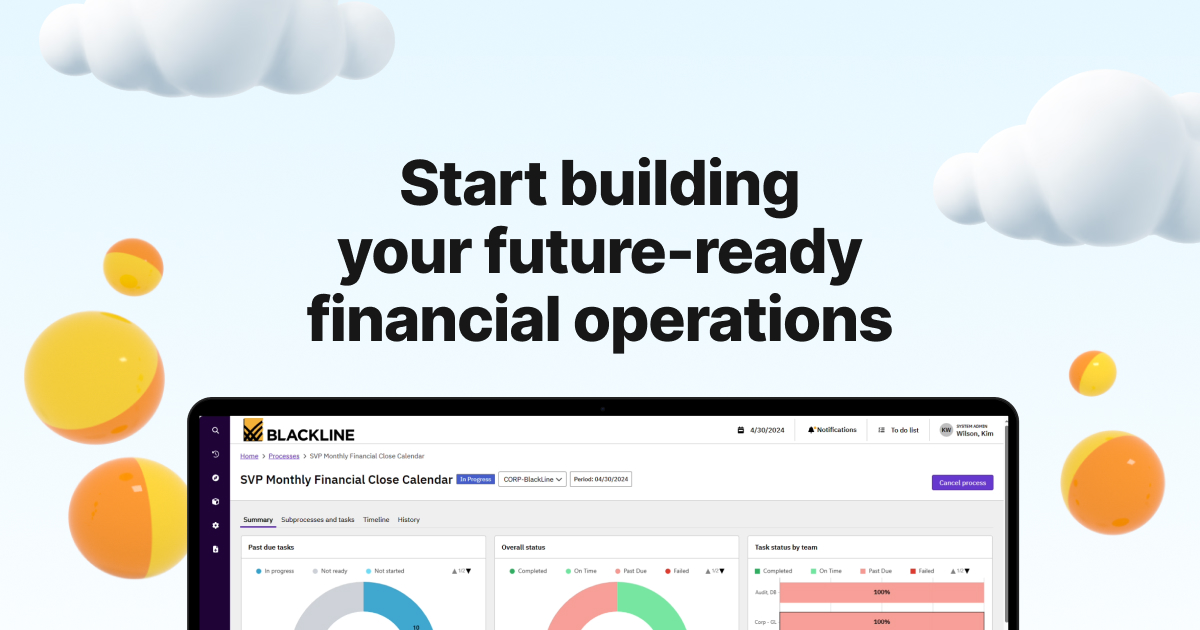 BlackLineNot publishedFinance teams running month-end close and intercompany accounting who want an agentic platform for the close process.
- TTrintechNot publishedFinance and accounting teams that want AI agents to take on reconciliations, matching and journal entries during the month-end close
- FFloQastCustom quoteEnterprise accounting teams that need a tighter month-end close and audit-ready controls
 Modern TreasuryUsage-based, not publiFintechs and startups building payment products that need ACH, wire and RTP through a single API
 Stripe1.5% + 1.00złOnline and in-person merchants, SaaS companies and platforms that need to accept payments and run recurring billing quickly
 TesorioNot publishedB2B finance teams whose collections and cash application work is still manual and who want AR automation rather than payments reconciliation
About Simetrik and its alternatives
Simetrik describes itself as AI-native financial control infrastructure. According to its site, it automates reconciliation, accounting and controls across the transaction lifecycle, with a reconciliation engine, pre-built templates for common payment counterparties, and an operations center for managing exceptions and workflows.
When comparing alternatives in this category, weigh what each product actually controls. Some focus on accepting or moving money, others on the accounting close, and others on receivables. Check pricing structure, since some vendors publish fixed rates while others sell by package or usage. Also look at the regions and integrations you need, the level of support, and the contract terms.
Explore the alternatives
- Not published
1.BlackLine
Best for: Finance teams running month-end close and intercompany accounting who want an agentic platform for the close process.

- Pricing
- Not published
- Category
- Finance & Accounting
BlackLine is an agentic AI platform for financial close, intercompany accounting and invoice-to-cash operations. Finance teams in the middle of a close or running heavy intercompany workflows would choose it over Simetrik when those accounting processes are the main problem rather than transaction-level reconciliation.
Where it is strong
- Covers financial close, intercompany and invoice-to-cash in one platform.
- Built around agentic AI that automates close workflows.
- Positioned as a full financial operations platform rather than a reconciliation tool alone.
Where it falls short
- The supplied site content does not show detail on payment-level reconciliation volume compared with Simetrik's stated 3.5B records per day.
- Pricing is not published, so cost comparison requires a sales conversation.
- Pricing:
- Pricing is not published on the site.
- TNot published
2.Trintech
Best for: Finance and accounting teams that want AI agents to take on reconciliations, matching and journal entries during the month-end close
- Pricing
- Not published
- Category
- Other
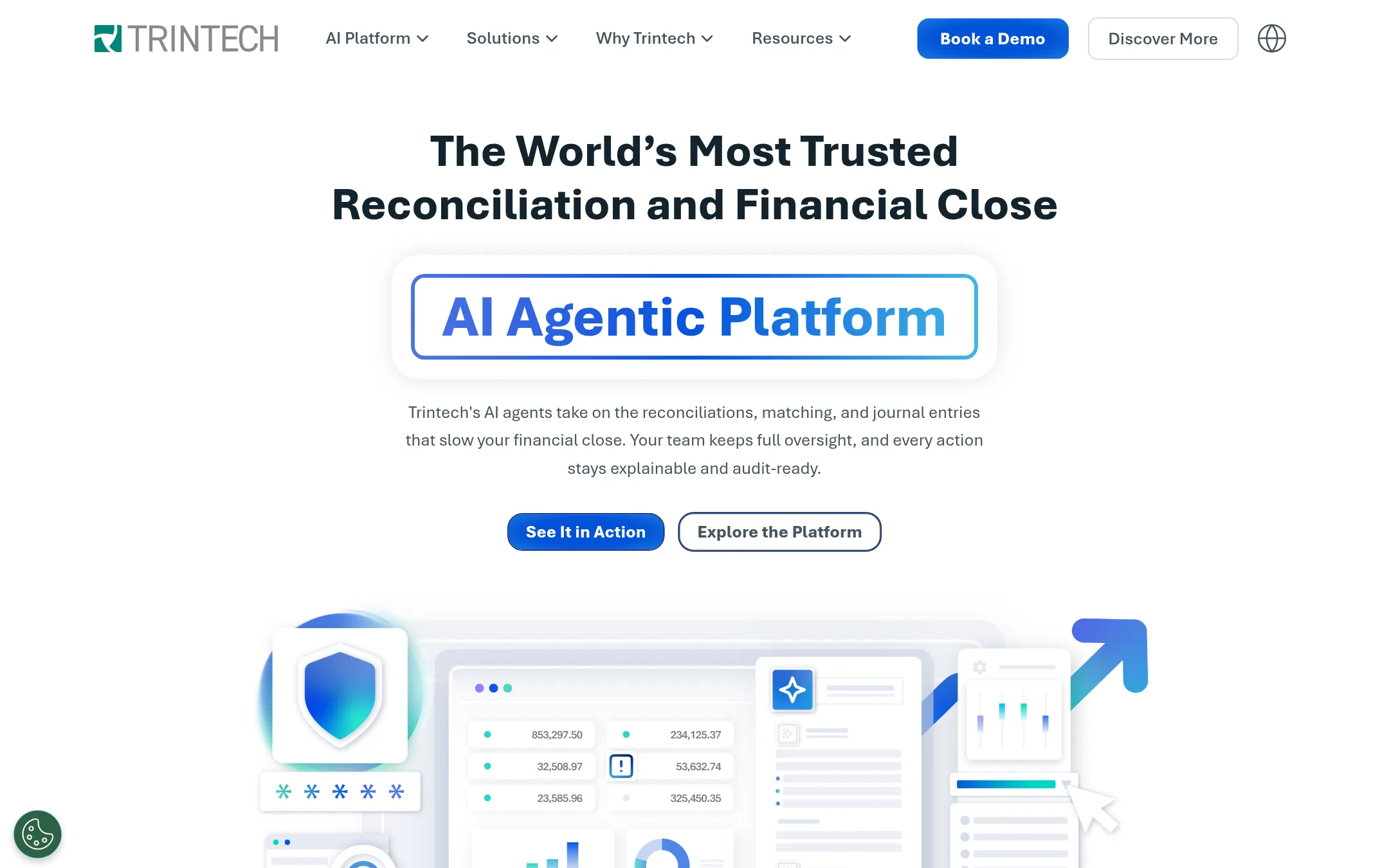
Trintech makes cloud-based financial close and account reconciliation software, with AI agents that handle reconciliations, matching and journal entries. A finance team would pick it over Simetrik when the main need is a close-focused platform for reconciliations and journal entries rather than payments-level transaction control across a large counterparty network.
Where it is strong
- AI agents handle reconciliations, matching and journal entries
- Human oversight stays in the loop, with actions kept explainable and audit-ready
- Covers the close process from reconciliation through to journal entries on one platform
Where it falls short
- The site does not describe payments-specific counterparty templates like Simetrik's
- Its public materials focus on the close rather than on real-time transaction reconciliation at Simetrik's scale
- Pricing:
- Pricing is not published on the site.
- FCustom quote
3.FloQast
Best for: Enterprise accounting teams that need a tighter month-end close and audit-ready controls
- Pricing
- Custom quote
- Category
- Other
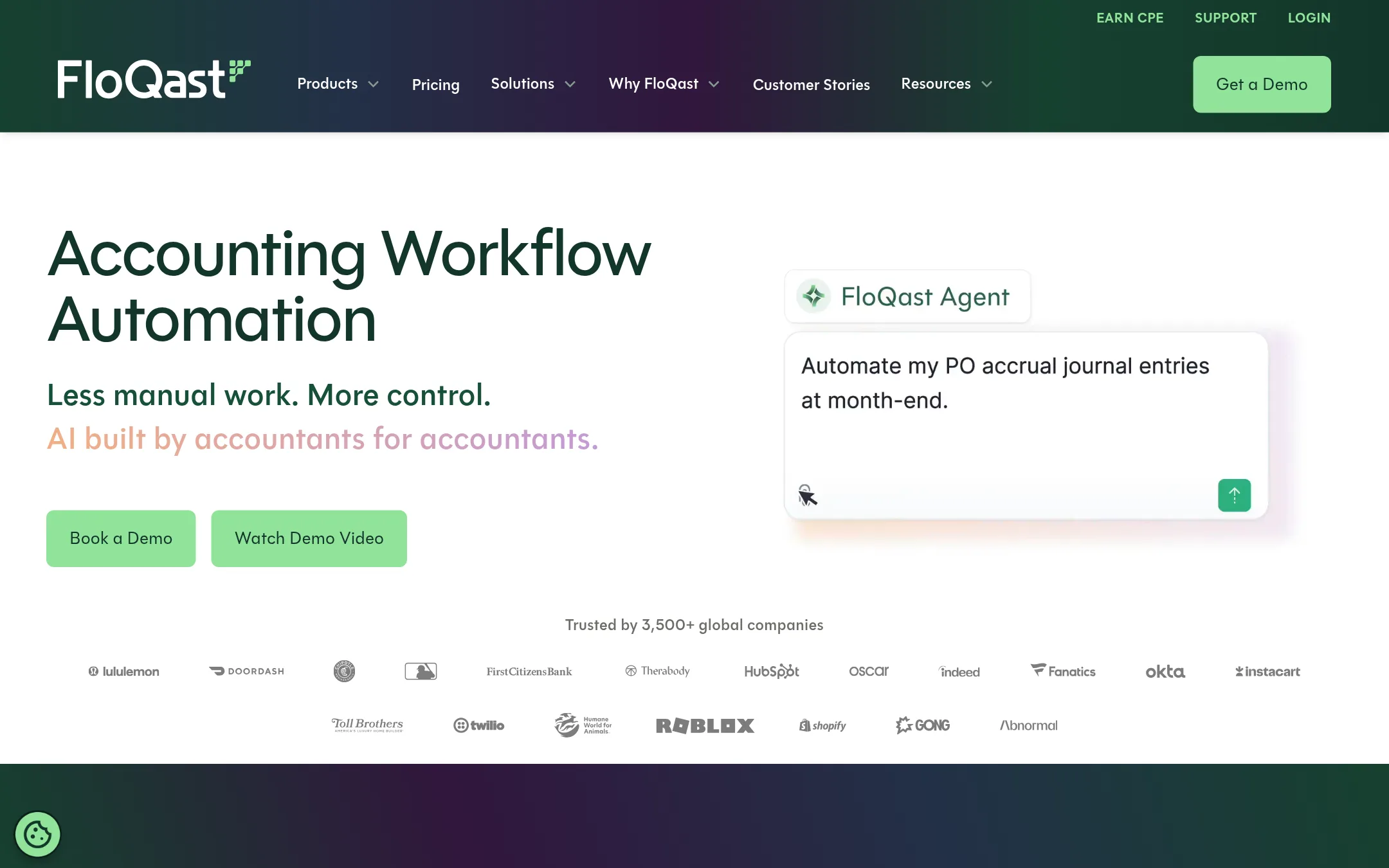
FloQast is an accounting workflow platform built around the close. It runs close checklists, reconciliations, journal entries and controls testing, with AI agents that prepare work while a person approves it. A team would pick FloQast over Simetrik when the main problem is the month-end close and audit readiness for an accounting team, rather than real-time matching of high-volume payment transactions across counterparties.
Where it is strong
- Close checklists, reconciliations and sign-offs sit in one place
- AI agents run defined processes and every decision is logged and exportable
- Risk & Compliance tests controls with evidence attached to the same platform
Where it falls short
- Focused on the accounting close, so it does not offer Simetrik's real-time transaction-level reconciliation of payment flows
- Pricing is built around packages, so cost depends on a sales conversation
- Pricing:
- Pricing is not published as fixed figures. FloQast says it sells packages based on business outcomes rather than per-user seats, across Close Management, Close AI and Risk & Compliance.
- Usage-based, not publi
4.Modern Treasury
Best for: Fintechs and startups building payment products that need ACH, wire and RTP through a single API
- Pricing
- Usage-based, not publi
- Category
- Finance & Accounting
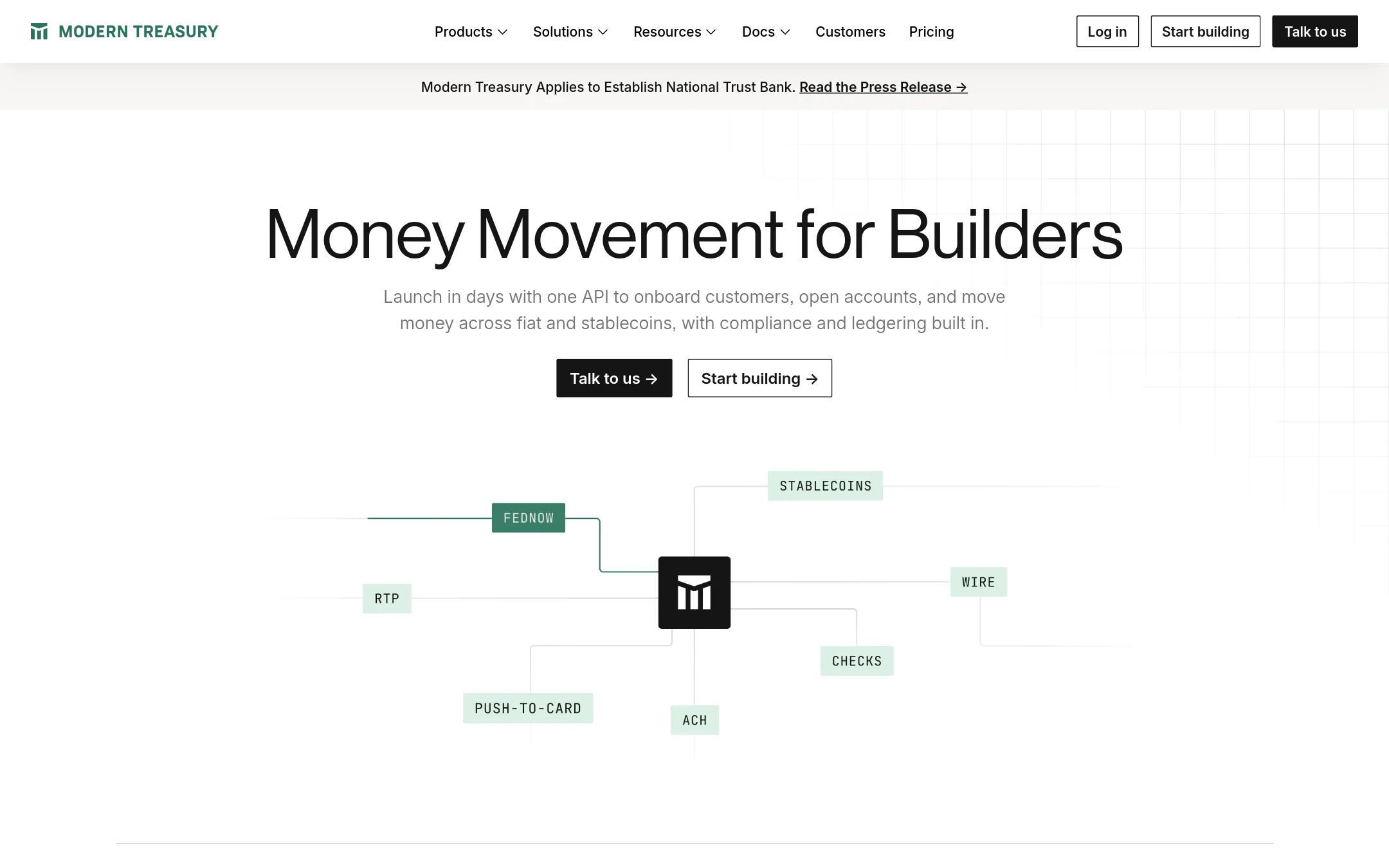
Modern Treasury is a payments infrastructure platform, not a reconciliation tool. It gives you one API to move money across ACH, wire, RTP, FedNow, checks and stablecoins, with built-in accounts, a ledger and compliance. Someone would pick it over Simetrik when the core problem is building money movement into a product, not controlling and reconciling transactions after the fact.
Where it is strong
- One API covers payments, accounts and ledgering, so you code once for multiple rails.
- Built-in KYB/KYC, transaction monitoring and sanctions screening for your business and end users.
- Idle balances earn interest through banking partners while staying available.
Where it falls short
- It focuses on moving money and does not offer the deep reconciliation and accounting controls that Simetrik is built around.
- Exact costs depend on volume, rails and account structure, so budgeting takes a quote.
- Pricing:
- Pricing is usage-based with annual terms, varies by payment method and volume, and is not listed as specific figures on the pricing page.
- 1.5% + 1.00zł
5.Stripe
Best for: Online and in-person merchants, SaaS companies and platforms that need to accept payments and run recurring billing quickly
- Pricing
- 1.5% + 1.00zł
- Category
- Finance & Accounting
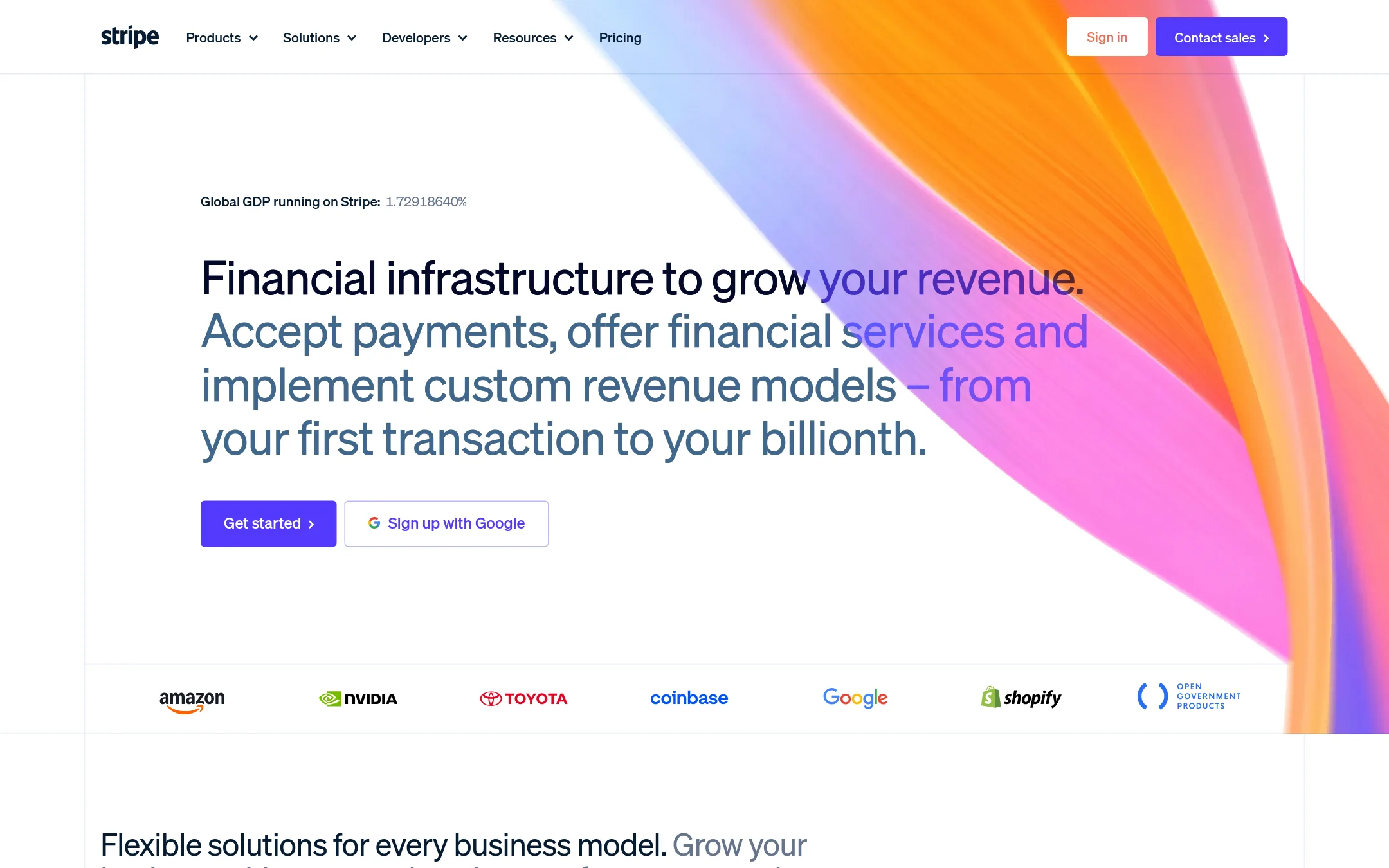
Stripe is a payments and billing platform that lets a business accept cards and other payment methods, run subscriptions and manage payouts through APIs or no-code tools. Someone would pick Stripe over Simetrik when the main problem is taking payments and billing customers, not reconciling and controlling transactions across counterparties at enterprise scale.
Where it is strong
- Supports 135+ currencies and payment methods across online and in-person sales
- Offers subscription and recurring billing that can handle usage-based and tiered models
- Provides SDKs, APIs and no-code payment links for both developers and non-technical teams
Where it falls short
- Does not focus on reconciliation or financial control across many counterparties, which is Simetrik's core
- Fees vary by card type and region, so total cost is harder to predict than a single flat rate
- Pricing:
- Stripe's standard European card rate is 1.5% + 1.00zł for standard European Economic Area cards, 2.5% + 1.00zł for UK cards, and custom pricing is available for larger accounts.
- Switching from Simetrik:
- Moving from Simetrik to Stripe would mean replacing reconciliation and control workflows with payment processing and billing tools, so most teams would keep Simetrik for reconciliation and add Stripe for payments.
- Not published
6.Tesorio
Best for: B2B finance teams whose collections and cash application work is still manual and who want AR automation rather than payments reconciliation
- Pricing
- Not published
- Category
- Finance & Accounting
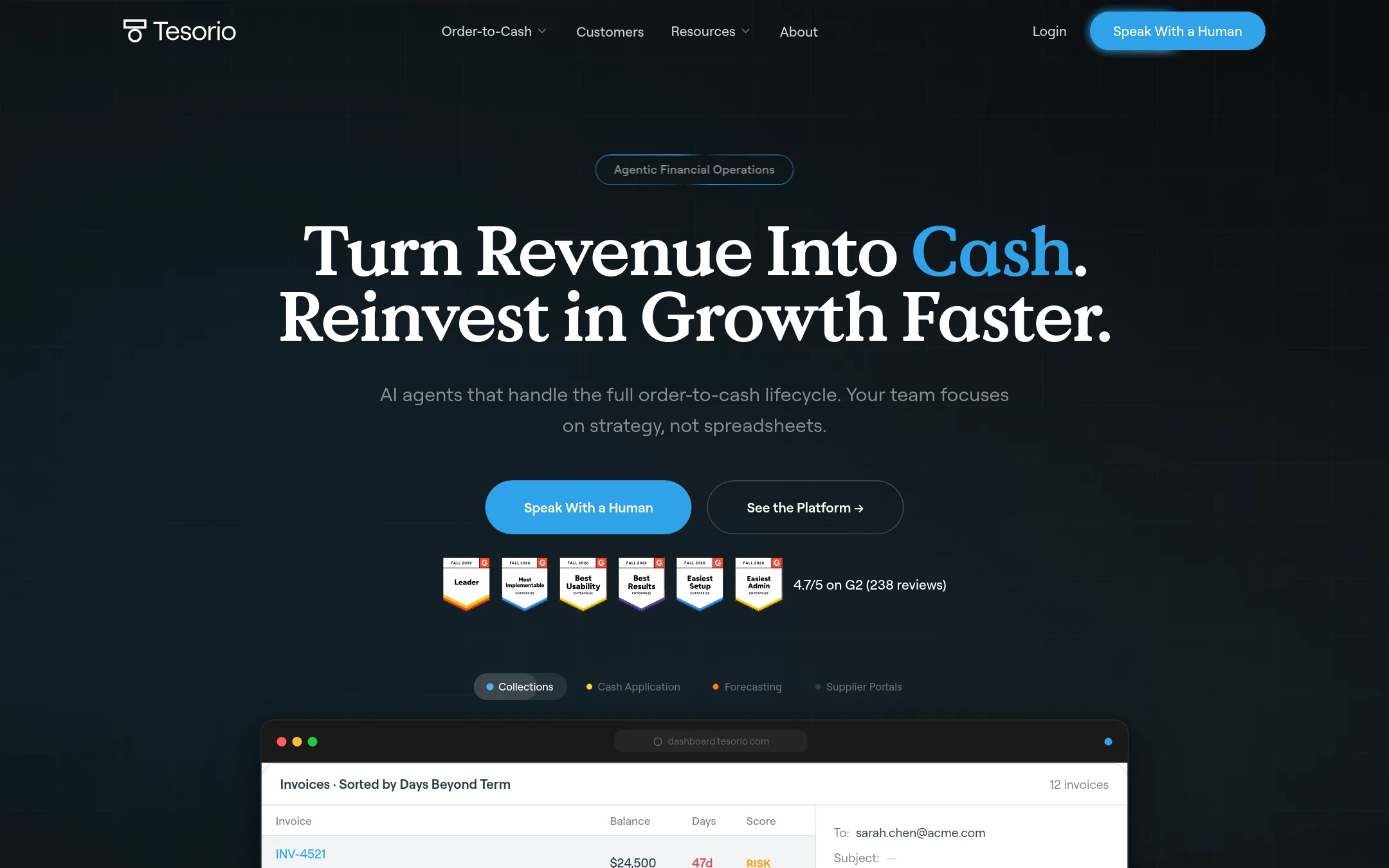
Tesorio is an AI-powered accounts receivable platform. Its agents run collections follow-ups, match incoming cash to open invoices, manage supplier portals like Coupa and Ariba, and forecast cash inflows. Pick it over Simetrik when your main problem is getting customers to pay you faster rather than controlling transaction-level reconciliation across payment processors.
Where it is strong
- Collections agent drafts follow-up emails and extracts payment promises
- Cash application claims a 95%+ auto-match rate across 200+ customers
- Pre-built connectors for NetSuite, Sage Intacct, Workday, Salesforce and Stripe
Where it falls short
- Focused on receivables, so it does not offer Simetrik's 110+ transaction-level control functions
- Aimed at B2B invoicing, so it is less suited to high-volume payment processing flows
- Pricing:
- Pricing is not published on the site.
See more comparisons in Finance & Accounting alternatives.
FAQ
Questions about Simetrik alternatives
What is the closest alternative to Simetrik for month-end close?
FloQast is an accounting workflow platform built around the close. It runs close checklists, reconciliations, journal entries and controls testing, with AI agents that prepare work while a person approves it. Its pricing is based on packages rather than per-user seats, so cost depends on a sales conversation.
Which alternative is best if my main problem is collecting payments from customers?
Tesorio is an AI-powered accounts receivable platform. Its agents run collections follow-ups, match incoming cash to open invoices and forecast cash inflows, with connectors for systems such as NetSuite, Sage Intacct and Stripe. It is aimed at B2B finance teams rather than payments-level reconciliation.
Can Stripe replace Simetrik for reconciliation?
Stripe is a payments and billing platform for accepting cards and other payment methods, running subscriptions and managing payouts. It does not focus on reconciliation or financial control across many counterparties, which is Simetrik's core. Stripe is a better fit when the priority is taking payments and billing customers.
How do the alternatives compare on pricing?
Pricing varies widely. Stripe publishes per-transaction rates, such as 1.5% plus 1.00zł for standard European Economic Area cards, and offers custom pricing for larger accounts. Modern Treasury uses usage-based pricing with annual terms. BlackLine, FloQast, Tesorio and Trintech do not publish fixed figures on their sites, so you will need to request a quote.
Which alternative should a fintech building payment products consider?
Modern Treasury is a payments infrastructure platform with one API for ACH, wire, RTP, FedNow, checks and stablecoins, plus built-in accounts, a ledger and compliance tools. It is designed for moving money inside a product rather than controlling transactions after the fact. If your core need is reconciliation and controls, Simetrik or an accounting-focused tool such as Trintech or BlackLine is a closer comparison.
Last updated November 14, 2026.